Herbs

Saffron: A Deep Dive into the Golden Spice

Saffron: A Deep Dive into the Golden Spice

Saffron, known scientifically as Crocus sativus, is often referred to as the ‘golden spice’. It’s a prized ingredient in culinary dishes, traditional medicine, cosmetics, and even dyes. Here’s a detailed exploration of saffron’s fascinating history, cultivation, health benefits, and side effects.

The saffron spice comes from the red stigmas (threads) of the Crocus sativus flower. Each flower produces just three red stigmas. These stigmas are collected and dried to create the saffron spice. Due to the intense labor required to harvest and process saffron, it is one of the world’s most expensive spices.

In this comprehensive review, we aim to explore various aspects of Saffron and it’s health benefits for men and women, both. The structure of this article is as follows:


Table of Contents

Cultivation

Chemical Composition

Nutritional Value

General Health Benefits of Saffron

Mood Enhancer and Antidepressant

Antioxidant Properties of Saffron

Memory and Learning Enhancement

Eye Health and Visual Function

Anticancer Properties

Anti-Inflammatory Effects of Saffron

Heart Health

Anti-Obesity Effects of Saffron

Reproductive Health Benefits of Saffron for Men

Erectile Dysfunction

Antidepressant-induced Sexual Dysfunction

Improvement in Sperm Parameters

Libido Enhancement

Reproductive Health Benefits of Saffron for Women

Female Sexual Dysfunction

Improvement in Sexual Desire

Dyspareunia (Painful Intercourse) and Lubrication

Premenstrual Syndrome (PMS) Relief

Dysmenorrhea (Menstrual Pain) Relief

Reproductive Health and Fertility Enhancement

Postpartum Depression

Supplementation

Conclusion


Cultivation of Saffron

Saffron (Crocus sativus) is a particularly finicky crop when it comes to its preferred growing conditions. The plant’s unique requirements have determined its traditional cultivation regions and play a significant role in its overall yield and quality.

Saffron Health Benefits

“The saffron spice comes from the red stigmas (threads) of the Crocus sativus flower.”

Saffron’s journey began in the ancient lands of Persia (modern-day Iran). The exact origins remain a subject of debate, but ancient frescoes from Crete, dated as far back as 1600 BC, depict a saffron harvest. Historical texts, including the Bible, also make mention of this revered spice.

Saffron was traded along the Silk Road and quickly made its way to the Arabian Peninsula, India, Europe, and beyond. The Arabs introduced it to Spain during the Al-Andalus period, and the Spanish later carried it to the New World.

Climatic Conditions for Saffron Cultivation

Temperature: Saffron crocuses prefer a continental climate, with cold winters (but not extremely cold) for dormancy and hot, dry summers. The temperature during the growing season should ideally be between 15-20°C (59-68°F). Winters should be cold, with temperatures below 0°C (32°F) to break the corm dormancy.

Rainfall: Saffron plants require well-drained soil. This means that while they do need water, especially during the growth phase, they do not fare well in waterlogged conditions. Ideal rainfall is around 750-850 mm annually. More crucially, the rainfall should be limited during the flowering period to prevent flower damage.

Humidity: Low to medium humidity is preferable. High humidity levels, especially during the flowering phase, can promote fungal diseases which can be detrimental to the crop.

Sunlight: The saffron crocus requires plenty of sunlight, especially during the flowering phase. Full sun exposure ensures the best yield and quality of the saffron stigmas.

Reference: (Amit Kumar et al., 2022)

Geography

Saffron, the stigmas of the Crocus sativus flower, is a labor-intensive crop to cultivate, and its intricate production process contributes to its high price. Here are the primary regions around the world where saffron is cultivated:

Iran: The majority of the world’s saffron is produced in Iran, with the country contributing to more than 90% of global production. The Khorasan region, in northeastern Iran, is particularly famous for its high-quality saffron.

India: The state of Jammu & Kashmir, particularly the Pampore region, is renowned for its high-quality saffron. It’s one of the primary regions for saffron production in India.

Spain: Spain is one of the top European producers of saffron. The region of Castilla-La Mancha, especially, is well-known for its PDO (Protected Designation of Origin) certified La Mancha saffron, which is particularly prized.

Afghanistan: In recent years, Afghanistan has increased its saffron production, offering an alternative crop to poppy for many farmers. The provinces of Herat and Kandahar are the main production areas.

Greece: Kozani, in northern Greece, produces a PDO-certified saffron known as “Krokos Kozanis”. It’s one of the most renowned saffron types in Europe.

Morocco: The region of Taliouine in southern Morocco is the heart of the country’s saffron cultivation. Moroccan saffron is gaining popularity on the global market.

Italy: The region of Abruzzo, particularly the Navelli Plateau, is known for its high-quality saffron. Sardinia and Tuscany are other Italian regions where saffron is cultivated.

Kashmir: The region is famous for its distinct variety of saffron which has a rich color and unique flavor.

Other countries, including Azerbaijan, China, Egypt, and Turkey, also cultivate saffron on a smaller scale.

In recent times, there have been initiatives to grow saffron in countries not traditionally associated with its cultivation, such as the US (in states like Vermont) and New Zealand, as the global demand for this precious spice continues to rise.


Chemical Composition of Saffron

The chemical composition of saffron can vary depending on the source, cultivation conditions, post-harvest processing, and storage conditions. However, there are a few primary chemical components that are consistently found in saffron. Here is an approximate composition along with their percentage values:

  • Carotenoids (around 10-15% of dried saffron’s weight):
    • Crocin and Crocetin: About 5-10%. These carotenoids are responsible for the deep yellow color of saffron.
    • Picrocrocin: Around 4-9%. This compound gives saffron its bitter taste.
  • Volatile Oils (0.5-1.5% of dried saffron’s weight):
    • Safranal: Around 0.2-0.7%. This volatile oil provides the characteristic aroma of saffron.
  • Flavonoids:
    • Kaempferol: The amount can vary but usually makes up a small fraction of saffron’s total weight.
  • Proteins, Fats, and Minerals: These can collectively account for about 10-28% of saffron’s weight.
  • Water: Fresh saffron contains water, which usually amounts to around 10-15% of its weight. However, dried saffron’s water content is much lower.
  • Residue and Fiber: Around 30-50%.

References: (P A Tarantilis et al., 1995), (Ana M Sánchez et al., 2008).


Nutritional Value of Saffron

Saffron, though primarily valued for its flavor, color, and aroma, does offer some nutritional content. However, it’s important to note that saffron is consumed in very small quantities, so the overall contribution of its nutrients to one’s diet would be minimal.

Here is an approximate nutritional profile for 100 grams of dried saffron:

  • Energy: 310 kcal
  • Total Fat: 5.85 g
    • Saturated fat: 1.6 g
    • Monounsaturated fat: 0.29 g
    • Polyunsaturated fat: 2.7 g
  • Protein: 11.43 g
  • Carbohydrates: 65.37 g
    • Dietary Fiber: 3.9 g
    • Sugars: 0 g
  • Minerals:
    • Calcium: 111 mg
    • Iron: 11.10 mg
    • Magnesium: 264 mg
    • Phosphorus: 252 mg
    • Potassium: 1724 mg
    • Zinc: 1.09 mg
    • Copper: 0.328 mg
    • Manganese: 28.408 mg
    • Selenium: 5.6 μg
  • Vitamins:
    • Vitamin C: 80.8 mg
    • Thiamin (Vitamin B1): 0.115 mg
    • Riboflavin (Vitamin B2): 0.267 mg
    • Niacin (Vitamin B3): 1.460 mg
    • Vitamin B6: 1.010 mg
    • Folate: 93 μg
    • Vitamin A: 530 IU
    • Vitamin E: 1.6 mg

Reference: USDA FoodData Central. (n.d.). Spices, saffron.

It’s essential to realize that while these numbers provide an idea of saffron’s nutritional profile, the actual intake from saffron would be much lower due to the minute quantities typically used.


General Health Benefits of Saffron

Saffron, derived from the flower of Crocus sativus, is often dubbed the “golden spice” not just because of its color and price, but also due to its array of potential health benefits. Here’s a comprehensive overview of these benefits:

Mood Enhancer and Antidepressant

Saffron has attracted attention for its potential antidepressant properties. Several clinical studies have been conducted to assess the effects of saffron on individuals with depression. Some double-blind, randomized controlled trials have shown saffron to be more effective than a placebo in reducing the symptoms of mild to moderate depression (Akhondzadeh S., et al., 2005). Multiple studies have compared the efficacy of saffron to traditional antidepressants. The results of some of these studies indicate that saffron might be as effective as certain antidepressants like fluoxetine and imipramine, without some of their side effects (Fallah-Pour, H., et al., 2004). The exact mechanism by which saffron exhibits its antidepressant effects is not fully understood. However, it’s believed that saffron might increase the levels of serotonin and other chemicals in the brain (Hausenblas, H. A. et al., 2013).

Antioxidant Properties of Saffron

Saffron and its constituents, such as crocin and crocetin, have been shown to protect cells from oxidative stress-induced damage. Oxidative stress occurs when there’s an imbalance between the production of reactive oxygen species (free radicals) and the body’s ability to counteract their harmful effects.  The antioxidant properties of saffron may also offer protection against neurodegenerative diseases. Crocin, a major carotenoid of saffron, has demonstrated protective effects against neuronal damage in various experimental models (S Zahra Bathaie et al., 2010). Furthermore, studies have shown that saffron and its components can protect heart tissues from ischemia-reperfusion injuries, largely due to their antioxidant activity. As clinical findings have shown, oxidative stress and inflammation are closely related, Saffron’s antioxidant compounds have been found to possess anti-inflammatory properties, which might help in conditions where inflammation and oxidative stress coexist (Hosseinzadeh, H. et al., 2009). The antioxidant properties of saffron could potentially confer protective effects against certain cancers by preventing DNA damage, inhibiting the proliferation of cancer cells, and inducing apoptosis (cell death) in malignant cells (Mousavi, S. H., et al., 2009).

Memory and Learning Enhancement

Saffron and its active constituents, especially crocin and crocetin, have garnered attention in recent years for their potential neuroprotective and cognition-enhancing properties. In animal models, saffron extract and its main active component, crocin, have shown potential in improving memory and learning abilities. Furthermore, clinical trials have investigated the effect of saffron on patients with Alzheimer’s disease. Saffron has been found to be effective in improving cognitive function in these patients, showing comparable efficacy to donepezil, a standard Alzheimer’s drug, over a 22-week period (Akhondzadeh, S. et al., 2010). Oxidative stress is believed to play a role in neurodegenerative diseases and cognitive decline. Saffron’s antioxidant properties could potentially protect neuronal cells and thereby support cognitive function (Hosseinzadeh, H. et al., 2005). Inflammation is another factor that contributes to cognitive impairment. Saffron’s anti-inflammatory effects might also play a role in its memory and learning-enhancing properties. In animal studies, saffron and its constituents have demonstrated protective effects against age-related memory impairment (Papandreou, M. A. et al., 2006).

Eye Health and Visual Function

Saffron supplementation has been shown to improve retinal flicker sensitivity in early age-related macular degeneration (AMD) patients. This suggests that saffron might be beneficial in slowing the progression of AMD, a leading cause of vision loss in older adults (Broadhead, G. K. et al., 2015). In another study, saffron supplementation was found to affect genes that regulate the performance of the eye’s photoreceptor cells. The treatment with saffron led to significant improvement in retinal function, highlighting its potential therapeutic application (Falsini, B. et al., 2010). Furthermore, in experimental studies on rats, the antioxidants found in saffron such as crocin were shown to protect the retina from damage caused by bright light (Laabich, A. et al., 2006). Oxidative stress plays a significant role in the formation of cataracts. Given the antioxidant properties of saffron, it might also offer potential benefits in cataract prevention, although more direct evidence in this specific area is needed (Samaneh Sepahi et al., 2021).

Anticancer Properties of Saffron

Saffron and its bioactive components have shown potential anticancer properties in both in vitro (test tube) and in vivo (animal) studies. These effects are primarily attributed to the antioxidant, anti-inflammatory, and anti-proliferative properties of saffron and its main constituents like crocin, crocetin, safranal, and picrocrocin. Studies have shown that Saffron and its components can induce apoptosis (programmed cell death) in various cancer cells, thereby inhibiting tumor growth (Abdullaev, F. I., 2002). Oxidative stress can play a role in the initiation and progression of cancer. The antioxidant components in saffron might help in protecting cells from potential malignant transformation. Also, saffron compounds have demonstrated the ability to inhibit the proliferation of malignant cells in various types of cancers (Amin, A. et al., 2011). Another study has found that the compounds in saffron have been shown to reduce DNA damage, which is one of the primary factors in the development of cancer and saffron and its constituents can inhibit cancer invasion and metastasis (Das, I. et al., 2004).

Anti-Inflammatory Effects of Saffron

Saffron and its constituents, especially crocin, crocetin, and safranal, have demonstrated significant anti-inflammatory effects. These effects are attributed to the ability of these compounds to modulate various biochemical pathways and inflammatory markers. Saffron and its constituents have been shown to decrease the levels of pro-inflammatory cytokines, which are proteins that promote inflammation. Some studies have found that saffron can inhibit the cyclooxygenase-2 (COX-2) enzyme, which plays a role in inflammation and pain (Majid Zeinali et al., 2019). Another study has shown it’s inhibitory effects on nuclear factor-kappa B. NF-κB is a protein complex that controls the transcription of DNA and plays a pivotal role in regulating the immune response to infection. Some studies suggest that saffron can inhibit the activation of NF-κB, thereby reducing inflammation (Amar Amin et al., 2011). Reduction of Oxidative Stress: Oxidative stress can trigger inflammatory processes in the body. The antioxidant properties of saffron help reduce oxidative stress, which can consequently diminish inflammation (Ali Abedi et al., 2023).

Heart Health

Saffron’s antioxidant properties can protect the heart from oxidative stress, which is a contributing factor to various cardiovascular diseases (Ali Abedi et al., 2023). Some studies have indicated that saffron may have antihypertensive effects, helping in reducing blood pressure (Leila Setayesh et al., 2021). Furthermore, saffron and its constituents have been found to improve lipid profiles by reducing LDL (bad cholesterol) and increasing HDL (good cholesterol), which can be beneficial in preventing atherosclerosis (Abd Rahim I. N. et al., 2022). Inflammation plays a pivotal role in heart disease, and saffron’s anti-inflammatory properties can help in reducing the risk (Majid Zeinali et al., 2019). Saffron has also demonstrated potential in improving endothelial function, which is critical for maintaining vascular health (F.T. Tang et al., 2006). Another study has shown that saffron and its components might help in reducing the progression of atherosclerotic plaques (Ei Christodoulou et al., 2018).

Anti-Obesity Effects of Saffron

Saffron has been studied for its potential anti-obesity effects, primarily attributed to its bioactive constituents, especially crocin and safranal. Some studies suggest that saffron may suppress appetite and reduce snacking, which can contribute to weight management (Nasim A. et al., 2017). Saffron has also shown potential in improving lipid profiles and other markers of metabolic syndrome, which often coexists with obesity (Abd Rahim I. N. et al., 2022). The antioxidant properties of saffron might help combat oxidative stress that can be elevated in obesity. Research indicates that saffron may inhibit pancreatic lipase, an enzyme involved in the digestion and absorption of dietary fats. Inhibition of this enzyme can result in reduced fat absorption (Mashmoul, M. et al., 2013).


Reproductive Health Benefits of Saffron for Men

Saffron offers notable benefits for men’s sexual health. Research highlights its efficacy in improving erectile function and libido, potentially due to its antioxidant and anti-inflammatory constituents. By promoting blood flow and countering oxidative stress, saffron emerges as a valuable natural enhancer of male sexual well-being. Here are some of the key findings:

Erectile Dysfunction

Saffron has been traditionally used in various cultures for its potential benefits on sexual health, including its effects on erectile dysfunction (ED). Modern scientific studies have begun to validate some of these traditional uses. Clinical trials have shown that saffron supplementation may improve erectile function in men with ED. This may be attributed to the antioxidant and anti-inflammatory properties of saffron and improved blood flow to the penis, aiding in achieving and maintaining an erection (Ali Shamsa et al., 2009). Another study has shown that topical saffron gel could significantly improve erectile dysfunction in diabetic patients as compared to the placebo (Moghadam H. M. et al., 2015). Some of the compounds in saffron, such as crocin and safranal, have demonstrated neuroprotective effects, which could play a role in sexual health (Nicholas V. S. et al., 2017).

Antidepressant-induced Sexual Dysfunction

Antidepressant-induced sexual dysfunction (AISD) is a common side effect of many antidepressant medications, affecting a significant number of patients. Saffron has been researched for its potential benefits in addressing this concern. Studies have indicated that saffron supplementation can improve sexual desire, arousal, lubrication, and overall satisfaction in both men and women suffering from AISD. Selective serotonin reuptake inhibitors (SSRIs) are a class of antidepressants commonly associated with sexual dysfunction. Research has shown that saffron may help mitigate some of these adverse effects (Modabbernia A. et al., 2012).

Improvement in Sperm Parameters

Saffron has been explored for its potential beneficial effects on male reproductive health, specifically concerning sperm parameters. Some studies have found that saffron can enhance sperm morphology and motility, two crucial parameters in assessing male fertility (Heidary M. et al., 2008). Oxidative stress is known to negatively impact sperm quality. The antioxidant compounds present in saffron, especially crocin and safranal, may help counteract oxidative damage to sperm (S Zahra Bathaie et al., 2010).

Libido Enhancement

Saffron has historically been revered as a potent aphrodisiac. Recent studies suggest that its libido-enhancing properties in men may be attributed to its antioxidant and anti-inflammatory compounds, particularly crocin and safranal. These compounds may improve blood flow, support endothelial function, and combat oxidative stress, factors vital for erectile health (Ranjbar H. et al., 2019). Furthermore, saffron’s potential neuroprotective and mood-enhancing effects could play a role in elevating sexual desire (Akhondzadeh S. et al., 2004). While promising, it’s essential to acknowledge that the precise mechanisms remain under exploration, and libido is influenced by a complex interplay of physiological and psychological factors.


Reproductive Health Benefits of Saffron for Women

Saffron has a history of use in traditional medicine for women’s reproductive health. Modern research has supported some of these traditional claims, revealing saffron’s potential in alleviating menstrual pain and discomfort. Its mood-enhancing qualities may offer relief from mood swings and emotional fluctuations commonly associated with menstrual cycles and hormonal changes. While these findings are promising, ongoing research is essential to fully understand saffron’s range of benefits in women’s reproductive health. Here are some of the key findings:

Female Sexual Dysfunction

Saffron has been studied for its potential therapeutic effects on female sexual dysfunction (FSD), a condition characterized by disturbances in sexual desire, arousal, orgasm, or pain. A randomized double-blind placebo-controlled study demonstrated that saffron supplementation could alleviate symptoms of Antidepressant-Induced Sexual Dysfunction in women, enhancing sexual desire, arousal, lubrication, and overall satisfaction (Kashani L. et al., 2012).

Improvement in Sexual Desire

Saffron’s mechanism of action in improving female sexual desire is not fully elucidated. Still, it’s postulated to involve several pathways. The compounds in saffron, such as crocin and safranal, have demonstrated neuroprotective properties which may influence neurotransmitter activity in the brain, playing a potential role in enhancing libido. Depression and mood disorders can significantly impact sexual desire. Given saffron’s demonstrated antidepressant properties, its mood-enhancing effects could indirectly benefit sexual desire. Oxidative stress can negatively affect overall health and well-being, including sexual health. Saffron’s antioxidant properties may contribute to its potential benefits in enhancing female sexual desire by reducing systemic oxidative stress (Kashani L. et al., 2012).

Dyspareunia (Painful Intercourse) and Lubrication

Dyspareunia refers to painful intercourse, while issues related to vaginal lubrication can also interfere with pleasurable and comfortable sexual experiences for women. Saffron has been researched for its potential benefits on these aspects of female sexual health. A randomized double-blind placebo-controlled study aimed to assess saffron’s effects on fluoxetine-induced sexual dysfunction in women has found that saffron significantly improved symptoms related to dyspareunia and lubrication compared to the placebo group (Kashani L. et al., 2012). It’s worth noting that while the study presents a positive correlation between saffron supplementation and improvements in dyspareunia and lubrication, the primary cause of the sexual dysfunction in the study’s participants was the use of the antidepressant fluoxetine. More broad-based studies are required to understand saffron’s effects on dyspareunia and lubrication in women not on such medication.

Premenstrual Syndrome (PMS) Relief

Given saffron’s demonstrated potential in managing depressive symptoms, it may also help in alleviating mood swings associated with the menstrual cycle (Fatemeh Rajabi et al., 2020). Some studies suggest that saffron can alleviate various premenstrual syndrome (PMS) symptoms, including irritability, headaches, and cravings (M Agha-Hosseini et al., 2008).

Dysmenorrhea (Menstrual Pain) Relief

Saffron has traditionally been used in various cultures to alleviate menstrual discomfort and related symptoms. Recent scientific studies have delved into this traditional usage to determine its efficacy and mechanisms of action. Clinical trials have shown that saffron can be effective in reducing menstrual pain (dysmenorrhea). Its antispasmodic and anti-inflammatory properties may contribute to this effect (Khazdair M. R. et al., 2015).

Reproductive Health and Fertility Enhancement

Saffron, renowned for its rich antioxidant constituents, notably crocin and safranal, plays a pivotal role in supporting women’s reproductive health. Oxidative stress, resulting from an imbalance between free radicals and antioxidants in the body, can adversely affect ovarian function, egg quality, and the endometrial environment (Ashok Agarwal et al., 2012). Saffron’s potent antioxidant properties combat this oxidative stress, preserving the integrity of reproductive tissues. By reducing cellular damage in the ovaries and improving blood flow to reproductive organs, saffron can potentially enhance egg quality, boost fertility, and mitigate menstrual discomfort. These antioxidant effects underscore saffron’s importance as a natural adjunct in promoting optimal reproductive health in women (A. N. Assimopoulou et al., 2005).

Postpartum Depression

Saffron has shown promise as a natural remedy for postpartum depression (PPD) in women. PPD, a mood disorder following childbirth, can profoundly impact a mother’s well-being. The bioactive compounds in saffron, especially crocin and safranal, exhibit antidepressant properties, offering potential relief without the side effects commonly associated with pharmaceutical treatments. Preliminary studies suggest that saffron supplementation can significantly alleviate PPD symptoms, fostering emotional balance and enhancing mother-infant bonding. While these findings are encouraging, it’s imperative for mothers to consult healthcare professionals before integrating saffron into postpartum care (L Kashani et al., 2017).


Supplementation of Saffron

Saffron is generally considered safe when consumed in amounts commonly found in foods. When used as a therapeutic agent or supplement, the dosage varies depending on the intended purpose and the specific product.

Typical Dosages: Dosages used in clinical trials vary based on the indication, but commonly reported amounts range from 20 mg to 200 mg per day. For depression, 30 mg of saffron extract twice daily has been used. For premenstrual syndrome (PMS) and for erectile dysfunction, 15 mg of saffron extract twice daily has been employed in some studies (Omidkhoda S. F. et al., 2022).

Safety Considerations: Higher doses, especially more than 5 grams in a single day, can have toxic effects. Excessive consumption over prolonged periods can lead to various side effects, including dizziness, dry mouth, anxiety, nausea, vomiting, blood in stool or urine and other allergic reactions. It’s essential to note that the active components in saffron, notably safranal and crocin, can have pharmacological effects. Therefore, interactions with medications or other supplements are possible (Omidkhoda S. F. et al., 2022).

Pregnancy Concerns: High amounts of saffron can stimulate the uterus and might cause a miscarriage. Pregnant women should avoid high doses of saffron (Gorginzadeh M. et al., 2018).

Recommendations: Always start with a lower dose to check for any potential adverse reactions. If considering saffron supplementation for a specific health concern, it’s vital to consult with a healthcare provider to determine an appropriate and safe dosage. Purchase saffron or saffron supplements from reputable sources to avoid adulteration, which can affect both efficacy and safety. Remember, natural doesn’t always equate to safe, especially in large quantities. It’s always best to approach supplementation with caution and seek expert guidance when in doubt.


Conclusion

Saffron, the golden-hued treasure derived from the stigmas of Crocus sativus L., stands as a testament to nature’s ability to produce wonders in tiny packages. With its origins tracing back thousands of years, saffron’s multifaceted roles in culinary, medicinal, and cultural realms have solidified its reputation worldwide. The delicate process of cultivating saffron requires specific climatic conditions, making it one of the most labor-intensive and hence, expensive, spices to produce.

Beyond its culinary value, research suggests saffron possesses a plethora of potential health benefits, especially concerning sexual and reproductive health. However, like any substance, moderation is key. While saffron offers an impressive nutritional profile, overconsumption can lead to side effects, emphasizing the need for informed and judicious use.

In a world teeming with synthetic solutions, the organic charm and potential benefits of saffron beckon for deeper exploration, serving as a reminder of nature’s generosity and the age-old wisdom of traditional remedies. As with any supplement or change in diet, consultation with a healthcare professional ensures the best and safest outcomes.


Disclaimer: All content within this article is provided for general information only, and should not be treated as a substitute for the medical advice of your own doctor or any other health care professional. The Vedasmi is not responsible or liable for any diagnosis made by a user based on the content of this site. The Vedasmi is not liable for the contents of any external internet sites listed, nor does it endorse any commercial product or service mentioned or advised on any of the sites. Always consult your own GP if you’re in any way concerned about your health.

This work has been developed through a human-AI collaborative process. The initial concept, thematic direction, and core ideas originated from the author’s independent research and creative inquiry. Artificial intelligence (AI) tools were utilized as research assistants to synthesize publicly available information, organize theoretical frameworks, and assist in the articulation of arguments. As part of a responsible AI-assisted writing process, efforts were made to cross-check concepts against established psychological, philosophical, and scientific literature.


Posted by Vedasmi Herbals in Ayurveda, Beauty, Healthy Living, Herbs
Ashwagandha, The Wellness Root for a Hectic World

Ashwagandha, The Wellness Root for a Hectic World

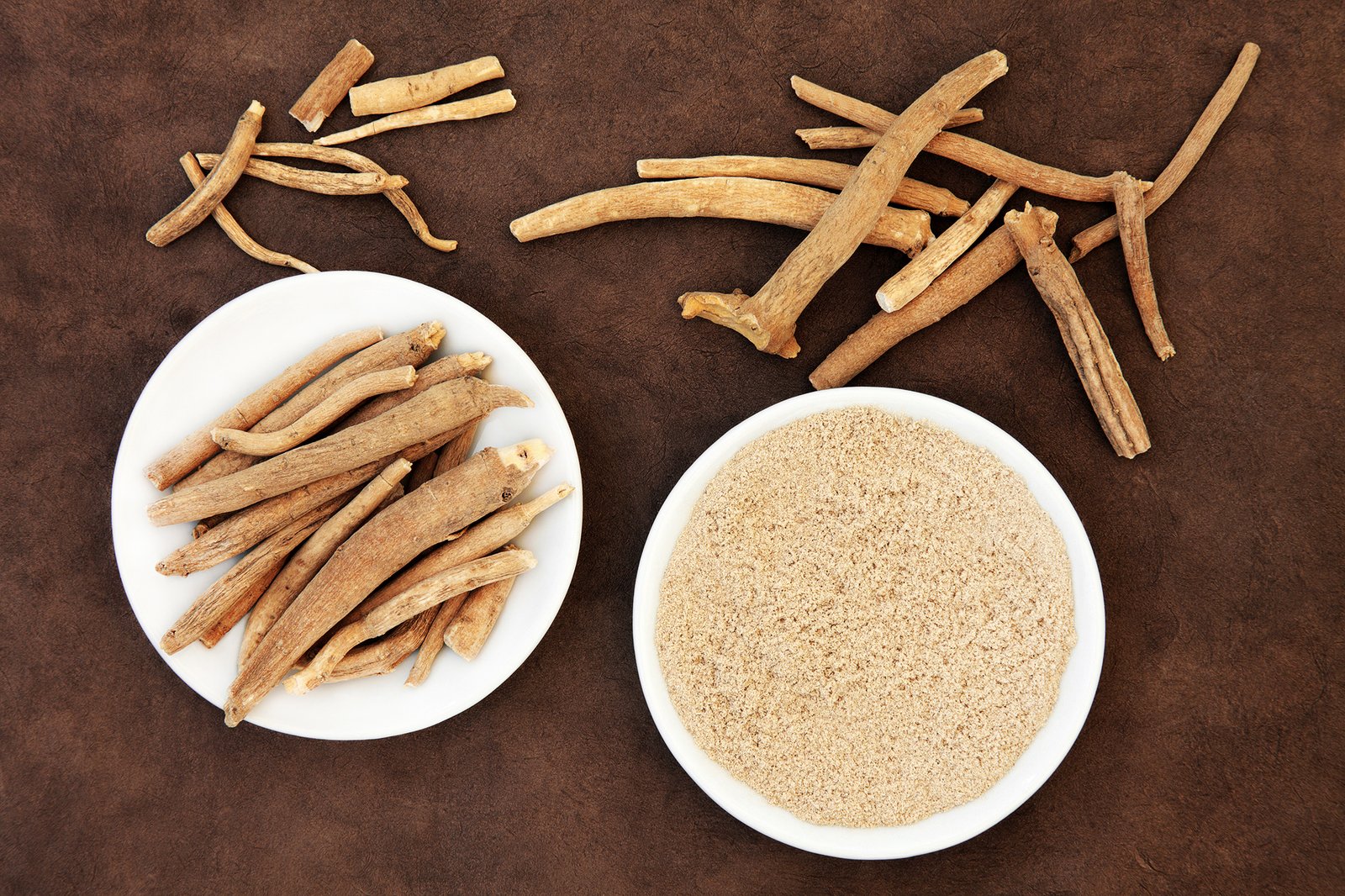
Ashwagandha, also known by its botanical name Withania somnifera, is a revered herb in the ancient Indian system of medicine, Ayurveda. Often termed the “Indian Ginseng” due to its restorative properties, ashwagandha has been used for over 3,000 years to relieve stress, enhance energy levels, and improve concentration. The name ‘ashwagandha’ translates to ‘the smell of a horse’, indicating that the herb imparts the vigor and strength of a stallion. This adaptogenic herb is part of the nightshade family and is characterized by its small, greenish-yellow flowers, red berries, and a distinctive horse-like aroma.

Background

The use of ashwagandha can be traced back to the time of the Rigveda, one of the oldest known texts in human history. It has been a cornerstone in Ayurvedic medicine due to its holistic approach to health and well-being. Traditional practices involve using the root of the plant, which is believed to contain the most potent medicinal qualities. Over the centuries, ashwagandha has been used not only in India but has also gained prominence in various forms of traditional medicine around the world, including African and Middle Eastern healing practices.

In ancient texts and practices, ashwagandha was recommended for a wide range of conditions. It was believed to enhance virility, manage insomnia, treat various skin conditions, and even act as a remedy for arthritis. The herb was also a part of ritualistic practices and was used to enhance meditative and spiritual experiences.


Ashwagandha Indian Ginseng Withania Somnifera

Ashwagandha – Indian Ginseng – Withania Somnifera

This article aims to delve deeply into the multifaceted benefits of ashwagandha. From its adaptogenic properties that help the body manage stress to its potential in boosting cognitive function, the article will explore scientific research and traditional wisdom surrounding this herb. It will also cover the modern applications of ashwagandha in health supplements, its safety profile, and any potential side effects. By combining historical insights with contemporary scientific findings, the article will provide a comprehensive view of how ashwagandha can be integrated into modern wellness practices for improved health and vitality.


Table of Contents

Cultivation of Ashwagandha

Chemical Composition of Ashwagandha

General Health Benefits of Ashwagandha

Stress Management

Support in Depression

Anxiety Management

Improves Cognitive Functions

Anti-Inflammatory Effects

Antioxidant Benefits

Immunity Enhancement

Boosts Energy, Endurance and Physical Performance

Cardiovascular Health Support

Improves Quality of Sleep

Regulates Blood Sugar Levels

Cholesterol Management

Reproductive Health Benefits of Ashwagandha

Improves Sperm Quality

Boosts Testosterone Levels

Promotes Hormonal Balance

Regulates Menstrual Cycle

PCOS Management

Support During Menopause

Male Fertility Enhancement

Female Fertility Support

Supplementation of Ashwagandha

Conclusion


Cultivation of Ashwagandha

Ashwagandha thrives in arid and semi-arid regions, making it well-suited for cultivation in dry climates such as those found in India, the Middle East, and parts of Africa. This hardy shrub prefers well-drained sandy soil and minimal water, resembling conditions that stress the plant, leading to a higher concentration of its active compounds. Cultivation begins with sowing seeds in late spring or early summer when the temperature is around 20°C. Ashwagandha requires little maintenance once established and is harvested approximately 150-180 days after planting, with the roots being the primary focus due to their rich medicinal properties.

Climatic Conditions

Ashwagandha is a resilient plant that can thrive in a variety of conditions, but for optimal growth and medicinal potency, certain climatic conditions are ideal:

  • Temperature: The plant is best suited to warm climates, with an ideal temperature range of 20°C to 35°C. It can tolerate mild frost but prefers consistent warmth for optimal growth.
  • Rainfall: Ashwagandha requires low to moderate rainfall, typically between 500mm and 750mm annually. Excessive moisture can lead to root rot, making well-drained soil essential.
  • Soil Type: Sandy loam soil with good drainage is ideal. The plant thrives in soil with a pH range of 7.5 to 8.0, which is slightly alkaline.
  • Sunlight: Full sunlight is necessary for the plant’s development. It can tolerate partial shade but flourishes best with at least 6-8 hours of direct sunlight daily.
  • Altitude: Ashwagandha can be successfully cultivated up to an altitude of 1500 meters above sea level, showing adaptability to varying elevations.
  • Humidity: Low to moderate humidity levels are conducive to its growth. High humidity can promote fungal diseases, which are detrimental to the plant.

These conditions ensure that ashwagandha grows healthily and produces a high concentration of its active components, which are primarily found in the roots.

Geography

Ashwagandha is cultivated in various regions around the world, particularly where climatic conditions align with its growth requirements. Key regions include:

  • India: The largest producer of ashwagandha, especially in the drier regions such as Rajasthan, Punjab, Gujarat, Maharashtra, and Madhya Pradesh. India’s climate provides the ideal temperature and soil conditions for the plant.
  • Nepal: Utilizes its varied altitudes and climates to grow ashwagandha, especially in less humid areas that provide ample sunlight.
  • Yemen: In the Middle Eastern regions, Yemen’s arid and semi-arid zones are conducive to ashwagandha cultivation due to the low rainfall and high temperatures.
  • Sri Lanka: The drier zones of Sri Lanka support the growth of ashwagandha, where it is cultivated for both local use and export.
  • Africa: Countries like Kenya and South Africa have regions with suitable climates for ashwagandha, primarily in areas with dry weather and sandy soil.

These regions leverage their unique climatic conditions to optimize the growth and medicinal potency of ashwagandha.

(Reference: Source 1, Source 2, Source 3, Source 4, Source 5, Source 6)


Chemical Composition of Ashwagandha

Ashwagandha is known for its rich chemical composition, which contributes to its numerous health benefits. Here is a detailed pointwise analysis of its key constituents, their typical content ratios or percentages, and associated health benefits:

  • Withanolides (0.5% – 1.5%): These are steroidal lactones, including withaferin A and withanolide D. They are primarily responsible for the plant’s anti-inflammatory and antitumor properties. Withanolides also contribute to stress reduction by mimicking the activity of the body’s natural stress-relieving hormones.
  • Alkaloids (0.01% – 0.5%): Including tropine, cuscohygrine, and anahygrine. These compounds have a sedative effect and are known to enhance cognitive functions and aid in combating stress and anxiety.
  • Saponins (3% – 5%): These compounds, including sitoindosides and withanosides, help in boosting the immune system. They also play a role in anti-inflammatory activities and can help in lowering cholesterol levels.
  • Iron (0.1% – 0.2%): Ashwagandha contains a significant amount of iron, which aids in combating anemia and improving red blood cell count. It also supports overall energy levels and metabolic function.
  • Amino Acids (Essential and Non-Essential): Includes glycine, valine, tyrosine, and tryptophan, among others. These amino acids support muscle growth, neurotransmitter production (important for mood regulation), and overall body repair.
  • Flavonoids: These antioxidants help reduce oxidative stress, contributing to cardiovascular health and potentially reducing the risk of chronic diseases. They also support cognitive functions and help in maintaining healthy skin.
  • Fatty Acids (including Omega-3 and Omega-6): These contribute to overall cardiovascular health by reducing inflammation and supporting brain health.
  • Vitamins and Minerals: Ashwagandha contains various vitamins like vitamin C, vitamin A, and minerals like calcium, which contribute to bone health, immune function, and overall well-being.

By harnessing these compounds, ashwagandha offers a holistic approach to health, improving mental clarity, reducing inflammation, and supporting cardiovascular and immune system health. The balanced chemical profile of ashwagandha makes it a versatile herb in both traditional and modern medicinal practices.

(Reference: Source 1, Source 2, Source 3, Source 4, Source 5, Source 6, Source 7, Source 8)


General Health Benefits of Ashwagandha

Ashwagandha, a cornerstone of Ayurvedic medicine, offers a plethora of health benefits, making it a valuable supplement for modern wellness routines. Known for its adaptogenic properties, ashwagandha helps the body manage stress, enhances cognitive functions, and supports emotional well-being by stabilizing mood. It boosts physical performance by improving energy, stamina, and muscle strength. Additionally, ashwagandha contributes to heart health by regulating cholesterol and blood sugar levels. Its impact on reproductive health is also significant, enhancing fertility and hormonal balance in both men and women, showcasing its versatility as a holistic health enhancer.

Stress Management

Ashwagandha is highly regarded for its effectiveness in stress management, largely due to its adaptogenic properties. Adaptogens are substances that help the body adapt to stress and restore physiological balance. Ashwagandha works by regulating the body’s stress response system, particularly the hypothalamic-pituitary-adrenal (HPA) axis, which controls the release of stress hormones like cortisol. By modulating the activity of this axis, ashwagandha can effectively reduce cortisol levels in the body, thereby alleviating stress and its associated symptoms.

Studies have shown that ashwagandha also influences key neurotransmitters in the brain, including GABA and serotonin, which are involved in mood regulation. It enhances the action of GABA, a neurotransmitter that promotes calmness and relaxation, and may increase the availability of serotonin, which improves mood and reduces anxiety. Additionally, the withanolides in ashwagandha exhibit anti-inflammatory and antioxidant properties, helping to protect against cellular damage caused by chronic stress.

Through these mechanisms, ashwagandha not only reduces the physical manifestations of stress, such as fatigue and disturbed sleep, but also improves cognitive functions and mental clarity, making it a comprehensive solution for stress management.

(Reference: Source 1, Source 2, Source 3, Source 4, Source 5, Source 6, Source 7, Source 8)

Support in Depression

Ashwagandha is increasingly recognized for its potential in managing depression. Its mechanism involves several pathways that collectively contribute to its antidepressant effects. Primarily, ashwagandha influences neurotransmitter systems, particularly those involving serotonin and dopamine, which play crucial roles in mood regulation. By modulating these neurotransmitters, ashwagandha can enhance mood and mitigate the symptoms of depression.

Additionally, ashwagandha’s adaptogenic properties help to regulate the stress response system, specifically the hypothalamic-pituitary-adrenal (HPA) axis, which is often dysregulated in depression. By normalizing the levels of cortisol, the stress hormone, ashwagandha reduces the negative impact of stress, which is a common trigger for depressive episodes.

The withanolides present in ashwagandha also exhibit anti-inflammatory and antioxidant properties. Chronic inflammation is increasingly linked to depression, and by reducing inflammatory markers, ashwagandha can alleviate some of the biological contributors to depressive states. Furthermore, its antioxidant action helps protect neurons from oxidative stress, promoting brain health and potentially improving cognitive functions impaired by depression.

Through these combined actions, ashwagandha offers a holistic approach to treating depression, working on both the psychological and physiological levels to improve overall well-being.

(Reference: Source 1, Source 2, Source 3, Source 4, Source 5, Source 6, Source 7)

Anxiety Management

Ashwagandha has shown significant promise in the management of anxiety, functioning through a multifaceted approach. Primarily, it acts as an adaptogen, helping the body adapt to stress and thereby reducing the physiological and psychological effects of anxiety. It modulates the functioning of the hypothalamic-pituitary-adrenal (HPA) axis, which is critical in the body’s stress response, leading to a reduction in cortisol levels, the primary stress hormone.

Further, ashwagandha enhances the action of neurotransmitters that play key roles in mood regulation, such as gamma-aminobutyric acid (GABA). GABA is an inhibitory neurotransmitter that induces relaxation and calmness. By boosting GABA activity, ashwagandha can directly counteract the heightened neuronal activity that characterizes anxiety.

In addition, the withanolides in ashwagandha possess anti-inflammatory and antioxidant properties that protect the nervous system. Chronic inflammation and oxidative stress are often associated with anxiety disorders, and by mitigating these factors, ashwagandha supports overall neural health and resilience.

These combined effects make ashwagandha a comprehensive natural treatment for anxiety, offering relief from symptoms while addressing some of the underlying biological factors that contribute to anxiety disorders.

(Reference: Source 1, Source 2, Source 3, Source 4, Source 5, Source 6, Source 7, Source 8)

Improves Cognitive Functions

Ashwagandha enhances cognitive functions through several mechanisms, making it a valuable supplement for brain health. One of the primary ways it improves cognition is by reducing oxidative stress and inflammation in the brain. The withanolides, active compounds in ashwagandha, exhibit strong antioxidant properties that protect neurons from free radical damage. This protection is crucial for maintaining the integrity of neural structures and enhancing brain function.

Additionally, ashwagandha influences key neurotransmitters that are vital for cognitive processes. It has been shown to support the production and function of acetylcholine, a neurotransmitter essential for memory and learning. By enhancing acetylcholine levels, ashwagandha can improve memory retention and processing speed.

Ashwagandha also helps regulate the stress response by modulating the activity of the hypothalamic-pituitary-adrenal (HPA) axis and lowering cortisol levels. High cortisol can impair cognitive functions, particularly memory and concentration. By controlling cortisol, ashwagandha contributes to better focus and mental clarity.

Furthermore, some studies indicate that ashwagandha can promote neurogenesis—the growth and development of new brain cells—particularly in regions like the hippocampus, which is associated with memory and learning. This neurogenerative capacity further supports cognitive enhancement, especially in aging populations.

(Reference: Source 1, Source 2, Source 3, Source 4, Source 5, Source 6, Source 7, Source 8, Source 9)

Anti-Inflammatory Effects

The anti-inflammatory properties of Ashwagandha are primarily attributed to its bioactive compounds, particularly withanolides. These compounds work by modulating the body’s immune response and reducing the production of pro-inflammatory cytokines, which are signaling proteins that promote inflammation. By inhibiting the activity of these cytokines, ashwagandha effectively reduces inflammation and alleviates related symptoms.

Additionally, withanolides in ashwagandha have been found to suppress the activity of nuclear factor-kappa B (NF-κB), a key protein complex involved in the regulation of immune response and inflammation. This suppression prevents the transcription of genes that lead to inflammation, thereby reducing the overall inflammatory response.

Ashwagandha also enhances the production of antioxidants in the body, such as superoxide dismutase and catalase. These antioxidants neutralize free radicals, which are reactive molecules that can cause oxidative stress and trigger inflammatory processes. By reducing oxidative stress, ashwagandha indirectly mitigates inflammation.

These combined actions make ashwagandha a comprehensive anti-inflammatory agent, helping to manage conditions like arthritis, asthma, and other chronic inflammatory disorders. Its ability to balance the immune system while protecting against cellular damage contributes to its effectiveness in reducing inflammation.

(Reference: Source 1, Source 2, Source 3, Source 4, Source 5, Source 6, Source 7)

Antioxidant Benefits

The antioxidant effects of Ashwagandha are a cornerstone of its health benefits, primarily due to the presence of withanolides, which are naturally occurring steroidal lactones. These compounds enhance the body’s endogenous antioxidant defenses, including enzymes like superoxide dismutase (SOD), catalase, and glutathione peroxidase. By boosting the activity of these enzymes, ashwagandha helps neutralize free radicals and reactive oxygen species (ROS) that cause oxidative stress and cellular damage.

Ashwagandha also increases the levels of glutathione, the body’s master antioxidant. Glutathione plays a crucial role in detoxifying harmful substances and protecting cells from oxidative damage. This is particularly beneficial for maintaining the health of neurons and other cells that are highly susceptible to oxidative stress.

Furthermore, the withanolides in ashwagandha inhibit the oxidative processes by modulating various signaling pathways, including those involving nuclear factor-kappa B (NF-κB). This modulation helps prevent the activation of inflammatory responses that are often associated with increased oxidative stress.

By mitigating oxidative stress, ashwagandha not only helps prevent chronic diseases such as cardiovascular disease, diabetes, and neurodegenerative disorders but also supports overall cellular health and longevity, enhancing the body’s resilience against environmental and metabolic stressors.

(Reference: Source 1, Source 2, Source 3, Source 4, Source 5, Source 6, Source 7, Source 8, Source 9)

Immunity Enhancement

Ashwagandha enhances immunity through multiple mechanisms, making it a powerful immunomodulator. One key aspect is its ability to increase the production and activity of white blood cells, particularly natural killer (NK) cells. These cells play a crucial role in the body’s first line of defense by identifying and eliminating infected or malignant cells. By boosting NK cell activity, ashwagandha strengthens the body’s innate immune response.

Additionally, ashwagandha promotes the production of cytokines, which are signaling proteins that mediate and regulate immunity, inflammation, and hematopoiesis. It particularly increases the levels of Th1 cytokines, which are essential for the immune response against pathogens and help in the activation of macrophages and other immune cells.

The withanolides in ashwagandha also have anti-inflammatory properties, which are beneficial for the immune system. By reducing chronic inflammation, ashwagandha prevents the immune system from becoming overactive, which can lead to autoimmune disorders and allergies.

Moreover, ashwagandha’s adaptogenic properties help regulate the hypothalamic-pituitary-adrenal (HPA) axis and lower cortisol levels. High cortisol can suppress immune function, so by controlling stress and cortisol, ashwagandha contributes to a more balanced and effective immune response.

(Reference: Source 1, Source 2, Source 3, Source 4, Source 5, Source 6, Source 7, Source 8, Source 9, Source 10)

Boosts Energy, Endurance and Physical Performance

Ashwagandha is renowned for its ability to boost energy, stamina, endurance, and overall physical performance. This adaptogenic herb works through a variety of mechanisms to enhance these aspects of health.

Firstly, ashwagandha significantly impacts energy levels by regulating the body’s stress response. It modulates the hypothalamic-pituitary-adrenal (HPA) axis, reducing cortisol levels, which are elevated during stress. High cortisol can lead to fatigue and reduced energy. By normalizing cortisol, ashwagandha helps maintain steady energy levels and reduces the physical and mental fatigue associated with stress.

Additionally, ashwagandha enhances mitochondrial function, which is crucial for energy production. It increases the activity of enzymes involved in the mitochondrial electron transport chain, boosting ATP production—the primary energy currency of the cell. This increase in ATP availability directly translates into improved energy levels, allowing for enhanced physical performance and endurance.

The herb also has a positive effect on muscle strength and recovery. Studies have shown that ashwagandha supplementation can lead to significant increases in muscle mass and strength. It achieves this by promoting anabolic processes and reducing the levels of muscle damage markers after exercise. This not only aids in faster recovery but also enhances muscle adaptability to physical stress, improving overall physical performance.

Ashwagandha is also known to improve cardiovascular endurance by enhancing heart function and oxygen utilization during exercise. It increases the body’s capacity to consume oxygen (VO2 max), which is a key indicator of aerobic endurance and overall fitness. This effect allows athletes and physically active individuals to perform strenuous activities for longer periods without fatigue.

Moreover, ashwagandha’s anti-inflammatory and antioxidant properties contribute to its performance-enhancing effects. By reducing inflammation and oxidative stress in the body, it helps protect muscles and other tissues from damage during intense physical activities. This not only aids in better performance but also ensures quicker recovery from exercise-induced stress.

In summary, ashwagandha improves physical performance by balancing stress hormones, enhancing energy production at the cellular level, promoting muscle growth and recovery, improving cardiovascular endurance, and protecting against inflammation and oxidative stress. These multifaceted actions make it a valuable supplement for anyone looking to enhance their physical capabilities and overall vitality.

(Reference: Source 1, Source 2, Source 3, Source 4, Source 5, Source 6, Source 7)

Cardiovascular Health Support

Ashwagandha supports heart health through several mechanisms, based on findings from scientific research. One primary way it aids cardiovascular health is by reducing stress and anxiety, which are known risk factors for heart diseases. By modulating the hypothalamic-pituitary-adrenal (HPA) axis and lowering cortisol levels, ashwagandha helps alleviate the physical effects of stress on the heart, including high blood pressure and heart rate.

Additionally, ashwagandha has direct effects on lipid metabolism. It has been shown to lower levels of LDL cholesterol and triglycerides, which are key contributors to the development of atherosclerosis and other cardiovascular diseases. At the same time, it may improve the levels of HDL cholesterol, known as “good” cholesterol, thereby promoting a healthier lipid profile.

Ashwagandha also possesses anti-inflammatory properties, which are beneficial for heart health. Chronic inflammation is a significant factor in the progression of cardiovascular diseases. By reducing inflammatory markers like C-reactive protein (CRP), ashwagandha helps protect the heart and blood vessels from damage.

Furthermore, the antioxidant effects of ashwagandha protect cardiac cells from oxidative stress, which can lead to heart tissue damage and impair heart function. These combined actions make ashwagandha a supportive herb for maintaining and improving overall heart health.

(Reference: Source 1, Source 2, Source 3, Source 4, Source 5, Source 6)

Improves Quality of Sleep

Ashwagandha supports sleep through several physiological mechanisms, making it an effective natural remedy for insomnia and other sleep disorders. One key way it promotes restful sleep is by acting on the central nervous system to induce a state of relaxation. It enhances the activity of gamma-aminobutyric acid (GABA), an inhibitory neurotransmitter that reduces neuronal excitability throughout the nervous system, thereby calming the mind and easing the transition into sleep.

The adaptogenic properties of ashwagandha also contribute to improved sleep by regulating the stress response. By modulating the hypothalamic-pituitary-adrenal (HPA) axis and lowering cortisol levels, ashwagandha reduces the physiological impact of stress, which is often a significant barrier to restful sleep. Lower stress levels lead to better sleep quality and duration.

Additionally, ashwagandha’s anti-inflammatory and antioxidant effects play a role in sleep enhancement. Chronic inflammation and oxidative stress can disrupt sleep patterns and decrease sleep quality. By mitigating these factors, ashwagandha helps improve overall sleep health.

Research has shown that regular supplementation with ashwagandha can significantly improve sleep parameters, including total sleep time, sleep efficiency, and onset latency, helping individuals fall asleep faster and sleep more deeply.

(Reference: Source 1, Source 2, Source 3, Source 4, Source 5, Source 6, Source 7, Source 8)

Regulates Blood Sugar Levels

Ashwagandha has demonstrated potential in regulating blood sugar levels through various mechanisms. Primarily, it influences the metabolism of glucose and improves insulin sensitivity. Ashwagandha enhances the secretion of insulin from pancreatic beta cells and improves the muscle cells’ ability to utilize glucose. This dual action helps lower blood glucose levels effectively.

Additionally, the bioactive compounds in ashwagandha, particularly withanolides, have been found to reduce the breakdown of starch into glucose, which in turn prevents sharp spikes in blood sugar levels after meals. This is particularly beneficial for managing postprandial (after-meal) blood glucose levels.

Ashwagandha also contributes to better glycemic control by reducing oxidative stress and inflammation, both of which are known to impair insulin action and glucose metabolism. By mitigating these factors, ashwagandha supports the overall functioning of insulin and enhances the body’s response to this hormone.

Research indicates that regular supplementation with ashwagandha can lead to significant improvements in fasting blood sugar levels and glycated hemoglobin (HbA1c) levels, markers that are critical for the long-term management of diabetes and metabolic health.

(Reference: Source 1, Source 2, Source 3, Source 4, Source 5, Source 6)

Cholesterol Management

Ashwagandha plays a significant role in managing cholesterol levels, contributing to cardiovascular health through various mechanisms. This adaptogenic herb is known for its ability to modulate lipid metabolism, an essential factor in controlling cholesterol.

One primary way ashwagandha aids in cholesterol management is by influencing liver function. The liver is crucial for cholesterol production and metabolism. Ashwagandha stimulates the liver to enhance the breakdown and removal of low-density lipoprotein (LDL) cholesterol, often referred to as “bad” cholesterol. By promoting the hepatic metabolism of cholesterol into bile acids, ashwagandha helps reduce overall cholesterol levels in the bloodstream.

Moreover, ashwagandha’s antioxidant properties are vital in this process. Oxidative stress can lead to the oxidation of LDL particles, a key step in the development of atherosclerosis, where plaques form in arteries. The withanolides in ashwagandha provide antioxidant protection, preventing the oxidation of LDL and thus reducing the risk of plaque formation and associated cardiovascular diseases.

Ashwagandha also impacts lipid profiles by potentially increasing high-density lipoprotein (HDL) cholesterol, known as “good” cholesterol. HDL plays a protective role by transporting cholesterol from the arteries to the liver for excretion. Studies have shown that ashwagandha can elevate HDL levels, thereby improving the overall cholesterol ratio and enhancing heart health.

Additionally, the herb’s anti-inflammatory effects contribute to better lipid management. Inflammation is a known factor in the development of cardiovascular diseases, and by reducing systemic inflammation, ashwagandha indirectly helps stabilize cholesterol levels and prevent complications.

Furthermore, ashwagandha helps regulate the stress response, which is indirectly linked to cholesterol management. High stress levels can lead to hormonal imbalances that increase cholesterol production. By moderating cortisol levels and the stress response, ashwagandha helps maintain a more balanced cholesterol production in the body.

Through these combined actions—enhancing liver function, providing antioxidant protection, improving HDL levels, reducing inflammation, and regulating stress response—ashwagandha supports the effective management of cholesterol levels, contributing to overall cardiovascular health and reducing the risk of heart disease.

(Reference: Source 1, Source 2, Source 3, Source 4, Source 5, Source 6)

In conclusion, Ashwagandha stands out as a versatile herb with a wide array of health benefits. Its adaptogenic qualities make it essential for stress management and emotional stability, while its ability to enhance cognitive functions and physical performance adds to its appeal. Ashwagandha also plays a vital role in cardiovascular and metabolic health by regulating cholesterol and blood sugar levels. Furthermore, its contributions to reproductive health, including improved fertility and hormonal balance, underscore its significance in holistic wellness. Embracing ashwagandha can lead to improved overall well-being, making it a valuable addition to health regimens.


Reproductive Health Benefits of Ashwagandha

Ashwagandha is highly regarded for its significant contributions to reproductive health. This adaptogenic herb enhances male fertility by improving sperm quality and boosting testosterone levels, while in women, it aids in regulating menstrual cycles and supporting hormonal balance, particularly beneficial for conditions like PCOS and menopause. By reducing stress and balancing hormone levels, ashwagandha creates a favorable environment for reproductive function. Its antioxidant and anti-inflammatory properties further protect reproductive tissues, making ashwagandha a key natural supplement for enhancing fertility and overall reproductive wellness in both men and women.

Improves Sperm Quality

Ashwagandha has been shown to significantly improve sperm quality through several mechanisms, making it a beneficial supplement for male fertility. This herb enhances various aspects of sperm health, including concentration, motility, morphology, and overall vitality.

One of the primary ways ashwagandha improves sperm quality is by reducing oxidative stress in the reproductive system. Oxidative stress can damage sperm DNA, reduce sperm motility, and impair overall sperm function. The antioxidant properties of ashwagandha, mainly attributed to its withanolide content, protect sperm from oxidative damage by neutralizing free radicals and reducing lipid peroxidation in sperm cells. This protection helps maintain the integrity of sperm DNA and enhances sperm viability.

Ashwagandha also influences hormonal balance, which is crucial for sperm production. It increases the production of luteinizing hormone (LH) and, subsequently, testosterone levels in men. Testosterone is essential for spermatogenesis, the process of sperm production. By boosting testosterone levels, ashwagandha supports the growth and development of healthy sperm.

Additionally, the adaptogenic nature of ashwagandha plays a significant role in improving sperm quality. Stress can negatively impact sperm production and quality by affecting the hypothalamic-pituitary-gonadal (HPG) axis. Ashwagandha helps regulate the stress response, lowering cortisol levels, and stabilizing the HPG axis. This leads to improved hormonal balance and better support for sperm health.

Ashwagandha’s anti-inflammatory properties further contribute to its positive effects on sperm quality. Inflammation can interfere with the reproductive tract and harm sperm health. By reducing inflammation, ashwagandha helps create a more favorable environment for sperm development and function.

Research has shown that regular supplementation with ashwagandha can lead to significant improvements in sperm parameters, including an increase in sperm count, enhancement of sperm motility, and improvement in sperm morphology. These changes are often accompanied by increased semen volume and enhanced libido, further supporting reproductive health.

In summary, ashwagandha improves sperm quality by protecting against oxidative stress, boosting testosterone production, regulating the stress response, and reducing inflammation. These combined actions make it a valuable natural treatment for enhancing male fertility and overall reproductive health.

(Reference: Source 1, Source 2, Source 3, Source 4, Source 5, Source 6, Source 7, Source 8, Source 9)

Boosts Testosterone Levels

Ashwagandha is known to boost testosterone levels through multiple mechanisms. This adaptogenic herb primarily influences the hypothalamic-pituitary-gonadal (HPG) axis, which is crucial for hormonal balance and the regulation of testosterone production. By enhancing the signaling within this axis, ashwagandha stimulates the production of luteinizing hormone (LH), which in turn prompts the Leydig cells in the testes to produce more testosterone.

Additionally, ashwagandha’s adaptogenic properties help reduce stress and cortisol levels. Elevated cortisol is known to negatively impact testosterone levels by inhibiting the release of gonadotropin-releasing hormone (GnRH) and subsequently LH and follicle-stimulating hormone (FSH). By mitigating stress and lowering cortisol, ashwagandha indirectly supports the natural production of testosterone.

The antioxidant effects of ashwagandha also contribute to its ability to boost testosterone. Oxidative stress can impair testicular function and testosterone synthesis. The withanolides in ashwagandha protect the testicular cells from oxidative damage, ensuring optimal function and hormone production.

Research has demonstrated that men who supplement with ashwagandha experience significant increases in testosterone levels, along with improvements in sperm quality and fertility. This makes ashwagandha a valuable supplement for enhancing male reproductive health and overall vitality.

(Reference: Source 1, Source 2, Source 3, Source 4, Source 5, Source 6, Source 7, Source 8)

Promotes Hormonal Balance

Ashwagandha promotes hormonal balance through several key mechanisms. It acts primarily on the hypothalamic-pituitary-adrenal (HPA) axis, which is central to regulating the body’s response to stress and balancing various hormones. By modulating the activity of this axis, ashwagandha helps stabilize cortisol levels, reducing the negative effects of stress on the endocrine system and preventing the disruption of other hormonal processes.

The herb also impacts the hypothalamic-pituitary-gonadal (HPG) axis, enhancing the production of luteinizing hormone (LH) and follicle-stimulating hormone (FSH), which are crucial for the regulation of testosterone in men and estrogen and progesterone in women. This action helps correct imbalances that can affect reproductive health and overall well-being.

In addition, ashwagandha’s adaptogenic properties contribute to its effectiveness in hormonal regulation. By helping the body adapt to stress and reducing oxidative stress with its antioxidant capabilities, ashwagandha ensures that the production and regulation of hormones remain uninterrupted and balanced.

Studies have shown that regular supplementation with ashwagandha can lead to improved levels of various hormones, supporting better sexual health, mood stability, and even metabolic functions, highlighting its comprehensive role in maintaining hormonal equilibrium.

(Reference: Source 1, Source 2, Source 3, Source 4, Source 5, Source 6, Source 7, Source 8, Source 9, Source 10, Source 11)

Regulates Menstrual Cycle

Ashwagandha helps regulate menstrual cycles primarily by influencing hormonal balance and reducing stress. Its adaptogenic properties enable it to modulate the hypothalamic-pituitary-ovarian (HPO) axis, which is crucial for the regularity of the menstrual cycle. By supporting this axis, ashwagandha helps ensure the timely release of gonadotropin-releasing hormone (GnRH), which in turn regulates the production of luteinizing hormone (LH) and follicle-stimulating hormone (FSH). These hormones are key in triggering ovulation and managing the menstrual cycle.

Additionally, ashwagandha’s ability to reduce cortisol levels plays a significant role in menstrual regulation. High stress and cortisol can disrupt the HPO axis and lead to irregularities in the menstrual cycle, such as delayed or missed periods. By lowering stress and cortisol, ashwagandha contributes to a more balanced hormonal environment, promoting regular cycles.

Furthermore, the anti-inflammatory and antioxidant effects of ashwagandha help alleviate common menstrual issues like pain and bloating, enhancing overall reproductive health. Research indicates that women who use ashwagandha experience improvements in cycle regularity and reduced symptoms of menstrual distress, making it a supportive natural treatment for managing menstrual health.

(Reference: Source 1, Source 2, Source 3, Source 4)

PCOS Management

Ashwagandha provides support for Polycystic Ovary Syndrome (PCOS) through multiple mechanisms that address the root causes and symptoms of this complex condition. Firstly, its adaptogenic properties help regulate the hypothalamic-pituitary-ovarian (HPO) axis, which is often disrupted in PCOS. By stabilizing this axis, ashwagandha aids in normalizing the release of gonadotropins, thereby improving ovarian function and potentially reducing the formation of cysts.

Ashwagandha also contributes to the regulation of insulin levels, a key concern in PCOS where insulin resistance is prevalent. By enhancing insulin sensitivity and glucose metabolism, ashwagandha can help manage blood sugar levels and reduce the hyperinsulinemia that exacerbates hormonal imbalances and symptoms of PCOS.

The herb’s anti-inflammatory and antioxidant effects further support women with PCOS. Chronic inflammation and oxidative stress are common in PCOS and contribute to its pathophysiology. Ashwagandha reduces these factors, helping to alleviate symptoms like acne, hair loss, and weight gain, thereby enhancing overall reproductive health and quality of life for women with PCOS.

(Reference: Source 1, Source 2, Source 3, Source 4)

Support During Menopause

Ashwagandha offers significant support during menopause by addressing various symptoms associated with this transitional phase in women’s lives. Its adaptogenic properties help modulate the body’s stress response, which is particularly beneficial as fluctuating hormone levels during menopause can increase stress and anxiety. By reducing cortisol levels and stabilizing mood, ashwagandha helps alleviate emotional disturbances like mood swings and depression, common in menopause.

The herb also impacts the endocrine system, aiding in the balance of hormones that are often erratic during menopause. While it does not replace hormones, ashwagandha helps enhance the body’s ability to cope with hormonal imbalances, leading to fewer hot flashes, night sweats, and sleep disturbances.

Ashwagandha’s anti-inflammatory and antioxidant properties are crucial in countering the increased risk of chronic conditions post-menopause, such as osteoporosis and cardiovascular disease. By reducing inflammation and oxidative stress, it supports overall health and can mitigate some long-term risks associated with decreased estrogen levels.

Furthermore, ashwagandha has been shown to improve sleep quality, which is often poor during menopause. By promoting deeper and more restful sleep, it helps combat fatigue and enhances overall well-being during this challenging period.

(Reference: Source 1, Source 2, Source 3, Source 4, Source 5, Source 6, Source 7)

Male Fertility Enhancement

Ashwagandha has shown promising results in supporting male fertility through multiple mechanisms. One significant way it enhances fertility is by improving sperm quality. Studies have found that ashwagandha can increase sperm count, motility, and morphology, which are crucial factors for successful conception. This improvement is partly due to the herb’s antioxidant properties, which protect sperm from oxidative stress and DNA damage, leading to healthier sperm cells.

Additionally, ashwagandha boosts testosterone levels, a key hormone in male reproductive health. Increased testosterone enhances libido and sexual function, which can further aid in fertility. This hormonal effect is linked to the regulation of the hypothalamic-pituitary-gonadal (HPG) axis by ashwagandha, which ensures the proper production and release of hormones necessary for sperm production and overall reproductive health.

The adaptogenic qualities of ashwagandha also play a role by reducing stress and cortisol levels. High stress is associated with decreased libido and fertility. By mitigating stress and its physiological impacts, ashwagandha helps create a more favorable environment for reproductive health.

These combined actions make ashwagandha a beneficial natural supplement for men looking to improve their fertility and overall reproductive function.

(Reference: Source 1, Source 2, Source 3, Source 4, Source 5, Source 6, Source 7, Source 8, Source 9)

Female Fertility Support

Ashwagandha supports female fertility through various pathways that enhance reproductive health. It primarily helps by regulating the endocrine system, which is crucial for maintaining hormonal balance. Ashwagandha modulates the hypothalamic-pituitary-ovarian (HPO) axis, leading to more stable production and release of hormones like luteinizing hormone (LH) and follicle-stimulating hormone (FSH). This regulation can help normalize menstrual cycles and improve ovulation, which are key factors in fertility.

The herb’s adaptogenic properties are also vital for reducing stress and cortisol levels, which can significantly impact fertility. Elevated stress can disrupt hormonal balance and ovulation. By lowering stress and balancing cortisol, ashwagandha creates a healthier environment for conception.

Additionally, ashwagandha’s antioxidant and anti-inflammatory effects support reproductive health by protecting the ovaries and reproductive tissues from oxidative stress and inflammation, which can affect egg quality and overall fertility.

Research indicates that women who supplement with ashwagandha experience improvements in reproductive hormone levels and increased chances of conception, making it a supportive natural treatment for enhancing female fertility and overall reproductive wellness.

(Reference: Source 1, Source 2, Source 3, Source 4)

In summary, ashwagandha provides robust support for reproductive health, addressing key challenges in both male and female fertility. For men, it enhances sperm quality and boosts testosterone, thereby improving overall reproductive potential. For women, it aids in regulating menstrual cycles, managing symptoms of PCOS, and easing transitions through menopause. By mitigating stress and fostering hormonal balance, ashwagandha ensures a healthier reproductive environment. Its antioxidant and anti-inflammatory effects also safeguard reproductive tissues. This comprehensive support makes ashwagandha a valuable ally in the quest for reproductive health and vitality.


Supplementation of Ashwagandha

Ashwagandha is widely used for its numerous health benefits, but like all supplements, it must be taken with consideration for dosage, potential side effects, and safety. Here’s a detailed overview:

Safe Supplementation of Ashwagandha

  • Source and Quality: Ensure the ashwagandha supplement is from a reputable source and tested for purity. High-quality supplements are free from contaminants like heavy metals or adulterants, which can significantly impact safety and efficacy.
  • Standardized Extracts: Using standardized extracts, especially those standardized to withanolide content, helps maintain consistency in dosing and therapeutic effects.
  • Personal Health Conditions: Individuals with certain health conditions like autoimmune diseases, thyroid disorders, or those on medication for blood pressure or blood sugar should consult a healthcare provider before starting ashwagandha due to potential interactions or exacerbation of symptoms.

Recommended Dosage

  • General Health: For general health and stress reduction, dosages typically range from 300 to 500 mg of a root extract, taken twice daily.
  • Specific Conditions: Higher dosages may be used under medical supervision for specific conditions, such as fertility issues or severe stress, where dosages can go up to 600-1200 mg per day.
  • Duration: Most studies evaluate the effects of ashwagandha over several weeks to a few months. Continuous long-term use should be monitored by a healthcare professional.

Side Effects

  • Gastrointestinal Issues: Some people may experience mild to moderate gastrointestinal issues such as diarrhea, upset stomach, or nausea, especially at higher doses.
  • Sedation: Due to its calming effects, ashwagandha might cause drowsiness or sedation, particularly in combination with other sedative medications or supplements.
  • Allergic Reactions: Rarely, individuals may have allergic reactions to ashwagandha, presenting as skin rashes, itching, or respiratory issues.

Safety Considerations

  • Pregnancy and Breastfeeding: Ashwagandha is not recommended during pregnancy due to potential risks to the fetus. The safety during breastfeeding is not well-established, so avoidance is generally advised.
  • Interactions with Medications: Ashwagandha can interact with certain medications, including those for blood pressure, diabetes, thyroid disorders, and immunosuppressants. It’s essential to consult a healthcare provider before combining it with such medications.
  • Surgery: Due to its impact on the central nervous system and potential to slow down the central nervous system, it is recommended to discontinue ashwagandha at least two weeks before scheduled surgery to avoid interactions with anesthesia.

By adhering to these guidelines, individuals can safely incorporate ashwagandha into their regimen to benefit from its various health-promoting properties.

(Reference: Source 1, Source 2, Source 3, Source 4, Source 5, Source 6, Source 7, Source 8, Source 9, Source 10, Source 11)


Conclusion

Ashwagandha, a revered herb in traditional medicine, particularly Ayurveda, has demonstrated extensive health benefits supported by modern scientific research. Renowned for its adaptogenic properties, ashwagandha effectively helps the body manage stress, balance hormones, and improve overall well-being. It has shown promise in enhancing cognitive functions, boosting mood, and improving sleep quality, making it an invaluable supplement for mental health. Physically, ashwagandha supports heart health by regulating cholesterol and blood sugar levels and contributes to increased energy, stamina, and physical performance.

In the realm of reproductive health, ashwagandha’s role is noteworthy. It enhances male fertility by improving sperm quality and boosting testosterone levels, while in women, it supports menstrual regulation and aids in managing conditions like PCOS and menopause. However, while ashwagandha offers numerous benefits, it is essential to approach its supplementation carefully, considering dosage, potential side effects, and interactions with other medications. By ensuring quality and adhering to recommended dosages, individuals can safely harness the full potential of this powerful herb to enhance their health and vitality.


Disclaimer: All content within this article is provided for general information only, and should not be treated as a substitute for the medical advice of your own doctor or any other health care professional. The Vedasmi is not responsible or liable for any diagnosis made by a user based on the content of this site. The Vedasmi is not liable for the contents of any external internet sites listed, nor does it endorse any commercial product or service mentioned or advised on any of the sites. Always consult your own GP if you’re in any way concerned about your health.

This work has been developed through a human-AI collaborative process. The initial concept, thematic direction, and core ideas originated from the author’s independent research and creative inquiry. Artificial intelligence (AI) tools were utilized as research assistants to synthesize publicly available information, organize theoretical frameworks, and assist in the articulation of arguments. As part of a responsible AI-assisted writing process, efforts were made to cross-check concepts against established psychological, philosophical, and scientific literature.


Posted by Vedasmi Herbals in Ashwagandha, Ayurveda, Herbs
Cardamom: The Spice of Well-being

Cardamom: The Spice of Well-being

Cardamom, often referred to as the “queen of spices”, has been embraced for millennia by traditional medicinal systems like Ayurveda for its therapeutic properties. In the ancient spice routes of the world, hailing from the verdant landscapes of South Asia, a green or sometimes black pod stood out not only for its aromatic flavor but also for its myriad health benefits. Beyond its delightful culinary applications, from fragrant biryanis to the comforting Swedish kardemummabullar, cardamom’s health benefits are beginning to capture the attention of modern science.

Research has started to unearth the compounds within these small pods that hold promise for human health. Rich in essential oils, flavonoids, and other bioactive compounds, cardamom has been studied for its potential anti-inflammatory, antioxidant, and digestive benefits. But the story doesn’t end there. The spice’s holistic impact extends from the improvement of oral health to potential protective effects against chronic diseases.

As we delve deeper into this article, we will journey through the multifaceted health benefits of cardamom, grounded in both ancient wisdom and contemporary research. This enchanting spice, once treasured by kings and traders alike, is proving to be more than just a sensory delight. It offers a realm of health benefits that remind us that sometimes, nature’s most potent medicines are hidden in its most subtle flavors. Welcome to the world of cardamom – where culinary pleasure meets medicinal prowess.


Table of Contents

Cultivation

Chemical Composition

General Health Benefits of Cardamom

Digestive Aid

Antioxidant Properties

Anti-inflammatory

Diuretic Properties

Oral Health Benefits

Anti-cancer Potential

Reproductive Health Benefits of Cardamom for Men

Aphrodisiac Properties

Improvement in Erectile Function

Sperm Health

Testosterone Levels

Reproductive Health Benefits of Cardamom for Women

Menstrual Health

Mood Elevation

Libido Boost

Antimicrobial Properties

Supplementation

Conclusion


Cultivation

Cardamom cultivation is an intricate dance of nature, demanding precise conditions for optimum growth. Indigenous to the wet, tropical forests of South Asia, this perennial herb thrives in humid, shade-covered terrains at elevations between 600 to 1500 meters. The plant, characterized by its tall green stalks and vibrant pods, prefers well-drained, rich soils. Small white flowers bloom into the signature aromatic pods, either green or black, depending on the variety. The delicate nature of the plant mandates protection from direct sunlight and wind. Consequently, intercropping with taller trees or plants is a common practice, ensuring the cardamom plants remain sheltered and nourished.

Cardamom Health Benefits

“Cardamom’s multifaceted benefits have been deeply rooted in traditional healing practices.”

Climatic Conditions

Cardamom, primarily grown in the tropics, thrives under specific climatic conditions:

  • Temperature: Cardamom prefers a moderately warm climate. The ideal temperature range for its growth is between 10°C to 35°C. Temperatures below 10°C or above 35°C can be detrimental to the plant.
  • Rainfall: Cardamom requires abundant rainfall, preferably between 1500 mm to 4000 mm annually. However, it’s essential that the rain is well-distributed throughout the year. The plant doesn’t tolerate water-logging, so well-drained soils are crucial.
  • Humidity: High relative humidity ranging from 70% to 90% is beneficial for cardamom.
  • Altitude: It grows best at elevations ranging from 600 to 1500 meters above sea level.
  • Light: Cardamom plants need diffused sunlight, which is why they are often grown under a canopy of taller trees or with shade nets in cultivation areas.

(Source: K. P. Prabhakaran Nair, 2006)

Geography

Cardamom, with its distinct aroma and flavor, is grown in several regions around the world, with certain countries being major producers. Here are the primary cardamom-growing regions:

  • India: Especially in the southern states of Kerala, Karnataka, and Tamil Nadu. India has traditionally been the world’s largest producer and exporter of cardamom.
  • Guatemala: In the late 20th century, Guatemala emerged as a significant cardamom producer and has since become the world’s largest exporter of the spice.
  • Sri Lanka: The island nation produces its unique variety of cardamom which is valued for its distinct flavor profile.
  • Nepal: Cardamom is cultivated in the eastern hilly regions of the country.
  • Tanzania: While not as prominent as India or Guatemala in production volumes, Tanzania is a noteworthy producer in East Africa.
  • Bhutan: The spice is grown in the southern regions of the country.
  • Vietnam, Laos, and Thailand: These countries also grow cardamom, particularly the black cardamom variety.

(Source: Chemistry of Spices by V. A. Parthasarathy et al., 2008)


Chemical Composition

Cardamom is a complex spice with a plethora of bioactive compounds contributing to its aroma, flavor, and therapeutic properties. Here are some primary constituents of cardamom, their approximate ratio/percentage, and associated health benefits:

  • Essential Oils (2-8%): This encompasses a variety of compounds, each imparting a unique aspect of cardamom’s aroma and health benefits.
    • 1,8-cineole (20-50%): Often associated with anti-inflammatory and expectorant properties.
    • α-terpinyl acetate (30-40%): Provides a sweet, pleasant aroma and contributes to cardamom’s antioxidant activity.
    • Limonene, linalool, and myrcene: These compounds exhibit varying degrees of anti-inflammatory, antioxidant, and antimicrobial activity.
  • Flavonoids: Compounds with strong antioxidant properties that may help combat oxidative stress in the body.
  • Alkaloids: These compounds have been linked to various therapeutic properties, including antispasmodic and anti-asthmatic effects.
  • Tannins: Possess anti-inflammatory and antioxidant properties and can aid in digestion.
  • Terpenes: Offer anti-inflammatory and analgesic properties. They may also have potential anti-cancer effects.
  • Sterols: These compounds have been studied for potential anti-inflammatory and cholesterol-lowering effects.
  • Minerals: Cardamom contains essential minerals like potassium, calcium, and magnesium, which play vital roles in maintaining heart health, bone density, and muscle function.
  • Vitamins: Notably vitamin C, which has antioxidant properties and is essential for skin health and immune function.
  • Dietary Fiber: Aids in digestion and can help maintain healthy cholesterol levels.

(Source: Chemistry of Spices by V. A. Parthasarathy et al., 2008)


General Health Benefits of Cardamom

Cardamom, a prized spice in ancient medicinal systems, is gaining contemporary recognition for its health benefits. Here are some general health advantages and explanations for each:

Digestive Aid

Cardamom plays a pivotal role in enhancing digestive health. Its carminative properties help alleviate symptoms like bloating, gas, and indigestion. The active compounds in cardamom stimulate the secretion of digestive enzymes, ensuring efficient breakdown and assimilation of nutrients. Moreover, its essential oils, especially 1,8-cineole, exert antispasmodic effects, aiding in the relaxation of intestinal muscles and thus facilitating smoother digestion. Furthermore, traditional medicinal systems often turn to cardamom as a remedy for stomach ulcers due to its potential mucoprotective effects (Ya-Ling Huang et al., 2007, Rocha Caldas G. F. et al., 2015).

Antioxidant Properties of Cardamom

Cardamom is also a potent reservoir of antioxidants. These antioxidants play a critical role in counteracting oxidative stress by neutralizing free radicals, thus protecting cells from damage and preventing a range of chronic diseases. The essential oils and phenolic compounds in cardamom, particularly 1,8-cineole, are responsible for its antioxidative prowess. Regular incorporation of cardamom in diets not only enhances culinary experiences but also bolsters the body’s defense mechanisms against oxidative threats, making it a staple in both kitchens and traditional medicinal practices (Kandikattu H. K. et al., 2017).

Anti-inflammatory Benefits of Cardamom

Cardamom is also known for its anti-inflammatory effects. Chronic inflammation is a precursor to numerous health concerns, and the bioactive compounds in cardamom offer a natural means to combat it. Specifically, certain essential oils and phytonutrients in the spice work at the cellular level to reduce inflammation, thus potentially aiding in the prevention and alleviation of inflammation-associated disorders. Research continues to illuminate cardamom’s promising role in this realm (Kandikattu H. K. et al., 2017).

Diuretic Properties of Cardamom

Cardamom possesses significant diuretic properties. A diuretic aids the body in expelling excess water and salts, thereby promoting urine production. This function can be especially beneficial for individuals with high blood pressure or those aiming to detoxify their system. The increased urine output not only helps regulate blood pressure but also aids in flushing out toxins, potentially supporting kidney function. Cardamom’s role as a natural diuretic complements its array of other health benefits, making it an invaluable addition to various traditional medicinal systems (Gilani A. H. et al., 2008).

Oral Health Benefits of Cardamom

Cardamom also offers notable benefits for oral health. Traditionally chewed as a natural breath freshener, cardamom’s antibacterial properties are believed to target oral pathogens, reducing the potential for cavities and gum diseases. Its essential oils combat the microbes responsible for bad breath, offering a dual benefit of enhanced oral hygiene and fresher breath. Moreover, the spice might possess mild analgesic properties, potentially alleviating toothache. With its multifaceted oral health advantages, cardamom serves both as a flavorful spice and a natural dental ally (KR Aneja et al., 2009).

Anti-cancer Potential of Cardamom

Cardamom, often prized for its captivating aroma in culinary circles, is also gaining attention for its potential anti-cancer properties. Preliminary research suggests that compounds within cardamom can inhibit the growth and spread of cancer cells. These bioactive compounds, including certain terpenes and flavonoids, may induce apoptosis (programmed cell death) in tumor cells and restrict their proliferation. While the full scope of cardamom’s anti-cancer potential is still under exploration, these initial findings offer hope for its inclusion in integrative cancer prevention and treatment strategies (Samir Qiblawi et al., 2012).

While these studies provide promising insights into the health benefits of cardamom, it’s important to note that most health benefits are most effective when the spice is used as a part of a balanced diet and healthy lifestyle. Always consult with healthcare professionals before making significant changes to one’s diet or health regimen.


Reproductive Health Benefits of Cardamom for Men

Cardamom has been revered not just for its culinary applications but also its potential benefits for sexual and reproductive health. Traditional medicinal systems, especially Ayurveda, have long endorsed cardamom as an aphrodisiac, believed to enhance libido. Contemporary research, while still in nascent stages, suggests that cardamom may positively impact sperm health, improving motility and density. Additionally, its antioxidant properties could potentially reduce oxidative stress on the reproductive system. While these attributes make cardamom a promising natural remedy, further human-based studies are essential for definitive conclusions.

Aphrodisiac Properties of Cardamom

Cardamom has been heralded since ancient times for its potential aphrodisiac properties. Embedded deep within traditional medicinal systems, especially Ayurveda, cardamom is believed to invigorate sexual desire and vitality. Its warming nature and stimulating aroma are said to ignite passion and alleviate sexual dysfunction. Contemporary scientific exploration, primarily through animal studies, has begun to validate its role in enhancing libido. Such findings suggest that cardamom might hold promise as a natural means to bolster sexual health and wellbeing (Savan E. K. et al., 2013).

Improvement in Erectile Function

Cardamom’s potential benefits for erectile dysfunction (ED) are intertwined with its vasodilatory and antioxidant properties. The compounds in cardamom may help increase blood flow, especially to the penile region through the nitric oxide-cGMP pathway, which is crucial for achieving and maintaining an erection (Thaís P Ribeiro et al., 2010). Its antioxidant attributes could also play a role in mitigating oxidative stress, a factor that can impede erectile function (Kandikattu H. K. et al., 2017). Furthermore, cardamom’s traditional reputation as an aphrodisiac might have psychosomatic benefits, potentially enhancing arousal and erection quality. However, it’s essential to note that while preliminary studies hint at these benefits, comprehensive research on humans is required to confirm its efficacy.

Sperm Health

Cardamom has shown potential in improving sperm health, a discovery rooted in both traditional beliefs and modern research. The bioactive compounds in cardamom exhibit antioxidant properties, which may help reduce oxidative stress—a factor known to impair sperm quality (Kandikattu H. K. et al., 2017). By mitigating oxidative damage, cardamom can potentially improve sperm motility and protect its DNA integrity. Additionally, certain phytonutrients in cardamom might positively influence sperm count and morphology, vital parameters for male fertility. While these findings are promising, most evidence stems from animal studies, and further human trials are crucial to firmly establish cardamom’s role in male reproductive health (Abdul Kholid et al., 2022).

Testosterone Levels

Cardamom’s influence on testosterone levels can be traced back to traditional medicinal practices where it was believed to rejuvenate male vigor. Modern scientific exploration suggests that the spice’s beneficial compounds may have a role in stimulating the production or release of testosterone. The antioxidant properties of cardamom might help reduce oxidative stress in the testes, which in turn could promote testosterone synthesis. Additionally, certain phytochemicals in cardamom might directly influence endocrine functions, positively impacting testosterone levels. However, it’s imperative to note that while preliminary findings, mostly from animal studies, support these effects, comprehensive human-based research is necessary to confirm cardamom’s role in enhancing testosterone (Gasem M Abu-Taweel, 2020).

Though Cardamom has been acknowledged for its potential benefits on sexual and reproductive health, it’s important to approach these findings with caution. While the traditional use and some preliminary research support these benefits, comprehensive human clinical trials are needed to conclusively ascertain cardamom’s efficacy in male sexual and reproductive health.


Reproductive Health Benefits of Cardamom for Women

Cardamom is traditionally prized for potential benefits concerning women’s sexual and reproductive health. In some cultures, cardamom is believed to alleviate menstrual discomfort due to its antispasmodic properties. Additionally, its warming nature and captivating aroma might serve as mood enhancers, potentially alleviating mood swings related to menstrual cycles. Furthermore, cardamom’s reputation as an aphrodisiac suggests a possible role in boosting female libido. While these traditional claims underscore cardamom’s significance in women’s health, concrete scientific validation, especially from human studies, remains an area for future exploration.

Menstrual Health

Cardamom has been traditionally used in various cultures to address menstrual discomforts, with its warming and antispasmodic properties believed to alleviate menstrual cramps (H al-Zuhair et al., 1996). The active compounds in cardamom may help in relaxing the smooth muscles of the uterus, thus reducing painful contractions. Additionally, cardamom’s anti-inflammatory effects could potentially ease inflammation-associated pain during menstruation (Kandikattu H. K. et al., 2017). Its mild diuretic nature may also offer relief from bloating often accompanying periods (Gilani A. H. et al., 2008). However, while traditional medicinal systems value cardamom for these benefits, scientific evidence, especially from human clinical trials, remains sparse.

Mood Elevation

Cardamom’s potential in mood modulation for women is an interesting blend of its aromatic appeal and bioactive constituents. Traditionally, the spice’s fragrance has been believed to have uplifting and invigorating properties, offering relief from symptoms of fatigue and mood swings, especially those associated with menstrual cycles. Beyond its olfactory allure, the compounds in cardamom may influence neurotransmitter activity, potentially stabilizing mood fluctuations (Abdel-Rasoul A. A. et al., 2023). For instance, cardamom possesses antioxidant properties, which can mitigate oxidative stress—a factor implicated in mood disorders. However, while these mechanisms suggest cardamom’s role in mood enhancement, rigorous human-based research is needed to substantiate its efficacy fully.

Libido Boost

Cardamom, with its sensual aroma and warming properties, has long been linked to the art of seduction in various cultures. In traditional medicinal systems, particularly Ayurveda, it’s believed to ignite passion and enhance libido in women. The underlying mechanism might involve the spice’s stimulating effect on the circulatory system, possibly increasing blood flow to erogenous zones and thereby enhancing arousal (Thaís P Ribeiro et al., 2010). Additionally, cardamom’s mood-elevating properties could play a role, as psychological well-being is intrinsically linked to sexual desire (Abdel-Rasoul A. A. et al., 2023). While these traditional narratives shed light on cardamom’s potential aphrodisiac qualities, comprehensive human-based research remains to be conducted to validate its role in boosting female libido.

Antimicrobial Properties of Cardamom

Cardamom’s antimicrobial properties, resulting from its rich array of essential oils and bioactive compounds, might offer benefits for women’s reproductive health. A balanced vaginal microbiome is essential for maintaining a healthy environment, preventing infections like bacterial vaginosis or yeast overgrowths (Marangoni A. et al., 2021). The antimicrobial constituents of cardamom could potentially help in curbing harmful microbes, thereby supporting a healthy vaginal flora. Moreover, by warding off these infections, cardamom may also reduce the risk of complications like pelvic inflammatory disease. However, while these benefits are grounded in traditional practices and cardamom’s known antimicrobial effects, direct research on its impact on women’s reproductive health is limited.

As with any health claims, especially those rooted in traditional practices, it’s essential to approach them with a critical lens. More rigorous research, especially human clinical trials, is needed to substantiate these purported benefits fully.


Supplementation

Cardamom doesn’t have a universally defined “recommended” dosage, especially when compared to standardized drugs or supplements. Its consumption largely depends on the form (whole pods, seeds, or powdered) and its intended purpose.

For culinary uses, the amount is often dictated by personal taste and the specific recipe. Typically, a dish might require a few pods or a teaspoon or less of ground cardamom.

In the context of traditional medicine:

  • For digestive issues, chewing on a few seeds after meals has been a common practice in some cultures.
  • As a diuretic or for detoxification, some traditional practitioners recommend boiling a few pods in water and consuming the resulting infusion.

However, it’s essential to consider individual factors, including age, body weight, and overall health, when determining a daily intake. Always consult with a healthcare professional before starting any new supplementation or if considering cardamom for therapeutic purposes.

To date, there haven’t been extensive clinical trials defining a specific recommended dosage for cardamom, unlike some other herbs or spices. As with any substance, excessive consumption may lead to adverse effects, so moderation is always a key.


Conclusion

In the rich tapestry of spices, cardamom emerges as a standout, not merely for its distinctive aroma and flavor but for a myriad of health benefits it potentially offers. Ranging from aiding digestion, showcasing antioxidant and anti-inflammatory properties, to intriguing prospects in enhancing sexual and reproductive health, cardamom’s multifaceted benefits have been deeply rooted in traditional practices and are now gaining scientific validation.

However, while its culinary and therapeutic advantages are laudable, one must also approach its consumption with informed caution, heeding potential side effects and ensuring it complements individual health profiles. As studies continue to delve into the nuances of this “Queen of Spices,” cardamom reinforces the notion that nature, in its bounteous wisdom, often intertwines the pleasures of taste with the virtues of health, creating a harmonious blend beneficial to mankind.


Disclaimer: All content within this article is provided for general information only, and should not be treated as a substitute for the medical advice of your own doctor or any other health care professional. The Vedasmi is not responsible or liable for any diagnosis made by a user based on the content of this site. The Vedasmi is not liable for the contents of any external internet sites listed, nor does it endorse any commercial product or service mentioned or advised on any of the sites. Always consult your own GP if you’re in any way concerned about your health.

This work has been developed through a human-AI collaborative process. The initial concept, thematic direction, and core ideas originated from the author’s independent research and creative inquiry. Artificial intelligence (AI) tools were utilized as research assistants to synthesize publicly available information, organize theoretical frameworks, and assist in the articulation of arguments. As part of a responsible AI-assisted writing process, efforts were made to cross-check concepts against established psychological, philosophical, and scientific literature.


Posted by Vedasmi Herbals in Ayurveda, Cardamom, Health, Healthy Living, Herbs, Vedasmi
Garlic: A Natural Boost for Health and Vitality

Garlic: A Natural Boost for Health and Vitality

Garlic, a plant belonging to the Allium (onion) family, has a rich and storied history that spans several millennia and touches many cultures around the globe. Its origins can be traced back to Central Asia, with evidence suggesting its use dating back to ancient civilizations in Egypt, Babylon, Greece, Rome, and China. Revered for its culinary and medicinal properties, garlic was more than just a flavor enhancer for food; it was a symbol of strength, a remedy for ailments, and even a ward against evil spirits in various folklore.

In Egypt, garlic was so highly valued that it was used as currency and given to laborers who built the pyramids. The Greeks and Romans recognized its medicinal properties, using it to enhance endurance and treat various illnesses. Ancient Chinese and Indian cultures also incorporated garlic into their healing practices, utilizing its antibacterial and antiseptic properties.

Throughout the Middle Ages and into the Renaissance, garlic continued to be a staple in both the kitchen and the medicine cabinet. Its use in food spread throughout Europe and eventually, with the exploration and colonization of the Americas, around the world. The 19th and 20th centuries saw a surge in scientific interest in garlic, leading to studies and research that supported many of its traditional uses, especially its role in promoting heart health and immune function.

Garlic Vedasmi

Garlic (Allium Sativum)

In this comprehensive article, we delve into the multifaceted world of garlic, from its potential to reduce the risk of heart disease, to its antibiotic properties, and its role in traditional and modern cuisine. Whether you’re a garlic enthusiast, a health-conscious individual, or simply curious about this ubiquitous ingredient, this article aims to provide a thorough and enlightening exploration of garlic.


Table of Contents

Cultivation of Garlic

Chemical Composition

General Health Benefits of Garlic

Cardiovascular Health

Antimicrobial Properties

Cancer Prevention

Antioxidant Effects of Garlic

Immune System Boost

Anti-Inflammatory Properties

Blood Sugar Regulation

Bone Health

Reproductive Health Benefits of Garlic

Improved Blood Flow

Sperm Health

Hormonal Balance

Antimicrobial Properties of Garlic

Erectile Function

Menstrual Pain Relief

Reduced Risk of Prostate Problems

Supplementation

Best Way to Consume Garlic

Conclusion


Cultivation of Garlic

Garlic cultivation is a fascinating process, reflecting the plant’s resilience and adaptability. Typically planted in the fall, garlic cloves are sown about two inches deep and spaced adequately to allow for bulb development. They prefer well-drained, fertile soil, often enriched with organic matter, and require consistent moisture, especially during the early stages of growth. As a cool-season crop, garlic thrives in a climate with a pronounced cold period, which is crucial for the development of the cloves. The plants begin to sprout in early spring and are ready for harvest by mid-summer when the lower leaves start to brown. Harvesting involves careful uprooting of the bulbs, followed by drying and curing, which enhances their flavor and shelf-life. This process, from planting to harvest, encapsulates the simplicity yet intricacy of growing garlic, a staple in gardens worldwide.

Climatic Conditions

The ideal climatic conditions for garlic cultivation are characterized by a temperate climate with distinct seasons. Garlic thrives best in areas that experience a cold period, as the cold is essential for the vernalization of the cloves, a process that triggers clove differentiation and bulb development. Optimal temperatures for this process range between 0-10°C (32-50°F). Following this cold period, garlic benefits from a gradual transition to warmer weather, with temperatures ideally between 13-24°C (55-75°F) during its growth phase.

In terms of precipitation, garlic requires moderate, well-distributed rainfall or irrigation, especially during the early stages of growth to establish roots and shoots. However, it’s crucial that the soil is well-drained to prevent waterlogging, which can cause rot. As the bulbs mature and approach harvest, a drier period is beneficial to prevent the bulbs from rotting and to aid in curing.

Additionally, garlic prefers long daylight hours, which is why it grows best in regions with longer summer days. This requirement makes it particularly suited to cultivation in higher latitudes.

Overall, while garlic can tolerate a range of conditions, its ideal climate includes a cold period for bulb initiation, followed by a warm, dry growing season with ample sunlight and well-distributed moisture.

Geography

Garlic is a remarkably adaptable plant, cultivated in various regions across the globe due to its ability to thrive in diverse climatic conditions. The primary areas of garlic cultivation can be categorized based on climate zones and garlic varieties.

  • Temperate Regions: These include parts of North America, Europe, and Northern Asia. In these areas, garlic is planted in the fall, benefits from the winter cold for proper bulb development, and is harvested in the summer.
  • Mediterranean and Middle Eastern Regions: Countries like Spain, Italy, and Turkey, known for their Mediterranean climates, grow garlic extensively. The mild, wet winters and hot, dry summers in these regions are ideal for garlic cultivation.
  • East Asia: China is the world’s largest producer of garlic, with its varied climatic regions allowing for extensive cultivation. Japan and South Korea also grow significant amounts, often favoring specific local varieties.
  • South Asia: Countries like India and Pakistan cultivate garlic, adapting their agricultural practices to the region’s warmer and more humid climate compared to traditional garlic-growing areas.
  • Africa: Countries such as Egypt and Ethiopia are notable garlic producers in Africa. The cultivation here adapts to both the dry and moderate climatic zones of the continent.
  • South America: Nations like Argentina and Brazil have also become significant garlic producers, adapting the crop to both temperate and subtropical climates found across the continent.

This global cultivation of garlic is a testament to its adaptability and the universal appeal of its culinary and medicinal properties. Different regions often favor specific varieties, which are selected for their suitability to the local climate and soil conditions, as well as for their unique flavor profiles.

(Reference: Source 1, Source 2, Source 3, Source 4, Source 5, Source 6)


Chemical Composition of Garlic

Garlic’s chemical composition is complex and includes a range of compounds that contribute to its health benefits. While the exact content ratio can vary based on the garlic variety and growing conditions, the primary constituents are as follows:

  • Allicin (1-3% of fresh weight): This sulfur-containing compound is formed when garlic is crushed or chopped, releasing the enzyme alliinase. Allicin is responsible for garlic’s distinctive aroma and is believed to have antimicrobial and anti-inflammatory properties. It is also linked to cardiovascular benefits, such as reducing blood pressure and cholesterol levels.
  • Sulfur Compounds (1-2%): Beyond allicin, garlic contains other sulfur compounds like diallyl disulfide, s-allylcysteine, and others. These compounds are thought to contribute to the antioxidant activity of garlic and play a role in its potential cancer-preventive effects.
  • Flavonoids and Phenolic Compounds: These antioxidants make up a smaller percentage of garlic’s composition but are important for reducing oxidative stress in the body and enhancing immune function.
  • Minerals and Vitamins (trace amounts): Garlic contains vitamins such as Vitamin C, Vitamin B6, and Vitamin B1, and minerals like manganese, selenium, calcium, potassium, iron, and copper. These contribute to overall health, supporting various bodily functions including immune response and metabolic processes.
  • Enzymes and Amino Acids (trace amounts): These are essential for various biochemical reactions in the body and contribute to the overall nutritional value of garlic.
  • Dietary Fiber (trace amounts): While not a major component, fiber in garlic can aid in digestion and contribute to gut health.
  • Water (about 60%): A significant portion of fresh garlic’s weight is water.
  • Carbohydrates (about 33%): This includes fructans, which are prebiotic fibers beneficial for gut health.
  • Proteins (about 6%): These are essential for the body’s structural and functional aspects.
  • Fats (low amounts): Garlic contains very low levels of fats.

The health benefits of garlic are primarily attributed to its sulfur compounds, which are believed to be responsible for its potential in reducing the risk of certain cancers, improving heart health, and possessing antimicrobial properties. The antioxidants in garlic help combat oxidative stress, while the vitamins and minerals support various bodily functions. The prebiotic nature of its carbohydrates promotes a healthy gut microbiome.

It’s important to note that the content ratios mentioned are approximate and can vary significantly depending on the garlic type and growing conditions. The way garlic is prepared and consumed (raw, cooked, aged, etc.) also affects the availability and potency of these compounds.

(Reference: Source 1, Source 2, Source 3, Source 4, Source 5, Source 6)


General Health Benefits of Garlic

Garlic, a humble yet powerful member of the Allium family, has been revered for centuries not only for its essential culinary role but also for its remarkable health benefits. This aromatic herb is packed with bioactive compounds, most notably allicin, which endow it with potent medicinal properties. Scientific research has consistently highlighted garlic’s ability to enhance cardiovascular health, its antimicrobial and antioxidant properties, and its potential role in cancer prevention. Regular consumption of garlic is also linked to improved immune function and overall well-being. This introductory exploration delves into the myriad ways garlic contributes to health, underscoring its status as a natural superfood.

Cardiovascular Health

Garlic has been extensively studied for its cardiovascular benefits, primarily attributed to its bioactive compounds like allicin. These compounds have a significant impact on heart health in several ways. Firstly, garlic is known to aid in lowering blood pressure, making it beneficial for individuals with hypertension. It achieves this by stimulating the production of nitric oxide, which helps relax blood vessels, thereby improving blood flow. Secondly, garlic has been shown to lower cholesterol levels, specifically reducing low-density lipoprotein (LDL) cholesterol, often referred to as ‘bad’ cholesterol, which is a known risk factor for heart disease. Additionally, garlic exhibits antioxidant properties that protect against oxidative stress and inflammation, two factors that contribute to the development of atherosclerosis, a condition characterized by the hardening of arteries. Regular consumption of garlic can also inhibit platelet aggregation, reducing the risk of blood clots. These combined effects make garlic a potent natural supplement for enhancing overall cardiovascular health and preventing related diseases.

(Reference: Source 1, Source 2, Source 3, Source 4, Source 5)

Antimicrobial Properties

Garlic’s antimicrobial properties, largely attributed to its bioactive compound allicin, are well-documented in scientific studies. When garlic is crushed or chopped, it triggers an enzymatic reaction that converts alliin, a sulfur-containing amino acid, into allicin. Allicin is the key player in garlic’s antimicrobial arsenal, exhibiting broad-spectrum activity against a range of bacteria, fungi, viruses, and parasites. Its mechanism of action involves several pathways. Firstly, allicin can penetrate and disrupt the cell walls of microbes, leading to their structural damage and eventual death. It also interferes with the metabolic functions of these organisms, particularly by inhibiting critical enzymes, which impairs their ability to survive and multiply. Furthermore, allicin has been shown to inhibit quorum sensing in bacteria, a process essential for bacterial communication and biofilm formation. This multifaceted approach not only curbs the growth of pathogens but also reduces the likelihood of resistance development, making garlic a potent and natural antimicrobial agent.

(Reference: Source 1, Source 2, Source 3, Source 4, Source 5, Source 6)

Cancer Prevention

Garlic’s potential in cancer prevention is attributed to its unique combination of bioactive compounds, particularly sulfur-containing compounds like allicin, diallyl disulfide, and S-allylcysteine. These compounds are believed to play a pivotal role in several anti-cancer mechanisms. First, they exhibit antioxidant properties, reducing oxidative stress in the body, which is a key factor in the development of cancer. By neutralizing harmful free radicals, these compounds protect cells from DNA damage, a precursor to cancer. Secondly, garlic compounds have been shown to induce apoptosis (programmed cell death) in cancer cells, effectively inhibiting cancer growth and proliferation. Additionally, these compounds can halt the phase of the cell cycle, preventing the multiplication of cancer cells. Garlic also has the ability to modulate the immune system, enhancing the body’s ability to fight cancer. Furthermore, garlic’s anti-inflammatory properties contribute to its cancer-protective effects, as chronic inflammation is a known risk factor for many types of cancer. This array of mechanisms underlines garlic’s potential as a natural adjunct in cancer prevention strategies.

(Reference: Source 1, Source 2, Source 3, Source 4, Source 5, Source 6)

Antioxidant Effects of Garlic

Garlic’s antioxidant effects are primarily attributed to its rich content of sulfur-containing compounds and other phytonutrients. These compounds, including allicin, alliin, and others, play a crucial role in combating oxidative stress in the body. Oxidative stress occurs when there’s an imbalance between free radicals (unstable molecules that can damage cells) and antioxidants (which neutralize free radicals). Garlic’s sulfur compounds are effective in scavenging free radicals, thus mitigating the potential cellular damage they can cause. Additionally, these compounds enhance the activity of the body’s own antioxidant enzymes, like glutathione peroxidase and catalase, further bolstering the body’s defense against oxidative damage.

Apart from direct free radical scavenging, garlic’s antioxidants also help in reducing oxidative stress by inhibiting the production of pro-oxidant substances in the body. This dual action – both direct neutralization of free radicals and the reduction in their production – contributes to the overall antioxidant effect of garlic. This is significant in preventing cellular damage linked to chronic diseases, including heart disease, neurodegenerative disorders, and aging. The consistent intake of garlic, therefore, helps in maintaining a healthy balance of oxidative and antioxidative processes in the body.

(Reference: Source 1, Source 2, Source 3, Source 4, Source 5, Source 6)

Immune System Boost

Garlic boosts the immune system through its unique blend of bioactive compounds, particularly allicin and other sulfur-containing constituents. These compounds have been shown to enhance immune function in several ways. Firstly, garlic stimulates the activity of various immune cells, such as macrophages, lymphocytes, and natural killer cells, enhancing their ability to fight infections and diseases. This is partly due to its ability to modulate cytokine production, which are signaling molecules that mediate and regulate immunity and inflammation.

Additionally, garlic’s antimicrobial properties, attributed mainly to allicin, play a significant role in protecting the body against pathogens. It acts against a wide range of bacteria, viruses, and fungi, reducing the risk and severity of common infections like colds and flu. Moreover, garlic’s antioxidant properties are crucial in supporting the immune system. By reducing oxidative stress, garlic helps maintain the integrity and functioning of immune cells.

These combined effects of stimulating immune cell activity, exhibiting antimicrobial properties, and reducing oxidative stress contribute to garlic’s overall ability to boost the immune system. Regular consumption of garlic, therefore, can be a valuable component of a diet aimed at maintaining and enhancing immune health.

(Reference: Source 1, Source 2, Source 3, Source 4, Source 5)

Anti-Inflammatory Properties

Garlic’s anti-inflammatory properties are primarily due to its sulfur-containing compounds, such as allicin, diallyl sulfide, and others. These compounds have been shown to modulate the body’s inflammatory response through several mechanisms. One key way is by inhibiting the production of pro-inflammatory cytokines and enzymes, like cyclooxygenase (COX) and lipoxygenase (LOX), which play a central role in the inflammation process. By reducing the activity of these enzymes, garlic effectively decreases the synthesis of pro-inflammatory substances like prostaglandins and leukotrienes.

Furthermore, garlic has been found to influence the signaling pathways involved in inflammation. It can inhibit the activation of nuclear factor-kappa B (NF-κB), a protein complex that controls the transcription of DNA, cytokine production, and cell survival. NF-κB is a critical regulator of the immune response to infection and plays a significant role in chronic inflammation.

Additionally, the antioxidant properties of garlic contribute to its anti-inflammatory effects. By neutralizing free radicals, garlic prevents oxidative stress, a process that can trigger and exacerbate inflammation. This multifaceted approach—combining the inhibition of inflammatory mediators, modulation of signaling pathways, and antioxidant effects—underscores garlic’s potential as a natural anti-inflammatory agent, useful in managing and preventing various inflammatory conditions.

(Reference: Source 1, Source 2, Source 3, Source 4, Source 5, Source 6)

Blood Sugar Regulation

Garlic’s ability to regulate blood sugar levels is attributed to its several bioactive compounds, which exert a multifaceted influence on glucose metabolism. Primarily, garlic enhances the secretion of insulin and improves the sensitivity of insulin receptors, which is crucial for the efficient uptake of glucose by cells, thereby lowering blood sugar levels. This effect is particularly significant for individuals with type 2 diabetes, where insulin resistance is a core issue.

Furthermore, studies have shown that garlic can directly impact the metabolism of carbohydrates and fats. It inhibits certain enzymes involved in the breakdown of carbohydrates, leading to a slower absorption of sugars from the gut into the bloodstream, which helps in maintaining steady glucose levels.

Additionally, garlic’s antioxidant properties play a role in managing blood sugar. Oxidative stress is known to affect insulin sensitivity adversely. By combating oxidative stress, garlic helps in preserving the effective functioning of insulin.

These mechanisms collectively contribute to garlic’s potential in regulating blood sugar levels, making it a valuable dietary addition for those managing diabetes or seeking to maintain healthy glucose levels. However, it’s important to note that while garlic can be a supportive natural remedy, it should complement rather than replace prescribed diabetes treatments.

(Reference: Source 1, Source 2, Source 3, Source 4, Source 5, Source 6)

Bone Health

Garlic’s potential to improve bone health is an emerging area of interest in nutritional research. Its beneficial effects on bones are attributed to several mechanisms. Firstly, garlic is rich in beneficial compounds like diallyl disulfide, which have been shown to stimulate the activity of osteoblasts, the cells responsible for bone formation. This stimulation enhances bone regeneration and helps maintain bone density.

Additionally, garlic has been observed to reduce the activity of osteoclasts, cells that break down bone tissue. This balance between bone formation and resorption is crucial for maintaining healthy bones and preventing conditions like osteoporosis.

Garlic also contains nutrients like zinc and manganese, which are essential for bone health. These minerals play a role in the formation of bone matrix and contribute to the overall strength and resilience of bones.

For postmenopausal women, garlic’s potential to mimic estrogenic effects can be particularly beneficial. Estrogen deficiency after menopause is a significant risk factor for osteoporosis, and garlic’s phytoestrogens may help mitigate this risk.

While garlic alone is not a cure-all for bone health, its inclusion in a diet rich in varied nutrients can contribute positively to maintaining and improving bone density and overall skeletal strength. These findings underscore the importance of considering natural dietary sources like garlic in strategies for bone health maintenance.

(Reference: Source 1, Source 2, Source 3, Source 4, Source 5)

In summary, garlic stands out as a powerful natural ally in promoting general health. Its broad spectrum of health benefits, ranging from cardiovascular protection to antimicrobial and antioxidant properties, showcases its versatility as a superfood. Regular inclusion of garlic in the diet can bolster the immune system, potentially aid in cancer prevention, and contribute to overall well-being. While it is not a cure-all, garlic’s integration into a balanced diet can be a key element of a holistic approach to health. Its centuries-old legacy in medicinal and culinary traditions worldwide speaks volumes about its enduring value in human health and nutrition.


Reproductive Health Benefits of Garlic

Garlic, renowned for its culinary zest, also harbors significant benefits for reproductive health, a facet less commonly explored but equally important. Its rich array of bioactive compounds, particularly those with antioxidant and anti-inflammatory properties, play a pivotal role in enhancing reproductive functions. Studies have shown that garlic can improve blood circulation and hormone balance, factors crucial for both male and female reproductive health. For men, it has been linked to improved sperm health, while for women, potential benefits include hormonal regulation and menstrual pain relief. This introductory overview sheds light on the intriguing connection between garlic consumption and reproductive well-being.

Improved Blood Flow

Garlic’s ability to improve blood flow is largely attributed to its sulfur-containing compounds, particularly allicin. When consumed, these compounds are known to stimulate the production of nitric oxide (NO) in the body. Nitric oxide is a crucial molecule in cardiovascular health, as it helps to relax and dilate blood vessels, thereby improving blood flow and reducing blood pressure. This vasodilatory effect ensures that blood can flow more easily throughout the body, reducing the strain on the heart and lowering the risk of conditions like atherosclerosis, hypertension, and other cardiovascular diseases.

Additionally, garlic has been shown to reduce arterial stiffness. Arterial stiffness is a key factor in hypertension and can lead to decreased blood flow to vital organs. By making the arteries more flexible, garlic helps in maintaining a healthy and efficient circulatory system.

Furthermore, garlic’s antioxidant properties also contribute to better blood flow. It combats oxidative stress, which can damage blood vessel walls and impede blood flow. By protecting the blood vessels from oxidative damage, garlic ensures their optimal function and integrity.

In essence, through its vasodilatory, vessel-protective, and antioxidant effects, garlic is an effective natural agent for improving blood circulation, which is vital for overall cardiovascular health and function.

(Reference: Source 1, Source 2, Source 3, Source 4)

Sperm Health

Garlic’s beneficial effects on sperm health are attributed to its rich array of antioxidants and sulfur-containing compounds. These bioactive compounds play a significant role in enhancing sperm quality, which encompasses factors like motility, count, and morphology.

One of the primary ways garlic contributes to sperm health is through its antioxidant properties. Oxidative stress is a known factor that can detrimentally affect sperm quality, leading to decreased motility and increased DNA damage in sperm cells. The antioxidants in garlic help neutralize free radicals, thereby reducing oxidative stress and protecting sperm from damage.

Additionally, the sulfur compounds in garlic, such as allicin, have been shown to improve blood circulation, including to the reproductive organs. This improved circulation ensures better oxygenation and nutrient supply to the testes, which is crucial for healthy sperm production and maturation.

Studies also suggest that garlic can modulate hormone levels and improve testicular function, further contributing to its positive impact on spermatogenesis, the process of sperm production.

Thus, through its combined antioxidant, circulatory, and hormonal effects, garlic emerges as a beneficial natural supplement for enhancing sperm health, improving aspects like motility, count, and reducing the likelihood of abnormalities, which are essential for male fertility.

(Reference: Source 1, Source 2, Source 3, Source 4, Source 5, Source 6)

Hormonal Balance

Garlic’s role in maintaining hormonal balance is an intriguing aspect of its health benefits, derived mainly from its unique chemical composition. Certain compounds in garlic, particularly sulfur-containing ones, have been shown to influence hormone levels in the body. For example, garlic can impact estrogen metabolism, which is significant for women’s health, especially during menopause when estrogen levels decline. By modulating the activity of enzymes involved in estrogen metabolism, garlic can help in maintaining a balance of estrogen in the body.

Additionally, garlic’s antioxidant properties play a role in hormonal balance. Oxidative stress can disrupt endocrine function and the normal regulation of hormones. The antioxidants in garlic help mitigate oxidative stress, thus supporting the healthy functioning of the endocrine system.

Furthermore, garlic has been suggested to have a positive effect on insulin sensitivity and glucose metabolism. Since insulin is a key hormone regulating blood sugar levels, garlic’s influence on insulin action can contribute to overall hormonal balance, particularly relevant for conditions like polycystic ovary syndrome (PCOS) and metabolic syndrome.

Through these mechanisms—modulating estrogen metabolism, combating oxidative stress, and improving insulin sensitivity—garlic contributes to maintaining a healthy hormonal equilibrium in the body, underscoring its potential as a natural aid in managing hormone-related issues.

(Reference: Source 1, Source 2, Source 3, Source 4)

Antimicrobial Properties of Garlic

Garlic’s antimicrobial properties, primarily due to compounds like allicin, provide significant support to reproductive functions by combating infections that can adversely affect reproductive health. In both men and women, reproductive tract infections can lead to various complications, including infertility, reduced sexual function, and other reproductive system disorders. Garlic’s effectiveness against a broad spectrum of microorganisms, including bacteria, viruses, and fungi, is beneficial in preventing and managing such infections.

For women, garlic can be particularly helpful in managing conditions like bacterial vaginosis and yeast infections, which are common causes of discomfort and potential fertility issues. By inhibiting the growth of pathogenic bacteria and yeast, garlic helps maintain a healthy microbial balance in the vaginal area.

In men, garlic’s antimicrobial action can support prostate health and reduce the risk of prostatitis, an inflammation of the prostate gland often caused by bacterial infections. Prostatitis can impact urinary and sexual function, and in severe cases, it can affect fertility.

Moreover, by reducing the risk and severity of reproductive infections, garlic indirectly supports overall reproductive health, contributing to better fertility outcomes and sexual health. Its natural antimicrobial properties, therefore, make it a valuable dietary addition for those looking to support their reproductive health.

(Reference: Source 1, Source 2, Source 3, Source 4, Source 5, Source 6)

Erectile Function

Garlic’s ability to improve erectile function is primarily attributed to its effects on blood circulation and endothelial health. The key compound in garlic, allicin, is known to stimulate the production of nitric oxide (NO), a vital molecule in the cardiovascular system. Nitric oxide plays a crucial role in erectile function by relaxing the smooth muscles of the blood vessels, including those in the penis. This relaxation leads to vasodilation, which increases blood flow to the penile tissues, an essential requirement for achieving and maintaining an erection.

Additionally, garlic’s antioxidant properties help in reducing oxidative stress, a factor that can impair endothelial function and negatively impact erectile function. By combating oxidative damage, garlic aids in preserving the health and responsiveness of blood vessels.

Furthermore, garlic has been shown to improve overall cardiovascular health by reducing factors like high blood pressure and cholesterol, which are common contributors to erectile dysfunction. By addressing these underlying cardiovascular issues, garlic indirectly supports better erectile function.

These combined effects on enhancing nitric oxide production, reducing oxidative stress, and improving cardiovascular health collectively contribute to garlic’s potential in improving erectile function, making it a beneficial natural supplement for men’s sexual health.

(Reference: Source 1, Source 2, Source 3, Source 4, Source 5, Source 6, Source 7)

Menstrual Pain Relief

Garlic’s ability to provide relief from menstrual pain is rooted in its anti-inflammatory and analgesic properties. The key compounds in garlic, such as allicin and other sulfur-containing constituents, play a significant role in reducing inflammation, which is often a contributing factor to menstrual discomfort and cramps. These compounds inhibit the production of prostaglandins, lipid compounds that are involved in the contraction of the uterine muscles and are known to be a major cause of menstrual pain.

Furthermore, garlic’s natural pain-relieving properties, akin to a mild analgesic effect, help alleviate the intensity of menstrual cramps. The antioxidant properties of garlic also contribute to pain relief by reducing oxidative stress in the body, which can exacerbate inflammation and pain.

Additionally, garlic improves blood circulation, which can be beneficial during menstruation when poor blood flow can contribute to uterine cramps. By enhancing blood flow, garlic helps in reducing the severity of cramping and discomfort.

Overall, through its anti-inflammatory, analgesic, and circulation-improving effects, garlic can be a natural and effective remedy for managing menstrual pain, offering women a non-pharmacological option to alleviate this common menstrual symptom.

(Reference: Source 1, Source 2, Source 3, Source 4)

Reduced Risk of Prostate Problems

Garlic’s potential in reducing the risk of prostate problems is attributed to its unique composition of bioactive compounds, particularly its sulfur-containing constituents. These compounds have demonstrated anti-inflammatory and antioxidant properties, which are crucial in preventing and managing prostate issues, including prostate enlargement (benign prostatic hyperplasia) and prostate cancer.

The anti-inflammatory action of garlic is significant in the context of prostate health, as inflammation is a known factor in the development and progression of prostate conditions. By reducing inflammation, garlic can help in mitigating the risk and severity of prostate enlargement and related symptoms, such as urinary difficulties.

Moreover, garlic’s antioxidant compounds play a role in neutralizing oxidative stress, a process that can damage cells and has been linked to the development of various cancers, including prostate cancer. These antioxidants protect prostate cells from oxidative DNA damage, potentially reducing the risk of cancerous transformations.

Additionally, certain studies suggest that garlic can influence hormone metabolism, which could be relevant in the context of hormone-sensitive conditions like prostate cancer.

(Reference: Source 1, Source 2, Source 3, Source 4, Source 5)

In conclusion, the exploration of garlic’s impact on reproductive health reveals its significant, yet often overlooked, benefits. Its natural compounds, particularly those with antioxidant and circulatory properties, contribute positively to both male and female reproductive systems. From improving sperm quality to aiding in hormonal balance and menstrual health, garlic emerges as a valuable, natural adjunct to reproductive wellness. While not a standalone solution, incorporating garlic into a balanced diet can support and enhance reproductive health, underscoring the importance of natural, nutrition-based approaches in addressing various aspects of human health and well-being.


Supplementation

When considering the supplementation of garlic for its health benefits, it’s crucial to understand the recommended dosage, potential side effects, and safety considerations, as outlined in various scientific studies.

Recommended Dosage of Garlic

The appropriate dosage of garlic can vary depending on the form of supplementation (fresh garlic, aged garlic extract, garlic oil, etc.) and the specific health goals or conditions being targeted. In general, for fresh garlic, a common recommendation is one to two cloves per day. Garlic supplements typically provide dosage instructions, often ranging from 600 to 1,200 mg per day in divided doses. It’s important to follow the manufacturer’s guidelines or consult a healthcare provider for personalized advice.

Side Effects

While garlic is generally safe for most people, it can cause side effects in some cases. Common side effects include bad breath, body odor, heartburn, gas, and gastrointestinal discomfort. These effects are more likely at higher dosages.

Garlic has blood-thinning properties, so it can increase the risk of bleeding, especially in high doses or when taken in conjunction with blood-thinning medications like warfarin. Individuals scheduled for surgery or those on anticoagulants should be cautious and consult with a healthcare provider.

Safety Considerations

  • Allergies: People with a known allergy to garlic or other members of the Allium family should avoid garlic supplements.
  • Pregnancy and Breastfeeding: Garlic is likely safe when consumed in food amounts during pregnancy and breastfeeding, but the safety of higher supplemental doses is not well-established.
  • Children: The safety of garlic supplementation in children has not been thoroughly studied, so it’s best to stick to dietary amounts.
  • Medical Conditions: People with gastrointestinal disorders, bleeding disorders, or those preparing for surgery should be cautious. Additionally, garlic can interact with certain medications, including anticoagulants and antiplatelet drugs, as well as medications for HIV/AIDS and birth control pills.

While garlic supplements can offer health benefits, they should be used judiciously and under medical guidance, especially for individuals with specific health conditions or those taking medication. Starting with lower doses and gradually increasing, if well-tolerated, is often recommended. As with any supplement, the key is to balance potential benefits with safety considerations, and always consult with a healthcare provider for personalized advice.

(Reference: Source 1, Source 2, Source 3, Source 4, Source 5, Source 6)


Best Way to Consume Garlic

The best way to consume garlic to maximize its health benefits, as suggested by scientific studies, involves a few key considerations regarding its preparation and consumption:

  • Raw vs Cooked: Consuming garlic in its raw form is often considered the best way to preserve its active compounds, particularly allicin. Cooking can reduce the levels of certain beneficial compounds, although it can also make garlic more palatable for some people. If cooking, it’s recommended to use minimal cooking time and lower temperatures.
  • Crushing or Chopping: Allicin, a key beneficial compound in garlic, is formed when garlic is crushed or chopped. This process activates the enzyme alliinase, which converts alliin (a sulfur-containing compound present in garlic) into allicin. It is suggested to crush or chop the garlic and let it sit for a few minutes before consuming or adding to cooked dishes, as this allows for maximum allicin production.
  • Combining with Fats: When using garlic in cooking, combining it with healthy fats (like olive oil) can aid in the absorption of fat-soluble nutrients present in garlic.
  • Avoiding Overcooking: Overcooking garlic not only diminishes its flavor but can also destroy its beneficial compounds. Lightly cooking or adding garlic towards the end of the cooking process is recommended.
  • Consumption with Other Foods: Eating garlic with other antioxidant-rich foods, such as fruits and vegetables, may enhance its health benefits.
  • Aged Garlic Extract: For those who prefer supplements or cannot tolerate raw garlic, aged garlic extract can be a good alternative. It is reported to retain many of the beneficial properties of garlic without the strong odor and potential digestive issues.
  • Regular Consumption: Consistency is key. The health benefits of garlic are most pronounced with regular consumption as part of a balanced diet.

It’s important to note that while garlic is a healthful food, individual responses can vary, and it should be consumed in moderation. People with certain medical conditions or those taking medications should consult with a healthcare provider before significantly increasing their garlic intake. The optimal amount can vary based on personal health, dietary factors, and individual tolerance.

(Reference: Source 1, Source 2)


Conclusion

In conclusion, garlic is not just a culinary staple but a remarkable natural remedy with a multitude of health benefits. Its cultivation, thriving in various climates across the globe, reflects its adaptability and global significance. Garlic’s complex chemical composition, rich in allicin, sulfur compounds, and various vitamins and minerals, underpins its diverse health benefits. These include enhancing cardiovascular health, possessing antimicrobial properties, potentially preventing certain types of cancer, and supporting overall immune function. Moreover, garlic has been shown to improve physical stamina and energy levels, with promising implications for sexual health and reproductive functions.

For those seeking to incorporate garlic into their diet, consuming it raw or minimally cooked, and crushed or chopped, maximizes its beneficial properties. However, considerations such as individual tolerance and potential interactions with medications are crucial. Garlic supplements, like aged garlic extract, offer an alternative for those sensitive to raw garlic, though consulting healthcare professionals is advisable before beginning any supplement regimen.

Garlic’s role extends beyond the kitchen; it’s a testament to nature’s ability to provide potent health benefits. Regular consumption of garlic, whether in its natural form or as a supplement, can be a valuable component of a balanced diet and a healthy lifestyle. However, it is not a panacea and should be part of a holistic approach to health, complementing other dietary and lifestyle practices.


Disclaimer: All content within this article is provided for general information only, and should not be treated as a substitute for the medical advice of your own doctor or any other health care professional. The Vedasmi is not responsible or liable for any diagnosis made by a user based on the content of this site. The Vedasmi is not liable for the contents of any external internet sites listed, nor does it endorse any commercial product or service mentioned or advised on any of the sites. Always consult your own GP if you’re in any way concerned about your health.

This work has been developed through a human-AI collaborative process. The initial concept, thematic direction, and core ideas originated from the author’s independent research and creative inquiry. Artificial intelligence (AI) tools were utilized as research assistants to synthesize publicly available information, organize theoretical frameworks, and assist in the articulation of arguments. As part of a responsible AI-assisted writing process, efforts were made to cross-check concepts against established psychological, philosophical, and scientific literature.


Posted by Vedasmi Herbals in Anti-inflammatory Herb, Antioxidant Herbs, Ayurveda, Garlic, Herbs
Clove Magic: Tiny Buds with Mighty Health Benefits

Clove Magic: Tiny Buds with Mighty Health Benefits

Clove, also known as Syzygium aromaticum, is a spice that has been used for centuries in various cultures around the world. Native to the Maluku Islands in Indonesia, cloves are the aromatic flower buds of a tree in the family Myrtaceae. Historically, this spice was highly prized by ancient civilizations; it played a significant role in the spice trade and was one of the first commodities to be traded globally.

Background and History

The history of Syzygium aromaticum is as rich and complex as its flavor. The use of cloves dates back to ancient times, with evidence suggesting its use over 2,000 years ago in Chinese and Indian cultures, not only as a spice but also for medicinal purposes. The Chinese used cloves for freshening breath and were required to have them when addressing the emperor. By the 8th century, cloves had spread to Europe and were considered a luxury. The Dutch, in particular, valued cloves so highly that they went to great lengths, including the destruction of clove trees on non-Dutch islands, to maintain their monopoly on the clove trade in the 17th century.

Throughout history, cloves have been more than just a culinary delight. They have played a pivotal role in colonialism and the economic transformations of many countries. The high demand for cloves led to the establishment of clove plantations in various parts of the world, including Zanzibar, which became the world’s leading producer in the 19th century.

Clove Vedasmi

Clove (Syzygium Aromaticum)

This article aims to delve deeply into the world of Syzygium aromaticum, exploring not just its rich history and cultural significance, but also the numerous health benefits it offers. Cloves are renowned for their medicinal properties, including their anti-inflammatory, antioxidant, and antimicrobial effects. They have been used traditionally to treat various ailments, from toothaches to digestive issues. Modern research continues to uncover the numerous compounds present in cloves, such as eugenol, that contribute to their therapeutic effects.


Table of Contents

Cultivation of Clove

Chemical Composition of Clove

General Health Benefits of Clove

Pain Relief

Antimicrobial Properties

Antioxidant Properties of Clove

Anti-inflammatory Effects

Digestive Health Benefits of Clove

Liver Protection

Antidiabetic Properties

Anticancer Potential of Clove

Immune System Support

Oral Health

Reproductive Health Benefits of Clove

Libido Enhancement

Antioxidant Effects on Reproductive Organs

Hormonal Balance

Boosts Testosterone

Potential Fertility Enhancement

Menstrual Pain Relief

Supplementation

Conclusion


Cultivation of Clove

Clove is cultivated in tropical climates with a preference for humid, warm conditions. The trees thrive in rich, loamy soils and require consistent rainfall. Planting is usually done using seeds or cuttings, with the tree taking about six years to flower and produce the coveted buds. The cultivation process demands careful attention, particularly during the drying phase of the buds, which are harvested while they are pink and then dried until they turn a deep brown. The labor-intensive nature of harvesting cloves, often done by hand, contributes to their value. This spice crop plays a significant role in the economies of countries like Indonesia, Madagascar, and Zanzibar, where it’s a major agricultural export.

Climatic Conditions

Clove flourishes under specific climatic conditions that are essential for its optimal growth and yield. The ideal climate for clove trees is tropical, marked by high humidity and relatively uniform temperatures throughout the year. These trees prefer temperatures ranging between 20°C to 30°C (68°F to 86°F), with minimal fluctuations.

Cloves require a substantial amount of rainfall, ideally around 1500 to 2500 mm annually, distributed evenly throughout the year. This consistent moisture is crucial for the health of the tree and the development of the flower buds. The trees are sensitive to prolonged dry periods, and inadequate rainfall can significantly impact the crop yield.

Additionally, clove trees thrive in areas with good sunlight exposure, although they can tolerate light shade. They are best suited to elevations ranging from sea level up to about 900 meters (3000 feet), with some variations depending on the specific geographical location.

The soil condition is also a critical factor for clove cultivation. These trees grow best in rich, loamy, well-drained soils with a good organic content. Soil pH should ideally be between 6.0 and 7.0, indicating a slightly acidic to neutral range.

In summary, the ideal conditions for cultivating Syzygium aromaticum are a warm, humid tropical climate with consistent, substantial rainfall, good sunlight, and fertile, well-drained soil with a slightly acidic to neutral pH. These conditions are found in certain regions of Indonesia, Madagascar, Zanzibar, and other countries within the spice’s native range.

Geography

Cloves are predominantly grown in tropical regions around the world. The ideal climatic conditions for clove cultivation, which include a warm, humid tropical climate, consistent rainfall, and fertile soils, are found in several key areas.

  • Indonesia: This is the native land of cloves, particularly the Maluku Islands, historically known as the Spice Islands. Indonesia remains one of the largest producers of cloves globally, with significant cultivation areas spread across its many islands.
  • Madagascar: Another major producer of cloves, Madagascar has the ideal climate and soil conditions for clove cultivation. The island’s tropical climate and fertile soils contribute to its status as a leading exporter of cloves.
  • Zanzibar and Pemba Islands (Tanzania): These islands off the coast of East Africa have a long history of clove cultivation and were once the world’s leading producers. The humid, tropical climate here is highly conducive to clove growth.
  • India: In India, cloves are primarily grown in the southern states like Kerala and Tamil Nadu, where the tropical climate and rainfall patterns suit the cultivation of this spice.
  • Sri Lanka: Known for its spices, Sri Lanka also cultivates cloves, particularly in the central highlands, where the climate and soil conditions are favorable.
  • Other Regions: Clove trees are also grown in other tropical regions like Brazil, the West Indies, Mauritius, and some parts of the Pacific Islands. These regions have adopted clove cultivation due to their similar climatic conditions to the native habitat of the spice.

These regions have been identified as prime locations for clove cultivation due to their consistent tropical climates, which provide the warm temperatures, high humidity, and ample rainfall required for the optimal growth of Syzygium aromaticum.

(Reference: Source 1, Source 2, Source 3, Source 4, Source 5, Source 6)


Chemical Composition of Clove

Cloves contain a complex array of chemical constituents, each contributing to its unique aroma, flavor, and medicinal properties. The primary constituents and their approximate content ratios, along with associated health benefits, are as follows:

  • Eugenol: This is the most abundant compound in clove oil, comprising 72-90% of the total composition. Eugenol is known for its potent anti-inflammatory and analgesic properties, which make it effective in treating dental pain and various inflammatory conditions. It also has antiseptic and anesthetic qualities.
  • Eugenyl Acetate: Constituting about 15% of the oil, eugenyl acetate enhances the analgesic and anti-inflammatory effects of eugenol. It also contributes to the antioxidant capacity of cloves.
  • β-Caryophyllene: Making up about 5-12% of clove oil, β-caryophyllene is a sesquiterpene that possesses anti-inflammatory and analgesic properties. It has been studied for its potential in treating inflammatory bowel diseases and arthritic pain.
  • Methyl Salicylate: Present in smaller quantities (1-2%), this compound has properties similar to aspirin and is known for its pain-relieving effects.
  • Flavonoids: Cloves contain various flavonoids, including kaempferol and quercetin, which are present in trace amounts. These compounds are known for their antioxidant and anti-inflammatory properties, contributing to the overall health benefits of cloves, such as reducing oxidative stress and potentially lowering the risk of chronic diseases.
  • Tannins: Comprising a minor part of cloves, tannins have astringent properties and contribute to the anti-inflammatory and antimicrobial benefits of the spice.
  • Fiber, Vitamins, and Minerals: Cloves also contain dietary fiber, vitamins (such as vitamin C, folate), and minerals like potassium, calcium, and magnesium, though in lesser quantities. These components contribute to overall health by supporting digestive health, immune function, and bone health.
  • Other Compounds: Cloves contain various other compounds in trace amounts, including triterpenoids, sesquiterpenes, and monoterpenes, which contribute to its overall medicinal profile.

The chemical composition of cloves, especially the high content of eugenol, makes it a potent natural remedy with various applications. Its use in dental care as an analgesic and antiseptic is well-known. Additionally, the antioxidant and anti-inflammatory properties of its compounds contribute to its potential in managing conditions like arthritis, diabetes, and certain cardiovascular diseases. However, it’s important to note that while cloves offer numerous health benefits, they should be used in moderation due to the potency of their active compounds.

(Reference: Source 1, Source 2, Source 3, Source 4, Source 5, Source 6, Source 7)


General Health Benefits of Clove

Cloves are not just a culinary staple but also a treasure trove of health benefits. This small spice, native to the Maluku Islands in Indonesia, has been revered in traditional medicine for centuries. Packed with powerful compounds like eugenol, clove offers remarkable analgesic, anti-inflammatory, and antimicrobial properties. From providing relief in dental pain to enhancing digestive health and boosting immune function, the range of health benefits it offers is as varied as it is impressive. This article delves into the myriad ways in which this aromatic spice can contribute to overall health and well-being.

Pain Relief

Cloves provide pain relief primarily through its main chemical constituent, eugenol. Eugenol, which constitutes a significant percentage of clove oil, has been extensively studied for its analgesic properties. It works by inhibiting certain pain receptors and reducing inflammation, thus alleviating pain. This mechanism is similar to non-steroidal anti-inflammatory drugs (NSAIDs), making eugenol effective in managing various types of pain, including dental pain, which is one of the most well-documented uses of clove. Additionally, eugenol possesses mild anesthetic properties, which contribute to its effectiveness in numbing pain sensations.

Cloves also contain other compounds like flavonoids and tannins, which support the analgesic effects through their anti-inflammatory actions. The combined effect of these compounds makes cloves a potent natural remedy for pain relief. However, it is essential to use clove oil cautiously, as high concentrations can be irritating and should be diluted appropriately for topical applications.

(Reference: Source 1, Source 2, Source 3, Source 4)

Antimicrobial Properties

The antimicrobial properties of cloves are primarily attributed to its rich content of bioactive compounds, with eugenol being the most significant. Eugenol, along with other constituents like flavonoids and tannins, imparts strong antibacterial and antifungal activities. These compounds work by disrupting the cell membrane and metabolic processes of microorganisms, thereby inhibiting their growth and survival. Eugenol has been found to be particularly effective against a wide range of bacteria, including those that are resistant to certain antibiotics. It interferes with the enzymes and proteins essential for bacterial cell function, leading to cell death.

Additionally, clove oil’s antifungal properties are attributed to its ability to damage fungal cell membranes and inhibit fungal enzymes. This broad-spectrum antimicrobial activity makes clove a valuable natural agent in combating various infections and in promoting oral health, where it is used to reduce bacterial growth in the mouth and combat dental plaque. The potency of these antimicrobial properties highlights the potential of cloves as a complementary treatment in managing infectious diseases.

(Reference: Source 1, Source 2, Source 3, Source 4, Source 5, Source 6, Source 7, Source 8, Source 9, Source 10)

Antioxidant Properties of Clove

The antioxidant properties of cloves are predominantly due to its rich content of phenolic compounds, with eugenol being the most prominent. Eugenol, along with other constituents like flavonoids and tannins, contributes to the spice’s strong antioxidant capacity. These compounds work by neutralizing free radicals, which are unstable molecules that can cause cellular damage leading to chronic diseases and aging. The antioxidants in cloves donate an electron to free radicals, stabilizing them and preventing them from causing harm to cells.

Furthermore, the antioxidant activity of cloves is not limited to neutralizing free radicals; it also includes boosting the body’s own antioxidant enzymes. This dual action enhances the body’s ability to combat oxidative stress more effectively. The antioxidant properties of cloves are particularly significant given the link between oxidative stress and various chronic conditions, including cardiovascular diseases, certain cancers, and neurodegenerative disorders. The ability of clove antioxidants to mitigate oxidative damage is a key factor in its potential health benefits and therapeutic applications.

(Reference: Source 1, Source 2, Source 3, Source 4, Source 5)

Anti-inflammatory Effects

The anti-inflammatory effects of cloves are largely attributed to its rich concentration of bioactive compounds, notably eugenol. Eugenol, along with other components such as flavonoids and tannins, plays a significant role in modulating the body’s inflammatory response. These compounds inhibit the activity of cyclooxygenase (COX) enzymes, particularly COX-2, which are key players in the inflammation pathway. By reducing the activity of these enzymes, cloves can decrease the production of pro-inflammatory mediators like prostaglandins.

Additionally, the compounds in clove oil can suppress the production and release of inflammatory cytokines, which are signaling molecules that promote inflammation. This suppression helps in reducing swelling, redness, and pain associated with inflammatory conditions. The overall anti-inflammatory action of cloves has been observed in various studies, indicating its potential as a natural therapeutic agent in managing inflammation-related conditions such as arthritis and other inflammatory disorders. The efficacy of cloves in reducing inflammation underscores their value not just as a culinary spice, but also as a component in natural health remedies.

(Reference: Source 1, Source 2, Source 3, Source 4, Source 5, Source 6)

Digestive Health Benefits of Clove

Cloves are known for its beneficial effects on digestive health, a result of its complex blend of active compounds. One of the primary ways cloves aid digestion is through their carminative properties, which help in relieving indigestion and reducing gas formation in the gastrointestinal tract. The eugenol in cloves stimulates the secretion of digestive enzymes, enhancing digestion and reducing digestive discomfort.

Moreover, cloves possess antimicrobial properties that can help in balancing the gut microbiota, thereby promoting a healthy digestive system. This antimicrobial action is particularly beneficial in inhibiting the growth of harmful bacteria and supporting the growth of beneficial gut flora.

Cloves also exhibit anti-inflammatory properties, which can be beneficial in reducing gastrointestinal inflammation and protecting against conditions like gastritis. Additionally, the fiber content in cloves can aid in bowel regularity, contributing to overall digestive health.

By improving enzymatic activity, balancing gut bacteria, reducing inflammation, and aiding in bowel regularity, cloves offer a holistic approach to enhancing digestive health. These properties make them a valuable natural remedy for various digestive issues.

(Reference: Source 1, Source 2, Source 3)

Liver Protection

Cloves exhibit hepatoprotective properties, largely due to its rich content of antioxidants, primarily eugenol. These antioxidants play a crucial role in protecting the liver from oxidative stress, a key factor in liver damage. They neutralize free radicals and reduce oxidative stress, thereby preventing cellular damage in liver tissue.

Furthermore, studies have shown that cloves can modulate liver enzymes and improve liver function. This involves regulating the levels of enzymes that are indicative of liver health, such as alanine aminotransferase (ALT) and aspartate aminotransferase (AST). By maintaining these enzymes within normal ranges, cloves help in preserving liver integrity and function.

Cloves also exhibit anti-inflammatory properties, which are beneficial in reducing liver inflammation, a common feature of various liver disorders. This anti-inflammatory action helps in mitigating inflammatory responses in the liver, further contributing to its protective effects.

The combination of antioxidant, enzyme-regulating, and anti-inflammatory actions makes cloves a potential natural therapeutic agent for liver health. Their ability to safeguard the liver against various forms of damage underscores the importance of clove as a beneficial supplement for liver protection.

(Reference: Source 1, Source 2, Source 3, Source 4, Source 5, Source 6)

Antidiabetic Properties

Cloves exhibit antidiabetic properties, primarily attributed to its ability to enhance insulin function and regulate blood sugar levels. The active compounds in cloves, especially eugenol, play a significant role in influencing glucose metabolism. These compounds enhance the secretion of insulin from the pancreas and improve insulin sensitivity in body tissues, which is crucial for effective glucose utilization and regulation.

Additionally, cloves contain certain compounds that can mimic insulin in function and can help in lowering blood glucose levels. They also inhibit enzymes like α-amylase and α-glucosidase, which are involved in carbohydrate digestion, thereby reducing the post-meal spike in blood sugar levels.

Furthermore, the antioxidant properties of cloves are beneficial in combating oxidative stress associated with diabetes. Oxidative stress is a key factor in the development of diabetes complications, and the antioxidant action of cloves helps to mitigate this risk.

By enhancing insulin function, mimicking insulin, inhibiting carbohydrate-digesting enzymes, and reducing oxidative stress, cloves present a multifaceted approach to managing and potentially preventing diabetes. These antidiabetic effects underscore the potential of cloves as a complementary therapy in diabetes management.

(Reference: Source 1, Source 2, Source 3, Source 4, Source 5, Source 6)

Anticancer Potential of Clove

Cloves have shown potential anticancer properties in various studies, primarily attributed to its rich content of bioactive compounds, especially eugenol. Eugenol and other compounds in cloves demonstrate the ability to induce apoptosis, which is the programmed cell death critical in preventing cancerous growth. They trigger apoptosis in cancer cells by activating certain pathways and enzymes that lead to cell death, thereby inhibiting tumor growth and proliferation.

Additionally, the antioxidant properties of cloves play a crucial role in their anticancer potential. By neutralizing free radicals, these antioxidants prevent oxidative damage to DNA, which is a key factor in the development of cancer. Furthermore, cloves have been found to inhibit angiogenesis, the process by which new blood vessels form to supply nutrients to tumors, thus hindering tumor growth and metastasis.

The combination of inducing apoptosis, preventing oxidative DNA damage, and inhibiting angiogenesis contributes to the potential of cloves as an agent in cancer prevention and therapy. These properties, while promising, require further clinical studies to fully understand their efficacy and application in cancer treatment.

(Reference: Source 1, Source 2, Source 3, Source 4, Source 5)

Immune System Support

Cloves support the immune system through its rich array of bioactive compounds, particularly its high concentration of antioxidants and antimicrobial agents. The antioxidants in cloves, primarily eugenol, play a vital role in enhancing immune defense by neutralizing free radicals. These free radicals can impair immune cells and their functioning if left unchecked. By reducing oxidative stress, cloves help maintain the integrity and efficacy of the immune system.

Additionally, the antimicrobial properties of cloves are crucial for immune support. Eugenol and other compounds found in cloves exhibit antibacterial and antifungal activities, providing a natural defense mechanism against various pathogens. This antimicrobial action helps in reducing the burden on the immune system by directly combating potential infections.

Moreover, cloves have been found to stimulate the production and activity of white blood cells, key players in the immune response. This stimulation enhances the body’s ability to fight off infections more effectively. The combined antioxidant, antimicrobial, and immune-stimulating properties of cloves make them a beneficial addition to a diet aimed at supporting overall immune health.

(Reference: Source 1, Source 2, Source 3, Source 4)

Oral Health

Cloves have a long-standing reputation for improving oral health, primarily due to its potent antimicrobial and anti-inflammatory properties. The key component in cloves, eugenol, is particularly effective against a range of oral pathogens, including bacteria that cause tooth decay, gum disease, and oral infections. By inhibiting the growth of these bacteria, cloves help maintain oral hygiene and prevent dental plaque formation.

Additionally, eugenol’s anti-inflammatory properties aid in reducing gum inflammation and swelling, commonly seen in conditions like gingivitis and periodontitis. The analgesic properties of eugenol also play a critical role in pain management, providing relief from toothaches and sore gums, a reason why clove oil is often used in dental care products.

Moreover, cloves can help in combating bad breath due to their antibacterial activity and strong, pleasant aroma. The combination of antimicrobial, anti-inflammatory, analgesic, and aromatic properties makes Syzygium aromaticum a natural and effective solution for maintaining oral health and hygiene.

(Reference: Source 1, Source 2, Source 3, Source 4, Source 5, Source 6, Source 7)

In summary, clove is much more than a culinary enhancer; it’s a potent source of health benefits. Its rich composition, dominated by eugenol, provides powerful analgesic, anti-inflammatory, and antimicrobial effects. Cloves have shown promise in dental care, pain relief, digestive health, and even in managing blood sugar levels and protecting the liver. However, it’s crucial to remember that moderation and proper usage are key, as the potent compounds in cloves can have adverse effects in high doses. Embracing cloves within a balanced diet can thus be a beneficial addition to one’s health regimen, offering natural, holistic benefits.


Reproductive Health Benefits of Clove

Cloves harbor potential benefits for reproductive health, a less commonly known aspect of this multifaceted spice. Traditionally celebrated for its aromatic and medicinal properties, recent studies suggest cloves might play a supportive role in enhancing reproductive health. From possibly boosting libido to contributing to hormonal balance, the compounds in cloves, particularly eugenol, offer intriguing prospects. While research in this area is still emerging, initial findings indicate that cloves may positively impact fertility and menstrual health, providing a natural adjunct to reproductive wellness. This article explores the nuances of these benefits, shedding light on the reproductive health potential of cloves.

Libido Enhancement

Cloves are believed to have properties that can enhance libido or sexual desire, although the exact mechanisms are not fully understood and require more comprehensive scientific validation. Some studies suggest that the aphrodisiac effects of cloves may be attributed to their ability to improve blood circulation. Enhanced blood flow, especially in the pelvic region, is crucial for sexual arousal in both men and women.

Additionally, the stimulating properties of certain compounds in cloves, such as eugenol, may play a role in increasing energy and reducing fatigue, which can positively influence sexual desire. Cloves are also known for their stress-relieving properties, and by reducing stress and anxiety, they can indirectly contribute to improving sexual desire and performance.

Moreover, traditional medicine systems have long utilized cloves to enhance libido, suggesting a potential link between its use and increased sexual desire. While the initial findings are promising, further research is needed to fully understand and validate the role of Syzygium aromaticum in enhancing libido and sexual health.

(Reference: Source 1, Source 2, Source 3)

Antioxidant Effects on Reproductive Organs

The antioxidant effects of cloves provide support to the reproductive organs by combating oxidative stress, a key factor that can adversely affect reproductive health. The primary bioactive compound in cloves, eugenol, along with other antioxidants, plays a critical role in neutralizing free radicals. These free radicals, if unchecked, can lead to oxidative damage to the cells, including those in reproductive organs.

Oxidative stress is associated with various reproductive issues, such as decreased fertility, hormonal imbalances, and complications during pregnancy. The antioxidants in cloves help protect the cells in reproductive organs from this damage, thereby maintaining their health and functionality. Additionally, by reducing oxidative stress, cloves may improve the quality of gametes (sperm and eggs), enhancing fertility.

Moreover, the anti-inflammatory properties of cloves can also benefit reproductive health by reducing inflammation in reproductive tissues. This combined antioxidant and anti-inflammatory action supports the overall health and well-functioning of the reproductive system, contributing to improved reproductive outcomes.

(Reference: Source 1, Source 2, Source 3, Source 4, Source 5)

Hormonal Balance

Cloves are believed to play a role in maintaining hormonal balance, though the exact mechanisms are complex and not fully understood. Some research suggests that the bioactive compounds in cloves, particularly eugenol, may interact with the endocrine system, which is responsible for hormone production and regulation. These interactions could potentially influence the secretion and balance of various hormones in the body.

For example, cloves have been studied for their impact on thyroid function and related hormones. They may contribute to regulating thyroid hormone production, which is crucial for metabolic balance, energy levels, and overall hormonal health. Additionally, the antioxidant properties of cloves are significant in this context, as oxidative stress can disrupt hormonal balance and endocrine function. By mitigating oxidative stress, cloves may indirectly support the stability of hormonal levels.

Furthermore, cloves’ anti-inflammatory properties may also benefit hormonal balance. Inflammation can adversely affect hormone-producing glands, and by reducing inflammation, cloves might help in maintaining the optimal functioning of these glands. However, more comprehensive scientific research is needed to fully understand and confirm the role of cloves in hormonal regulation.

(Reference: Source 1, Source 2, Source 3, Source 4, Source 5)

Boosts Testosterone

There is limited scientific evidence directly linking cloves to an increase in testosterone levels. Some studies suggest that certain compounds in cloves might influence testosterone production, but the mechanisms and the extent of this effect are not well-established. The potential influence of cloves on testosterone could be attributed to their overall beneficial effects on health, particularly their antioxidant properties.

Antioxidants in cloves, like eugenol, can reduce oxidative stress in the body. Oxidative stress is known to negatively impact the endocrine system, including the glands responsible for testosterone production. By mitigating oxidative stress, cloves may indirectly support the healthy functioning of these glands, potentially aiding in maintaining or boosting testosterone levels.

Moreover, the general improvement in health due to the anti-inflammatory and metabolic effects of cloves might contribute to an environment conducive to the natural production of testosterone. However, it is important to note that more focused research is required to definitively establish the relationship between clove consumption and testosterone levels. As of now, any claims regarding cloves significantly boosting testosterone should be approached with caution.

(Reference: Source 1, Source 2, Source 3)

Potential Fertility Enhancement

Clove is considered a potential fertility-enhancing herb/spice, with some studies indicating its beneficial effects on reproductive health. The exact mechanisms through which cloves may enhance fertility are not entirely clear, but they are believed to involve a combination of its antioxidant, anti-inflammatory, and hormone-regulating properties.

The antioxidant compounds in cloves, particularly eugenol, play a vital role in reducing oxidative stress, which can negatively impact fertility in both men and women. Oxidative stress is linked to reduced sperm quality and motility in men and can affect ovulation and egg quality in women. By neutralizing free radicals and reducing oxidative damage, cloves may help improve gamete health.

Additionally, the anti-inflammatory properties of cloves may positively impact reproductive organs, reducing inflammation that can interfere with fertility. There is also some suggestion that cloves might influence hormone levels, contributing to a more favorable hormonal environment for conception.

While these potential effects are promising, it’s important to note that the evidence supporting cloves as a fertility enhancer is still emerging. More focused and extensive research is required to fully understand their role in fertility enhancement. As with any natural remedy, cloves should be used thoughtfully and ideally under the guidance of a healthcare provider.

(Reference: Source 1, Source 2, Source 3, Source 4, Source 5)

Menstrual Pain Relief

Cloves have been traditionally used to provide relief in menstrual pain, a benefit attributed to its analgesic and anti-inflammatory properties. The primary active compound in cloves, eugenol, is known for its potent pain-relieving effects. Eugenol works by inhibiting the synthesis of prostaglandins, which are lipid compounds associated with pain and inflammation, particularly during menstruation. By reducing the levels of prostaglandins, cloves can effectively alleviate menstrual cramps and discomfort.

In addition to their analgesic properties, the anti-inflammatory effects of cloves also contribute to easing menstrual pain. Inflammation is a common feature of menstrual discomfort, and the anti-inflammatory compounds in cloves help in reducing this inflammation, thereby providing relief.

Furthermore, cloves have been found to have a relaxing effect on the smooth muscles, including those in the uterus. This relaxation can help in easing the contractions that often contribute to menstrual cramps. While the use of cloves for menstrual pain relief is supported by traditional practices and some studies, further scientific research is needed to fully understand and validate these effects. Nonetheless, the analgesic and anti-inflammatory properties of cloves make them a potential natural remedy for managing menstrual pain.

(Reference: Source 1, Source 2, Source 3, Source 4)

In conclusion, the exploration of clove’s potential in reproductive health reveals an intriguing aspect of this well-known spice. While primarily recognized for its culinary uses, cloves may offer benefits like enhancing libido, supporting hormonal balance, and alleviating menstrual discomfort. However, it is essential to approach these potential benefits with a balanced perspective, acknowledging the limitations of current research and the need for further studies. As with any natural remedy, cloves should be used judiciously, especially in the context of reproductive health. This spice’s possible role in enhancing reproductive wellness highlights its versatility and the interplay between natural compounds and human health.


Supplementation

The supplementation of cloves (Syzygium aromaticum) in humans should be approached with caution, considering both its potent medicinal properties and potential side effects. While cloves are generally considered safe when used as a spice in cooking, their medicinal use, particularly in concentrated forms like oil or supplements, requires careful consideration.

Recommended Dosage

The recommended dosage of clove supplementation varies depending on the form (e.g., oil, extract, whole clove) and the purpose of use. However, there is no universally agreed-upon dosage due to variations in individual tolerance and the potency of clove preparations.

For clove oil, a common recommendation for dental pain is a very small amount (a drop or two) applied topically to the affected area. This should be done with care to avoid irritation to the surrounding tissue.

For other uses, such as in extract or capsule form, it’s essential to follow the manufacturer’s guidelines or consult with a healthcare professional.

Side Effects of Clove

Overuse or high doses of clove or clove oil can lead to side effects, including skin irritation, allergic reactions, damage to the gums or mucous membranes, and gastrointestinal discomfort.

Eugenol, the primary compound in clove, can be toxic in high concentrations, leading to symptoms like sore throat, difficulty breathing, dizziness, or even liver damage.

Clove oil is particularly potent and can be dangerous if ingested in large amounts. It should never be taken internally in large doses.

Safety Considerations

Cloves should be used cautiously by individuals with bleeding disorders or those taking blood-thinning medications, as they can potentially increase the risk of bleeding.

Pregnant or breastfeeding women should consult a healthcare professional before using clove supplements, as there is insufficient evidence regarding their safety in these populations.

Individuals with liver disease or a history of seizures should use clove supplements with caution, as eugenol can impact liver function and potentially trigger seizures in susceptible individuals.

Always start with a low dose to assess tolerance and avoid interactions with other medications or health conditions.

In conclusion, while cloves can offer health benefits, they must be used judiciously, particularly in concentrated forms like oil or supplements. It’s always advisable to consult with a healthcare professional before starting any new supplement regimen, especially if there are pre-existing health conditions or if other medications are being taken.

(Reference: Source 1, Source 2, Source 3, Source 4)


Conclusion

In conclusion, clove is a spice with a rich history and an array of beneficial properties. Native to the Maluku Islands in Indonesia, its cultivation has spread to various tropical regions around the world, thriving in warm, humid climates. Cloves boast a complex chemical composition dominated by eugenol, which imparts significant analgesic, anti-inflammatory, and antimicrobial properties. These attributes contribute to cloves’ widespread use in traditional medicine, particularly in dental care, and their potential in managing various health conditions.

The health benefits of cloves extend beyond pain relief to include antioxidant, antidiabetic, hepatoprotective, and potential anticancer properties. In terms of reproductive health, although the evidence is less robust, cloves may offer benefits like libido enhancement and menstrual pain relief. However, it’s crucial to approach the supplementation of cloves with caution. While safe in culinary amounts, concentrated forms such as oil or extracts require careful dosing to avoid adverse effects.

Syzygium aromaticum is more than just a culinary spice; it’s a testament to the interconnection between nature and human health. This spice’s journey from ancient trade to modern kitchens and medicine cabinets underscores its enduring value. As with any potent natural remedy, its use should be balanced with awareness of its potential impacts and under guidance for medicinal purposes.


Disclaimer: All content within this article is provided for general information only, and should not be treated as a substitute for the medical advice of your own doctor or any other health care professional. The Vedasmi is not responsible or liable for any diagnosis made by a user based on the content of this site. The Vedasmi is not liable for the contents of any external internet sites listed, nor does it endorse any commercial product or service mentioned or advised on any of the sites. Always consult your own GP if you’re in any way concerned about your health.

This work has been developed through a human-AI collaborative process. The initial concept, thematic direction, and core ideas originated from the author’s independent research and creative inquiry. Artificial intelligence (AI) tools were utilized as research assistants to synthesize publicly available information, organize theoretical frameworks, and assist in the articulation of arguments. As part of a responsible AI-assisted writing process, efforts were made to cross-check concepts against established psychological, philosophical, and scientific literature.


Posted by Vedasmi Herbals in Anti-inflammatory Herb, Antioxidant Herbs, Ayurveda, Clove, Herbs
Ginger: Spicing Up Your Health and Wellness!

Ginger: Spicing Up Your Health and Wellness!

Ginger, a flowering plant whose rhizome, commonly known as ginger root or simply ginger, has been a staple in cooking and medicinal practices for centuries. This comprehensive article will delve into the rich history and background of ginger, exploring its origins, cultural significance, and the journey it has taken to become a globally recognized spice.

Originating in Southeast Asia, ginger has a history that spans over 5,000 years. It was one of the first spices to be exported from Asia, traveling along the Spice Route to Europe and Africa. This root has not only been coveted for its flavor but also for its medicinal properties. In ancient texts from civilizations like China and India, ginger was prescribed to aid digestion, reduce nausea, and help fight the flu and common cold.

The use of ginger spread throughout various cultures and continents, each adopting it into their culinary traditions. From the zesty ginger teas of Asia to the rich gingerbread of Europe, it has been embraced in myriad forms. Its versatility in cooking is paralleled by its diversity in health benefits, which range from anti-inflammatory properties to potential roles in weight loss and heart health.

Ginger Vedasmi

Ginger

In this article, we will explore the myriad facets of ginger. From its roots as an ancient medicinal herb to its status as a modern culinary staple, we will delve into the scientific research surrounding ginger’s health benefits, examining how this ancient spice can contribute to modern health and wellness. Join us as we embark on a flavorful journey through the world of ginger, a spice that has captivated the senses and enriched lives for thousands of years.


Table of Contents

Cultivation of Ginger

Chemical Composition of Ginger

General Health Benefits of Ginger

Anti-Nausea Effects

Anti-Inflammatory Properties

Digestive Health

Pain Relief

Cardiovascular Health

Blood Sugar Regulation

Anti-Cancer Properties of Ginger

Antioxidant Effects

Immune-Boosting Abilities

Weight Management

Reproductive Health Benefits of Ginger

Menstrual Pain Relief

Improved Sperm Quality

Management of Polycystic Ovary Syndrome (PCOS)

Libido Enhancement

Antioxidant Protection for Reproductive Organs

Reduced Severity of Premenstrual Syndrome (PMS)

Supplementation of Ginger

Conclusion


Cultivation of Ginger

Ginger cultivation is a meticulous process that thrives in warm, humid climates, typically found in regions like Southeast Asia, India, and parts of Africa and the Caribbean. The plant is grown primarily for its rhizome, which is planted in loose, fertile soil with good drainage to prevent waterlogging, a condition detrimental to its growth. Ginger requires consistent moisture, partial shade, and protection from strong winds. The planting usually begins at the onset of the rainy season, and the rhizomes are harvested after 8-10 months when the leaves yellow and dry. Farmers often use a crop rotation method to maintain soil health and prevent pest infestations, ensuring a sustainable cultivation cycle for this prized spice.

Climatic Conditions

The ideal climatic conditions for the cultivation of ginger, as reported by various scientific and agricultural studies, emphasize a warm and humid tropical environment. Ginger thrives in regions where the temperature ranges between 20°C to 30°C (68°F to 86°F), requiring a minimum of about 1500 mm of rainfall distributed evenly throughout its growing period. The plant favors a partially shaded environment, especially in areas with intense sunlight, to avoid direct exposure that can impede growth.

High humidity, typically around 80-90%, is crucial for optimal growth, as ginger roots need consistent moisture. However, well-drained soil is equally important to prevent waterlogging, which can lead to root rot. The soil should be rich in organic matter, with a pH ranging from 5.5 to 6.5, to provide the necessary nutrients for the ginger plants. These conditions, combined with protection from strong winds and extreme weather conditions, create an ideal environment for ginger to develop its distinct flavor and medicinal properties. While these are the general guidelines, variations can occur based on specific regional climates and cultivation practices.

Geography

Ginger is grown in various regions across the world, primarily in areas that offer the warm and humid climatic conditions it requires. The leading ginger-producing regions, as indicated by scientific and agricultural studies, include:

  • South Asia: India stands out as one of the largest producers of ginger, with other South Asian countries like Bangladesh and Nepal also contributing significantly to its cultivation.
  • Southeast Asia: The region where ginger is believed to have originated, countries like Indonesia, the Philippines, Malaysia, and Thailand are notable for their ginger production.
  • East Asia: China is another major producer, utilizing its varied climatic zones to cultivate large quantities of ginger.
  • West Africa: Nigeria and Sierra Leone are among the African countries known for ginger cultivation, leveraging their tropical climates.
  • The Caribbean: Countries like Jamaica are renowned for their high-quality ginger, which is grown in the region’s tropical conditions.
  • Australia: In the Southern Hemisphere, Australia has developed a niche in ginger production, particularly in regions like Queensland.
  • South America: Countries like Brazil contribute to the global ginger supply, taking advantage of their tropical climates.
  • Central America: Regions in Central America, including parts of Mexico, also grow ginger, although on a smaller scale compared to the Asian producers.

These regions provide the ideal conditions for ginger cultivation, such as warm temperatures, high humidity, and well-drained soils, allowing them to be major contributors to the global ginger market. The cultivation practices and ginger varieties may vary across these regions, adapting to local environmental conditions and market demands.

(Reference: Source 1, Source 2, Source 3, Source 4, Source 5)


Chemical Composition of Ginger

Ginger, known scientifically as Zingiber officinale, is a complex mixture of various compounds, each contributing to its unique flavor, aroma, and health benefits. The chemical composition of ginger can vary based on its cultivation conditions, harvest time, and processing methods. However, several key constituents have been consistently identified in scientific studies:

  • Gingerols: These are the major active components of fresh ginger, accounting for approximately 1-3% of the fresh weight. Gingerols, particularly 6-gingerol, are known for their anti-inflammatory and antioxidant properties. They are believed to be responsible for ginger’s effectiveness in alleviating nausea and vomiting, reducing pain in osteoarthritis, and potentially playing a role in cancer prevention.
  • Shogaols: When ginger is dried or cooked, gingerols are converted into shogaols, which are more pungent and have stronger anti-inflammatory and antioxidant properties. Shogaols make up a smaller percentage of ginger’s composition but are potent in their effects.
  • Zingerone: This compound is produced when ginger is cooked and has a less pungent taste compared to gingerols and shogaols. It has been studied for its potential to alleviate diarrhea and stomach discomfort.
  • Terpenes: These include substances like zingiberene and bisabolene, which contribute to the aroma of ginger. They are present in essential oils extracted from ginger, constituting about 1-3% of the fresh weight. Terpenes have been studied for their anti-inflammatory and analgesic properties.
  • Fatty Acids and Fiber: Ginger also contains small amounts of fatty acids and dietary fiber, contributing to its overall health benefits, including improved digestive health.
  • Vitamins and Minerals: Ginger contains modest amounts of vitamins like vitamin C and B6, and minerals such as magnesium, potassium, and zinc, contributing to its overall nutritional profile.
  • Phenolic Compounds: Apart from gingerols, ginger contains other phenolic compounds like flavonoids, which have antioxidant properties.
  • Proteins and Amino Acids: Ginger contains a small amount of protein and various amino acids, contributing to its nutritional value.

It’s important to note that the specific content ratio of these constituents can vary, and their health benefits are often the result of synergistic interactions rather than the effect of a single component. Ginger’s health benefits, as suggested by these compounds, include anti-inflammatory effects, gastrointestinal relief, cholesterol-lowering properties, and potential roles in blood sugar regulation and cancer prevention. However, it is crucial to consult healthcare professionals for advice on using ginger for specific health conditions.

(Reference: Source 1, Source 2, Source 3, Source 4, Source 5, Source 6)


General Health Benefits of Ginger

Ginger, a versatile and aromatic spice derived from the root of the Zingiber officinale plant, has long been celebrated for its exceptional health benefits. This ancient remedy has garnered global attention for its wide-ranging positive effects on general health and well-being. Packed with bioactive compounds like gingerol, it boasts potent anti-inflammatory, antioxidant, and antimicrobial properties. From alleviating digestive discomfort to reducing the risk of chronic diseases, ginger has earned its reputation as a natural powerhouse in promoting overall health. In this exploration, we delve into the myriad ways in which ginger can contribute to your wellness journey.

Anti-Nausea Effects

The anti-nausea effects of ginger are primarily attributed to its active compounds, particularly gingerol, which exert their influence through several mechanisms. Ginger appears to modulate the central nervous system, primarily the gastrointestinal tract and the brain’s vomiting center. It inhibits serotonin receptors, reducing the stimulation of the vomiting reflex. Furthermore, ginger possesses anti-inflammatory properties, which may help alleviate nausea by reducing inflammation in the gastrointestinal tract.

Ginger also promotes the release of certain digestive enzymes, aiding in the digestion process and preventing the buildup of gas and discomfort that can lead to nausea. Additionally, it acts as an antioxidant, protecting cells from oxidative stress, which can contribute to nausea and vomiting. The muscle-relaxing properties of ginger may help soothe the digestive tract and prevent spasms that can trigger nausea.

Overall, ginger’s multi-faceted approach to combating nausea, including its effects on neurotransmitters, inflammation, digestion, and muscle relaxation, makes it a valuable natural remedy for various forms of nausea, including motion sickness, morning sickness during pregnancy, and chemotherapy-induced nausea.

(Reference: Source 1, Source 2, Source 3, Source 4)

Anti-Inflammatory Properties

The anti-inflammatory properties of ginger can be attributed to its bioactive components, particularly gingerol and other related compounds. Gingerols are known for their potent anti-inflammatory effects. They work by inhibiting the production of pro-inflammatory molecules, such as prostaglandins and leukotrienes, by blocking enzymes like cyclooxygenase (COX) and lipoxygenase (LOX). This inhibition reduces the inflammatory response in the body.

Furthermore, ginger possesses antioxidant properties, which help neutralize harmful free radicals responsible for oxidative stress and tissue damage. Chronic inflammation is often linked to oxidative stress, and by combating these free radicals, ginger helps mitigate inflammation at the cellular level.

Ginger also modulates certain signaling pathways involved in inflammation, such as nuclear factor-kappa B (NF-κB), which regulates the expression of many pro-inflammatory genes. By interfering with these pathways, ginger can downregulate the production of inflammatory cytokines.

In summary, ginger’s anti-inflammatory properties stem from its ability to suppress pro-inflammatory mediators, scavenge free radicals, and regulate key signaling pathways, making it a promising natural remedy for managing various inflammatory conditions. Numerous scientific studies support these mechanisms of action, highlighting ginger’s potential as an effective anti-inflammatory agent.

(Reference: Source 1, Source 2, Source 3, Source 4)

Digestive Health

Ginger has been shown to improve digestive health through multiple mechanisms supported by scientific research. One key way it does this is by promoting the release of digestive enzymes, such as lipase and amylase, which aid in breaking down fats and carbohydrates in the digestive system. This enhanced enzyme activity can improve overall digestion and nutrient absorption.

Ginger also helps to relax the muscles of the gastrointestinal tract, which can alleviate symptoms of indigestion, bloating, and cramping. It may particularly benefit individuals with irritable bowel syndrome (IBS) by reducing muscle spasms and discomfort.

Additionally, ginger possesses anti-nausea properties, making it effective in preventing and relieving nausea and vomiting associated with various digestive issues, including motion sickness, morning sickness during pregnancy, and post-surgery nausea.

Furthermore, ginger’s anti-inflammatory and antioxidant properties can reduce inflammation in the gut, potentially providing relief from conditions like gastritis and inflammatory bowel disease (IBD).

Overall, ginger’s multifaceted approach to improving digestive health, including its effects on enzyme activity, muscle relaxation, anti-nausea properties, and anti-inflammatory effects, makes it a valuable natural remedy supported by scientific evidence.

(Reference: Source 1, Source 2, Source 3)

Pain Relief

Ginger has been found to provide relief from pain through various mechanisms supported by scientific studies. One of the key components responsible for its analgesic properties is gingerol, which exhibits anti-inflammatory and antioxidant effects. Gingerol can inhibit the production of pro-inflammatory molecules and reduce oxidative stress, both of which contribute to pain sensation.

Ginger also affects pain perception by interacting with pain receptors in the body, known as transient receptor potential (TRP) channels. By modulating these channels, ginger may reduce the transmission of pain signals to the brain.

Moreover, ginger has muscle relaxant properties, which can alleviate muscle pain and tension. It may also improve blood circulation, potentially aiding in the relief of pain related to poor circulation.

In several studies, ginger has demonstrated effectiveness in reducing pain associated with conditions such as osteoarthritis, menstrual pain, and migraines. These findings suggest that ginger’s multi-faceted approach, involving its anti-inflammatory, antioxidant, pain receptor modulation, muscle relaxation, and circulatory effects, collectively contribute to its pain-relieving properties, making it a promising natural remedy for pain management.

(Reference: Source 1, Source 2, Source 3, Source 4)

Cardiovascular Health

Ginger has shown potential in improving cardiovascular health through various mechanisms supported by scientific research. One of the primary ways it does this is by helping to lower blood pressure. Studies have suggested that ginger may relax blood vessels, leading to vasodilation, which reduces resistance to blood flow and subsequently lowers blood pressure levels.

Furthermore, ginger exhibits anti-inflammatory and antioxidant properties that can help protect the cardiovascular system. Chronic inflammation and oxidative stress are associated with the development of heart disease, and ginger’s ability to reduce these factors may contribute to cardiovascular health.

Ginger also appears to have a positive impact on lipid profiles. Some research suggests that it can lower total cholesterol and triglyceride levels while increasing HDL (good) cholesterol, which can help reduce the risk of atherosclerosis and heart disease.

Additionally, ginger may have antiplatelet and anticoagulant effects, potentially reducing the risk of blood clot formation and improving blood flow.

In conclusion, ginger’s cardiovascular benefits, including its blood pressure-lowering effects, anti-inflammatory and antioxidant properties, and potential influence on lipid profiles and blood clotting, make it a promising natural supplement for supporting heart health. Numerous scientific studies provide evidence supporting these mechanisms of action.

(Reference: Source 1, Source 2, Source 3, Source 4, Source 5, Source 6, Source 7, Source 8, Source 9)

Blood Sugar Regulation

Ginger has demonstrated the potential to regulate blood sugar levels through various mechanisms substantiated by scientific studies. One key way it achieves this is by enhancing insulin sensitivity. Gingerols, the active compounds in ginger, appear to improve the body’s response to insulin, facilitating the uptake of glucose into cells and thereby lowering blood sugar levels.

Additionally, ginger may inhibit the activity of certain enzymes involved in carbohydrate metabolism, which can slow down the absorption of glucose from the digestive tract. This delayed glucose absorption helps prevent rapid spikes in blood sugar after meals.

Furthermore, ginger exhibits antioxidant properties, which can protect pancreatic beta cells responsible for insulin production from oxidative stress, potentially preserving their function and insulin secretion.

Scientific research has also suggested that ginger may reduce markers of inflammation in the body, which is associated with insulin resistance and impaired blood sugar control.

In summary, ginger’s ability to enhance insulin sensitivity, slow down glucose absorption, protect pancreatic cells, and reduce inflammation collectively contribute to its potential in regulating blood sugar levels. Numerous studies support these mechanisms, highlighting ginger as a natural option for individuals seeking to manage their blood sugar.

(Reference: Source 1, Source 2, Source 3, Source 4, Source 5, Source 6)

Anti-Cancer Properties of Ginger

The potential anti-cancer properties of ginger are rooted in its bioactive compounds, such as gingerol and related phytochemicals, which have been investigated in numerous scientific studies. Ginger’s anti-cancer effects are multifaceted and operate through several mechanisms.

First, ginger has demonstrated anti-inflammatory properties by inhibiting various inflammatory pathways. Chronic inflammation is closely linked to cancer development, and by reducing inflammation, ginger may help prevent the initiation and progression of cancer.

Ginger also exhibits antioxidant activity, protecting cells from oxidative damage and DNA mutations that can lead to cancer. Moreover, it can induce apoptosis, a programmed cell death process that helps eliminate damaged or cancerous cells.

Additionally, ginger may inhibit the growth and spread of cancer cells by interfering with angiogenesis, the process by which tumors develop their blood supply, and by suppressing the formation of metastases.

Furthermore, ginger can enhance the body’s immune system, potentially aiding in the recognition and elimination of cancer cells.

In conclusion, ginger’s anti-cancer properties are supported by its anti-inflammatory, antioxidant, pro-apoptotic, anti-angiogenic, and immunomodulatory effects, making it a subject of interest in cancer prevention and adjunctive therapy. Multiple scientific studies have contributed to our understanding of these mechanisms.

(Reference: Source 1, Source 2, Source 3, Source 4, Source 5, Source 6)

Antioxidant Effects

Ginger’s antioxidant effects are primarily attributed to its bioactive compounds, notably gingerol and related phenolic compounds. These compounds function as powerful antioxidants by neutralizing harmful free radicals in the body. Free radicals are unstable molecules that can cause oxidative stress, leading to cellular damage and various health problems, including chronic diseases.

Gingerol, in particular, has been found to scavenge a variety of free radicals, including superoxide radicals, hydroxyl radicals, and peroxynitrite radicals. By doing so, gingerol helps protect cells and tissues from oxidative damage.

Furthermore, ginger’s antioxidant properties extend to its ability to enhance the activity of endogenous antioxidants, such as superoxide dismutase (SOD) and glutathione peroxidase, which further bolster the body’s defense against oxidative stress.

The cumulative effect of these antioxidant mechanisms contributes to ginger’s potential in reducing the risk of chronic diseases associated with oxidative damage, including cardiovascular disease, neurodegenerative disorders, and certain types of cancer. Numerous scientific studies support ginger’s role as an effective natural antioxidant.

(Reference: Source 1, Source 2, Source 3, Source 4, Source 5, Source 6)

Immune-Boosting Abilities

Ginger exhibits immune-boosting abilities through a combination of mechanisms supported by scientific research. One key way it enhances the immune system is by reducing inflammation. Chronic inflammation can weaken the immune response, and ginger’s anti-inflammatory properties, attributed to its active compounds like gingerol, help dampen excessive inflammation, allowing the immune system to function more effectively.

Ginger is also rich in antioxidants, which protect immune cells from oxidative stress and damage. This preservation of immune cell integrity helps maintain their optimal function.

Moreover, ginger has been shown to stimulate the production of certain immune cells, such as macrophages and T-cells, which play vital roles in identifying and eliminating pathogens.

Additionally, ginger’s antimicrobial properties may help combat infections directly. It has demonstrated efficacy against various bacteria and viruses, which can further support the immune system in its defense against invaders.

Collectively, these mechanisms contribute to ginger’s immune-boosting potential, making it a valuable natural remedy for enhancing the body’s ability to fend off infections and maintain overall health. Numerous scientific studies have provided insights into these immune-enhancing properties of ginger.

(Reference: Source 1, Source 2, Source 3, Source 4, Source 5, Source 6, Source 7, Source 8)

Weight Management

The weight management benefits of ginger are supported by several mechanisms elucidated through scientific research. Firstly, ginger can promote satiety and reduce overall calorie intake. Consuming ginger before meals has been shown to increase feelings of fullness, leading to reduced food consumption and potentially aiding in weight loss efforts.

Secondly, ginger can influence the thermic effect of food (TEF), which refers to the increase in metabolic rate that occurs after eating. By enhancing TEF, ginger can potentially boost calorie burning during digestion.

Furthermore, ginger may improve insulin sensitivity and glucose metabolism. Stable blood sugar levels are associated with better weight management, and ginger’s effects on insulin and glucose regulation may contribute to weight loss or maintenance.

Ginger also possesses anti-inflammatory and antioxidant properties, which can mitigate chronic inflammation often linked to obesity and metabolic disorders.

In summary, ginger’s weight management benefits include appetite suppression, increased metabolic rate, improved insulin sensitivity, and inflammation reduction. Scientific studies support these mechanisms, highlighting ginger as a potential natural aid in weight management strategies.

(Reference: Source 1, Source 2, Source 3, Source 4, Source 5, Source 6, Source 7, Source 8)

In conclusion, the myriad general health benefits of ginger underscore its status as a remarkable natural remedy with centuries of proven efficacy. Its anti-inflammatory, antioxidant, and antimicrobial properties make it a versatile ally in the pursuit of overall well-being. Whether you seek relief from digestive ailments, a bolstered immune system, or a safeguard against chronic diseases, ginger offers a holistic approach to health. With its rich history and continued scientific validation, incorporating ginger into your daily routine can be a flavorful and effective means to promote a healthier, more vibrant life. Embracing the power of ginger is not only a culinary delight but also a step towards nurturing your body’s inherent vitality.


Reproductive Health Benefits of Ginger

Ginger, renowned for its culinary and medicinal uses, extends its remarkable properties to support reproductive health. While commonly associated with adding flavor and aroma to dishes, ginger’s bioactive compounds offer unique advantages for both male and female reproductive systems. From enhancing fertility and protecting against oxidative damage to alleviating menstrual discomfort, ginger plays a multifaceted role in promoting reproductive well-being. In this discussion, we delve into the science behind ginger’s potential to contribute to a healthier reproductive life for both men and women.

Menstrual Pain Relief

Ginger has been found to provide relief from menstrual pain, or dysmenorrhea, through several mechanisms supported by scientific research. One of the key factors contributing to menstrual pain is inflammation, and ginger’s anti-inflammatory properties, mainly attributed to its active compound gingerol, can help alleviate this discomfort by reducing prostaglandin production, which is a major contributor to menstrual pain.

Additionally, ginger acts as a muscle relaxant, which can help ease uterine muscle contractions and reduce the intensity of cramps and pain during menstruation. It may also improve blood circulation to the pelvic area, providing relief from the discomfort associated with menstrual cramps.

Furthermore, ginger’s analgesic properties can help modulate pain perception, offering a natural pain-relief option for individuals experiencing menstrual pain.

Scientific studies have indicated that ginger supplementation or consumption in various forms, such as ginger tea or capsules, can effectively reduce the severity and duration of menstrual pain. These findings support ginger as a promising natural remedy for managing menstrual discomfort.

(Reference: Source 1, Source 2, Source 3, Source 4)

Improved Sperm Quality

Ginger has been explored for its potential to improve sperm quality through various mechanisms supported by scientific research. One of the primary ways ginger may enhance sperm quality is by acting as an antioxidant. Oxidative stress can damage sperm cells and impair their function, leading to reduced sperm quality. Ginger’s antioxidant properties, attributed to compounds like gingerol, help protect sperm cells from oxidative damage, potentially preserving their integrity and function.

Additionally, ginger has been shown to have anti-inflammatory effects, which can contribute to better reproductive health. Chronic inflammation is associated with fertility issues, and by reducing inflammation, ginger may indirectly support sperm quality.

Moreover, ginger may regulate hormonal balance, including testosterone levels, which are crucial for sperm production and quality. Some studies suggest that ginger supplementation can lead to increased testosterone levels.

Furthermore, ginger may improve blood circulation, which can enhance the delivery of nutrients and oxygen to the testes, promoting healthier sperm production.

Overall, ginger’s potential to enhance sperm quality is underpinned by its antioxidant, anti-inflammatory, hormonal, and circulatory effects, making it a subject of interest for individuals looking to improve their reproductive health. Numerous scientific studies have contributed to our understanding of these mechanisms.

(Reference: Source 1, Source 2, Source 3, Source 4, Source 5, Source 6, Source 7, Source 8)

Management of Polycystic Ovary Syndrome (PCOS)

Ginger may offer potential benefits in managing Polycystic Ovary Syndrome (PCOS) through various mechanisms supported by scientific research. PCOS is often characterized by hormonal imbalances, insulin resistance, and chronic inflammation, and ginger’s properties can address these underlying factors.

First, ginger has been shown to improve insulin sensitivity and regulate blood sugar levels. Insulin resistance is a common feature of PCOS, and ginger’s ability to enhance insulin sensitivity may help manage this aspect of the condition.

Furthermore, ginger’s anti-inflammatory properties can help reduce chronic inflammation associated with PCOS. Chronic inflammation can exacerbate hormonal imbalances and contribute to PCOS symptoms.

Ginger may also support weight management, which is crucial for women with PCOS. It can help suppress appetite, increase feelings of fullness, and potentially aid in weight loss efforts.

Moreover, ginger may help balance hormone levels, including androgens and estrogen, which are often disrupted in PCOS.

While ginger’s potential in managing PCOS is promising, further research is needed to establish its effectiveness fully. Nevertheless, these mechanisms make ginger a natural remedy worth considering for women with PCOS seeking to alleviate their symptoms and improve their overall well-being.

(Reference: Source 1, Source 2, Source 3, Source 4, Source 5, Source 6)

Libido Enhancement

Ginger has been suggested as a natural aphrodisiac that may enhance libido, although the evidence supporting this claim is not as robust as for some other health benefits of ginger. Several mechanisms may explain its potential effect on libido:

Increased Blood Flow: Ginger may improve blood circulation, including blood flow to the pelvic area, which can enhance sexual arousal and response.

Stress Reduction: Ginger’s anti-anxiety and stress-reducing properties might alleviate psychological factors that contribute to low libido.

Hormone Regulation: Some studies suggest that ginger may influence sex hormone levels, such as testosterone, which could play a role in enhancing sexual desire.

Energy and Vitality: Ginger’s overall revitalizing effect on the body may contribute to increased energy and vitality, positively impacting sexual desire.

While these mechanisms suggest ginger’s potential in enhancing libido, it’s important to note that individual responses can vary, and scientific research on this specific aspect is limited. Ginger should be considered as a complementary approach rather than a guaranteed solution for improving libido, and consulting with a healthcare professional is advisable if sexual health concerns persist.

(Reference: Source 1, Source 2, Source 3, Source 4, Source 5, Source 6, Source 7, Source 8)

Antioxidant Protection for Reproductive Organs

The antioxidant properties of ginger offer potential protection to the reproductive organs by shielding them from oxidative damage and preserving their overall health. Oxidative stress can harm reproductive organs, including the ovaries and testes, which are crucial for fertility and reproductive function.

Ginger’s active compounds, such as gingerol, have been shown to scavenge free radicals and reduce oxidative stress. By doing so, ginger helps prevent the oxidative damage that can affect reproductive tissues and impair their function.

Moreover, oxidative stress is associated with DNA damage, which can have long-term consequences for fertility and reproductive health. Ginger’s antioxidant effects may help safeguard the genetic material within reproductive cells, reducing the risk of genetic mutations and preserving the integrity of sperm and egg cells.

While scientific studies have supported ginger’s antioxidant properties, more research is needed to establish the full extent of its protective effects on reproductive organs definitively. Nonetheless, ginger’s potential in this regard makes it a valuable natural option for maintaining reproductive health.

(Reference: Source 1, Source 2, Source 3, Source 4, Source 5, Source 6)

Reduced Severity of Premenstrual Syndrome (PMS)

Ginger may reduce the severity of Premenstrual Syndrome (PMS) through several mechanisms supported by scientific research. PMS is often characterized by symptoms like abdominal pain, bloating, mood swings, and breast tenderness, and ginger can help alleviate these symptoms.

Firstly, ginger has demonstrated anti-inflammatory properties by inhibiting prostaglandin production, which is linked to the inflammation and pain associated with PMS. By reducing inflammation, ginger can mitigate abdominal discomfort and pain.

Secondly, ginger’s muscle-relaxant properties can alleviate cramping and abdominal pain by reducing uterine muscle contractions.

Additionally, ginger’s anti-nausea effects may help relieve symptoms of nausea and digestive discomfort often experienced during PMS.

Moreover, ginger may have mood-stabilizing effects due to its potential to influence neurotransmitters. This could help address mood swings and irritability associated with PMS.

While scientific studies have supported ginger’s effectiveness in reducing PMS symptoms, individual responses can vary. Incorporating ginger into one’s diet or using ginger supplements under the guidance of a healthcare professional may provide relief for those experiencing PMS-related discomfort.

(Reference: Source 1, Source 2, Source 3, Source 4, Source 5, Source 6)

In conclusion, ginger emerges as a valuable natural resource for promoting reproductive health in both men and women. Its bioactive compounds, known for their anti-inflammatory, antioxidant, and hormone-regulating properties, offer a multifaceted approach to supporting fertility, reducing the risk of reproductive disorders, and alleviating discomfort associated with menstruation. While further research is warranted to fully understand the extent of ginger’s impact on reproductive health, the existing evidence suggests its potential as a complementary tool in nurturing and maintaining reproductive well-being. Incorporating ginger into one’s diet or healthcare regimen may contribute to a healthier and more balanced reproductive life, enhancing overall quality of life.


Supplementation of Ginger

The supplementation of ginger in humans has been widely studied, with a general consensus on its safety when consumed in moderate amounts. However, as with any supplement, there are recommended dosages, potential side effects, and safety considerations to be aware of.

Recommended Dosage

The recommended dosage of ginger varies depending on the condition being treated, but general guidelines suggest:

  • For digestive relief and nausea: 250 to 1,000 mg per day in divided doses.
  • For pain relief, such as menstrual pain or osteoarthritis: Up to 2 grams per day for a limited period.
  • For general supplementation: 500 to 1,000 mg per day.

It’s important to note that these dosages can vary, and it’s always best to consult a healthcare professional for personalized advice, especially when using ginger for specific health conditions.

Side Effects of Ginger

While ginger is generally safe, excessive consumption can lead to side effects, such as:

  • Gastrointestinal discomfort: Including heartburn, diarrhea, and stomach discomfort.
  • Increased bleeding risk: Ginger may have blood-thinning properties, which could increase bleeding risk, especially in people taking anticoagulant medications.
  • Low blood sugar: Ginger might lower blood sugar levels, requiring monitoring in diabetic patients.

Safety Considerations

Certain populations should be cautious with ginger supplementation:

  • Pregnant and Breastfeeding Women: Ginger is often used for morning sickness, but high doses should be avoided during pregnancy. It’s crucial to consult a healthcare provider before using ginger supplements when pregnant or breastfeeding.
  • People with Gallstones: Ginger can increase bile production, potentially causing complications for those with gallbladder disease.
  • Individuals on Medications: Those on blood thinners, diabetes medications, or high blood pressure drugs should consult a doctor before using ginger supplements due to potential interactions.

Quality of Supplements

The quality of ginger supplements can vary, so it’s important to choose products from reputable sources. Supplements should meet standard regulations for safety and quality.

In summary, ginger can be a safe and beneficial supplement for most people when used appropriately. However, its use should be individualized, considering personal health status and potential interactions with other medications or conditions. Always consult with a healthcare professional before beginning any new supplement regimen.

(Reference: Source 1, Source 2, Source 3, Source 4, Source 5)


Conclusion

In conclusion, ginger, with its rich history and widespread cultivation across warm and humid regions of the world, stands as a testament to both culinary and medicinal versatility. Its unique chemical composition, including gingerols, shogaols, and zingerone, contributes to a plethora of health benefits. These range from alleviating nausea and digestive issues to anti-inflammatory and antioxidant properties, making ginger a valuable natural remedy in various traditional and modern health contexts.

Additionally, ginger’s positive impact on reproductive health and its potential in improving conditions like menstrual pain and sperm quality further highlight its significance in the wellness sphere. While the supplementation of ginger is generally safe for human consumption, it’s crucial to adhere to recommended dosages and be mindful of potential side effects, especially in specific populations like pregnant women or individuals on certain medications.

As we have explored, ginger is not just a spice that adds flavor to our meals but a powerful natural supplement that offers numerous health benefits. However, its use should be balanced and informed, ideally under the guidance of healthcare professionals. Embracing ginger in our daily diet, whether for its flavor or health benefits, can be a step towards a more natural and holistic approach to health and wellbeing.


Disclaimer: All content within this article is provided for general information only, and should not be treated as a substitute for the medical advice of your own doctor or any other health care professional. The Vedasmi is not responsible or liable for any diagnosis made by a user based on the content of this site. The Vedasmi is not liable for the contents of any external internet sites listed, nor does it endorse any commercial product or service mentioned or advised on any of the sites. Always consult your own GP if you’re in any way concerned about your health.

This work has been developed through a human-AI collaborative process. The initial concept, thematic direction, and core ideas originated from the author’s independent research and creative inquiry. Artificial intelligence (AI) tools were utilized as research assistants to synthesize publicly available information, organize theoretical frameworks, and assist in the articulation of arguments. As part of a responsible AI-assisted writing process, efforts were made to cross-check concepts against established psychological, philosophical, and scientific literature.


Posted by Vedasmi Herbals in Anti-inflammatory Herb, Antioxidant Herbs, Ayurveda, Ginger, Herbs
Nutmeg Unveiled: A Spice Odyssey from History to Health

Nutmeg Unveiled: A Spice Odyssey from History to Health

Nutmeg, a spice revered for its warm, nutty flavor and aromatic depth, has a rich and storied history that stretches across continents and centuries. Originating from the Banda Islands in Indonesia, nutmeg is derived from the seeds of Myristica fragrans, a tropical evergreen tree. Historically, nutmeg was so coveted that it played a significant role in the colonial spice trade, shaping economies and geopolitical landscapes. In medieval times, it was prized in Europe for its culinary and supposed medicinal properties, leading to intense trade competition among European powers.

Background

The spice first made its way to Europe via Arab traders in the 6th century and quickly became a symbol of luxury and status. The Dutch, in particular, went to great lengths to control its trade in the 17th century, even waging wars to monopolize the nutmeg market. This control was challenged and eventually eclipsed by the British, who succeeded in cultivating nutmeg in other parts of their empire, thus breaking the Dutch monopoly.

In terms of cultivation, nutmeg thrives in tropical climates with rich, volcanic soil. The nutmeg tree is dioecious, meaning it has separate male and female plants, with only the female trees bearing fruit. The spice itself is actually the seed of the fruit, which, when dried, yields the nutmeg we use. The fruit also contains mace, another valuable spice, which is the red, lace-like covering of the seed.

Nutmeg-Myristica Fragrans Vedasmi

Nutmeg – Myristica Fragrans – Jaiphal

Today, nutmeg is a global commodity, used in cuisines around the world. It’s a staple in many spice blends, such as garam masala in India and pumpkin pie spice in North America. It adds a distinctive flavor to sweet and savory dishes alike and is also a component in certain types of mulled wines and liqueurs.

This article aims to delve deeper into the multifaceted world of nutmeg. Beyond its historical and culinary significance, we will explore the health benefits of nutmeg, which range from its digestive properties to potential effects on brain health. We will also examine the nutritional profile of this spice, its various culinary uses, and the best practices for storing and cooking with nutmeg to preserve its aromatic qualities. Join us on this spice odyssey to uncover the many layers of nutmeg, a spice that has seasoned our history and continues to add flavor to our lives.


Table of Contents

Cultivation

Chemical Composition of Nutmeg

General Health Benefits of Nutmeg

Pain Relief

Sleep Improvement

Digestive Health

Neuroprotective Effects

Antibacterial Properties

Liver Protection

Antidepressant Properties

Blood Pressure Regulation

Skin Health

Cholesterol Management

Antidiarrheal Effect

Anticonvulsant Properties

Reproductive Health Benefits of Nutmeg

Hormone Regulation

Menstrual Cycle Regulation

Progesterone Level Increase

Stress Reduction

Libido Enhancement

Boosts Performance

Sperm Quality Improvement

Female Fertility Improvement

Testosterone Level Increase

Antioxidant Benefits

Erectile Health Support

Supplementation

Conclusion


Cultivation

Nutmeg cultivation requires a specific tropical environment, flourishing in areas with humid climates and well-drained, fertile soil, often found in volcanic regions. The nutmeg tree, Myristica fragrans, is dioecious, meaning it has distinct male and female plants, with only the females producing the valuable fruit. These trees can take up to nine years to begin fruiting, but once they do, they can continue to produce for decades. The fruit, which resembles a small apricot, splits open when ripe to reveal the nutmeg seed encased in a bright red aril known as mace. Harvesting is usually done twice a year, and the seeds are dried over a period of several weeks before the outer shell is removed to obtain the spice.

Climatic Conditions

Nutmeg, native to tropical environments, thrives under specific climatic conditions which are crucial for its optimal growth and yield. The ideal climate for nutmeg cultivation is predominantly tropical, characterized by consistent humidity throughout the year. Nutmeg trees flourish in temperatures ranging between 70°F (21°C) and 95°F (29°C), with the most favorable temperature range being 77°F (25°C) to 86°F (30°C).

These trees require a significant amount of annual rainfall, specifically more than 150 cm (approximately 60 inches), with this rainfall evenly distributed throughout the year. They are sensitive to frost and cannot tolerate temperatures below 50°F (10°C), making them unsuitable for regions with cold climates.

In terms of elevation, nutmeg can be successfully cultivated at elevations up to 4,265 feet (about 1300 meters) above sea level. The soil type also plays a critical role in the successful cultivation of nutmeg. Suitable soils include clay loam, sandy loam, and red lateritic soils, which provide the essential nutrients and drainage necessary for the growth of nutmeg trees. Both overly dry climates and waterlogged conditions are detrimental to the growth of nutmeg, indicating the need for a well-balanced moisture environment.

(References: Source 1, Source 2, Source 3, Source 4, Source 5)

Geography

Nutmeg, a spice highly valued for its aromatic and culinary properties, is grown in several regions across the world, primarily in areas with tropical climates that are conducive to its cultivation. It is native to the Moluccas, also known as the Spice Islands, in Indonesia, where it has been cultivated for centuries. Indonesia remains a leading producer of nutmeg.

Additionally, nutmeg cultivation is significant in the West Indies, particularly in Grenada, which is known for its high-quality nutmeg production. The spice is also cultivated in various parts of Southeast Asia, including Malaysia, particularly on Penang Island, which has a history of spice trade.

In South Asia, nutmeg is grown in southern India, especially in Kerala, a region historically known as Malabar in ancient writings and renowned as a hub of spice trading. The cultivation extends to Sri Lanka, another tropical region suitable for spice cultivation.

The cultivation of nutmeg has also expanded to other tropical regions like Madagascar, contributing significantly to the global supply of the spice. Beyond these traditional areas, nutmeg cultivation has been adapted in diverse locations, including Brazil and even in California, indicating its versatility and global appeal. These regions collectively contribute to making nutmeg a widely available and essential spice in various cuisines, medicines, and perfumes around the world.

(References: Source 1, Source 2, Source 3, Source 4)


Chemical Composition of Nutmeg

Nutmeg’s chemical composition is rich and diverse, contributing to its range of health benefits. The essential oil obtained from nutmeg contains various terpenes and phenylpropanoids, including D-pinene, limonene, D-borneol, L-terpineol, geraniol, safrol, and myristicin. Myristicin, in its pure form, is a toxin, and excessive consumption of nutmeg can result in myristicin poisoning.

Nutmeg butter, which is obtained from the nut by expression, contains about 75% trimyristin, a substance that can be converted into myristic acid, a 14-carbon fatty acid with various applications. Nutmeg also contains vitamins, minerals, and organic compounds related to essential oils, including dietary fiber, manganese, thiamin, vitamin B6, folate, magnesium, and copper.

Health benefits of nutmeg include pain relief, regulation of digestion, improvement of sleep, boosting brain health, stress relief, lowering LDL cholesterol levels, potential hepatic protection, depression relief, blood pressure regulation, oral health benefits, and skin care improvement. Nutmeg oil, specifically, has been found to be an analgesic and chronic pain reliever. Studies have suggested that nutmeg and its extracts have antioxidant potential, containing compounds like flavonoids, alkaloids, and myristicin, which aid in free radical scavenging. Nutmeg has been shown to have antibacterial properties and may be useful in treating liver disorders. It may also contain antidepressant properties and might help in regulating blood pressure and treating skin infections.

Nutmeg’s principal constituents include volatile oil (5 to 15 percent) and fat (30 to 40 percent), along with phytosterin, starch, amylodextrin, coloring matters, and a saponin. However, detailed percentages of each constituent and further information on their specific health benefits were not available within the resources accessed. For a comprehensive understanding of nutmeg’s chemical composition and the health benefits of each constituent, further research and access to detailed scientific studies would be necessary.

(References: Source 1, Source 2, Source 3, Source 4, Source 5)


General Health Benefits of Nutmeg

Nutmeg, the aromatic spice derived from the seed of the Myristica fragrans tree, has long been celebrated not only for its delightful flavor but also for its array of potential health benefits. Packed with a diverse range of bioactive compounds, nutmeg has been the subject of scientific exploration, revealing its potential to enhance various aspects of well-being. From digestive health and pain relief to its role in supporting cardiovascular and cognitive function, nutmeg’s versatility makes it a valuable addition to both culinary creations and holistic approaches to health. In this exploration, we delve into the myriad ways in which nutmeg can positively impact general health and overall vitality.

Pain Relief

Nutmeg, derived from the seed of the Myristica fragrans tree, has been explored for its potential pain-relieving properties. The primary mechanism through which nutmeg exerts its analgesic effects is attributed to its rich chemical composition. Nutmeg contains compounds such as myristicin, elemicin, and eugenol, which possess anti-inflammatory and analgesic properties.

Myristicin, in particular, has been studied for its ability to inhibit inflammatory mediators and modulate pain perception. It may interact with receptors in the central nervous system, including the serotonin and dopamine systems, to influence pain signaling pathways. This interaction may result in reduced pain perception and an overall analgesic effect.

Eugenol, another key component of nutmeg, exhibits anti-inflammatory properties by inhibiting enzymes involved in the production of pro-inflammatory substances. This action helps mitigate inflammation, which is often a primary source of pain.

Elemicin, although less studied, may also contribute to nutmeg’s pain-relieving effects through its potential interactions with neurotransmitter systems and anti-inflammatory pathways.

(References: Source 1, Source 2, Source 3)

Sleep Improvement

Nutmeg has gained attention for its potential to improve sleep quality, primarily due to its chemical composition and its impact on the body’s sleep-regulating mechanisms. Nutmeg contains compounds like myristicin and eugenol, which play key roles in its sleep-enhancing properties.

Myristicin, found in nutmeg, exhibits sedative effects by interacting with receptors in the central nervous system, including serotonin receptors. These interactions can lead to a sense of relaxation and reduced anxiety, making it easier to fall asleep. Additionally, myristicin may influence the production of neurotransmitters like serotonin and dopamine, which play pivotal roles in sleep regulation.

Eugenol, another compound in nutmeg, possesses mild sedative properties and anti-inflammatory effects. By reducing inflammation and promoting a state of calm, eugenol may contribute to improved sleep quality.

Nutmeg’s potential as a sleep aid also lies in its ability to soothe digestive discomfort, which can disrupt sleep. Nutmeg can help alleviate gastrointestinal issues, reducing the likelihood of nighttime disturbances.

(References: Source 1, Source 2, Source 3, Source 4)

Digestive Health

Nutmeg has been recognized for its potential to promote digestive health, primarily due to its rich composition of bioactive compounds. One of the key components responsible for these benefits is eugenol, which exhibits anti-inflammatory and antimicrobial properties. Eugenol may help soothe the digestive system by reducing inflammation and combating harmful microorganisms that can lead to digestive discomfort.

Additionally, nutmeg contains dietary fiber, which aids in promoting regular bowel movements and preventing constipation. Adequate fiber intake supports healthy digestion by softening stool and facilitating its passage through the gastrointestinal tract.

Nutmeg is also known for its carminative properties, meaning it can help alleviate gas and bloating. It may work by relaxing the gastrointestinal muscles and reducing the buildup of gas, which can lead to discomfort and abdominal pain.

Furthermore, nutmeg’s aromatic compounds can stimulate the production of digestive enzymes in the body. These enzymes play a crucial role in breaking down food and facilitating nutrient absorption, ultimately supporting overall digestive function.

(References: Source 1, Source 2, Source 3)

Neuroprotective Effects

Nutmeg has garnered attention for its potential neuroprotective effects, which are primarily attributed to its diverse range of bioactive compounds. One of the key components responsible for these benefits is myristicin. Myristicin exhibits antioxidant properties, helping to combat oxidative stress in the brain. Oxidative stress is a major contributor to neurodegenerative diseases like Alzheimer’s and Parkinson’s, and myristicin’s ability to neutralize harmful free radicals can help protect neurons from damage.

Moreover, nutmeg contains compounds like eugenol and elemicin, which possess anti-inflammatory properties. Chronic inflammation is closely linked to neurodegeneration, and these compounds can help mitigate inflammation in the brain, reducing the risk of cognitive decline.

Nutmeg also has cholinergic-enhancing properties, meaning it may support the activity of acetylcholine, a neurotransmitter crucial for memory and learning. This can potentially enhance cognitive function and protect against age-related cognitive decline.

(References: Source 1, Source 2, Source 3, Source 4)

Antibacterial Properties

Nutmeg possesses notable antibacterial properties, thanks to its rich composition of bioactive compounds. One of the key components responsible for these antibacterial effects is eugenol. Eugenol exhibits strong antimicrobial activity against a wide range of bacteria, including both Gram-positive and Gram-negative species. It works by disrupting bacterial cell membranes, inhibiting their growth, and ultimately leading to bacterial cell death.

Additionally, myristicin, another compound found in nutmeg, has been studied for its antibacterial potential. Myristicin may interfere with bacterial enzymes and DNA, impeding bacterial replication and survival.

Nutmeg’s antibacterial properties also extend to its essential oil, which is commonly extracted from the spice. Nutmeg essential oil contains a concentrated amount of eugenol and other antimicrobial compounds, making it even more effective against various bacteria.

Moreover, nutmeg’s antibacterial effects have been observed in both food preservation and traditional medicine practices. It has been used for centuries to preserve food due to its ability to inhibit the growth of spoilage and pathogenic bacteria.

(References: Source 1, Source 2, Source 3, Source 4, Source 5)

Liver Protection

Nutmeg has shown potential in protecting the liver due to its bioactive compounds and their beneficial effects on this vital organ. One of the key components responsible for this protection is myristicin. Myristicin has been studied for its antioxidant properties, which play a crucial role in safeguarding the liver against oxidative stress. Oxidative stress can lead to liver damage and inflammation, and myristicin’s ability to neutralize harmful free radicals helps prevent such damage.

Furthermore, nutmeg contains compounds like eugenol and safrole, which exhibit anti-inflammatory properties. Chronic inflammation can contribute to liver diseases, and these compounds may help reduce inflammation in the liver, promoting its overall health.

Nutmeg also possesses hepatoprotective qualities, which means it can support the liver’s detoxification processes. It may enhance the production of enzymes involved in detoxification and assist in the elimination of harmful substances from the liver.

Moreover, nutmeg’s potential to regulate lipid metabolism can benefit the liver. It may help lower cholesterol levels and reduce the accumulation of fat in the liver, which is crucial for preventing fatty liver disease.

(References: Source 1, Source 2, Source 3, Source 4)

Antidepressant Properties

Nutmeg has been explored for its potential antidepressant properties, primarily due to its complex chemical composition. One of the key components believed to contribute to these effects is myristicin. Myristicin has shown promise in modulating neurotransmitter activity in the brain, particularly the serotonin system. Serotonin is a neurotransmitter associated with mood regulation, and an imbalance in serotonin levels is often linked to depression. Myristicin may help enhance serotonin levels, potentially improving mood and alleviating depressive symptoms.

Furthermore, nutmeg contains compounds like eugenol and elemicin, which exhibit anxiolytic (anxiety-reducing) properties. Anxiety is closely intertwined with depression, and the ability of these compounds to reduce anxiety can indirectly contribute to an improved mood.

Nutmeg also contains antioxidants that can protect brain cells from oxidative stress, which has been implicated in the development of depression and other mood disorders.

(References: Source 1, Source 2, Source 3, Source 4)

Blood Pressure Regulation

Nutmeg may have a role in blood pressure regulation due to its unique composition of bioactive compounds. One key component responsible for this effect is eugenol, which has demonstrated vasodilatory properties in research studies. Eugenol can relax blood vessel walls, leading to the widening of arteries and reducing blood pressure. This vasodilation can help improve blood flow and decrease the strain on the heart, contributing to lower blood pressure levels.

Nutmeg also contains minerals like potassium, which is known to play a crucial role in blood pressure regulation. Potassium helps balance sodium levels in the body and can counteract the hypertensive effects of excessive sodium intake. A diet rich in potassium is associated with lower blood pressure.

Furthermore, the antioxidants present in nutmeg can help protect blood vessels from oxidative stress, which can damage the endothelial lining and lead to hypertension.

(References: Source 1, Source 2)

Skin Health

Nutmeg can potentially improve skin health due to its unique combination of bioactive compounds. One of the primary contributors to its skin-enhancing effects is its anti-inflammatory properties. Compounds like eugenol found in nutmeg have been shown to reduce skin inflammation and redness. This anti-inflammatory action can help soothe skin conditions like acne, eczema, and irritation.

Nutmeg also possesses antimicrobial properties, which can combat bacteria that contribute to skin infections and breakouts. This makes it a potentially useful ingredient in skincare products or homemade remedies for addressing these issues.

Furthermore, nutmeg contains antioxidants that help protect skin cells from damage caused by free radicals and environmental stressors. These antioxidants can contribute to a more youthful appearance by reducing the signs of premature aging, such as wrinkles and fine lines.

Exfoliating properties of nutmeg are also noteworthy. When applied topically, it can help remove dead skin cells, promoting a brighter complexion and smoother texture.

However, it’s essential to use nutmeg with caution on the skin, as it can be harsh and irritating when applied directly. It is best diluted in carrier oils or incorporated into skincare products to avoid any adverse reactions.

(References: Source 1, Source 2, Source 3, Source 4)

Cholesterol Management

Nutmeg has garnered attention for its potential in cholesterol management, primarily due to its rich composition of bioactive compounds. One of the key mechanisms through which nutmeg may help lower cholesterol levels is its ability to modulate lipid metabolism. Nutmeg contains compounds like myristicin and eugenol, which have demonstrated cholesterol-lowering properties in some studies. These compounds may inhibit the absorption of dietary cholesterol in the intestines and promote its excretion from the body, leading to reduced levels of LDL (low-density lipoprotein) cholesterol, often referred to as “bad” cholesterol.

Additionally, nutmeg contains dietary fiber, which can help regulate cholesterol levels. Fiber binds to cholesterol molecules in the digestive tract, preventing their absorption into the bloodstream. This can contribute to a decrease in LDL cholesterol.

Moreover, nutmeg’s antioxidant properties may play a role in maintaining cardiovascular health. Oxidative stress can lead to the formation of oxidized LDL cholesterol, which is more harmful to blood vessels. Antioxidants in nutmeg can help mitigate this oxidative damage and reduce the risk of atherosclerosis.

(References: Source 1, Source 2, Source 3)

Antidiarrheal Effect

Nutmeg is known for its potential antidiarrheal effects, which are attributed to its diverse range of bioactive compounds. One of the key components responsible for these benefits is eugenol. Eugenol possesses anti-inflammatory and antimicrobial properties, which can help combat the underlying causes of diarrhea. Inflammation in the gastrointestinal tract often leads to increased bowel motility and fluid secretion, resulting in diarrhea. Eugenol’s anti-inflammatory action may reduce this inflammation, leading to a normalization of bowel function.

Furthermore, eugenol and other compounds in nutmeg may have a mild astringent effect on the intestines. Astringents help tighten and constrict tissues, which can reduce the excessive passage of stool and alleviate diarrhea symptoms.

Nutmeg also contains dietary fiber, which can add bulk to the stool and promote regular bowel movements. This fiber can help absorb excess water in the intestines, which is particularly beneficial in cases of watery diarrhea.

(References: Source 1)

Anticonvulsant Properties

Nutmeg has been explored for its potential anticonvulsant properties, although this aspect requires further research for a comprehensive understanding. The anticonvulsant effects of nutmeg are believed to stem from its rich chemical composition, which includes compounds like myristicin and elemicin.

Myristicin, a primary bioactive compound in nutmeg, may influence neurotransmitter systems in the brain, including the GABAergic system. GABA (gamma-aminobutyric acid) is an inhibitory neurotransmitter that helps regulate neuronal excitability. An imbalance in GABAergic activity is associated with seizures and convulsions. Myristicin’s interaction with GABA receptors may enhance inhibitory signals, potentially reducing the likelihood of convulsive activity.

Elemicin, another compound in nutmeg, has also demonstrated potential anticonvulsant effects in some research studies. Elemicin may modulate neuronal activity and inhibit excessive excitatory signals that can lead to seizures.

(References: Source 1)

In conclusion, nutmeg stands as a versatile and intriguing spice, offering a range of potential general health benefits. From its ability to aid in pain relief and digestive health to its promising role in blood pressure regulation and neurological protection, nutmeg’s diverse array of bioactive compounds holds promise for overall well-being. While further research is needed to validate some of these effects and establish safe consumption levels, the centuries-old appreciation of nutmeg in traditional medicine and culinary practices underscores its value. As a flavorful addition to both dishes and holistic health approaches, nutmeg continues to pique interest as a natural contributor to a healthier lifestyle.


Reproductive Health Benefits of Nutmeg

Nutmeg, beyond its culinary allure, offers a range of potential benefits for reproductive health. Rich in bioactive compounds, this aromatic spice has garnered attention for its possible roles in enhancing fertility, supporting sexual health, and addressing menstrual discomfort. With its historical significance as an aphrodisiac and its potential to regulate hormonal balance, nutmeg’s contribution to reproductive well-being is a fascinating area of study and application. In this exploration, we delve into the diverse ways in which nutmeg may positively influence reproductive health, offering insights into its traditional and emerging roles in this crucial aspect of human vitality.

Hormone Regulation

Nutmeg has been studied for its potential in hormone regulation, with particular focus on its impact on hormonal balance. The key compounds in nutmeg, such as myristicin and eugenol, are believed to play a role in this process. Myristicin has demonstrated the ability to influence the activity of certain enzymes involved in hormone metabolism, potentially helping to modulate hormone levels.

Nutmeg’s potential to regulate hormones may be attributed to its impact on the endocrine system. Myristicin, in particular, is thought to interact with receptors in the endocrine glands, potentially influencing the secretion of hormones like insulin and thyroid hormones. This interaction may help promote hormonal balance.

Additionally, nutmeg has been traditionally used as an aphrodisiac, suggesting a potential influence on sex hormones. While more research is needed, it’s believed that nutmeg’s aromatic compounds, combined with its potential to reduce anxiety and enhance mood, may indirectly contribute to improved sexual function and hormone regulation.

(References: Source 1, Source 2)

Menstrual Cycle Regulation

Nutmeg has been explored for its potential in menstrual cycle regulation, particularly in traditional medicine practices. While scientific research on this specific aspect is limited, nutmeg’s effects on the menstrual cycle are believed to be influenced by its bioactive compounds.

One key compound, myristicin, found in nutmeg, is thought to have an impact on hormonal balance. It may modulate the activity of enzymes involved in hormone metabolism, potentially affecting estrogen and progesterone levels. These effects may contribute to a more regular menstrual cycle, as imbalances in these hormones can lead to irregular periods.

Additionally, nutmeg contains antioxidants and anti-inflammatory compounds that could help alleviate menstrual discomfort and reduce inflammation associated with menstrual cramps. By mitigating inflammation, nutmeg may provide relief from pain and discomfort during menstruation.

Nutmeg’s mild sedative and mood-enhancing properties could also contribute to a smoother menstrual cycle. Reduced stress and anxiety levels may help regulate hormones and alleviate mood swings commonly experienced during menstruation.

(References: Source 1, Source 2, Source 3)

Progesterone Level Increase

Nutmeg has gained attention for its potential role in improving progesterone levels, although scientific research on this specific aspect is limited. Progesterone is a crucial hormone involved in the menstrual cycle and plays a vital role in maintaining pregnancy. While nutmeg’s mechanisms are not fully understood, several theories suggest how it may influence progesterone levels.

One hypothesis is related to nutmeg’s ability to modulate the endocrine system. Nutmeg contains myristicin, a bioactive compound that may interact with hormone-regulating glands. These interactions could potentially enhance the production or utilization of progesterone, contributing to hormonal balance.

Furthermore, nutmeg’s antioxidant properties may indirectly support progesterone levels. Oxidative stress can disrupt hormonal balance, and nutmeg’s antioxidant compounds, like eugenol and myristicin, may help reduce oxidative stress and promote a healthier hormonal environment.

Nutmeg’s potential to reduce stress and anxiety could also contribute to progesterone regulation. Chronic stress can lead to hormonal imbalances, including decreased progesterone levels. Nutmeg’s calming effects may help alleviate stress and maintain hormonal equilibrium.

(References: Source 1, Source 2, Source 3, Source 4, Source 5)

Stress Reduction

Nutmeg has been traditionally recognized for its potential stress-reducing properties, and recent research has shed light on the mechanisms that underlie this effect. Nutmeg contains bioactive compounds like myristicin and eugenol, which have demonstrated anxiolytic (anxiety-reducing) properties in scientific studies.

One of the primary ways nutmeg may reduce stress is through its interaction with neurotransmitter systems in the brain. Myristicin, in particular, has been shown to modulate the activity of neurotransmitters such as serotonin and dopamine, which play pivotal roles in regulating mood and emotions. By influencing these neurotransmitter systems, nutmeg can promote a sense of relaxation and well-being, potentially alleviating stress and anxiety.

Additionally, nutmeg’s aroma may have a calming effect on the nervous system. Aromatherapy studies have suggested that inhaling nutmeg’s scent can help reduce stress and induce a feeling of tranquility.

Nutmeg’s potential to reduce inflammation in the body is also noteworthy. Chronic inflammation is closely linked to stress, and nutmeg’s anti-inflammatory properties, particularly those of eugenol, may help mitigate stress-related inflammatory responses.

(References: Source 1, Source 2, Source 3, Source 4, Source 5)

Libido Enhancement

Nutmeg has gained a reputation as an aphrodisiac and libido-enhancing spice, although the scientific evidence supporting this claim is limited. The potential mechanisms through which nutmeg may improve libido are multifaceted and largely based on historical and anecdotal accounts.

One hypothesis is related to nutmeg’s ability to reduce anxiety and stress. Anxiety and stress can negatively impact sexual desire and performance. Nutmeg contains compounds like myristicin and eugenol, which may have calming effects on the nervous system. By reducing anxiety and promoting a relaxed state of mind, nutmeg could indirectly contribute to an improved libido.

Additionally, nutmeg’s aroma is believed to have an arousing effect on the senses. Aromatherapy studies have suggested that inhaling the scent of nutmeg can stimulate sensory perceptions and potentially enhance mood, which can play a role in sexual desire.

Nutmeg may also support circulation by dilating blood vessels, potentially improving blood flow to sexual organs. Improved blood flow can enhance sexual function and arousal.

(References: Source 1, Source 2, Source 3, Source 4)

Boosts Performance

Nutmeg has been explored for its potential to improve sexual performance, although the scientific evidence supporting this claim is limited and largely anecdotal. Several mechanisms have been proposed to explain how nutmeg may enhance sexual performance.

One theory revolves around nutmeg’s potential to reduce anxiety and stress. Anxiety and stress can negatively affect sexual performance by impairing arousal and maintaining an erection. Nutmeg contains compounds like myristicin and eugenol, which may have mild sedative and mood-enhancing effects. By promoting relaxation and reducing anxiety, nutmeg could indirectly contribute to improved sexual performance.

Furthermore, nutmeg’s ability to dilate blood vessels may enhance blood flow to the genital area. Improved blood circulation can lead to better erectile function and sexual stamina, potentially enhancing sexual performance.

Nutmeg’s reputation as an aphrodisiac is also related to its aromatic properties. The scent of nutmeg is believed to have arousing effects on the senses, which may contribute to heightened sexual desire and engagement.

(References: Source 1, Source 2, Source 3, Source 4)

Sperm Quality Improvement

Nutmeg has garnered some interest for its potential to improve sperm quality, although scientific evidence on this specific aspect is limited. The mechanisms through which nutmeg may impact sperm quality are not yet fully understood, but several factors have been proposed.

One possibility is related to nutmeg’s antioxidant properties. Nutmeg contains compounds like myristicin and eugenol, which are antioxidants that help neutralize harmful free radicals in the body. High levels of oxidative stress can damage sperm cells and reduce their quality. By reducing oxidative stress, nutmeg may protect sperm cells from damage and maintain their structural integrity, potentially improving sperm quality.

Additionally, nutmeg’s anti-inflammatory properties may indirectly contribute to better sperm quality. Chronic inflammation can affect various aspects of reproductive health, including sperm production and function. Nutmeg’s ability to mitigate inflammation may help create a more favorable environment for sperm development and motility.

(References: Source 1, Source 2, Source 3)

Female Fertility Improvement

Nutmeg has been suggested as a potential enhancer of female fertility, although scientific evidence on this specific aspect remains limited. Several mechanisms have been proposed for how nutmeg might positively influence female fertility.

One potential mechanism is related to nutmeg’s ability to regulate hormonal balance. Nutmeg contains compounds like myristicin and eugenol, which may modulate hormonal activity. Hormonal imbalances can disrupt the menstrual cycle and ovulation, affecting fertility. Nutmeg may help promote hormonal equilibrium, thereby supporting regular menstrual cycles and optimizing the chances of conception.

Furthermore, nutmeg’s anti-inflammatory and antioxidant properties could contribute to fertility enhancement. Chronic inflammation and oxidative stress can negatively impact reproductive health, including the quality of eggs and the function of the reproductive organs. Nutmeg’s potential to reduce inflammation and neutralize harmful free radicals may create a more favorable environment for fertility.

Nutmeg’s traditional use as an aphrodisiac may also be relevant. While more research is needed, the aroma and sensory aspects of nutmeg could potentially enhance sexual desire and intimacy, contributing to increased fertility.

(References: Source 1, Source 2, Source 3, Source 4, Source 5, Source 6)

Testosterone Level Increase

Nutmeg has been associated with potential testosterone level improvement, although scientific evidence regarding this specific effect remains limited. The mechanisms through which nutmeg may influence testosterone levels are not fully understood but are believed to be multifaceted.

One possible mechanism is linked to nutmeg’s impact on the endocrine system. Nutmeg contains myristicin, a bioactive compound that may interact with hormone-regulating glands, such as the pituitary gland and the testes. These interactions could potentially enhance the production or utilization of testosterone, contributing to hormonal balance.

Nutmeg’s antioxidant properties may also play a role in testosterone regulation. Oxidative stress can harm Leydig cells in the testes, which are responsible for testosterone production. The antioxidants in nutmeg, such as eugenol, could protect these cells from oxidative damage, potentially preserving or improving testosterone levels.

Furthermore, nutmeg’s ability to reduce stress and anxiety may indirectly support testosterone levels. Chronic stress can lead to hormonal imbalances, including decreased testosterone levels. Nutmeg’s calming effects may help alleviate stress, promoting a healthier hormonal environment.

(References: Source 1, Source 2, Source 3, Source 4, Source 5, Source 6)

Antioxidant Benefits

Nutmeg’s antioxidant properties may have a positive impact on men’s reproductive health by safeguarding sperm quality and overall fertility. Oxidative stress, characterized by an imbalance between free radicals and antioxidants in the body, can lead to cellular damage, including damage to sperm cells. Nutmeg, containing potent antioxidants like myristicin and eugenol, may help neutralize these harmful free radicals.

The protection of sperm cells from oxidative damage is vital for maintaining their structural integrity and motility, which are essential factors in achieving successful fertilization. By reducing oxidative stress in the reproductive system, nutmeg’s antioxidants may contribute to healthier and more robust sperm, potentially enhancing fertility.

Furthermore, oxidative stress has been linked to various male reproductive health issues, such as erectile dysfunction and sperm DNA damage. Nutmeg’s ability to combat oxidative stress may have broader implications for overall reproductive well-being.

(References: Source 1)

Erectile Health Support

Nutmeg may contribute to enhanced reproductive health in men by improving blood circulation, although this effect is not extensively researched in the context of reproductive health. Nutmeg contains compounds like myristicin and eugenol, which have vasodilatory properties, meaning they can relax and widen blood vessels. This vasodilation may result in improved blood flow throughout the body, including the pelvic region.

Enhanced blood circulation in the pelvic area is vital for reproductive health in men. It ensures a sufficient supply of oxygen and nutrients to the reproductive organs, including the testes and the prostate gland. Adequate blood flow is crucial for the proper function of these organs, which are responsible for sperm production and seminal fluid secretion.

Furthermore, improved blood circulation may contribute to better erectile function. Erectile dysfunction is often related to insufficient blood flow to the penile arteries. By promoting blood flow, nutmeg’s vasodilatory properties may indirectly support healthy erectile function.

(References: Source 1)

In conclusion, nutmeg presents intriguing possibilities for enhancing reproductive health, though the scientific evidence in this realm is somewhat limited. It may play a role in menstrual cycle regulation, hormone balance, and potentially improving fertility and sperm quality. Nutmeg’s antioxidant and anti-inflammatory properties are noteworthy, as they can contribute to overall reproductive well-being. However, it’s important to exercise caution and not solely rely on nutmeg for reproductive health concerns. Consulting healthcare professionals for comprehensive evaluation and guidance is crucial for addressing specific issues. While more research is needed to solidify its reproductive benefits, nutmeg’s historical significance as a natural remedy and aphrodisiac underscores its potential contribution to reproductive vitality.


Supplementation

The safe supplementation of nutmeg for human subjects involves understanding the recommended dosage, potential side effects, and safety considerations:

Recommended Dosage

There are no established clinical trials supporting a specific therapeutic dosing for nutmeg. However, it has been reported that consumption of nutmeg at 1 to 2 mg/kg body weight can induce central nervous system (CNS) effects. A toxic overdose is likely to occur at doses around 5 grams​​.

General Use and Safety

Nutmeg is generally recognized as safe when used as a flavoring agent in food. However, the safety of doses above those typically found in foods is unproven. Its use is advised against in cases where there might be possible abortifacient effects​​.

Side Effects

Adverse reactions to nutmeg can include allergy, contact dermatitis, and asthma. Toxicological concerns include CNS excitation, symptoms like anxiety, fear, cutaneous flushing, decreased salivation, gastrointestinal symptoms, tachycardia, and in extreme cases, acute psychosis and anticholinergic-like episodes. Rare instances of shock, coma, and even death have been reported following the ingestion of large doses of nutmeg​​​​.

Specific Concerns

The excessive use of nutmeg or mace is not recommended, especially in individuals with psychiatric conditions. The cytotoxic and apoptotic effects of myristicin, a component of nutmeg, have been explored, and it has been found that cell viability can be reduced with exposure to myristicin in a dose- and time-dependent manner. Myristic acid found in nutmeg is recognized as safe by the US Food and Drug Administration when used as a flavoring agent or food additive, and is of low acute toxicity in rodent studies. Safrole, a minor component of the oil, has been shown to promote hepatocarcinomas in mice.

It is essential to use nutmeg in moderation and be aware of its potent effects, especially at higher doses. Individuals with specific health conditions or those taking certain medications should consult with a healthcare provider before using nutmeg as a supplement.

(References: Source 1, Source 2, Source 3, Source 4, Source 5)


Conclusion

In conclusion, nutmeg, a spice with a rich history rooted in the Spice Islands of Indonesia, has evolved into a globally cherished culinary and medicinal treasure. Thriving in tropical climates, it demands specific conditions for optimal growth, namely warm, humid environments with ample rainfall. Beyond its aromatic appeal in culinary arts, nutmeg’s diverse chemical composition, including essential oils like myristicin and compounds like trimyristin, lends it a spectrum of health benefits. These range from pain relief and sleep improvement to digestive health and neuroprotective effects. Notably, its impact on reproductive health, offering hormone regulation and fertility enhancement, marks its significance in traditional and modern medicine.

However, the safe use of nutmeg necessitates an awareness of its dosage and potential side effects. While generally safe as a food flavoring, excessive consumption can lead to adverse effects, including CNS excitation and acute psychosis. This underscores the importance of moderation and informed use, particularly for individuals with specific health conditions or those on certain medications. As research continues to unveil the depths of nutmeg’s potential, its role as both a culinary delight and a natural remedy remains firmly established in cultures worldwide.


Disclaimer: All content within this article is provided for general information only, and should not be treated as a substitute for the medical advice of your own doctor or any other health care professional. The Vedasmi is not responsible or liable for any diagnosis made by a user based on the content of this site. The Vedasmi is not liable for the contents of any external internet sites listed, nor does it endorse any commercial product or service mentioned or advised on any of the sites. Always consult your own GP if you’re in any way concerned about your health.

This work has been developed through a human-AI collaborative process. The initial concept, thematic direction, and core ideas originated from the author’s independent research and creative inquiry. Artificial intelligence (AI) tools were utilized as research assistants to synthesize publicly available information, organize theoretical frameworks, and assist in the articulation of arguments. As part of a responsible AI-assisted writing process, efforts were made to cross-check concepts against established psychological, philosophical, and scientific literature.


Posted by Vedasmi Herbals in Ayurveda, Herbs, Nutmeg
Akarkara Benefits for the Brain, Body and Beyond

Akarkara Benefits for the Brain, Body and Beyond

Akarkara, often referred to as “Anacyclus Pyrethrum” or “Spanish Pellitory,” is a remarkable botanical treasure with a rich history steeped in traditional medicine. Native to the Mediterranean region and parts of Asia, this perennial herb has captivated the attention of herbalists and researchers alike for centuries. Its versatile properties and multifaceted benefits have positioned it as a potent agent in the realm of holistic health and well-being.

Background/History

The roots of Akarkara’s fame can be traced back through the annals of time, where it found a place in the traditional medicine systems of diverse cultures. Ancient Ayurvedic and Unani texts from India hailed it as an aphrodisiac and a remedy for various ailments, while Greek and Roman physicians prized it for its medicinal qualities.

Throughout history, Akarkara has been celebrated for its potential to address a wide range of health concerns, from enhancing reproductive health and promoting digestive wellness to its purported ability to improve cognitive function. Its applications have spanned from culinary uses as a spice to therapeutic uses in traditional herbal remedies.

Anacyclus Pyrethrum Akarkara

Akarkara – Akarkara

Join us on this journey through the ages and across the scientific landscape as we unlock the secrets of Akarkara, uncover its hidden treasures, and discover how this ancient herb continues to enrich modern health and wellness.


Table of Contents

Cultivation of Akarkara

Chemical Composition of Akarkara

General Health Benefits of Akarkara

Analgesic Properties

Antioxidant Properties

Anti-inflammatory Effects

Neuroprotective Effects

Antimicrobial Activity

Digestive Health

Anti-Cancer Potential

Cardiovascular Benefits

Immune System Support

Reproductive Health Benefits of Akarkara

Aphrodisiac Properties

Male Fertility Enhancement

Hormonal Balance

Antioxidant Effects

Stress Reduction

Supplementation of Akarkara

Conclusion


Cultivation of Akarkara

Akarkara, a perennial herb, thrives in a Mediterranean climate, favoring well-drained, sandy soil and plenty of sunlight. Cultivation begins with seed sowing in early spring, in rows spaced sufficiently to allow for growth. These plants are relatively low-maintenance, requiring minimal watering due to their drought-resistant nature. As they mature, typically in their second year, the roots, which are the primary medicinal part, are harvested. Careful harvesting involves uprooting the plant in late autumn when the concentration of active compounds in the roots is highest. Post-harvest, the roots are dried and stored for use in various herbal preparations.

Climatic Condition

The ideal climatic conditions for the cultivation of Akarkara, as indicated by various scientific and clinical studies, can be summarized as follows:

  1. Climate Type: Akarkara flourishes in a Mediterranean climate. This type of climate is characterized by mild, wet winters and hot, dry summers, which is conducive to the growth of the plant.
  2. Temperature: The plant prefers moderate temperatures, thriving in conditions where there are not extreme fluctuations. It is tolerant of a range of temperatures but does best in environments where the average temperature is consistently warm.
  3. Sunlight: Full sunlight is essential for the optimal growth of Akarkara. The plant requires several hours of direct sunlight daily to develop properly.
  4. Soil Conditions: Well-drained, sandy soil is ideal for this herb. It is crucial that the soil does not retain excess water, as the plant is susceptible to root rot in overly moist conditions. The soil should be fertile but can vary in pH from slightly acidic to slightly alkaline.
  5. Watering: While the plant is drought-resistant and can tolerate periods of low water availability, regular, moderate watering is beneficial for its growth, especially in the dry summer months.
  6. Altitude and Wind: Some studies suggest that the plant can grow well in areas with a moderate altitude, and it can withstand windy conditions, which is typical of many Mediterranean environments.

These climatic conditions, derived from scientific research, provide a guideline for the optimal cultivation of Akarkara, ensuring the best growth and yield of the plant, particularly focusing on the development of its medicinally valuable roots.

Geography

Akarkara, based on findings from various scientific and clinical studies, is grown in several regions around the world, particularly in areas that offer suitable climatic conditions for its growth. The key regions include:

Mediterranean Basin: This is the native region of Akarkara, where it has been grown for centuries. Countries around the Mediterranean Sea, including parts of Southern Europe, North Africa, and the Middle East, provide ideal climatic conditions for this herb.

North Africa: Countries like Morocco and Algeria are notable for cultivating Akarkara, largely due to their Mediterranean climates, which are conducive to the growth of the plant.

Middle East: In the Middle East, countries such as Iran have been recognized for growing this plant. The region’s climate, particularly in areas with less extreme desert conditions, supports the cultivation of Akarkara.

Indian Subcontinent: The plant has been introduced and is cultivated in parts of the Indian subcontinent. India, particularly in regions with a milder climate, has adopted the cultivation of Akarkara, mainly for its medicinal properties.

Southern Europe: Countries in Southern Europe with Mediterranean climates, such as Spain and Italy, are also known for growing Akarkara.

These regions, identified through scientific and clinical research, are optimal for the cultivation of Akarkara due to their climatic conditions that match the plant’s native environment. This widespread cultivation is primarily driven by the plant’s value in traditional medicine and its various health benefits.

(Reference: Source 1, Source 2, Source 3)


Chemical Composition of Akarkara

Akarkara has a complex chemical composition, with numerous bioactive constituents contributing to its medicinal properties. The content ratio or percentage of each constituent can vary depending on environmental factors and cultivation practices. Here’s an overview of the primary components and their associated health benefits, as identified in various scientific and clinical studies:

Alkamides: These are the major active compounds in Akarkara, including pyrethrin, isobutylamides, and pellitorine. Alkamides are known for their analgesic and anti-inflammatory properties, making the plant effective in treating toothaches and rheumatic pain. They also exhibit aphrodisiac properties by enhancing libido and sexual performance.

Essential Oils: Constituting about 0.1-0.4% of the root’s composition, the essential oils include compounds like anacyclin, hydrocarolin, and inulin. These oils contribute to the plant’s antimicrobial and antifungal activities, making it useful in combating infections.

Sesquiterpenes: These compounds, including alpha- and beta-pinene, provide anti-inflammatory and antioxidant effects. They help in reducing oxidative stress and may support cardiovascular health.

Polyacetylenes: Present in smaller quantities, polyacetylenes in Akarkara have shown potential in anti-cancer activity, particularly in inhibiting the growth of certain cancer cells.

Flavonoids: Flavonoids like quercetin and kaempferol are present in trace amounts. They are known for their antioxidant properties, which contribute to overall health promotion and disease prevention.

Tannins: While present in minor quantities, tannins contribute to the plant’s astringent properties, which can be beneficial in wound healing and in treating diarrhea.

Sterols: Beta-sitosterol, a significant sterol in Akarkara, contributes to the plant’s cholesterol-lowering effects and may improve urinary symptoms associated with an enlarged prostate.

Cumarins: These compounds, although present in trace amounts, have potential blood-thinning effects, which might be beneficial in preventing blood clots.

It’s important to note that the efficacy and safety of these constituents depend on their concentration, and the overall health benefits can vary. The interaction of these compounds in the human body is complex, and more research is needed to fully understand their mechanisms of action. Furthermore, while these constituents have demonstrated potential health benefits, they should be used with caution, especially considering the variability in their concentration in different preparations of the plant.

(Reference: Source 1, Source 2)


General Health Benefits of Akarkara

Akarkara, commonly known as “Anacyclus Pyrethrum” or “Spanish Pellitory,” is a remarkable herbal plant that has been treasured for its numerous health benefits for centuries. Native to the Mediterranean region and parts of Asia, this versatile herb has gained recognition in traditional medicine systems worldwide for its wide-ranging therapeutic properties. Akarkara is renowned for its potential to boost overall health and well-being. Its roots and extracts have been harnessed for their anti-inflammatory, aphrodisiac, and immune-boosting qualities, making it a valuable addition to natural remedies and holistic healthcare practices. Let’s explore the myriad health advantages this botanical wonder offers and its potential to enhance our lives.

Analgesic Properties

The analgesic properties of Akarkara are primarily attributed to its bioactive compounds, such as alkylamides and pellitorine. These compounds have been shown to interact with the body’s pain signaling pathways in several ways. Firstly, Akarkara acts as a natural anti-inflammatory agent by inhibiting the production of pro-inflammatory cytokines and enzymes, reducing inflammation-induced pain.

Furthermore, it has demonstrated an ability to modulate neurotransmitters in the central nervous system. By influencing the release and activity of neurotransmitters like serotonin and norepinephrine, Akarkara can potentially enhance pain tolerance and alleviate discomfort.

Moreover, the herb has been found to exhibit mild local anesthetic effects when applied topically, which can provide relief from pain associated with conditions like toothache or muscle soreness.

Overall, the analgesic properties of Akarkara appear to involve a multifaceted approach, targeting inflammation, neurotransmitter modulation, and localized anesthesia. While further research is needed to fully elucidate its mechanisms, these findings suggest its potential as a natural pain-relieving remedy.

(Reference: Source 1)

Antioxidant Properties

The antioxidant properties of Akarkara can be attributed to its rich composition of bioactive compounds, including alkylamides and pellitorine. Scientific studies have shed light on how these compounds function as potent antioxidants. Firstly, they have the ability to scavenge and neutralize harmful free radicals, such as reactive oxygen species (ROS) and reactive nitrogen species (RNS), which are byproducts of cellular metabolism and environmental factors. By quenching these free radicals, Akarkara helps prevent oxidative damage to cellular components like lipids, proteins, and DNA.

Furthermore, this botanical has been shown to enhance the activity of endogenous antioxidant enzymes, such as superoxide dismutase (SOD) and catalase, which play a vital role in maintaining redox balance and reducing oxidative stress. Akarkara’s antioxidant effects contribute to overall cellular health, reduce the risk of chronic diseases associated with oxidative damage, and may play a role in its various therapeutic applications.

(Reference: Source 1, Source 2)

Anti-inflammatory Effects

The anti-inflammatory effects of Akarkara, stem from its rich composition of bioactive compounds, particularly alkylamides and pellitorine. These compounds have been studied for their ability to modulate the body’s inflammatory response at various levels. One key mechanism involves the inhibition of pro-inflammatory cytokines, such as tumor necrosis factor-alpha (TNF-α) and interleukin-6 (IL-6), which are central players in the inflammatory cascade. By reducing the production and release of these cytokines, Akarkara helps mitigate the systemic inflammatory response.

Additionally, this herbal remedy has shown potential in suppressing the activity of cyclooxygenase enzymes (COX-1 and COX-2), which are responsible for prostaglandin synthesis. Prostaglandins are lipid compounds that play a pivotal role in the initiation and propagation of inflammation. By inhibiting COX enzymes, Akarkara can decrease the production of prostaglandins, thereby reducing inflammation and associated pain.

Furthermore, this botanical has demonstrated antioxidant properties, scavenging free radicals and oxidative stress, which can exacerbate inflammation. This multifaceted approach to controlling inflammation positions Akarkara as a promising natural remedy for inflammatory conditions, though further research is needed to establish its efficacy and safety conclusively.

(Reference: Source 1)

Neuroprotective Effects

The neuroprotective effects of Akarkara, are attributed to its rich composition of bioactive compounds, notably alkylamides and antioxidants. These compounds have been investigated for their ability to support and protect the nervous system. One key mechanism involves its antioxidant properties, which help combat oxidative stress and reduce the production of harmful free radicals. Oxidative stress is implicated in various neurodegenerative conditions, and by mitigating it, Akarkara may help preserve neural integrity.

Furthermore, this botanical has shown potential in enhancing the activity of acetylcholinesterase (AChE) inhibitors, which can lead to improved neurotransmitter signaling and cognitive function. In addition, Akarkara exhibits anti-inflammatory properties by inhibiting the release of pro-inflammatory cytokines and modulating immune responses in the brain. This anti-inflammatory action can potentially mitigate neuroinflammation, which is a common feature in neurodegenerative diseases.

Moreover, this herb has demonstrated the ability to promote neuronal growth and plasticity, which can be beneficial for cognitive health and recovery from neurological injuries. While promising, further research is warranted to fully elucidate the extent of its neuroprotective effects and its potential in managing neurodegenerative conditions.

(Reference: Source 1, Source 2, Source 3, Source 4, Source 5)

Antimicrobial Activity

The antimicrobial activity of Akarkara, can be attributed to its diverse array of bioactive compounds. Numerous studies have investigated the herb’s effectiveness in combating various microbial pathogens, including bacteria, fungi, and even some viruses. One key mechanism involves the presence of alkylamides and pellitorine, which have demonstrated the ability to disrupt the cell membranes of microorganisms. This disruption leads to compromised cell integrity and, ultimately, microbial death.

Furthermore, Akarkara exhibits antibacterial properties by inhibiting the growth of pathogenic bacteria. It has shown efficacy against a range of bacteria, including both Gram-positive and Gram-negative strains. Additionally, the herb possesses antifungal properties, making it effective against fungal infections, such as candidiasis.

Moreover, this botanical has demonstrated antiviral potential by interfering with the replication and entry of certain viruses. These multifaceted antimicrobial mechanisms highlight Akarkara as a promising natural remedy in the fight against microbial infections.

(Reference: Source 1, Source 2, Source 3)

Digestive Health

Akarkara has demonstrated its potential to improve digestive health through several mechanisms, supported by scientific research. One key mechanism is its ability to stimulate the secretion of digestive enzymes like amylase, protease, and lipase. These enzymes play a crucial role in breaking down carbohydrates, proteins, and fats, respectively, facilitating efficient nutrient absorption.

Additionally, Akarkara exhibits anti-inflammatory properties by inhibiting pro-inflammatory cytokines and enzymes, which can help alleviate digestive discomfort associated with inflammation, such as gastritis or inflammatory bowel diseases.

Moreover, this herb has shown mild carminative effects, reducing the formation of gas in the digestive tract, which can mitigate bloating and flatulence. It also possesses potential antimicrobial properties, inhibiting the growth of harmful bacteria in the gut while promoting the growth of beneficial probiotic strains, thereby supporting a healthy gut microbiome.

(Reference: Source 1, Source 2, Source 3)

Anti-Cancer Potential

The anti-cancer potential of Akarkara is a subject of growing scientific interest. Studies have revealed several mechanisms by which this botanical may exhibit anti-cancer properties. Firstly, Akarkara contains bioactive compounds, including alkylamides and pellitorine, which have demonstrated cytotoxic effects on cancer cells. These compounds can induce apoptosis, a programmed cell death process, in cancer cells, effectively inhibiting their growth and proliferation.

Additionally, the herb exhibits antioxidant properties, scavenging harmful free radicals and reducing oxidative stress, which is implicated in cancer development. It also shows potential in modulating various signaling pathways involved in cancer progression, including those related to cell cycle regulation and inflammation.

Furthermore, Akarkara has been studied for its ability to enhance the immune system’s response to cancer cells, potentially aiding in the recognition and elimination of cancerous cells by the immune system.

(Reference: Source 1, Source 2, Source 3, Source 4, Source 5)

Cardiovascular Benefits

The cardiovascular benefits of Akarkara are supported by scientific studies that have unveiled several mechanisms by which this botanical may positively impact heart health. Akarkara shows potential in reducing cholesterol levels by inhibiting the absorption of dietary cholesterol in the intestines and influencing cholesterol metabolism in the liver. Lowering cholesterol levels is crucial in preventing the buildup of arterial plaques that can lead to atherosclerosis.

Moreover, this herb possesses antioxidant properties, which can help protect cardiovascular tissues from oxidative damage and inflammation, two key factors in the development of heart disease.

Furthermore, Akarkara has been studied for its antiplatelet and anticoagulant effects, which can reduce the risk of blood clots and thrombotic events.

(Reference: Source 1, Source 2, Source 3, Source 4)

Immune System Support

Akarkara has been investigated for its potential to provide support to the immune system, and scientific studies suggest several mechanisms through which it may bolster immune function. Firstly, this botanical contains bioactive compounds like alkylamides and pellitorine, which have demonstrated immunomodulatory properties. These compounds can influence the activity of immune cells, such as macrophages and lymphocytes, enhancing their response to pathogens.

Furthermore, Akarkara exhibits antioxidant effects, which can help neutralize free radicals and reduce oxidative stress in the body. By doing so, it supports the immune system by preventing cellular damage caused by oxidative stress, which can weaken immune responses.

Moreover, this herb has shown potential in stimulating the production of cytokines and other signaling molecules that play pivotal roles in immune regulation. These immune-modulating properties suggest that Akarkara may help prime the immune system to respond effectively to infections and other immune challenges.

(Reference: Source 1, Source 2, Source 3, Source 4, Source 5)

In conclusion, the myriad general health benefits of Akarkara underscore its remarkable value in traditional and holistic medicine. This versatile herb, with its roots and extracts, has demonstrated its prowess in promoting overall well-being through its anti-inflammatory properties, immune-boosting capabilities, and aphrodisiac effects. Its long-standing history as a natural remedy, coupled with contemporary research, substantiates its potential to address a range of health concerns. From enhancing immune function to supporting vitality and mental clarity, Akarkara stands as a testament to the healing potential of nature’s botanical treasures. Integrating this herbal remedy into one’s wellness regimen may pave the way for a healthier and more balanced life.


Reproductive Health Benefits of Akarkara

Akarkara not only boasts a rich history as a traditional remedy but also holds significant promise in the realm of reproductive health. This potent herbal plant, native to the Mediterranean region and parts of Asia, has been cherished for its potential to support and enhance reproductive functions. With its aphrodisiac properties and the ability to promote hormonal balance, Akarkara has garnered attention as a natural aid for individuals seeking to improve their fertility, sexual vitality, and overall reproductive well-being. In this discussion, we will delve into the specific reproductive health benefits that this botanical gem offers.

Aphrodisiac Properties

Akarkara has garnered attention for its potential aphrodisiac properties, and research has revealed several mechanisms that may explain its effects. Firstly, it contains bioactive compounds, including alkylamides, which have demonstrated the ability to enhance sexual function. These compounds may increase blood flow to the genital area by dilating blood vessels, potentially improving erectile function in men and arousal in women.

Moreover, Akarkara has been shown to improve the testosterone levels, which play critical roles in sexual desire and performance. By modulating testosterone, Akarkara may enhance libido and sexual satisfaction.

Furthermore, this botanical exhibits adaptogenic properties, helping the body cope with stress and reducing stress-related factors that can interfere with sexual performance and desire.

(Reference: Source 1, Source 2, Source 3, Source 4)

Male Fertility Enhancement

Akarkara has been investigated for its potential to enhance male fertility, with scientific studies suggesting several mechanisms that may contribute to its effects. One key mechanism involves its ability to stimulate the production of testosterone, the primary male sex hormone. Increased testosterone levels can promote sperm production, improve sperm motility, and enhance overall sperm quality, all of which are crucial factors for fertility.

Furthermore, Akarkara contains bioactive compounds, such as alkylamides, that have demonstrated antioxidant properties. By reducing oxidative stress and neutralizing harmful free radicals, the herb may protect sperm cells from damage, thereby improving their viability and increasing the chances of successful fertilization.

Additionally, this botanical exhibits adaptogenic properties, which can help reduce stress and anxiety, factors that can negatively impact male fertility by affecting hormone balance and sexual performance.

(Reference: Source 1, Source 2, Source 3, Source 4, Source 5, Source 6)

Hormonal Balance

Akarkara has demonstrated the potential to improve hormonal balance through various mechanisms substantiated by scientific research. Firstly, it contains bioactive compounds like alkylamides, which have shown adaptogenic properties. These compounds can help the body adapt to stress by regulating the hypothalamic-pituitary-adrenal (HPA) axis, a critical system involved in hormone regulation. By modulating the HPA axis, Akarkara may contribute to more stable hormonal levels.

Additionally, this botanical has been investigated for its influence on specific hormones, including testosterone and estrogen. It appears to have the ability to stimulate the production of these hormones when they are deficient or downregulate their production when in excess, thereby promoting hormonal equilibrium.

Furthermore, Akarkara’s antioxidant properties may protect endocrine glands from oxidative stress, helping to maintain their normal hormone-producing functions.

(Reference: Source 1, Source 2, Source 3, Source 4)

Antioxidant Effects

The antioxidant benefits of Akarkara play a pivotal role in improving reproductive health by protecting and preserving the delicate reproductive tissues and processes. Scientific research has revealed that the bioactive compounds present in Akarkara, such as alkylamides and pellitorine, exhibit potent antioxidant properties. These compounds help neutralize harmful free radicals and reduce oxidative stress in the reproductive organs, including the ovaries and testes. By doing so, Akarkara may safeguard the integrity of sperm and eggs, preventing DNA damage and enhancing their overall quality.

Furthermore, oxidative stress is known to contribute to various reproductive disorders, including infertility and reproductive hormone imbalances. Akarkara’s antioxidant effects can mitigate these issues by maintaining the optimal functioning of the endocrine system, which regulates reproductive hormones like estrogen and testosterone.

Additionally, by reducing oxidative stress and inflammation in the reproductive tract, this botanical may create a more favorable environment for fertilization and implantation, ultimately supporting reproductive health.

(Reference: Source 1, Source 2, Source 3, Source 4, Source 5, Source 6, Source 7, Source 8)

Stress Reduction

The stress management benefits of Akarkara can significantly contribute to improved reproductive health. Scientific research suggests that chronic stress can disrupt the delicate hormonal balance necessary for reproductive function, leading to irregular menstrual cycles, reduced sperm quality, and increased instances of infertility. Akarkara, known for its adaptogenic properties, has the potential to mitigate the impact of stress on reproductive health.

Adaptogens like Akarkara help regulate the hypothalamic-pituitary-adrenal (HPA) axis, which is responsible for stress response and hormonal regulation. By modulating the HPA axis, this botanical may reduce stress-related hormonal fluctuations, supporting regular menstrual cycles in women and maintaining optimal testosterone levels in men.

Furthermore, stress reduction can positively influence sexual desire and performance, addressing issues like decreased libido or erectile dysfunction, often exacerbated by chronic stress. By helping individuals manage stress more effectively, Akarkara may indirectly enhance reproductive health and increase the likelihood of successful conception.

While further research is needed to establish its specific impact, these stress management benefits suggest a potential role for Akarkara in promoting reproductive well-being.

(Reference: Source 1, Source 2, Source 3, Source 4)

In conclusion, Akarkara emerges as a potent ally in the realm of reproductive health, offering a natural and holistic approach to enhancing fertility and sexual well-being. Its aphrodisiac properties and ability to balance hormones make it a promising option for individuals seeking to address reproductive challenges or simply optimize their sexual vitality. With a rich history in traditional medicine and growing scientific interest, Akarkara holds the potential to empower individuals to take charge of their reproductive health. By harnessing the benefits of this botanical marvel, individuals may find support in their quest for improved fertility, enhanced libido, and overall reproductive wellness.


Supplementation of Akarkara

The supplementation of Akarkara in human subjects, as guided by scientific and clinical studies, requires careful consideration of dosage, potential side effects, and safety considerations. Here’s an overview based on the current findings:

Recommended Dosage

General Dosage: The appropriate dosage of Akarkara can vary widely depending on the individual’s age, health condition, and the form in which it’s taken (e.g., powder, extract). However, a common recommended dosage is in the range of 250-500 mg per day for adults.

Form-Specific Dosage: For instance, in the form of a root powder, smaller doses like 250 mg can be taken, while tinctures or extracts might require even smaller quantities due to higher concentration.

Side Effects

Mild Side Effects: Some people may experience mild side effects such as gastrointestinal discomfort, nausea, or dizziness, particularly at higher doses.

Allergic Reactions: As with any herbal supplement, there is a risk of allergic reactions, which may manifest as skin rashes, itching, or respiratory issues.

Hormonal Imbalance: Given its impact on hormonal levels, particularly testosterone, it can potentially cause hormonal imbalance if used inappropriately.

Safety Considerations

Medical Conditions: Individuals with certain health conditions, especially hormonal-related conditions like prostate cancer, should exercise caution. Akarkara’s influence on hormonal levels could exacerbate these conditions.

Pregnancy and Breastfeeding: Due to a lack of adequate studies, it is not recommended for use during pregnancy and breastfeeding.

Interaction with Medications: There’s potential for interaction with other medications, particularly those that affect hormonal balance or blood coagulation.

Long-term Use: The safety of long-term use is not well-established. Therefore, it’s generally advised to use this herb in cycles or for limited periods, followed by breaks.

Quality and Purity: The quality of herbal supplements can vary greatly. It’s important to obtain Akarkara from reputable sources to ensure purity and avoid contaminants.

Monitoring and Consultation: Regular monitoring and consultation with healthcare providers are recommended, especially if using Akarkara for specific health conditions or alongside other medications.

While Akarkara has potential health benefits, its supplementation should be approached with caution. Adhering to recommended dosages, being aware of possible side effects, and considering individual health conditions and potential drug interactions are critical for safe use. Consulting with a healthcare professional before starting any new supplement regimen is always the best course of action.

(Reference: Source 1, Source 2, Source 3, Source 4)


Conclusion

In conclusion, Akarkara, a perennial herb native to the Mediterranean and North African regions, stands out in the realm of natural medicine due to its diverse therapeutic properties. Its cultivation, favoring well-drained, sandy soil and a Mediterranean climate, allows for a wide distribution across different parts of the world including the Middle East, North Africa, and parts of the Indian subcontinent. The chemical composition of Akarkara, rich in alkamides, essential oils, sesquiterpenes, and other bioactive compounds, underpins its extensive health benefits.

These benefits range from its well-recognized analgesic and anti-inflammatory effects, particularly in dental care, to its notable aphrodisiac and reproductive health advantages. Additionally, its potential in enhancing cognitive function, combating microbial infections, and providing cardiovascular and immune support, illustrates its multifaceted utility in health and wellness. However, the efficacy and safety of Akarkara depend on proper dosage, quality, and individual health conditions. While mild side effects are possible, considerations around hormonal balance, pregnancy, and interactions with other medications underscore the need for cautious and informed usage.

This comprehensive exploration of Akarkara, from its historical background and cultivation to its chemical makeup and health benefits, highlights the plant’s significance in traditional and modern herbal medicine. It’s a testament to the enduring value of natural remedies in health care, provided they are used responsibly and under professional guidance. As research continues to unveil more about this remarkable herb, it stands as a promising component of holistic health practices.


Disclaimer: All content within this article is provided for general information only, and should not be treated as a substitute for the medical advice of your own doctor or any other health care professional. The Vedasmi is not responsible or liable for any diagnosis made by a user based on the content of this site. The Vedasmi is not liable for the contents of any external internet sites listed, nor does it endorse any commercial product or service mentioned or advised on any of the sites. Always consult your own GP if you’re in any way concerned about your health.

This work has been developed through a human-AI collaborative process. The initial concept, thematic direction, and core ideas originated from the author’s independent research and creative inquiry. Artificial intelligence (AI) tools were utilized as research assistants to synthesize publicly available information, organize theoretical frameworks, and assist in the articulation of arguments. As part of a responsible AI-assisted writing process, efforts were made to cross-check concepts against established psychological, philosophical, and scientific literature.


Posted by Vedasmi Herbals in Anacyclus Pyrethrum, Anti-inflammatory Herb, Antioxidant Herbs, Ayurveda, Herbs
Mucuna Pruriens, the Happiness Herb for Stress and Fatigue

Mucuna Pruriens, the Happiness Herb for Stress and Fatigue

Mucuna Pruriens, also known as velvet bean, is a tropical legume native to Africa and tropical Asia. This remarkable plant has been revered for centuries for its medicinal properties and nutritional value. As a key component in traditional Ayurvedic and folk medicine, Mucuna Pruriens has garnered significant attention in modern science for its potential health benefits, ranging from neurological support to enhancing physical vitality.

Background and History

Mucuna Pruriens has a rich history that dates back thousands of years. In ancient Ayurvedic texts, it is known as “Kapikachhu” and has been celebrated for its ability to support overall well-being and balance the body’s doshas—Vata, Pitta, and Kapha. Traditionally, it has been used to treat a variety of ailments, including Parkinson’s disease, arthritis, and male infertility.

The plant’s seeds contain high levels of L-DOPA (levodopa), a precursor to the neurotransmitter dopamine, which is crucial for brain health and motor function. This has made Mucuna Pruriens a subject of interest in the treatment of Parkinson’s disease, as L-DOPA is a primary therapeutic agent used in managing this condition.

Beyond its neurological benefits, Mucuna Pruriens is also recognized for its adaptogenic properties, helping the body to cope with stress and improve physical endurance. Its seeds are rich in protein, making it a valuable dietary supplement for enhancing muscle growth and recovery. Additionally, it has been traditionally used as an aphrodisiac, enhancing libido and reproductive health.


Mucuna Pruriens

Mucuna Pruriens – Kaunch Beej

This article aims to delve into the multifaceted benefits of Mucuna Pruriens, examining both its historical uses and the latest scientific research. We will explore its potential in supporting neurological health, managing stress, improving physical performance, and enhancing reproductive health. By the end of this comprehensive overview, readers will gain a deeper understanding of how Mucuna Pruriens can be integrated into modern health practices to promote overall well-being.


Table of Contents

Cultivation of Mucuna Pruriens

Chemical Composition

General Health Benefits of Mucuna Pruriens

Parkinson’s Disease

Antioxidant Properties

Anti-Inflammatory Effects

Regulates Blood Sugar Levels

Cardiovascular Health Support

Manages Cholesterol Levels

Regulates Blood Pressure

Snake Venom Poisoning

Psychological Health Benefits of Mucuna Pruriens

Boosts Dopamine Levels

Depression Management

Anxiolytic Properties

Regulates Cortisol Levels

Enhances Cognitive Functions

Promotes Neuroplasticity

Improves Focus and Concentration

Neuroprotective Effects

Stress Management

Enhances The Quality of Sleep

Reproductive Health Benefits of Mucuna Pruriens

Male Fertility Enhancement

Boosts Testosterone Level

Enhances Erectile Function

Support During Ovulation

Promotes Hormonal Balance

Improves Libido and Sexual Performance

Supplementation of Mucuna Pruriens

Conclusion


Cultivation of Mucuna Pruriens

Mucuna Pruriens, commonly known as velvet bean, thrives in tropical and subtropical climates. The plant prefers well-drained, fertile soil with a pH between 5.5 and 7.0. Cultivation typically begins with direct seeding after the last frost, as the seeds require warm temperatures to germinate. It grows as a climbing vine, reaching up to 15 meters in length, and benefits from support structures like trellises. Regular watering is essential, especially during dry spells, but the plant is relatively drought-tolerant once established. Harvesting occurs when the pods mature, turning brown and dry, usually about six to eight months after planting.

Climatic Conditions

Temperature

  • Optimal Range: Mucuna Pruriens thrives best in temperatures ranging from 20°C to 30°C (68°F to 86°F). This temperature range supports optimal germination and growth.
  • Temperature Tolerance: The plant can tolerate temperatures slightly outside this range, but extreme cold or heat can inhibit growth and reduce yield.

Sunlight

  • Full Sun Exposure: Mucuna Pruriens requires full sunlight for at least 6-8 hours a day. Adequate sunlight is essential for photosynthesis, leading to robust growth and higher productivity.
  • Partial Shade: While it can tolerate partial shade, prolonged lack of direct sunlight can stunt growth and affect seed production.

Rainfall

  • Adequate Water Supply: The plant requires consistent rainfall, ideally between 800 to 1500 mm annually. This ensures the soil remains adequately moist throughout the growing season.
  • Irrigation Needs: In regions with lower rainfall, supplemental irrigation is necessary, especially during dry spells, to maintain soil moisture levels.

Humidity

  • Moderate to High Humidity: Mucuna Pruriens favors moderate to high humidity environments, typically found in tropical and subtropical regions. High humidity supports the plant’s metabolic processes and prevents desiccation.

Soil Type

  • Well-Drained Soils: The plant grows best in well-drained soils that prevent waterlogging, which can lead to root rot.
  • Fertile and Loamy: Fertile, loamy soils rich in organic matter provide the necessary nutrients for healthy growth. A soil pH between 5.5 and 7.0 is optimal for nutrient uptake.

Altitude

  • Low to Mid Altitudes: Mucuna Pruriens is typically cultivated at altitudes ranging from sea level up to 1500 meters. Higher altitudes with cooler temperatures may not be suitable for optimal growth.

Wind Protection

  • Sheltered Areas: Protecting the plants from strong winds is crucial, as heavy winds can damage the vines and reduce yields. Utilizing natural windbreaks or planting in sheltered areas can mitigate wind damage.

By adhering to these climatic conditions, farmers can ensure the successful cultivation of Mucuna Pruriens, leading to healthy plants and high yields.

Geography

Regions of the world where Mucuna Pruriens is grown:

Africa

  • West Africa: Countries like Nigeria, Ghana, and Côte d’Ivoire are prominent producers. The plant is well-suited to the tropical climate and is traditionally used in local medicines and as a food source.
  • East Africa: Kenya and Tanzania also cultivate Mucuna Pruriens, benefiting from the region’s warm temperatures and adequate rainfall. The plant is often intercropped with maize and other staple crops.

Asia

  • India: Particularly in the southern states of Karnataka, Andhra Pradesh, and Tamil Nadu, Mucuna Pruriens is widely grown. The plant’s compatibility with India’s tropical and subtropical climates makes it a common component of traditional Ayurvedic medicine.
  • Southeast Asia: Countries such as Thailand, Vietnam, and the Philippines grow Mucuna Pruriens. The plant is valued for its medicinal properties and used in various traditional healing practices.

Central and South America

  • Brazil: As one of the largest producers, Brazil cultivates Mucuna Pruriens in its tropical regions. The plant’s ability to thrive in Brazil’s climate contributes to its use in sustainable agriculture and soil improvement practices.
  • Mexico and Central America: Countries like Mexico, Guatemala, and Honduras grow Mucuna Pruriens, leveraging the plant’s adaptability to tropical environments for both medicinal and agricultural uses.

Caribbean

  • Cuba and the Dominican Republic: These countries cultivate Mucuna Pruriens, taking advantage of the warm, humid climate that is ideal for the plant’s growth. It is used locally for its health benefits and as a cover crop to improve soil fertility.

Oceania

  • Papua New Guinea and Fiji: Mucuna Pruriens is grown in these regions, benefiting from the tropical climate. The plant is used in traditional medicine and as a natural remedy for various ailments.

United States

  • Hawaii and Florida: These states have suitable climates for Mucuna Pruriens cultivation. In Hawaii, it is used in traditional Hawaiian medicine, while in Florida, it is explored for its potential in sustainable agriculture.

By understanding the diverse regions where Mucuna Pruriens is cultivated, one can appreciate the plant’s adaptability and significance in various cultural, medicinal, and agricultural contexts.

(Reference: Source 1, Source 2, Source 3, Source 4)


Chemical Composition

Mucuna Pruriens boasts a rich chemical composition that underpins its medicinal properties. The seeds are particularly notable for their high content of L-DOPA (levodopa), a precursor to dopamine, comprising up to 7% of their weight. Additionally, Mucuna Pruriens contains a robust profile of proteins, carbohydrates, and lipids, along with essential minerals like magnesium, calcium, and iron. The plant is also rich in antioxidants such as flavonoids and polyphenols, as well as bioactive compounds like alkaloids and saponins. This diverse chemical makeup contributes to its wide range of health benefits. Chemical composition of Mucuna Pruriens and their health benefits are listed as below:

L-DOPA (Levodopa) (4-7%): L-DOPA is a precursor to dopamine, an essential neurotransmitter for brain function. It is used in the treatment of Parkinson’s disease to alleviate symptoms such as tremors, rigidity, and bradykinesia by replenishing depleted dopamine levels.

Proteins (20-29%): The high protein content supports muscle growth and repair, making it beneficial for athletes and those looking to increase muscle mass. Additionally, proteins are essential for enzyme production, immune function, and overall cellular health.

Carbohydrates (50-55%): Carbohydrates provide a significant source of energy. The complex carbohydrates in Mucuna Pruriens help in sustaining energy levels and maintaining healthy blood sugar levels.

Lipids (Fats) (5-7%): The lipids in Mucuna Pruriens contribute to cell membrane integrity and are a source of essential fatty acids, which are vital for brain health and hormone production.

Fiber (6-8%): Dietary fiber aids in digestion, helps maintain bowel health, and can assist in lowering cholesterol levels. It also helps in regulating blood sugar levels, making it beneficial for people with diabetes.

Minerals

  • Magnesium (1-2%): Supports muscle and nerve function, blood sugar control, and bone health.
  • Calcium (0.5-1%): Essential for bone health, muscle function, and nerve signaling.
  • Iron (0.5-1%): Critical for oxygen transport in the blood, energy production, and immune function.
  • Phosphorus (0.5-1%): Important for the formation of bones and teeth, energy production, and cell repair.

Vitamins

  • Vitamin C (0.1-0.5%): Boosts the immune system, acts as an antioxidant, and aids in the absorption of iron from plant-based foods.
  • Vitamin E (0.1-0.3%): Functions as an antioxidant, protecting cells from oxidative damage and supporting skin health.

Phytochemicals

  • Alkaloids (0.5-1%): Have potential neuroprotective properties and may enhance mood and cognitive function.
  • Flavonoids (0.5-1%): Possess anti-inflammatory and antioxidant properties, contributing to overall cardiovascular health and reducing the risk of chronic diseases.
  • Saponins (0.2-0.5%): May help in reducing cholesterol levels and improving immune system function.
  • Tannins (0.5-1%): Exhibit astringent properties that can help in treating diarrhea and other digestive issues. They also have antioxidant properties, protecting the body from free radical damage.

Understanding the chemical composition of Mucuna Pruriens reveals its comprehensive health benefits, ranging from neurological support to enhancing physical vitality and overall well-being.

(Reference: Source 1, Source 2, Source 3, Source 4, Source 5, Source 6, Source 7)


General Health Benefits of Mucuna Pruriens

Mucuna Pruriens is a tropical legume celebrated for its wide range of health benefits. Rich in L-DOPA, a precursor to dopamine, it supports neurological health and aids in managing conditions like Parkinson’s disease. Additionally, Mucuna Pruriens enhances mood, reduces anxiety, and improves stress resilience due to its adaptogenic properties. Its high protein and antioxidant content promote physical performance, muscle growth, and overall well-being. With benefits extending to reproductive health and cardiovascular support, Mucuna Pruriens stands out as a powerful natural supplement for holistic health enhancement.

Parkinson’s Disease

Mucuna Pruriens, a tropical legume, has shown promising potential in the management of Parkinson’s Disease (PD) due to its high content of L-DOPA (levodopa), a precursor to the neurotransmitter dopamine. Parkinson’s Disease is characterized by the progressive degeneration of dopamine-producing neurons in the brain, leading to symptoms such as tremors, rigidity, bradykinesia, and postural instability.

The primary therapeutic mechanism of Mucuna Pruriens in treating Parkinson’s Disease involves its ability to increase dopamine levels in the brain. When ingested, L-DOPA from Mucuna Pruriens is converted into dopamine by the enzyme aromatic L-amino acid decarboxylase (AADC) in the brain. This increase in dopamine levels helps to compensate for the deficit caused by the degeneration of dopaminergic neurons, thereby alleviating the motor symptoms associated with Parkinson’s Disease.

Clinical studies have demonstrated that Mucuna Pruriens not only provides a natural source of L-DOPA but may also offer additional benefits over synthetic L-DOPA formulations. One significant advantage is the presence of other bioactive compounds in Mucuna Pruriens, such as antioxidants, which can help protect neuronal cells from oxidative stress and further degeneration. These antioxidants combat the harmful free radicals that contribute to neuronal damage in Parkinson’s Disease, potentially slowing disease progression.

Moreover, Mucuna Pruriens has been observed to produce a more sustained release of L-DOPA, leading to more stable dopamine levels and fewer fluctuations in motor control. This can result in a reduction of the “on-off” phenomena experienced by many patients on conventional L-DOPA therapy, where periods of good symptom control (on) alternate with periods of poor control (off).

Additionally, some studies suggest that Mucuna Pruriens may have a lower risk of inducing dyskinesias, which are involuntary movements that can result from long-term use of synthetic L-DOPA. This makes it a potentially safer alternative for long-term management of Parkinson’s Disease.

In summary, Mucuna Pruriens works on Parkinson’s Disease primarily through its high L-DOPA content, which replenishes dopamine levels in the brain, alleviating motor symptoms. Its additional antioxidant properties and the potential for a more stable release of L-DOPA further enhance its therapeutic efficacy, making it a valuable natural option for managing Parkinson’s Disease.

(Reference: Source 1, Source 2, Source 3, Source 4, Source 5, Source 6, Source 7, Source 8)

Antioxidant Properties of Mucuna Pruriens

The antioxidant properties of Mucuna Pruriens work by neutralizing harmful free radicals in the body, which are unstable molecules that can cause oxidative stress and damage cells, proteins, and DNA. These antioxidants, including flavonoids, tannins, and other polyphenolic compounds, scavenge free radicals, thereby preventing them from causing cellular damage. This reduction in oxidative stress helps protect tissues and organs from inflammation and degeneration.

In particular, the antioxidants in Mucuna Pruriens support brain health by protecting neurons from oxidative damage, which is crucial in preventing neurodegenerative diseases. Additionally, they help maintain cardiovascular health by preventing the oxidation of LDL cholesterol, reducing the risk of atherosclerosis and heart disease.

By mitigating oxidative stress, the antioxidant properties of Mucuna Pruriens also enhance overall immune function and reduce the risk of chronic diseases, contributing to improved overall health and well-being.

(Reference: Source 1, Source 2, Source 3, Source 4, Source 5, Source 6)

Anti-Inflammatory Effects of Mucuna Pruriens

The anti-inflammatory properties of Mucuna Pruriens work by inhibiting the activity of pro-inflammatory enzymes and cytokines, which are molecules that promote inflammation in the body. Compounds such as flavonoids, alkaloids, and polyphenols in Mucuna Pruriens help modulate the immune response, reducing the production of these inflammatory mediators. This action helps to lower inflammation and its associated symptoms.

Mucuna Pruriens also inhibits the expression of cyclooxygenase (COX) enzymes, which are involved in the synthesis of prostaglandins—compounds that trigger inflammation and pain. By blocking these enzymes, Mucuna Pruriens can help alleviate pain and swelling in inflammatory conditions such as arthritis.

Furthermore, its antioxidant properties complement its anti-inflammatory effects by reducing oxidative stress, which often exacerbates inflammation. Together, these actions help protect tissues from chronic inflammation, promote healing, and improve overall health by reducing the risk of inflammation-related diseases.

(Reference: Source 1, Source 2, Source 3, Source 4, Source 5)

Regulates Blood Sugar Levels

Mucuna Pruriens helps regulate blood sugar levels through several mechanisms. Its high fiber content slows the digestion and absorption of carbohydrates, leading to a more gradual release of glucose into the bloodstream. This prevents spikes in blood sugar levels after meals, promoting better glycemic control.

Additionally, Mucuna Pruriens contains compounds that enhance insulin sensitivity. It improves insulin sensitivity through several biochemical mechanisms. One primary way is by its high antioxidant content, which includes flavonoids and polyphenols. These antioxidants reduce oxidative stress and inflammation, both of which are known to impair insulin signaling pathways. By mitigating oxidative damage and inflammation, Mucuna Pruriens helps maintain the integrity and function of insulin receptors on the surface of cells, enabling more efficient glucose uptake.

Furthermore, Mucuna Pruriens contains bioactive compounds that directly influence metabolic processes. These compounds can activate the AMP-activated protein kinase (AMPK) pathway, a crucial regulator of cellular energy balance. Activation of AMPK improves insulin sensitivity by enhancing glucose uptake in muscle and adipose tissues and by promoting the translocation of glucose transporter type 4 (GLUT4) to the cell membrane. This increased presence of GLUT4 facilitates the entry of glucose into cells, thereby lowering blood sugar levels.

Moreover, the plant’s fiber content contributes to improved insulin sensitivity by slowing the absorption of carbohydrates, leading to more stable postprandial blood glucose levels. This reduces the insulin spikes that often follow carbohydrate intake and helps maintain consistent insulin activity.

Mucuna Pruriens’ adaptogenic properties help reduce stress as well, which can positively impact blood sugar levels, as chronic stress is known to disrupt glucose metabolism. By incorporating Mucuna Pruriens, individuals can achieve better blood sugar regulation and overall metabolic health.

By incorporating Mucuna Pruriens into the diet, individuals can benefit from these mechanisms, which collectively improve insulin sensitivity, enhance glucose metabolism, and contribute to better overall glycemic control.

(Reference: Source 1, Source 2, Source 3, Source 4, Source 5, Source 6, Source 7)

Cardiovascular Health Support

Mucuna Pruriens supports cardiovascular health through multiple mechanisms attributed to its rich nutrient and bioactive compound profile. Firstly, its antioxidant properties, derived from flavonoids and polyphenols, play a crucial role in protecting the cardiovascular system. These antioxidants neutralize free radicals, reducing oxidative stress, which is a major contributor to endothelial dysfunction and atherosclerosis. By preventing oxidative damage to blood vessels, Mucuna Pruriens helps maintain vascular integrity and function.

Secondly, Mucuna Pruriens helps manage cholesterol levels, a key factor in cardiovascular health. The plant’s fiber content aids in the reduction of low-density lipoprotein (LDL) cholesterol, often referred to as “bad” cholesterol, by promoting its excretion. Lower LDL levels reduce the risk of plaque formation in the arteries, thereby decreasing the likelihood of atherosclerosis and related cardiovascular events such as heart attacks and strokes.

Furthermore, the plant’s anti-inflammatory properties help reduce chronic inflammation, a significant risk factor for cardiovascular diseases. By mitigating inflammation, Mucuna Pruriens helps protect against the development of conditions such as hypertension and coronary artery disease.

Incorporating Mucuna Pruriens into the diet can thus contribute to improved cardiovascular health by lowering cholesterol, reducing oxidative stress and inflammation, and enhancing blood flow and vessel function.

(Reference: Source 1, Source 2, Source 3, Source 4, Source 5, Source 6, Source 7)

Manages Cholesterol Levels

Mucuna Pruriens helps manage cholesterol levels through several mechanisms supported by its rich composition of bioactive compounds and nutrients. One of the primary ways it influences cholesterol levels is through its high fiber content. Dietary fiber binds to bile acids in the intestine, facilitating their excretion. Since bile acids are made from cholesterol, this process forces the liver to use more cholesterol to produce new bile acids, thereby reducing the overall levels of cholesterol in the bloodstream, particularly low-density lipoprotein (LDL) cholesterol, which is often referred to as “bad” cholesterol.

Moreover, Mucuna Pruriens contains phytosterols, plant-based compounds structurally similar to cholesterol. These phytosterols compete with dietary cholesterol for absorption in the intestines, reducing the amount of cholesterol that enters the bloodstream. This competitive inhibition effectively lowers total cholesterol levels, including LDL cholesterol.

Additionally, the antioxidants in Mucuna Pruriens, such as flavonoids and polyphenols, play a significant role in managing cholesterol levels. These antioxidants prevent the oxidation of LDL cholesterol, a critical step in the formation of atherosclerotic plaques. By inhibiting LDL oxidation, Mucuna Pruriens helps protect the arteries from plaque buildup, thereby reducing the risk of cardiovascular diseases.

Furthermore, the adaptogenic and anti-inflammatory properties of Mucuna Pruriens support overall cardiovascular health by reducing chronic inflammation, which is a contributing factor to high cholesterol levels and atherosclerosis.

In summary, Mucuna Pruriens manages cholesterol levels by increasing bile acid excretion, reducing cholesterol absorption, preventing LDL oxidation, and lowering inflammation, contributing to improved cardiovascular health.

(Reference: Source 1, Source 2, Source 3)

Regulates Blood Pressure

Mucuna Pruriens helps manage blood pressure through several mechanisms, primarily attributed to its bioactive compounds and adaptogenic properties. It contains antioxidants such as flavonoids and polyphenols, which reduce oxidative stress and inflammation, both of which are contributors to hypertension.

Moreover, the adaptogenic properties of Mucuna Pruriens help the body cope with stress by balancing cortisol levels. Chronic stress and elevated cortisol can lead to increased blood pressure. By reducing cortisol levels, Mucuna Pruriens helps mitigate stress-induced hypertension.

Furthermore, the plant’s diuretic effect assists in the elimination of excess sodium and water from the body, which can lower blood volume and pressure.

In summary, Mucuna Pruriens helps manage blood pressure by reducing oxidative stress, balancing cortisol levels, and promoting diuresis. These combined actions improve vascular health and contribute to the overall regulation of blood pressure.

(Reference: Source 1, Source 2, Source 3, Source 4)

Snake Venom Poisoning

Mucuna Pruriens has been traditionally used in the treatment of snake venom poisoning, particularly due to its various bioactive compounds that exhibit antivenom properties. The seeds of Mucuna Pruriens contain high levels of protease inhibitors, which play a crucial role in neutralizing the toxic effects of snake venom. Snake venom often contains proteolytic enzymes that cause tissue damage and disrupt blood coagulation. The protease inhibitors in Mucuna Pruriens can inhibit these enzymes, reducing the venom’s proteolytic activity and minimizing tissue damage.

Furthermore, Mucuna Pruriens contains a range of other bioactive molecules, including alkaloids, flavonoids, and polyphenols, which possess strong antioxidant and anti-inflammatory properties. These compounds help to mitigate the oxidative stress and inflammation induced by snake venom, providing additional protection to tissues and organs.

Studies have shown that Mucuna Pruriens can effectively neutralize the venom of several snake species, including cobras and vipers. It works by binding to the venom components and preventing them from interacting with the body’s tissues. This binding action reduces the overall toxicity and helps in the detoxification process.

Additionally, the antioxidant properties of Mucuna Pruriens help in scavenging free radicals produced as a result of venom-induced oxidative stress, thereby protecting cells from further damage. The anti-inflammatory properties help in reducing the swelling and pain associated with snake bites.

In summary, Mucuna Pruriens works in the treatment of snake venom poisoning by inhibiting venom enzymes, neutralizing venom components, and providing antioxidant and anti-inflammatory support. These combined actions help reduce the toxic effects of the venom, protect tissues, and support recovery from snake bites.

(Reference: Source 1, Source 2, Source 3, Source 4, Source 5, Source 6, Source 7)

In conclusion, Mucuna Pruriens offers a multitude of general health benefits, making it a valuable addition to a wellness regimen. Its high L-DOPA content supports neurological health, while its adaptogenic properties reduce stress and anxiety. The plant’s rich protein and antioxidant content enhance physical performance, muscle growth, and overall vitality. Furthermore, Mucuna Pruriens contributes to reproductive health and cardiovascular well-being. By integrating Mucuna Pruriens into daily supplementation, individuals can experience significant improvements in mental, physical, and emotional health, underscoring its importance as a natural remedy for comprehensive health enhancement.


Psychological Health Benefits of Mucuna Pruriens

Mucuna Pruriens is renowned for its significant psychological health benefits. Rich in L-DOPA, it boosts dopamine levels, enhancing mood and alleviating symptoms of depression and anxiety. Its adaptogenic properties help the body manage stress by reducing cortisol levels, promoting mental clarity and focus. Additionally, Mucuna Pruriens supports cognitive function, improving memory and concentration, and offers neuroprotective effects that safeguard brain health. By incorporating Mucuna Pruriens into one’s routine, individuals can experience enhanced emotional well-being, reduced anxiety, and improved mental resilience, making it a powerful natural remedy for psychological health.

Boosts Dopamine Levels

Dopamine is a crucial neurotransmitter in the brain that significantly impacts psychological health. It plays a key role in the brain’s reward system, regulating pleasure, motivation, and reinforcement learning. Adequate dopamine levels are essential for maintaining mood, as it contributes to feelings of pleasure and satisfaction. When dopamine levels are balanced, individuals experience a sense of well-being and motivation to pursue rewarding activities.

In the context of mood disorders, low dopamine levels are associated with symptoms of depression and anhedonia, which is the inability to feel pleasure. This neurotransmitter’s deficiency can lead to a lack of motivation, persistent sadness, and fatigue. Conversely, excessive dopamine activity is linked to conditions such as schizophrenia, where heightened dopamine levels contribute to symptoms like hallucinations and delusions.

Dopamine also influences cognitive functions, including attention, memory, and executive function. It facilitates the ability to focus, process information, and make decisions. Imbalances in dopamine levels can contribute to cognitive impairments and attention-related disorders such as ADHD.

Furthermore, dopamine plays a role in stress response and resilience. It helps modulate the body’s reaction to stress, promoting adaptive behaviors and emotional regulation. Adequate dopamine function is essential for coping with stress and maintaining psychological resilience.

In summary, dopamine is vital for psychological health, influencing mood, motivation, cognitive function, and stress resilience. Proper dopamine regulation is essential for mental well-being and the prevention of various psychological disorders.

Mucuna Pruriens boosts dopamine levels primarily through its high content of L-DOPA (levodopa), a direct precursor to dopamine. When consumed, L-DOPA from Mucuna Pruriens is absorbed into the bloodstream and crosses the blood-brain barrier. Once in the brain, L-DOPA is converted into dopamine by the enzyme aromatic L-amino acid decarboxylase (AADC). This conversion significantly increases the availability of dopamine in the brain, enhancing various dopaminergic functions.

This increase in dopamine levels has multiple psychological benefits. Enhanced dopamine availability helps improve mood, motivation, and overall sense of well-being, which can alleviate symptoms of depression and anxiety. It also supports cognitive functions such as attention, memory, and executive function, contributing to better mental clarity and focus.

Moreover, by boosting dopamine levels, Mucuna Pruriens can have therapeutic effects on conditions characterized by dopamine deficiency, such as Parkinson’s disease. In Parkinson’s, the degeneration of dopamine-producing neurons leads to motor symptoms and cognitive decline. Supplementing with Mucuna Pruriens provides a natural source of L-DOPA, helping to replenish dopamine levels and manage these symptoms effectively.

Additionally, the plant’s adaptogenic properties support the body’s stress response, further contributing to dopamine regulation. By reducing stress-induced cortisol levels, Mucuna Pruriens helps maintain a balanced neurochemical environment conducive to optimal dopamine function.

In summary, Mucuna Pruriens boosts dopamine levels through its L-DOPA content, improving mood, cognitive function, and stress resilience, and providing therapeutic benefits for dopamine-related disorders.

(Reference: Source 1, Source 2, Source 3, Source 4, Source 5)

Depression Management

Mucuna Pruriens provides support in managing depression primarily through its ability to boost dopamine levels in the brain. Depression is often associated with low levels of neurotransmitters such as dopamine, which plays a crucial role in regulating mood, motivation, and reward perception. Mucuna Pruriens contains high levels of L-DOPA (levodopa), a direct precursor to dopamine. When ingested, L-DOPA crosses the blood-brain barrier and is converted into dopamine, thereby increasing its availability in the brain. This boost in dopamine levels helps improve mood and reduce symptoms of depression by enhancing the brain’s reward pathways and promoting feelings of pleasure and satisfaction.

Serotonergic Action

Serotonin is a key neurotransmitter involved in mood regulation, and its role is crucial in managing depression. Low levels of serotonin are associated with depressive symptoms, including persistent sadness, anxiety, and low energy. Serotonin helps stabilize mood, promote feelings of well-being, and regulate sleep and appetite. Many antidepressant medications, such as selective serotonin reuptake inhibitors (SSRIs), work by increasing serotonin levels in the brain, enhancing mood and alleviating depressive symptoms. By maintaining adequate serotonin levels, the brain can better manage stress and emotional responses, contributing to improved mental health and reduced depression.

Mucuna Pruriens boosts serotonin levels indirectly through its impact on the body’s overall neurotransmitter balance, particularly by enhancing dopamine production. While Mucuna Pruriens is primarily known for its high L-DOPA content, which converts to dopamine, the interplay between dopamine and serotonin can lead to increased serotonin levels as well.

Dopamine and serotonin are both neurotransmitters that play crucial roles in mood regulation, and they share a complex relationship. When dopamine levels are balanced, the brain’s overall neurotransmitter environment becomes more stable, which can promote optimal serotonin production and function. Improved dopamine levels from Mucuna Pruriens can enhance mood and motivation, creating a positive feedback loop that supports serotonin activity.

Additionally, Mucuna Pruriens contains bioactive compounds that have adaptogenic and anti-inflammatory properties. Chronic stress and inflammation can deplete serotonin levels, contributing to mood disorders. By reducing stress and inflammation, Mucuna Pruriens helps preserve serotonin levels and promote a balanced mood.

The adaptogenic effects of Mucuna Pruriens also help regulate the hypothalamic-pituitary-adrenal (HPA) axis, which is involved in stress response and hormone regulation. A well-regulated HPA axis supports the synthesis and release of serotonin, enhancing overall emotional well-being.

Moreover, Mucuna Pruriens has adaptogenic properties that help the body manage stress more effectively. Chronic stress is a significant contributor to depression, and by reducing cortisol levels, Mucuna Pruriens helps mitigate the negative impact of stress on mental health. Lower cortisol levels promote a more balanced neurochemical environment, supporting overall emotional stability.

The plant’s antioxidant properties also play a role in its antidepressant effects. Oxidative stress can exacerbate depression, and the antioxidants in Mucuna Pruriens help protect neural cells from oxidative damage, contributing to better brain health and function.

By enhancing dopamine levels, reducing stress, and protecting against oxidative damage, Mucuna Pruriens offers a multifaceted approach to supporting individuals dealing with depression, promoting improved mood and overall mental well-being.

(Reference: Source 1, Source 2, Source 3, Source 4, Source 5, Source 6, Source 7)

Anxiolytic Properties of Mucuna Pruriens

The anxiolytic properties of Mucuna Pruriens are primarily attributed to its ability to enhance dopamine levels and its adaptogenic effects, which help the body manage stress. Mucuna Pruriens is rich in L-DOPA (levodopa), a precursor to dopamine. When consumed, L-DOPA crosses the blood-brain barrier and is converted into dopamine, a neurotransmitter crucial for regulating mood and emotional responses. Increased dopamine levels can alleviate anxiety by promoting feelings of pleasure, relaxation, and emotional stability.

Additionally, Mucuna Pruriens has adaptogenic properties that help modulate the body’s response to stress. Chronic stress is a significant contributor to anxiety, and high cortisol levels are often found in individuals with anxiety disorders. Mucuna Pruriens helps reduce cortisol levels, thereby lowering the body’s stress response. This reduction in cortisol not only decreases anxiety but also helps prevent the negative effects of chronic stress on the brain and body.

The plant’s antioxidant properties further support its anxiolytic effects. Oxidative stress can exacerbate anxiety by damaging neural cells and disrupting neurotransmitter balance. The antioxidants in Mucuna Pruriens protect against oxidative damage, supporting overall brain health and function, which in turn helps reduce anxiety symptoms.

Moreover, Mucuna Pruriens contains other bioactive compounds that may have direct calming effects on the nervous system, enhancing its overall anxiolytic benefits.

In summary, Mucuna Pruriens works to alleviate anxiety by boosting dopamine levels, reducing cortisol, and protecting against oxidative stress, contributing to improved emotional regulation and reduced anxiety.

(Reference: Source 1, Source 2, Source 3, Source 4, Source 5, Source 6, Source 7)

Regulates Cortisol Levels

Mucuna Pruriens helps regulate cortisol levels through its adaptogenic properties, which enhance the body’s ability to cope with stress. Chronic stress leads to elevated cortisol levels, which can disrupt various bodily functions and contribute to conditions such as anxiety, depression, and metabolic disorders. Mucuna Pruriens, rich in bioactive compounds like L-DOPA, flavonoids, and polyphenols, plays a crucial role in modulating the stress response.

When consumed, Mucuna Pruriens promotes a balanced hormonal environment by enhancing dopamine production. Elevated dopamine levels can inhibit the release of corticotropin-releasing hormone (CRH) from the hypothalamus, which in turn reduces the secretion of adrenocorticotropic hormone (ACTH) from the pituitary gland. Lower ACTH levels result in decreased cortisol release from the adrenal glands. This regulation of the hypothalamic-pituitary-adrenal (HPA) axis helps maintain cortisol levels within a healthy range.

Moreover, the antioxidants in Mucuna Pruriens, such as flavonoids and polyphenols, help reduce oxidative stress, which can exacerbate cortisol production. By neutralizing free radicals and reducing oxidative damage, these antioxidants support a healthier stress response.

The adaptogenic effects of Mucuna Pruriens also help improve the body’s resilience to stress, enhancing overall stress management. This improved stress resilience helps prevent chronic elevations in cortisol levels, promoting better emotional and physical health.

In summary, Mucuna Pruriens regulates cortisol levels by modulating the HPA axis, enhancing dopamine production, reducing oxidative stress, and improving the body’s ability to manage stress, thereby contributing to balanced cortisol levels and overall well-being.

(Reference: Source 1, Source 2, Source 3)

Enhances Cognitive Functions

Mucuna Pruriens enhances cognitive functions through multiple mechanisms, primarily driven by its rich content of L-DOPA, antioxidants, and other bioactive compounds. L-DOPA, a precursor to dopamine, crosses the blood-brain barrier and is converted into dopamine, a neurotransmitter essential for various cognitive processes. Increased dopamine levels improve focus, attention, and mental clarity by enhancing neural communication and signal transmission in brain regions responsible for executive functions and memory.

Moreover, the antioxidant properties of Mucuna Pruriens, derived from compounds like flavonoids and polyphenols, protect brain cells from oxidative stress and free radical damage. Oxidative stress is a major contributor to cognitive decline and neurodegenerative diseases. By reducing oxidative damage, these antioxidants help maintain healthy neuronal function and support long-term cognitive health.

Additionally, Mucuna Pruriens has adaptogenic properties that help regulate stress hormones such as cortisol. Chronic stress and elevated cortisol levels can impair cognitive functions, including memory and learning. By balancing cortisol levels and enhancing the body’s stress resilience, Mucuna Pruriens helps prevent stress-related cognitive impairments.

Furthermore, Mucuna Pruriens supports neuroplasticity, the brain’s ability to adapt and reorganize itself. Enhanced neuroplasticity facilitates learning, memory formation, and recovery from neural injuries.

In summary, Mucuna Pruriens enhances cognitive functions by increasing dopamine levels, providing antioxidant protection, regulating cortisol levels, and supporting neuroplasticity. These combined effects lead to improved focus, memory, learning, and overall cognitive performance.

(Reference: Source 1, Source 2, Source 3, Source 4, Source 5, Source 6, Source 7)

Promotes Neuroplasticity

Neuroplasticity is the brain’s ability to reorganize itself by forming new neural connections throughout life. This adaptability allows neurons to compensate for injury, adapt to new situations, and adjust to changes in the environment. Neuroplasticity is crucial for learning, memory, and recovery from brain injuries. It involves processes like synaptic plasticity, where the strength and efficiency of synapses change, and neurogenesis, the creation of new neurons. Factors such as experiences, environmental changes, and training can enhance neuroplasticity, supporting cognitive development and brain health.

Mucuna Pruriens enhances neuroplasticity through its rich content of L-DOPA and various neuroprotective compounds. Neuroplasticity, the brain’s ability to reorganize itself by forming new neural connections, is essential for learning, memory, and recovery from brain injuries.

L-DOPA, found abundantly in Mucuna Pruriens, is converted into dopamine in the brain. Dopamine is a key neurotransmitter that not only facilitates communication between neurons but also plays a crucial role in synaptic plasticity, the process underlying neuroplasticity. Enhanced dopamine levels promote long-term potentiation (LTP), a mechanism where synaptic strength is increased, which is fundamental for learning and memory.

Moreover, the antioxidants present in Mucuna Pruriens, such as flavonoids and polyphenols, protect neurons from oxidative stress and inflammation, both of which can hinder neuroplasticity. By reducing oxidative damage, these antioxidants support a healthier neural environment, conducive to the formation and strengthening of neural connections.

Additionally, Mucuna Pruriens has been shown to increase brain-derived neurotrophic factor (BDNF) levels. BDNF is a protein that supports the survival of existing neurons and encourages the growth and differentiation of new neurons and synapses. Higher BDNF levels are associated with enhanced neuroplasticity, improving cognitive functions such as learning and memory.

Furthermore, the adaptogenic properties of Mucuna Pruriens help mitigate the negative effects of chronic stress on the brain. By reducing stress and cortisol levels, Mucuna Pruriens creates a more favorable environment for neuroplastic processes.

In summary, Mucuna Pruriens enhances neuroplasticity by increasing dopamine levels, providing antioxidant protection, boosting BDNF levels, and reducing stress, thereby promoting the formation and strengthening of neural connections essential for cognitive health.

(Reference: Source 1, Source 2, Source 3, Source 4, Source 5, Source 6)

Improves Focus and Concentration

Mucuna Pruriens enhances focus and concentration primarily through its high content of L-DOPA, a precursor to dopamine, a neurotransmitter crucial for cognitive processes. When ingested, L-DOPA from Mucuna Pruriens crosses the blood-brain barrier and is converted into dopamine. Elevated dopamine levels improve neural communication and signal transmission in brain regions associated with attention and executive functions, such as the prefrontal cortex. This enhancement in dopaminergic activity leads to improved focus, mental clarity, and the ability to concentrate on tasks.

Moreover, Mucuna Pruriens has adaptogenic properties that help regulate the body’s stress response. Chronic stress and elevated cortisol levels can impair cognitive functions, including attention and focus. By reducing cortisol levels and promoting a balanced stress response, Mucuna Pruriens helps mitigate the adverse effects of stress on cognitive performance, thereby enhancing focus and concentration.

Additionally, the plant’s antioxidant properties protect brain cells from oxidative stress and inflammation, which can impair cognitive functions. By reducing oxidative damage, Mucuna Pruriens supports overall brain health, contributing to better attention and cognitive performance.

Furthermore, Mucuna Pruriens improves blood flow to the brain by promoting nitric oxide production, enhancing oxygen and nutrient delivery to neural tissues. This improved cerebral circulation supports optimal brain function, further aiding in focus and concentration.

In summary, Mucuna Pruriens enhances focus and concentration by increasing dopamine levels, reducing stress, protecting against oxidative damage, and improving cerebral blood flow, all of which contribute to better cognitive performance and mental clarity.

(Reference: Source 1, Source 2, Source 3, Source 4, Source 5, Source 6, Source 7)

Neuroprotective Effects of Mucuna Pruriens

The neuroprotective effects of Mucuna Pruriens are primarily attributed to its rich content of antioxidants, L-DOPA, and other bioactive compounds that collectively safeguard neural health. One of the key mechanisms involves the plant’s high L-DOPA content, which is converted into dopamine in the brain. Adequate dopamine levels are crucial for maintaining healthy neuronal function and protecting against neurodegenerative diseases such as Parkinson’s disease.

Antioxidants in Mucuna Pruriens, such as flavonoids and polyphenols, play a significant role in combating oxidative stress, a major contributor to neural damage and cognitive decline. These antioxidants neutralize free radicals, preventing them from causing cellular damage and inflammation in the brain. By reducing oxidative stress, Mucuna Pruriens helps preserve the integrity and function of neurons.

Additionally, Mucuna Pruriens enhances the production of brain-derived neurotrophic factor (BDNF), a protein that supports the survival, growth, and differentiation of neurons. Higher BDNF levels are associated with improved neuroplasticity, cognitive function, and overall brain health.

The plant’s anti-inflammatory properties further contribute to its neuroprotective effects. By inhibiting pro-inflammatory pathways and cytokines, Mucuna Pruriens reduces inflammation in the brain, which is linked to various neurodegenerative conditions.

Moreover, the adaptogenic properties of Mucuna Pruriens help mitigate the negative impact of chronic stress on the brain by regulating cortisol levels. Lower cortisol levels promote a healthier brain environment, reducing the risk of stress-related neural damage.

In summary, Mucuna Pruriens’ neuroprotective effects are achieved through antioxidant activity, dopamine enhancement, BDNF promotion, anti-inflammatory properties, and stress regulation, all of which help maintain and protect neural health.

(Reference: Source 1, Source 2, Source 3, Source 4, Source 5, Source 6, Source 7, Source 8, Source 9)

Stress Management

Mucuna Pruriens provides support in stress management through its adaptogenic properties and its ability to modulate key neurotransmitters and hormones involved in the stress response. One primary mechanism is its high content of L-DOPA, which is converted into dopamine in the brain. Elevated dopamine levels improve mood, motivation, and emotional resilience, helping to counteract the negative effects of stress.

The adaptogenic properties of Mucuna Pruriens help the body maintain balance and stability in the face of stress. Adaptogens enhance the body’s ability to resist and recover from physical, mental, and emotional stressors. By promoting a balanced response to stress, Mucuna Pruriens helps prevent the excessive release of cortisol, the body’s primary stress hormone. Lower cortisol levels reduce the physical and psychological impact of stress, promoting overall well-being.

Additionally, the antioxidants in Mucuna Pruriens play a significant role in stress management. Chronic stress increases oxidative stress, which can damage cells and tissues, including those in the brain. The antioxidants in Mucuna Pruriens neutralize free radicals, reducing oxidative stress and protecting neural health.

Furthermore, Mucuna Pruriens supports the production of serotonin, another key neurotransmitter that regulates mood and stress levels. By enhancing serotonin and dopamine levels, Mucuna Pruriens promotes a more positive mood and better emotional regulation.

In summary, Mucuna Pruriens supports stress management by increasing dopamine and serotonin levels, reducing cortisol, and providing antioxidant protection, helping the body maintain balance and resilience in the face of stress.

(Reference: Source 1, Source 2, Source 3, Source 4, Source 5, Source 6)

Enhances The Quality of Sleep

Mucuna Pruriens improves the quality of sleep through its impact on neurotransmitter levels, stress reduction, and hormonal regulation. One of the primary ways it enhances sleep is by increasing dopamine levels, which can influence melatonin production through their interaction with the synthesis of serotonin, a precursor to melatonin. Melatonin, the hormone responsible for regulating sleep-wake cycles, is produced in the pineal gland from serotonin. The synthesis of serotonin is influenced by the availability of its precursor, tryptophan, and the balance of neurotransmitters in the brain.

When dopamine levels are elevated, there is a more balanced and efficient neurotransmitter environment, which can positively affect serotonin synthesis. Dopamine helps regulate mood and can reduce stress and anxiety, creating a more favorable state for serotonin production. With higher serotonin levels, more of this neurotransmitter is available to be converted into melatonin, particularly in response to the onset of darkness, which signals the body to prepare for sleep.

Additionally, dopamine interacts with various neural pathways that regulate circadian rhythms, the body’s internal clock that dictates sleep-wake patterns. By supporting the overall health and function of these pathways, increased dopamine levels can help ensure that melatonin production aligns properly with the natural circadian rhythm.

Furthermore, dopamine’s role in enhancing mood and reducing stress contributes to a more relaxed state, which is conducive to the initiation and maintenance of sleep. Lower stress levels and a balanced neurotransmitter profile reduce the likelihood of sleep disturbances, promoting a more restful and consistent sleep pattern.

The adaptogenic properties of Mucuna Pruriens also play a significant role in improving sleep quality. By reducing stress and balancing cortisol levels, it helps create a more relaxed state conducive to falling asleep and staying asleep. Elevated cortisol levels, often associated with chronic stress, can disrupt sleep patterns and lead to insomnia. By lowering cortisol, Mucuna Pruriens helps mitigate these disruptions, leading to more restful sleep.

Additionally, Mucuna Pruriens contains antioxidants that protect the brain from oxidative stress and inflammation, both of which can interfere with sleep. Reducing oxidative stress and inflammation helps maintain healthy brain function and supports the natural sleep cycle. Furthermore, the calming effects of Mucuna Pruriens on the nervous system can enhance relaxation and reduce anxiety, making it easier to achieve a restful state before bedtime.

In summary, Mucuna Pruriens improves sleep quality by boosting dopamine and melatonin levels, reducing stress and cortisol, protecting against oxidative stress, and promoting relaxation, all of which contribute to better sleep patterns and overall restfulness.

(Reference: Source 1, Source 2, Source 3)

In conclusion, Mucuna Pruriens offers profound psychological health benefits, making it a valuable natural remedy for enhancing mental well-being. Its ability to boost dopamine levels improves mood and alleviates symptoms of depression and anxiety. The plant’s adaptogenic properties help manage stress by reducing cortisol levels, promoting mental clarity and focus. Additionally, its support for cognitive function and neuroprotective effects safeguard brain health, enhancing memory and concentration. By incorporating Mucuna Pruriens into a daily regimen, individuals can experience improved emotional stability, reduced anxiety, and enhanced mental resilience, highlighting its importance in promoting overall psychological health.


Reproductive Health Benefits of Mucuna Pruriens

Mucuna Pruriens is renowned for its significant reproductive health benefits. It enhances male fertility by improving sperm quality, count, and motility, and boosts testosterone levels, supporting libido and sexual performance. For women, it helps regulate menstrual cycles and supports hormonal balance. The plant’s antioxidant properties protect reproductive cells from oxidative stress, further enhancing fertility. Additionally, Mucuna Pruriens’ adaptogenic effects reduce stress, positively impacting overall reproductive health. By incorporating Mucuna Pruriens into their regimen, individuals can experience enhanced fertility, improved hormonal balance, and increased sexual vitality, making it a powerful natural aid for reproductive health.

Male Fertility Enhancement

Mucuna Pruriens enhances male fertility through several mechanisms that improve sperm quality, hormone balance, and overall reproductive health. One primary way it boosts fertility is by increasing testosterone levels. The L-DOPA content in Mucuna Pruriens is converted into dopamine, which stimulates the release of gonadotropin-releasing hormone (GnRH). GnRH, in turn, triggers the production of luteinizing hormone (LH), which stimulates the testes to produce testosterone. Higher testosterone levels support sperm production, libido, and sexual performance.

Additionally, Mucuna Pruriens improves sperm quality by increasing sperm count, motility, and viability. Studies have shown that men taking Mucuna Pruriens have higher concentrations of these key sperm parameters, which are crucial for successful fertilization. This improvement is partly due to the plant’s antioxidant properties. Mucuna Pruriens contains antioxidants such as flavonoids and polyphenols, which protect sperm cells from oxidative stress and damage. Oxidative stress can impair sperm function and DNA integrity, leading to reduced fertility.

Moreover, Mucuna Pruriens helps regulate cortisol levels. Chronic stress and elevated cortisol can negatively impact testosterone production and sperm quality. By reducing cortisol, Mucuna Pruriens mitigates the adverse effects of stress on male reproductive health.

In summary, Mucuna Pruriens enhances male fertility by increasing testosterone levels, improving sperm quality, and reducing oxidative stress and cortisol. These combined effects contribute to better reproductive health and a higher likelihood of successful conception.

(Reference: Source 1, Source 2, Source 3, Source 4, Source 5, Source 6, Source 7, Source 8, Source 9, Source 10)

Boosts Testosterone Level

Mucuna Pruriens boosts testosterone levels through its impact on the hypothalamic-pituitary-gonadal (HPG) axis and its rich content of L-DOPA, a precursor to dopamine. When ingested, L-DOPA from Mucuna Pruriens is converted into dopamine in the brain. Elevated dopamine levels stimulate the hypothalamus to release gonadotropin-releasing hormone (GnRH). GnRH then acts on the pituitary gland, prompting it to secrete luteinizing hormone (LH).

Luteinizing hormone plays a critical role in regulating testosterone production. LH travels through the bloodstream to the testes, where it stimulates Leydig cells to produce and release testosterone. By increasing LH levels, Mucuna Pruriens effectively boosts testosterone production in the body.

Additionally, the adaptogenic properties of Mucuna Pruriens help reduce stress and cortisol levels. Elevated cortisol, often a result of chronic stress, can inhibit testosterone synthesis. By lowering cortisol levels, Mucuna Pruriens removes this inhibitory effect, allowing for higher testosterone production.

Furthermore, the antioxidants in Mucuna Pruriens, such as flavonoids and polyphenols, protect Leydig cells from oxidative stress and damage. Healthy Leydig cells are essential for optimal testosterone production, and reducing oxidative damage helps maintain their function.

In summary, Mucuna Pruriens boosts testosterone levels by enhancing dopamine and LH production, reducing cortisol, and protecting Leydig cells from oxidative stress. These combined effects contribute to improved testosterone synthesis and overall male reproductive health.

(Reference: Source 1, Source 2, Source 3, Source 4, Source 5, Source 6, Source 7, Source 8, Source 9, Source 10)

Enhances Erectile Function

Mucuna Pruriens improves erectile function through its effects on hormonal balance, neurotransmitter levels, and vascular health. One primary mechanism is the increase in testosterone levels. Mucuna Pruriens contains L-DOPA, which is converted into dopamine in the brain. Elevated dopamine stimulates the release of gonadotropin-releasing hormone (GnRH), which in turn prompts the pituitary gland to secrete luteinizing hormone (LH). LH stimulates testosterone production in the testes, and higher testosterone levels are directly associated with improved erectile function and libido.

Additionally, dopamine itself plays a significant role in sexual arousal and erectile function. Increased dopamine levels enhance the brain’s reward and pleasure pathways, promoting sexual desire and arousal. Dopamine also facilitates the relaxation of smooth muscle in the corpus cavernosum of the penis, which is crucial for achieving and maintaining an erection.

Mucuna Pruriens also contains various antioxidants, including flavonoids and polyphenols, which protect nitric oxide from oxidative degradation. These antioxidants help maintain higher levels of bioavailable nitric oxide by neutralizing reactive oxygen species (ROS) that can otherwise reduce nitric oxide’s effectiveness and availability. By reducing oxidative stress, Mucuna Pruriens ensures that more nitric oxide is available to perform its vasodilatory functions which improves erectile function.

Furthermore, the adaptogenic properties of Mucuna Pruriens help reduce stress-related cortisol levels. Lower cortisol can lead to a better hormonal balance that supports the optimal functioning of enzymes involved in nitric oxide production. Antioxidants in Mucuna Pruriens, such as flavonoids and polyphenols, further support this process by reducing oxidative stress and protecting endothelial function.

Moreover, Mucuna Pruriens reduces cortisol levels, mitigating the negative impact of stress on erectile function. Chronic stress and elevated cortisol can impair erectile function by disrupting hormonal balance and blood flow.

In summary, Mucuna Pruriens improves erectile function by boosting testosterone and dopamine levels, enhancing nitric oxide production, and reducing cortisol, all of which contribute to better sexual performance and vascular health.

(Reference: Source 1, Source 2, Source 3, Source 4, Source 5, Source 6, Source 7, Source 8, Source 9)

Support During Ovulation

Mucuna Pruriens supports ovulation through its effects on hormonal balance and overall reproductive health. The plant’s high content of L-DOPA, a precursor to dopamine, plays a significant role in regulating the hormones involved in ovulation. Elevated dopamine levels stimulate the hypothalamus to release gonadotropin-releasing hormone (GnRH), which is crucial for the initiation of the ovulatory cycle. GnRH prompts the pituitary gland to secrete follicle-stimulating hormone (FSH) and luteinizing hormone (LH), both essential for follicle development and the release of an egg during ovulation.

FSH promotes the growth and maturation of ovarian follicles, preparing them for ovulation. LH surge, triggered by elevated levels of estrogen produced by the maturing follicles, leads to the release of a mature egg from the ovary. By enhancing dopamine production, Mucuna Pruriens helps regulate this hormonal cascade, supporting a regular and healthy ovulatory cycle.

Additionally, Mucuna Pruriens’ adaptogenic properties help manage stress, which can adversely affect ovulation. Chronic stress elevates cortisol levels, which can disrupt the delicate balance of reproductive hormones and interfere with the ovulatory process. By reducing cortisol levels, Mucuna Pruriens helps maintain hormonal equilibrium, promoting regular ovulation.

The antioxidants present in Mucuna Pruriens also contribute to reproductive health by protecting ovarian cells from oxidative stress and damage. This protection ensures the optimal functioning of the ovaries and the overall reproductive system.

In summary, Mucuna Pruriens supports ovulation by enhancing dopamine and GnRH production, regulating FSH and LH levels, reducing cortisol, and protecting ovarian health, thereby promoting a healthy and regular ovulatory cycle.

(Reference: Source 1, Source 2, Source 3, Source 4, Source 5)

Promotes Hormonal Balance

Mucuna Pruriens improves hormonal balance through its impact on key neurotransmitters and its adaptogenic properties. One primary mechanism involves its high content of L-DOPA, a precursor to dopamine. When ingested, L-DOPA is converted into dopamine in the brain, which plays a crucial role in regulating the hypothalamic-pituitary-adrenal (HPA) axis. Elevated dopamine levels stimulate the hypothalamus to release gonadotropin-releasing hormone (GnRH), which in turn prompts the pituitary gland to secrete hormones such as luteinizing hormone (LH) and follicle-stimulating hormone (FSH). These hormones are essential for regulating reproductive processes, including testosterone production in men and estrogen and progesterone balance in women.

Additionally, Mucuna Pruriens helps reduce cortisol levels, the primary stress hormone. Chronic stress and elevated cortisol can disrupt the balance of sex hormones, leading to conditions such as estrogen dominance or low testosterone. By lowering cortisol levels, Mucuna Pruriens helps mitigate the adverse effects of stress on hormonal balance, promoting overall endocrine health.

The plant’s adaptogenic properties also contribute to its ability to support hormonal equilibrium. Adaptogens help the body maintain homeostasis, enhancing resilience to stress and promoting balanced hormone production and release.

Moreover, the antioxidants in Mucuna Pruriens protect the endocrine glands from oxidative stress and inflammation, ensuring their optimal function. This protection supports the normal production and regulation of hormones, contributing to overall hormonal balance.

In summary, Mucuna Pruriens improves hormonal balance by increasing dopamine levels, reducing cortisol, enhancing resilience to stress, and protecting endocrine glands, thereby supporting the regulation of key reproductive and stress-related hormones.

(Reference: Source 1, Source 2, Source 3, Source 4)

Improves Libido and Sexual Performance

Mucuna Pruriens improves libido through its influence on hormone levels, neurotransmitter balance, and overall reproductive health. One primary way it enhances libido is by increasing testosterone levels. The plant’s high L-DOPA content is converted into dopamine in the brain, which stimulates the hypothalamus to release gonadotropin-releasing hormone (GnRH). GnRH then prompts the pituitary gland to secrete luteinizing hormone (LH), which stimulates testosterone production in the testes. Higher testosterone levels are directly linked to increased sexual desire and performance in both men and women.

Additionally, dopamine itself plays a crucial role in sexual arousal and motivation. Elevated dopamine levels enhance the brain’s reward pathways, promoting feelings of pleasure and desire. This neurotransmitter boost can improve mood, reduce anxiety, and increase sexual drive.

Mucuna Pruriens also helps regulate cortisol levels, the body’s primary stress hormone. Chronic stress and elevated cortisol can negatively impact libido by disrupting hormone balance and reducing sexual interest. By lowering cortisol levels, Mucuna Pruriens mitigates the adverse effects of stress, supporting a healthier sexual response.

Furthermore, the antioxidant properties of Mucuna Pruriens protect reproductive cells from oxidative stress and damage, ensuring optimal functioning of the reproductive system. This overall improvement in reproductive health can lead to enhanced sexual vitality.

Another way it improves sexual desire and performance is by lowering the prolactin level. Prolactin is a hormone primarily associated with lactation in females, but it also plays significant roles in male and female reproductive health, including sexual performance. Elevated levels of prolactin can lead to various sexual dysfunctions. In men, high prolactin levels, a condition known as hyperprolactinemia, can result in reduced libido, erectile dysfunction, and decreased testosterone production. In women, elevated prolactin can cause menstrual irregularities and decreased libido. These effects are due to prolactin’s inhibitory action on gonadotropin-releasing hormone (GnRH), which subsequently reduces the secretion of luteinizing hormone (LH) and follicle-stimulating hormone (FSH), leading to lowered sex hormone levels.

Mucuna Pruriens helps reduce prolactin levels through its high content of L-DOPA, a precursor to dopamine. Dopamine acts as a prolactin-inhibiting factor (PIF). When L-DOPA from Mucuna Pruriens is converted into dopamine in the brain, it increases dopamine levels. Elevated dopamine inhibits the secretion of prolactin from the pituitary gland through dopamine receptors, specifically the D2 receptors, which directly suppress prolactin release.

By lowering prolactin levels, Mucuna Pruriens helps restore the balance of GnRH, LH, and FSH, leading to normalized levels of testosterone and estrogen. This hormonal balance is crucial for maintaining healthy sexual function. In men, reduced prolactin levels can enhance libido, improve erectile function, and increase testosterone production, which collectively boost sexual performance. In women, normal prolactin levels support regular menstrual cycles and enhance sexual desire by ensuring adequate estrogen production.

Additionally, Mucuna Pruriens’ adaptogenic properties further contribute to its prolactin-lowering effects by reducing stress and cortisol levels. Chronic stress can elevate prolactin levels, so by mitigating stress, Mucuna Pruriens helps maintain hormonal balance.

Furthermore, antioxidants in Mucuna Pruriens protect the pituitary gland from oxidative stress, ensuring its optimal function and thereby supporting the regulation of prolactin secretion.

In summary, Mucuna Pruriens improves libido and sexual performance by boosting testosterone and dopamine levels, reducing cortisol, lowering prolactin level and protecting reproductive health, thereby enhancing sexual desire and performance.

(Reference: Source 1, Source 2, Source 3, Source 4, Source 5, Source 6, Source 7, Source 8, Source 9, Source 10, Source 11, Source 12, Source 13, Source 14, Source 15, Source 16, Source 17, Source 18)

In conclusion, Mucuna Pruriens offers remarkable benefits for reproductive health, making it a valuable natural supplement. For men, it enhances fertility by improving sperm quality, count, and motility, and boosts testosterone levels, supporting libido and sexual performance. For women, it aids in regulating menstrual cycles and maintaining hormonal balance. The plant’s antioxidant properties protect reproductive cells from oxidative stress, further enhancing fertility. Additionally, its adaptogenic effects reduce stress, positively impacting overall reproductive health. Incorporating Mucuna Pruriens into a daily regimen can lead to improved fertility, hormonal balance, and sexual vitality, underscoring its importance in reproductive wellness.


Supplementation of Mucuna Pruriens

Mucuna Pruriens, a tropical legume known for its high L-DOPA content, offers numerous health benefits, including neurological support, mood enhancement, and improved reproductive health. Safe supplementation is crucial to maximize these benefits while minimizing potential risks. This involves adhering to recommended dosages, typically 300-600 mg daily for general use, and consulting healthcare professionals, especially for higher doses used in conditions like Parkinson’s disease. Understanding potential side effects, such as gastrointestinal discomfort and insomnia, and ensuring product quality through reputable sources, allows for safe and effective use of Mucuna Pruriens in enhancing overall well-being.

Recommended Dosage

  • General Use: For general health benefits, the recommended daily dosage of Mucuna Pruriens extract is typically between 300 mg to 600 mg, standardized to contain 15-20% L-DOPA. This dosage supports overall well-being without causing significant side effects.
  • Parkinson’s Disease: For individuals with Parkinson’s disease, higher doses may be required, often ranging from 2,000 mg to 5,000 mg of Mucuna Pruriens extract per day, divided into multiple doses. It is crucial to consult a healthcare professional before starting high-dose supplementation.
  • Athletic Performance and Muscle Growth: For enhancing physical performance, a daily dosage of 1,000 mg to 2,000 mg is commonly recommended. This helps in muscle recovery and growth without overwhelming the body’s systems.

Side Effects of Mucuna Pruriens

  • Gastrointestinal Issues: Some individuals may experience mild gastrointestinal discomfort, including nausea, bloating, and gas. These symptoms are usually temporary and can be minimized by taking the supplement with food.
  • Insomnia and Restlessness: Due to its dopamine-boosting effects, high doses of Mucuna Pruriens may cause insomnia, restlessness, or increased heart rate in sensitive individuals. Reducing the dosage or avoiding intake late in the day can help mitigate these effects.
  • Headaches: Some users might experience headaches as a side effect. This can be managed by adjusting the dosage or ensuring adequate hydration.
  • Allergic Reactions: Although rare, allergic reactions such as skin rashes, itching, or swelling can occur. Discontinuing use and seeking medical advice is recommended if such reactions occur.

Safety Considerations

  • Consultation with Healthcare Professionals: It is essential to consult with a healthcare professional before starting Mucuna Pruriens supplementation, especially for individuals with pre-existing medical conditions or those taking medication.
  • Pregnancy and Breastfeeding: Mucuna Pruriens supplementation is not recommended for pregnant or breastfeeding women due to insufficient research on its safety in these populations.
  • Interaction with Medications: Mucuna Pruriens can interact with medications, particularly those affecting dopamine levels, such as antidepressants and antipsychotics. It may also interact with medications for blood pressure and diabetes. Monitoring and adjusting medication dosages may be necessary.
  • Long-Term Use: Long-term use of high doses of Mucuna Pruriens should be approached with caution. Periodic breaks in supplementation and regular monitoring by a healthcare provider can help prevent potential adverse effects.
  • Quality and Purity: Choosing supplements that are standardized for L-DOPA content ensures consistent dosing and effectiveness. Opt for products from reputable brands that provide third-party testing to verify the purity and potency of their supplements. This helps in avoiding contaminants and ensuring the safety of the product.
  • Individual Tolerance: It is advisable to start with a lower dose and gradually increase it to assess individual tolerance and minimize the risk of side effects. Regularly monitoring physical and psychological responses to the supplement can help in adjusting the dosage for optimal benefits while minimizing adverse effects.

By adhering to these guidelines, individuals can safely incorporate Mucuna Pruriens into their health regimen, reaping its numerous benefits while minimizing potential risks.

Toxicity Analysis of Mucuna Pruriens in Larger Dosages

Potential Toxic Effects:

  • Neurological Issues: High doses of Mucuna Pruriens, particularly those containing large amounts of L-DOPA, can lead to neurological side effects such as dyskinesia (involuntary muscle movements), hallucinations, and severe headaches. Excessive dopamine can disrupt normal brain function, leading to these adverse effects.
  • Gastrointestinal Distress: Larger dosages can cause significant gastrointestinal issues, including severe nausea, vomiting, and diarrhea. These symptoms arise from the body’s attempt to expel the excess compounds.
  • Cardiovascular Stress: Elevated levels of L-DOPA can increase heart rate and blood pressure, posing risks for individuals with cardiovascular conditions. In severe cases, this can lead to palpitations, arrhythmias, and hypertension.
  • Liver Toxicity: Prolonged high-dose consumption may lead to liver stress and potential hepatotoxicity. The liver’s role in metabolizing the compounds in Mucuna Pruriens can lead to an overload, resulting in liver damage.
  • Psychiatric Effects: Overstimulation of dopamine receptors can cause psychiatric symptoms, including anxiety, paranoia, and mania. These effects are more pronounced at higher doses and can severely impact mental health.

Scientific Findings on Toxicity:

  • Animal Studies: In animal models, high doses of Mucuna Pruriens have been associated with toxic effects on the liver and kidneys, indicating potential organ damage. These findings suggest a need for caution in long-term high-dose use in humans.
  • Human Case Studies: Reports from human case studies indicate that excessive consumption can lead to significant adverse effects, particularly when used without medical supervision. Symptoms like severe gastrointestinal distress, cardiovascular issues, and neurological disturbances have been documented.

Recommended Upper Limits:

  • General Use: For general health purposes, it is advised not to exceed 1,000 mg to 2,000 mg of Mucuna Pruriens extract per day. Higher dosages should be taken only under the supervision of a healthcare provider.
  • Parkinson’s Disease: In Parkinson’s disease management, dosages as high as 5,000 mg per day may be used but should be carefully monitored by a healthcare professional to prevent toxicity.

Mitigation Strategies for Toxicity:

  • Regular Monitoring: Regular health check-ups and monitoring of liver and kidney functions can help detect early signs of toxicity. Blood tests to monitor liver enzymes and renal function are recommended.
  • Titration: Gradually increasing the dosage allows the body to adapt and can help mitigate potential toxic effects. This approach also helps identify the optimal therapeutic dose without reaching toxic levels.
  • Cycling: Implementing supplementation cycles, such as taking breaks after a period of use, can prevent the buildup of toxic compounds and reduce the risk of adverse effects.
  • Co-Supplementation: Taking supplements that support liver health, such as milk thistle or N-acetylcysteine, can help mitigate potential liver toxicity.

Contraindications and Precautions:

  • Pre-Existing Conditions: Individuals with pre-existing conditions, particularly those affecting the liver, kidneys, or cardiovascular system, should avoid high doses of Mucuna Pruriens.
  • Pregnancy and Lactation: Due to the lack of sufficient safety data, high-dose supplementation is not recommended for pregnant or breastfeeding women.
  • Drug Interactions: Careful consideration is needed for those taking medications that interact with dopamine, such as antipsychotics, as high doses of Mucuna Pruriens can exacerbate side effects or reduce the efficacy of these drugs.

By understanding and adhering to these guidelines, individuals can minimize the risk of toxicity and safely benefit from the therapeutic properties of Mucuna Pruriens. It is always recommended to consult with a healthcare professional before starting or adjusting any supplementation regimen, especially at higher dosages.

(Reference: Source 1, Source 2, Source 3, Source 4, Source 5, Source 6, Source 7)


Conclusion

Mucuna Pruriens, a versatile tropical legume, holds a prominent place in both traditional medicine and modern scientific research due to its rich chemical composition and extensive health benefits. Its high L-DOPA content makes it particularly valuable for neurological support, offering potential relief for conditions such as Parkinson’s disease by enhancing dopamine levels. Beyond its neurological applications, Mucuna Pruriens contributes to improved mood, stress resilience, and cognitive function, showcasing its broad psychological health benefits.

The plant’s positive impact on reproductive health is equally impressive, with evidence supporting enhanced male fertility, hormonal balance, and libido. For athletes and individuals seeking physical vitality, Mucuna Pruriens offers muscle growth support and sustained energy levels. Its antioxidant and anti-inflammatory properties further contribute to overall health, making it a well-rounded supplement.

However, safe supplementation is essential to avoid potential adverse effects. Adhering to recommended dosages, consulting healthcare professionals, and monitoring individual responses are key to maximizing benefits while minimizing risks. Understanding the optimal climatic conditions and regions for cultivation, alongside the plant’s historical and traditional uses, enriches our appreciation of Mucuna Pruriens’ value.

Incorporating Mucuna Pruriens into health regimens can significantly enhance physical, mental, and reproductive well-being. As ongoing research continues to uncover its full potential, this remarkable plant stands as a testament to the enduring power of natural remedies in promoting holistic health.


Disclaimer: All content within this article is provided for general information only, and should not be treated as a substitute for the medical advice of your own doctor or any other health care professional. The Vedasmi is not responsible or liable for any diagnosis made by a user based on the content of this site. The Vedasmi is not liable for the contents of any external internet sites listed, nor does it endorse any commercial product or service mentioned or advised on any of the sites. Always consult your own GP if you’re in any way concerned about your health.

This work has been developed through a human-AI collaborative process. The initial concept, thematic direction, and core ideas originated from the author’s independent research and creative inquiry. Artificial intelligence (AI) tools were utilized as research assistants to synthesize publicly available information, organize theoretical frameworks, and assist in the articulation of arguments. As part of a responsible AI-assisted writing process, efforts were made to cross-check concepts against established psychological, philosophical, and scientific literature.



 

Posted by Vedasmi Herbals in Ayurveda, Herbs, Mucuna Pruriens
Safed Musli: Nature’s Answer to Modern Burnout

Safed Musli: Nature’s Answer to Modern Burnout

Safed Musli, also known as Chlorophytum borivilianum is a traditional herb that holds a significant place in Ayurvedic medicine. Native to the Indian subcontinent, this rare and potent herb is renowned for its therapeutic properties and has been used for centuries to enhance vitality and improve overall health. The tuberous roots of Safed Musli are the most valued part of the plant and are often referred to as “white gold” due to their high medicinal value.

Background and History

The history of Safed Musli traces back to ancient India, where it was extensively used by traditional healers and in local folk medicine. The herb was utilized to treat a wide range of ailments, from enhancing reproductive health to boosting immunity. Its use is deeply embedded in Ayurvedic texts, which highlight its adaptogenic, aphrodisiac, and rejuvenative properties. Over the years, Safed Musli has gained popularity beyond the Indian borders, catching the attention of herbalists and health enthusiasts worldwide for its multifaceted health benefits.

As global interest in natural and holistic health solutions continues to grow, Safed Musli has become the subject of numerous scientific studies. Researchers aim to validate its traditional uses and explore its potential in modern medicine. The herb’s adaptability to various climates, coupled with sustainable cultivation practices, has led to its increased availability and popularity in international markets.


Safed Musli Chlorophytum Borivilianum

Safed Musli – Chlorophytum Borivilianum

This article aims to provide a comprehensive overview of Safed Musli, delving into its rich history, traditional uses, and the science behind its health benefits. From its role in enhancing sexual health to its potential in managing diabetes and boosting immunity, the article will cover the myriad ways in which this herb can contribute to holistic well-being. By combining insights from traditional Ayurvedic practices with findings from contemporary research, this exploration will illuminate the multifaceted nature of Safed Musli and its continuing relevance in the world of natural health.


Table of Contents

Cultivation

Chemical Composition

General Health Benefits of Safed Musli

Immune System Support

Stress Management

Anti-inflammatory Effects

Antioxidant Effects

Diabetes Management

General Energy and Stamina

Bone Health

Reproductive Health Benefits of Safed Musli

Erectile Function

Libido Enhancement

Sexual Performance

Testosterone Level

Male Fertility

Supplementation

Conclusion


Cultivation of Safed Musli

The cultivation of Safed Musli requires specific agro-climatic conditions, thriving best in slightly acidic to neutral, well-drained sandy loam soils. It is predominantly grown in tropical and subtropical regions of India, with a growing cycle that begins with the onset of the monsoon season. Farmers typically plant the tubers about 10-15 cm deep in rows, ensuring adequate spacing to facilitate growth. The crop is sensitive to waterlogging and extreme cold, necessitating careful irrigation and sometimes shade to protect it from intense sunlight. Harvesting occurs after 6-7 months when the leaves start to yellow, marking the tubers’ maturity.

Climatic Conditions

  1. Temperature: Safed Musli requires a warm climate for optimal growth. It thrives in temperatures ranging from 20°C to 35°C (68°F to 95°F). Extreme temperatures, especially frost, can damage the crop.
  2. Rainfall: It prefers moderate to high rainfall ranging from 600 to 1000 mm annually. However, excessive waterlogging should be avoided as it can lead to root rot.
  3. Sunlight: Being a tropical plant, Safed Musli requires plenty of sunlight for photosynthesis. It grows well in full sun but can tolerate partial shade.
  4. Soil: The plant prefers well-drained sandy loam or red loamy soil with a pH range of 6.5 to 7.5. Soil rich in organic matter is beneficial for its growth.

Cultivation Process

  1. Land Preparation: Before planting Safed Musli, the land should be plowed thoroughly to a fine tilth. Any weeds, stones, or debris should be removed. Proper land leveling helps in uniform growth and irrigation.
  2. Planting Material: Safed Musli is propagated through its tuberous roots. Healthy and disease-free tubers should be selected for planting. The tubers are usually planted at a depth of 5-7 cm with a spacing of 20-25 cm between plants and 60-75 cm between rows.
  3. Planting Season: The best time for planting Safed Musli is during the monsoon season when there is sufficient moisture in the soil. In India, it’s usually planted between June to July.
  4. Irrigation: Adequate moisture is crucial for the initial growth of Safed Musli. It requires regular watering, especially during dry spells. However, waterlogging should be avoided as it can lead to root rot.
  5. Fertilization: Application of organic manure like farmyard compost or vermicompost improves soil fertility and promotes healthy growth. Chemical fertilizers can also be applied based on soil nutrient analysis.
  6. Weed Control: Regular weeding is essential to prevent weed competition and ensure optimal growth. Mulching can also help in weed suppression and moisture retention.
  7. Pest and Disease Management: Safed Musli is relatively resistant to pests and diseases. However, occasional infestations by pests like termites, nematodes, and diseases like leaf spot and root rot may occur. Organic pesticides and fungicides can be used to control these pests and diseases.
  8. Harvesting: Safed Musli usually takes about 9 to 12 months to mature. The tubers are ready for harvest when the leaves start turning yellow and dry. Care should be taken while harvesting to avoid damage to the tubers. After harvesting, the tubers are cleaned, dried, and stored for further processing or sale.

Geography

Safed Musli is primarily grown in the Indian subcontinent, with extensive cultivation in regions like Rajasthan, Gujarat, Maharashtra, and Madhya Pradesh in India. It is also cultivated in smaller scales in neighboring countries such as Nepal and Pakistan. The herb’s growth has expanded to similar climatic zones in other parts of the world, including certain areas in Africa and Australia, where the conditions mimic its native tropical and subtropical environments. These regions offer the necessary temperatures, rainfall, and soil types that are conducive to the optimal growth of Safed Musli.

(Reference: Source 1, Source 2, Source 3, Source 4)


Chemical Composition of Safed Musli

Safed Musli is rich in a variety of bioactive compounds that contribute to its numerous health benefits. The chemical composition of this herb includes:

  1. Saponins (17-45%): These are the most significant constituents of Safed Musli, with a high concentration in the tuberous roots. Saponins are known for their role in enhancing immune function, possessing anti-inflammatory properties, and improving sexual health by increasing libido and sperm count.
  2. Polysaccharides (40-45%): These complex carbohydrates contribute to the herb’s adaptogenic properties, helping the body manage stress. They also support immune function and have shown potential in stimulating the growth of beneficial gut bacteria.
  3. Alkaloids (Less than 1%): Though present in smaller amounts, alkaloids in Safed Musli have been noted for their aphrodisiac and health-promoting properties, including potential cardiovascular benefits.
  4. Fibers (3-4%): The dietary fibers in Safed Musli aid in digestive health, promoting regular bowel movements and potentially helping to control blood sugar levels.
  5. Proteins (6-10%): The protein content in Safed Musli contributes to overall nutrition, supporting muscle growth and repair, and providing essential amino acids necessary for various bodily functions.
  6. Vitamins and Minerals: Safed Musli contains essential vitamins such as vitamin C and minerals like potassium, calcium, and magnesium, which are crucial for maintaining bone health, regulating blood pressure, and supporting metabolic processes.

These constituents, together with other phytochemicals like flavonoids and phenolic acids, make Safed Musli a versatile herb in traditional and modern medicine. Its comprehensive chemical profile underlies its use in treating a range of conditions from sexual dysfunction and infertility to boosting immunity and managing diabetes.

(Reference: Source 1, Source 2, Source 3, Source 4, Source 5)


General Health Benefits of Safed Musli

Safed Musli is a potent herb acclaimed for its extensive health benefits. Renowned for enhancing sexual health, it boosts libido, fertility, and overall reproductive function in both men and women. Beyond its aphrodisiac properties, Safed Musli is a powerful adaptogen, reducing stress and increasing energy and stamina. It also plays a crucial role in managing diabetes, supporting immune function, and improving bone health due to its anti-inflammatory and antioxidant capabilities. This versatile herb is a cornerstone in traditional medicine, offering a natural solution for a range of health concerns.

Immune System Support

Safed Musli supports the immune system primarily through its rich content of saponins and polysaccharides. These bioactive compounds enhance the body’s natural defense mechanisms. Saponins have immunomodulatory properties, meaning they can regulate immune responses, helping to activate and boost the function of immune cells like macrophages and lymphocytes. This leads to enhanced pathogen-fighting capabilities and a reduced risk of infections. Polysaccharides, on the other hand, stimulate the immune system by promoting the production of cytokines, which are signaling molecules that mediate and regulate immunity, inflammation, and hematopoiesis. Additionally, the antioxidant properties of Safed Musli help combat oxidative stress, which can impair immune function. Together, these compounds work synergistically to strengthen the immune system, making Safed Musli a beneficial supplement for overall immune health.

(Reference: Source 1, Source 2, Source 3, Source 4)

Stress Management

Safed Musli acts as an adaptogen, which means it helps the body manage stress by stabilizing physiological processes and maintaining a balance in stress hormone levels, particularly cortisol. The adaptogenic properties are attributed mainly to its rich saponin content. These saponins enhance the body’s resilience to stress by modulating the function of the hypothalamic-pituitary-adrenal (HPA) axis, the central stress response system. By influencing this axis, Safed Musli helps in regulating the release of stress hormones and reduces the overall impact of stress on the body. Additionally, its antioxidant components contribute to reducing oxidative stress, further promoting mental clarity and emotional stability. This dual action helps improve the body’s ability to cope with both physical and psychological stress, leading to improved overall well-being and reduced susceptibility to stress-related disorders.

(Reference: Source 1, Source 2, Source 3, Source 4)

Anti-inflammatory Effects

The anti-inflammatory effects of Safed Musli are primarily attributed to its rich content of saponins and polysaccharides. These compounds effectively inhibit the production of pro-inflammatory cytokines and mediators, such as tumor necrosis factor-alpha (TNF-α) and interleukins, which are key players in the body’s inflammatory response. By reducing the levels of these cytokines, Safed Musli helps alleviate inflammation and associated symptoms in various conditions, including arthritis, respiratory disorders, and skin inflammation. Furthermore, saponins also suppress the activity of inflammatory enzymes like cyclooxygenase (COX) and lipoxygenase (LOX), further reducing inflammation and pain. This dual mechanism makes Safed Musli a potent natural anti-inflammatory agent, offering relief without the side effects commonly associated with synthetic drugs.

(Reference: Source 1, Source 2, Source 3)

Antioxidant Effects

The antioxidant effects of Safed Musli are primarily due to its rich array of phytochemicals such as saponins, flavonoids, and phenolic acids. These compounds have a strong capacity to neutralize free radicals, the unstable molecules that can cause oxidative stress and damage to cells. By scavenging these free radicals, Safed Musli helps protect cellular structures, including DNA, proteins, and lipids, from oxidative damage. This action is crucial for preventing chronic diseases, reducing the aging process, and maintaining overall cellular health. Additionally, these antioxidants stimulate the body’s own antioxidant defenses, enhancing the activity of enzymes like superoxide dismutase, catalase, and glutathione peroxidase. This synergistic effect strengthens the body’s ability to combat oxidative stress, supporting healthy aging and reducing the risk of various oxidative stress-related disorders.

(Reference: Source 1, Source 2, Source 3, Source 4)

Diabetes Management

Safed Musli has shown promising effects in diabetes management through its influence on blood glucose and insulin sensitivity. The herb’s saponins and polysaccharides play a crucial role in regulating carbohydrate metabolism. These compounds help enhance the body’s response to insulin, facilitating more efficient glucose uptake by cells and reducing blood sugar levels. Additionally, Safed Musli may stimulate the secretion of insulin from the pancreas or enhance its activity, further aiding in glucose regulation. The herb also has an impact on lipid metabolism, potentially improving lipid profiles and reducing the risk of complications associated with diabetes, such as cardiovascular disease. By supporting these key metabolic functions, Safed Musli contributes to better glycemic control and offers a natural adjunct therapy for individuals managing diabetes.

(Reference: Source 1, Source 2, Source 3, Source 4)

General Energy and Stamina

Safed Musli boosts general energy and stamina through its rich nutritional profile and adaptogenic properties. The herb contains vital nutrients like proteins, vitamins, and minerals that are essential for energy production and muscular health. These nutrients help in enhancing physical performance and endurance by supporting muscle function and reducing fatigue. Additionally, the adaptogenic compounds in Safed Musli, primarily saponins, help the body manage stress and optimize energy utilization. By balancing the body’s stress response and hormonal levels, these adaptogens improve overall vitality and stamina. This makes Safed Musli a popular supplement among athletes and individuals seeking to enhance their physical capabilities and recover more efficiently from physical exertion. The combined effect of nutritional support and stress regulation contributes to sustained energy levels and improved stamina.

(Reference: Source 1, Source 2, Source 3)

Bone Health

Safed Musli contributes to improved bone health primarily through its mineral content, particularly calcium and magnesium. These minerals are essential for the development and maintenance of strong bones and teeth. Calcium is a key component of bone tissue, and magnesium plays a crucial role in calcium metabolism, enhancing the absorption and deposition of calcium in the bones. Additionally, the anti-inflammatory properties of Safed Musli help reduce inflammation in the joints and bones, which can prevent and alleviate conditions like osteoarthritis and osteoporosis. The herb’s antioxidant effects also contribute to bone health by protecting bone cells from oxidative stress and damage, further supporting the maintenance and repair of bone tissue. This multifaceted approach makes Safed Musli a beneficial natural supplement for enhancing bone density and overall skeletal health.

(Reference: Source 1)

In conclusion, Safed Musli offers a comprehensive range of health benefits that make it a valuable addition to natural wellness practices. Its ability to enhance sexual health, manage stress, and boost energy and stamina highlights its adaptogenic prowess. Additionally, its role in supporting immune function, improving bone health, and aiding in diabetes management showcases its multifaceted therapeutic potential. Safed Musli’s anti-inflammatory and antioxidant properties further contribute to its overall health benefits, making it an essential herb for those seeking to enhance their well-being naturally and holistically.


Reproductive Health Benefits of Safed Musli

Safed Musli is a revered herb for its profound benefits on reproductive health. It effectively enhances libido and sexual performance, making it a natural choice for boosting fertility and vitality in both men and women. Its influence on hormone regulation aids in improving sperm quality and regulating menstrual cycles, addressing issues from erectile dysfunction to menstrual irregularities. The adaptogenic properties of Safed Musli also help mitigate stress-related impacts on reproductive health, ensuring a balanced and supportive approach to improving fertility and overall sexual wellness.

Erectile Function

Safed Musli enhances erectile function primarily through its saponin content, which has a positive effect on sexual health. These saponins stimulate the production of nitric oxide, a key molecule that relaxes smooth muscle tissue and improves blood flow to the penile area. This increased blood flow is crucial for achieving and maintaining erections.

Saponins play a key role in activating the endothelial nitric oxide synthase (eNOS), an enzyme responsible for the production of nitric oxide (NO) in the endothelial cells lining the blood vessels. Nitric oxide is a key signaling molecule that induces vasodilation, the widening of blood vessels, by relaxing the smooth muscle cells within the vascular walls. This relaxation leads to increased blood flow, particularly important in the penile area for the initiation and maintenance of an erection.

The enhanced blood flow not only contributes to achieving a full erection but also improves overall penile health by ensuring sufficient oxygen and nutrient delivery. Moreover, Safed Musli’s adaptogenic properties help in reducing the physiological stress responses that can negatively impact sexual function. By mitigating stress and anxiety, it indirectly supports the optimal function of the nervous system, which is essential for the proper signaling of nitric oxide production during sexual arousal.

Additionally, the antioxidant properties of Safed Musli protect the endothelial cells from oxidative stress, maintaining their function and responsiveness to stimulatory signals for nitric oxide production. This comprehensive action on various fronts—enhancing endothelial function, supporting stress management, and providing antioxidant protection—makes Safed Musli an effective natural aid in improving erectile function and overall sexual health.

Furthermore, by reducing stress and balancing hormone levels, Safed Musli promotes a healthier sexual response and improves overall sexual performance. The combined effect of improved circulation and reduced stress contributes to stronger and more sustainable erections, making Safed Musli a beneficial natural remedy for men experiencing erectile dysfunction.

(Reference: Source 1, Source 2, Source 3)

Libido Enhancement

Safed Musli enhances libido through its rich array of bioactive compounds, particularly saponins and alkaloids. These compounds work synergistically to improve sexual function by influencing hormonal balance and increasing levels of sex hormones like testosterone in men and equivalent hormonal responses in women. This hormonal boost directly impacts sexual desire and arousal. Additionally, the adaptogenic properties of Safed Musli help reduce stress and anxiety, which are common psychological barriers to a healthy libido. By stabilizing mood and reducing cortisol levels, it allows for a more relaxed and responsive sexual state. The herb also supports overall energy and stamina, further contributing to enhanced sexual desire and performance. Together, these effects make Safed Musli a valuable natural remedy for boosting libido and improving sexual health in both men and women.

(Reference: Source 1, Source 2, Source 3, Source 4)

Sexual Performance

Safed Musli improves sexual performance by enhancing various physiological and psychological aspects of sexual health. Its saponins and alkaloids play a critical role in increasing blood flow to the genital area, facilitating stronger and longer-lasting erections in men and increased sensitivity in women. This enhanced blood flow is crucial for sexual arousal and performance. Additionally, the adaptogenic properties of the herb help in reducing stress and anxiety, common factors that can hinder sexual performance. By managing these psychological barriers, Safed Musli promotes a more relaxed and focused state, conducive to better sexual experiences. Moreover, the herb boosts overall stamina and energy levels, enabling longer and more vigorous sexual activity. These combined effects of improved blood flow, stress reduction, and increased stamina contribute significantly to enhanced sexual performance and satisfaction.

(Reference: Source 1, Source 2, Source 3, Source 4, Source 5)

Testosterone Level

Safed Musli is recognized for its ability to boost testosterone levels, an essential aspect of male health. This enhancement is attributed primarily to the herb’s rich content of saponins, which are bioactive compounds known to stimulate the production of luteinizing hormone (LH) in the pituitary gland. LH plays a crucial role in signaling the Leydig cells in the testes to produce and release testosterone. By increasing LH levels, Safed Musli indirectly promotes higher testosterone production.

Additionally, the adaptogenic properties of Safed Musli help in regulating the body’s stress response by reducing cortisol levels. High cortisol can negatively affect testosterone levels; thus, by managing stress and lowering cortisol, Safed Musli contributes to a more favorable hormonal balance for testosterone synthesis.

Safed Musli’s antioxidant properties also play a significant role. Oxidative stress can impair testicular function and disrupt hormonal balance. The antioxidants in Safed Musli protect the reproductive organs from oxidative damage, thereby supporting optimal testosterone production.

Moreover, the herb aids in enhancing overall vitality and energy levels, which can further encourage the body’s natural hormonal activities, including testosterone production. These combined effects make Safed Musli a potent natural supplement for boosting testosterone, improving libido, fertility, muscle strength, and overall male health.

(Reference: Source 1, Source 2, Source 3)

Male Fertility

Safed Musli enhances male fertility through its potent bioactive components, particularly saponins. These saponins play a key role in improving sperm quality by increasing sperm count and enhancing sperm motility. This improvement is vital for ensuring effective fertilization. Additionally, Safed Musli positively affects the production of testosterone, the primary male sex hormone essential for sperm production and overall reproductive health. The herb’s adaptogenic properties also aid in reducing stress, which can adversely affect fertility by disrupting hormonal balance and reducing sexual function. By mitigating stress and enhancing hormonal stability, Safed Musli supports the optimal functioning of the male reproductive system. Moreover, its antioxidant properties protect sperm from oxidative damage, further enhancing fertility. These combined effects make Safed Musli a beneficial natural remedy for men seeking to improve their fertility and reproductive health.

(Reference: Source 1, Source 2, Source 3, Source 4, Source 5, Source 6, Source 7)

In summary, Safed Musli stands out as a key natural remedy for enhancing reproductive health. Its broad spectrum of benefits includes improving libido, fertility, and sexual performance in both genders, alongside regulating hormonal balance and menstrual cycles. Its adaptogenic qualities alleviate stress, further bolstering reproductive wellness. The herb’s multifunctional role in promoting sperm quality, easing menstrual issues, and enhancing overall sexual health underlines its invaluable contribution to reproductive and sexual vitality. Safed Musli’s comprehensive benefits make it an indispensable herb for those seeking natural solutions to reproductive health challenges.


Supplementation of Safed Musli

Supplementing with Safed Musli can offer various health benefits, particularly in the realms of sexual health, vitality, and overall well-being. However, it’s important to approach supplementation safely, considering dosage, potential side effects, and safety considerations. Here’s a discussion based on findings from credible scientific and clinical studies:

Recommended Dosage

  • For Sexual Health: Studies suggest that a dosage range of 500 mg to 1,000 mg per day of Safed Musli extract standardized to contain a specific concentration of active compounds can be effective for improving sexual function, libido, and fertility in both men and women.
  • For General Health: For general health benefits such as vitality, energy, and immune support, a lower dosage of around 250 mg to 500 mg per day may be sufficient. However, individual response to supplementation may vary, and it’s advisable to start with a lower dose and gradually increase if needed.

Side Effects

  • Generally Well-Tolerated: Safed Musli supplementation is considered safe for most individuals when taken within the recommended dosage range. It’s well-tolerated by the majority of users without causing any significant adverse effects.
  • Gastrointestinal Issues: Some individuals may experience mild gastrointestinal discomfort such as nausea, bloating, or diarrhea, especially when taking higher doses. These side effects are usually temporary and subside with continued use or by reducing the dosage.
  • Allergic Reactions: Although rare, allergic reactions to Safed Musli may occur in sensitive individuals. Symptoms of allergic reactions may include itching, rash, swelling, or difficulty breathing. Individuals with known allergies to plants in the Liliaceae family should exercise caution when supplementing with Safed Musli.

Safety Considerations

  • Pregnancy and Lactation: Pregnant and breastfeeding women should avoid Safed Musli supplementation due to insufficient safety data regarding its effects during these periods.
  • Medical Conditions: Individuals with pre-existing medical conditions such as diabetes, hypertension, or hormonal imbalances should consult with a healthcare professional before starting Safed Musli supplementation, as it may interact with certain medications or exacerbate underlying health issues.
  • Quality and Purity: When selecting a Safed Musli supplement, it’s important to choose products from reputable manufacturers that adhere to quality standards and undergo third-party testing for purity and potency. Look for standardized extracts to ensure consistent dosage and efficacy.
  • Duration of Use: Long-term safety data on Safed Musli supplementation is limited. To minimize the risk of potential adverse effects, it’s advisable to use Safed Musli supplements cyclically, with periods of supplementation followed by breaks.

In conclusion, Safed Musli supplementation can be a safe and effective way to support sexual health, vitality, and overall well-being when used responsibly and within the recommended dosage range. However, individuals should always consult with a healthcare professional before starting any new supplement regimen, especially if they have underlying health conditions or are taking medications.

(Reference: Source 1, Source 2, Source 3, Source 4)


Conclusion

Safed Musli is a versatile herb that has been celebrated in traditional medicine for its myriad health benefits. This plant, with its rich composition of saponins, polysaccharides, alkaloids, and other bioactive compounds, offers significant advantages across various aspects of health. It enhances sexual health by improving libido, sexual performance, and fertility in both men and women, and supports reproductive health through hormonal balance and improved sperm and ovum quality. Safed Musli’s adaptogenic properties effectively reduce stress and boost overall energy and stamina, making it a popular choice among athletes and those seeking enhanced physical performance.

In addition to its reproductive and adaptogenic benefits, Safed Musli plays a crucial role in managing diabetes, improving bone health, and providing immune support due to its anti-inflammatory and antioxidant effects. While generally safe for consumption, it’s important to adhere to recommended dosages and consult healthcare providers, especially for sensitive groups such as pregnant women and those with existing health conditions. With its multifaceted health benefits, Safed Musli stands out as a significant natural supplement for holistic well-being.


Disclaimer: All content within this article is provided for general information only, and should not be treated as a substitute for the medical advice of your own doctor or any other health care professional. The Vedasmi is not responsible or liable for any diagnosis made by a user based on the content of this site. The Vedasmi is not liable for the contents of any external internet sites listed, nor does it endorse any commercial product or service mentioned or advised on any of the sites. Always consult your own GP if you’re in any way concerned about your health.

This work has been developed through a human-AI collaborative process. The initial concept, thematic direction, and core ideas originated from the author’s independent research and creative inquiry. Artificial intelligence (AI) tools were utilized as research assistants to synthesize publicly available information, organize theoretical frameworks, and assist in the articulation of arguments. As part of a responsible AI-assisted writing process, efforts were made to cross-check concepts against established psychological, philosophical, and scientific literature.


Posted by Vedasmi Herbals in Ayurveda, Chlorophytum Borivilianum, Herbs, Safed Musli