Herbs

Shilajit, Your Companion for Energy and Performance!

Shilajit, Your Companion for Energy and Performance!

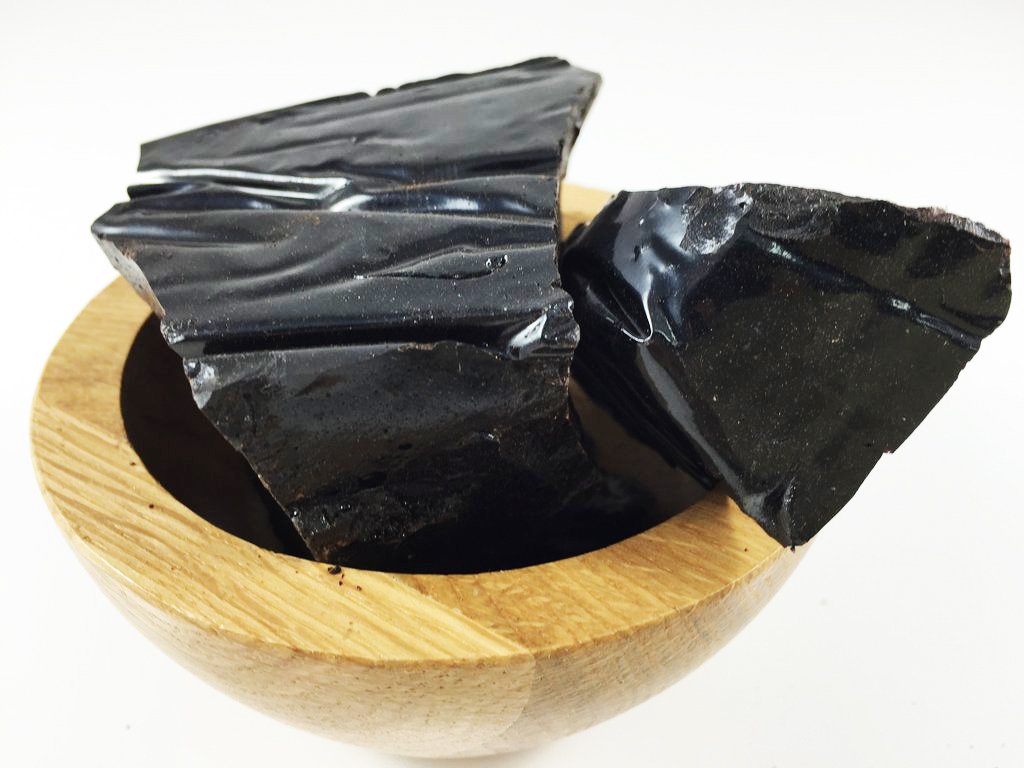
Shilajit, often referred to as the “destroyer of weakness” and the “conqueror of mountains,” is a potent and rejuvenating substance highly revered in traditional Ayurvedic medicine. This remarkable substance has been used for centuries to promote physical and mental health, enhance vitality, and combat a variety of ailments. Derived from the ancient and nutrient-rich layers of the Himalayan mountains, Shilajit is a natural resin formed over centuries through the decomposition of plant matter. This mineral-rich compound is celebrated for its numerous health benefits and has recently garnered attention in the modern wellness community.

Background and History

The origins of Shilajit can be traced back to ancient Ayurvedic texts, where it is mentioned as a potent healing substance. The name “Shilajit” itself is derived from Sanskrit, meaning “conqueror of mountains and destroyer of weakness.” Historically, Shilajit was discovered by Himalayan villagers who observed that monkeys consuming this resinous substance exhibited extraordinary strength, agility, and longevity. Intrigued by these observations, the villagers began to use Shilajit themselves, and it quickly became an integral part of Ayurvedic medicine.

Shilajit is primarily sourced from the high-altitude regions of the Himalayas, Tibet, Altai, and Caucasus mountains. The process of its formation is fascinating; over millions of years, plant matter trapped in the mountainous rocks is slowly transformed into a rich, tar-like resin by the combined effects of microbial action and geological pressure. This unique process imbues Shilajit with an exceptional concentration of minerals, fulvic acid, and other bioactive compounds.

Throughout history, Shilajit has been used to treat a myriad of health conditions. Ancient Indian sages and healers prescribed Shilajit for enhancing strength, stamina, and overall vitality. It was also used to combat respiratory ailments, improve cognitive function, and support reproductive health. In traditional medicine, Shilajit was often combined with other herbs to amplify its therapeutic effects.


Shilajit Vedasmi

Shilajit – Mineral Pitch

This article delves into the multifaceted benefits of Shilajit, exploring its profound impact on human health and well-being. We will examine its rich nutritional profile, its role in enhancing physical performance, and its potential to improve cognitive function. Additionally, we will explore scientific studies that validate traditional claims and shed light on the mechanisms through which Shilajit exerts its effects. From its ability to boost energy and endurance to its role in supporting immune function and cellular health, this comprehensive exploration aims to provide a thorough understanding of why Shilajit has earned its esteemed place in both ancient and modern wellness practices.


Table of Contents

Cultivation of Shilajit

Chemical Composition of Shilajit

General Health Benefits of Shilajit

Boosts General Energy and Stamina

Enhances Memory and Learning

Protects Against Cognitive Decline

Antioxidant Benefits of Shilajit

Improves Skin Health

Boosts Immunity

Removes Toxins and Heavy Metals

Supports Liver Health

Improves Bone and Joint Health

Boosts Cardiovascular Health

Improves Nutrient Absorption

Reproductive Health Benefits of Shilajit

Improves Sperm Quality

Boosts Testosterone Level

Regulates Menstrual Cycle

Eases Menopausal Symptoms

Promotes Hormonal Balance

Antioxidant Benefits of Shilajit on Reproductive Health

Anti-inflammatory Benefits of Shilajit on Reproductive Health

Boosts Libido and Sexual Performance

Enhances Erectile Function

Improves Mood and Emotional Well-being

Supplementation of Shilajit

Conclusion


Cultivation of Shilajit

Shilajit is not cultivated in the traditional sense but rather harvested from natural deposits found in high-altitude mountainous regions. The resin forms over centuries from the slow decomposition of plant material trapped in rocks, primarily in the Himalayas, Altai, Caucasus, and other high-altitude ranges. Extracting Shilajit involves a meticulous process where local harvesters collect the raw material from rocky crevices and cliffs. This raw Shilajit undergoes a purification process to remove impurities, ensuring it is safe for consumption. The purity and quality of Shilajit depend heavily on the altitude and environment of its natural formation.

Ideal Climatic Conditions for the Formation of Shilajit

  • High Altitude: Shilajit primarily forms in mountainous regions at altitudes ranging from 1,000 to 5,000 meters (3,300 to 16,400 feet) above sea level. The high altitude is crucial as it provides the unique environmental conditions necessary for its formation.
  • Temperature Extremes: The regions where Shilajit forms experience significant temperature fluctuations between day and night, as well as between seasons. These extremes contribute to the slow decomposition of plant material and the eventual formation of Shilajit.
  • Low Oxygen Levels: The reduced oxygen levels at high altitudes facilitate the unique microbial processes that help decompose organic matter into Shilajit. The low oxygen environment also helps preserve the bioactive compounds in Shilajit.
  • Rich Biodiversity: The presence of diverse flora and fauna contributes to the organic matter required for Shilajit’s formation. The plant material, primarily from herbs and other vegetation, is crucial for developing this mineral-rich substance.
  • High Mineral Content in Soil and Rocks: The geological composition of the regions where Shilajit forms is rich in minerals. These minerals, leached from the surrounding rocks, become part of Shilajit’s complex matrix, contributing to its high mineral content.
  • Cold Climate: The colder climate in high-altitude regions helps slow down the decomposition process, allowing for the gradual formation of Shilajit over centuries. This slow process ensures the accumulation of bioactive compounds and minerals.
  • Microbial Activity: Specific microbial communities that thrive in high-altitude, cold environments play a crucial role in breaking down plant material. These microbes aid in the transformation of organic matter into Shilajit, contributing to its unique properties.
  • Seasonal Snow and Ice Melt: The seasonal melting of snow and ice provides a continuous supply of water, which helps in the leaching of minerals from the rocks into the plant material. This process supports the formation of Shilajit over time.

By understanding these ideal climatic conditions, we gain insight into why Shilajit is predominantly found in certain high-altitude regions and how these factors contribute to its unique composition and potent health benefits.

Geography

Himalayan Region

  • India and Nepal: The Himalayas, particularly in India and Nepal, are the most renowned sources of Shilajit. This region provides the ideal high-altitude conditions, rich biodiversity, and mineral-dense soils essential for Shilajit’s formation. It is traditionally harvested from the higher elevations, often between 1,000 to 5,000 meters.
  • Tibet: Tibetan mountains, part of the greater Himalayan range, also contribute significantly to Shilajit production. The cold, high-altitude environment and the unique geological conditions make Tibet a prime area for harvesting high-quality Shilajit.

Altai Mountains

  • Russia and Mongolia: The Altai Mountains, spanning Russia and Mongolia, are another significant source of Shilajit. This region’s harsh climatic conditions, coupled with its high altitude, create a suitable environment for Shilajit formation. The unique microbial and geological conditions contribute to the distinctive composition of Shilajit from this area.

Caucasus Mountains

  • Georgia and Armenia: The Caucasus range, particularly in Georgia and Armenia, also produces Shilajit. The geological diversity and the climatic conditions of this region are favorable for the formation of Shilajit. These areas provide a unique combination of high-altitude environment and rich mineral content, essential for high-quality Shilajit.

Gilgit-Baltistan

  • Pakistan: The Gilgit-Baltistan region in northern Pakistan, part of the greater Himalayan range, is known for its Shilajit deposits. The high-altitude environment and the presence of specific plant species contribute to the quality of Shilajit found in this region. The cold climate and mineral-rich soils enhance the potency of Shilajit from Gilgit-Baltistan.

Karakoram Range

  • Pakistan and China: The Karakoram Range, extending through Pakistan and China, is another significant source of Shilajit. The extreme altitudes and diverse flora in this region create an ideal environment for Shilajit formation. The slow decomposition of plant matter and mineral-rich soils contribute to the unique properties of Shilajit from the Karakoram range.

These regions, characterized by their high altitudes, cold climates, and rich biodiversity, provide the necessary conditions for the natural formation of Shilajit. The specific environmental factors and geological compositions in these areas result in Shilajit with varying compositions and potencies, each region imparting unique characteristics to the resin.

(Reference: Source 1, Source 2, Source 3, Source 4, Source 5, Source 6)


Chemical Composition of Shilajit

Shilajit is a natural substance rich in bioactive compounds, including fulvic acid, humic acid, essential minerals, and amino acids. Fulvic acid, a key component, enhances nutrient absorption and provides potent antioxidant protection, reducing oxidative stress. Humic acid supports immune function and reduces inflammation. Shilajit’s mineral content, such as zinc, magnesium, and calcium, is vital for bone health, metabolic processes, and hormonal balance. Additionally, amino acids in Shilajit aid in protein synthesis and muscle repair. Together, these components contribute to improved energy levels, enhanced cognitive function, strengthened immunity, and overall well-being, making Shilajit a valuable health supplement.

Fulvic Acid (15-20%)

  • Antioxidant Properties: Fulvic acid helps neutralize free radicals, reducing oxidative stress and protecting cells from damage.
  • Detoxification: It aids in the removal of toxins and heavy metals from the body, promoting overall detoxification.
  • Nutrient Absorption: Enhances the absorption of essential nutrients, improving overall nutritional status and health.

Humic Acid (5-15%)

  • Immune Support: Boosts immune function by modulating immune responses.
  • Anti-Inflammatory: Reduces inflammation, aiding in the management of inflammatory conditions.
  • Gut Health: Supports a healthy gut microbiome, improving digestion and nutrient absorption.

Minerals (10-20%)

  • Bone Health: Calcium and magnesium support strong bones and teeth.
  • Muscle Function: Potassium and magnesium are crucial for proper muscle function and reducing cramps.
  • Immune Function: Zinc plays a vital role in maintaining a healthy immune system.

Dibezno-alpha-pyrones (1-5%)

  • Energy Production: These compounds enhance mitochondrial function, boosting energy levels.
  • Cognitive Function: Improve brain function and may protect against neurodegenerative diseases.

Amino Acids (1-5%)

  • Protein Synthesis: Amino acids are the building blocks of proteins, essential for muscle repair and growth.
  • Metabolic Support: Aid in various metabolic processes and enzyme functions.

Vitamins (Trace Amounts)

  • Energy Metabolism: B-complex vitamins are vital for energy production and metabolic processes.
  • Antioxidant Defense: Vitamins A, C, and E act as antioxidants, protecting cells from damage.

Phenolic Compounds (Trace Amounts)

  • Antioxidant Properties: Phenolic compounds contribute to the overall antioxidant capacity of Shilajit.
  • Anti-Inflammatory: These compounds help reduce inflammation and support immune function.

Ellagic Acid (Trace Amounts)

  • Anti-Cancer Properties: Ellagic acid has been shown to have anti-cancer properties, inhibiting the growth of cancer cells.
  • Antioxidant: It also acts as an antioxidant, protecting cells from oxidative stress.

By understanding the complex chemical composition of Shilajit and the specific health benefits associated with each constituent, we can appreciate why Shilajit is revered as a potent natural remedy in traditional medicine and modern health practices.

(Reference: Source 1, Source 2, Source 3, Source 4, Source 5, Source 6)


General Health Benefits of Shilajit

Shilajit, a powerful resinous substance sourced from high-altitude mountainous regions, is renowned for its wide array of health benefits. Rich in fulvic acid, minerals, and antioxidants, Shilajit boosts energy levels, enhances cognitive function, and supports the immune system. It promotes overall vitality by aiding nutrient absorption and detoxification. Additionally, Shilajit has anti-inflammatory and anti-aging properties, making it a valuable supplement for improving physical and mental well-being. This natural remedy, deeply rooted in traditional Ayurvedic medicine, is increasingly recognized for its ability to enhance strength, stamina, and longevity, contributing to a healthier and more vibrant life.

Boosts General Energy and Stamina

Mitochondria, known as the powerhouses of the cell, are responsible for producing adenosine triphosphate (ATP), the main energy currency of the cell. These organelles perform critical functions, including energy production through oxidative phosphorylation, regulation of cellular metabolism, and involvement in cell signaling, apoptosis (programmed cell death), and maintaining cellular homeostasis. Improved mitochondrial function leads to increased ATP production, providing more energy for cellular processes and supporting various physiological activities, which enhances physical performance and stamina. Efficient mitochondria reduce the accumulation of metabolic byproducts that contribute to fatigue, allowing the body to perform activities for longer periods without exhaustion. Additionally, muscles require significant energy during physical activities, and enhanced mitochondrial function ensures a steady supply of ATP to muscle cells, improving muscle strength and endurance.

Shilajit enhances mitochondrial efficiency primarily due to its rich fulvic acid content, which improves nutrient uptake and toxin removal, essential for ATP production. Its antioxidant properties protect mitochondria from oxidative stress and damage caused by free radicals, maintaining mitochondrial integrity and efficiency. Shilajit also supports cellular energy metabolism by enhancing the activity of enzymes involved in the Krebs cycle (citric acid cycle), a key metabolic pathway for ATP generation. Its adaptogenic effects help the body adapt to stress and maintain balance, reducing the negative impact of stress on cellular energy production. Additionally, Shilajit improves the absorption of essential nutrients like CoQ10, vital for mitochondrial energy production, ensuring that mitochondria have the necessary components to function optimally.

The overall impact of Shilajit on general energy and stamina is significant. By enhancing mitochondrial function, Shilajit increases physical performance, allowing individuals to engage in more strenuous activities with greater ease. It also aids in faster recovery from physical exertion, reducing muscle fatigue and soreness. Furthermore, improved mitochondrial function supports mental clarity and focus, contributing to overall well-being and productivity. In summary, Shilajit enhances mitochondrial function through its composition of fulvic acid, antioxidants, and other bioactive compounds, leading to increased ATP production, reduced fatigue, and better overall energy and stamina, making it a valuable supplement for boosting physical and mental performance.

(Reference: Source 1, Source 2, Source 3)

Enhances Memory and Learning

Shilajit enhances memory and learning through several mechanisms rooted in its rich composition of bioactive compounds, including fulvic acid, antioxidants, and essential minerals. These components collectively improve cognitive function by supporting neuronal health, reducing oxidative stress, and enhancing neuroplasticity. Fulvic acid plays a crucial role in facilitating nutrient absorption and transportation across the blood-brain barrier, ensuring that brain cells receive essential nutrients required for optimal function. This improved nutrient delivery helps maintain neuronal health and promotes the production of neurotransmitters essential for memory and learning processes.

The antioxidant properties of Shilajit are particularly beneficial for cognitive function. By neutralizing free radicals and reducing oxidative stress, Shilajit protects brain cells from damage and supports the maintenance of a healthy brain environment. This protection is vital for preserving cognitive functions and preventing neurodegenerative diseases that impair memory and learning.

Furthermore, Shilajit enhances mitochondrial function within brain cells, leading to increased ATP production. This boost in cellular energy supports various brain functions, including synaptic plasticity, which is crucial for learning and memory formation. Improved mitochondrial efficiency also means that brain cells can perform their functions more effectively, leading to better cognitive performance.

Shilajit’s anti-inflammatory properties contribute to its cognitive benefits by reducing neuroinflammation, which can impair cognitive function and lead to conditions such as Alzheimer’s disease. By mitigating inflammation, Shilajit supports a healthier brain environment conducive to learning and memory retention.

Additionally, Shilajit contains compounds that influence the production and release of brain-derived neurotrophic factor (BDNF), a protein that supports the growth, development, and survival of neurons. Increased BDNF levels enhance synaptic plasticity and neurogenesis, both of which are critical for learning and memory.

In summary, Shilajit enhances memory and learning through its unique blend of fulvic acid, antioxidants, and bioactive compounds. By improving nutrient delivery to brain cells, protecting against oxidative stress, boosting mitochondrial function, reducing neuroinflammation, and promoting neurogenesis, Shilajit supports and enhances cognitive functions essential for memory and learning.

(Reference: Source 1, Source 2, Source 3, Source 4)

Protects Against Cognitive Decline

Shilajit protects against cognitive decline through several mechanisms, leveraging its rich array of bioactive compounds, including fulvic acid, antioxidants, and essential minerals. These components collectively contribute to maintaining brain health, reducing oxidative stress, and supporting neuronal function, all of which are crucial for preventing cognitive decline.

One of the primary ways Shilajit protects against cognitive decline is through its potent antioxidant properties. The antioxidants in Shilajit neutralize free radicals, which are harmful molecules that can cause oxidative stress and damage brain cells. Oxidative stress is a significant factor in the development of neurodegenerative diseases such as Alzheimer’s and Parkinson’s. By reducing oxidative stress, Shilajit helps preserve neuronal integrity and function, thereby protecting cognitive abilities.

Shilajit also supports mitochondrial function in brain cells, enhancing the production of ATP, the primary energy currency of cells. Efficient mitochondrial function ensures that brain cells have the energy they need to perform their functions optimally. This energy boost supports synaptic plasticity, which is vital for learning and memory processes. Improved mitochondrial health also means that cells are better equipped to resist stress and damage, further protecting cognitive functions.

Additionally, Shilajit has anti-inflammatory properties that play a crucial role in preventing cognitive decline. Chronic inflammation in the brain is linked to various neurodegenerative conditions and cognitive impairments. By reducing inflammation, Shilajit helps maintain a healthy brain environment, supporting neuronal health and cognitive function.

Another critical aspect of Shilajit’s protective effect against cognitive decline is its ability to influence the production and release of brain-derived neurotrophic factor (BDNF). BDNF is a protein that supports the growth, development, and survival of neurons. Higher levels of BDNF are associated with improved cognitive function and reduced risk of neurodegenerative diseases. Shilajit promotes neurogenesis and synaptic plasticity through the enhancement of BDNF, contributing to better cognitive health and resilience against decline.

Moreover, the fulvic acid in Shilajit facilitates the transportation of essential nutrients across the blood-brain barrier, ensuring that brain cells receive the nutrients they need for optimal function. This improved nutrient delivery supports overall brain health and helps prevent the cognitive deficits associated with nutrient deficiencies.

In summary, Shilajit protects against cognitive decline through its antioxidant and anti-inflammatory properties, enhancement of mitochondrial function, promotion of BDNF, and improved nutrient delivery to brain cells. These combined effects help maintain neuronal health, support cognitive functions, and reduce the risk of neurodegenerative diseases, contributing to the preservation of cognitive abilities as one ages.

(Reference: Source 1, Source 2, Source 3, Source 4)

Antioxidant Benefits of Shilajit

Oxidative stress occurs when there is an imbalance between the production of reactive oxygen species (ROS) and the body’s ability to neutralize them with antioxidants. This imbalance leads to the accumulation of free radicals, which can damage cells, proteins, and DNA, contributing to aging and various diseases such as cancer, cardiovascular diseases, and neurodegenerative disorders. Oxidative stress is often exacerbated by environmental factors like pollution, radiation, and poor diet. Effective management of oxidative stress involves enhancing antioxidant defenses through diet, lifestyle changes, and supplements like Shilajit, which help neutralize ROS and protect cellular health.

Shilajit reduces oxidative stress through its rich composition of antioxidants and bioactive compounds, primarily fulvic acid, which play a crucial role in neutralizing harmful free radicals. Free radicals are unstable molecules that can cause cellular damage through oxidative stress, leading to various chronic diseases and aging. Shilajit’s antioxidants, including fulvic acid, work by donating electrons to these free radicals, stabilizing them and preventing them from causing further harm to cells and tissues.

Fulvic acid, a major component of Shilajit, is particularly effective at scavenging free radicals. Its small molecular size and unique chemical structure allow it to easily penetrate cell membranes and deliver antioxidant benefits directly to the cells. By neutralizing free radicals, fulvic acid helps protect cellular components such as DNA, proteins, and lipids from oxidative damage. This protection is crucial for maintaining cellular health and preventing the onset of oxidative stress-related conditions.

In addition to fulvic acid, Shilajit contains other bioactive compounds, such as dibenzo-alpha-pyrones, which also possess strong antioxidant properties. These compounds work synergistically with fulvic acid to enhance the overall antioxidant capacity of Shilajit. The combined action of these antioxidants helps reduce the levels of reactive oxygen species (ROS) in the body, further mitigating oxidative stress.

Shilajit also supports the activity of endogenous antioxidant enzymes, such as superoxide dismutase (SOD), catalase, and glutathione peroxidase. These enzymes play a critical role in the body’s natural defense against oxidative stress by breaking down and neutralizing ROS. By enhancing the activity of these enzymes, Shilajit helps boost the body’s intrinsic antioxidant defenses, providing an additional layer of protection against oxidative damage.

Furthermore, Shilajit’s anti-inflammatory properties contribute to its ability to reduce oxidative stress. Chronic inflammation is often associated with increased oxidative stress, as inflammatory processes can generate ROS. By reducing inflammation, Shilajit indirectly lowers oxidative stress levels, creating a healthier cellular environment.

Shilajit’s ability to chelate heavy metals is another mechanism by which it reduces oxidative stress. Heavy metals, such as lead and mercury, can catalyze the production of free radicals, leading to increased oxidative stress. Shilajit binds to these heavy metals and facilitates their excretion from the body, thereby reducing their pro-oxidant effects and overall oxidative burden.

In summary, Shilajit reduces oxidative stress through its potent antioxidant properties, primarily derived from fulvic acid and other bioactive compounds. By neutralizing free radicals, enhancing endogenous antioxidant enzyme activity, reducing inflammation, and chelating heavy metals, Shilajit effectively protects cells and tissues from oxidative damage. This multifaceted approach to combating oxidative stress contributes to its wide range of health benefits and its role in promoting overall well-being.

(Reference: Source 1, Source 2, Source 3, Source 4, Source 5)

Improves Skin Health

Shilajit improves skin health through a combination of its antioxidant, anti-inflammatory, and nutrient-rich properties. Its high content of fulvic acid and other bioactive compounds plays a significant role in maintaining and enhancing skin health.

Firstly, Shilajit’s antioxidant properties help protect the skin from oxidative stress caused by free radicals, which are generated by UV radiation, pollution, and other environmental factors. These free radicals can cause premature aging, wrinkles, and other skin damage. By neutralizing free radicals, Shilajit helps prevent and reduce the signs of aging, such as fine lines, wrinkles, and age spots.

Secondly, Shilajit has strong anti-inflammatory properties that help reduce skin inflammation and irritation. This makes it beneficial for conditions like acne, eczema, and psoriasis, where inflammation is a key factor. By reducing inflammation, Shilajit can help soothe the skin, reduce redness, and promote a clearer complexion.

Additionally, Shilajit is rich in essential minerals and nutrients, such as zinc, magnesium, and potassium, which are vital for maintaining healthy skin. These minerals support skin cell regeneration, repair damaged skin tissues, and maintain overall skin integrity. The presence of fulvic acid enhances the absorption of these nutrients, ensuring that the skin receives the necessary nourishment for optimal health.

Shilajit also supports collagen production, which is crucial for maintaining skin elasticity and firmness. Collagen is a protein that provides structure and strength to the skin. With age, collagen production decreases, leading to sagging and wrinkling. Shilajit helps stimulate collagen synthesis, thereby improving skin texture and reducing the appearance of fine lines and wrinkles.

Moreover, Shilajit helps maintain hydration levels in the skin. Its humectant properties draw moisture into the skin, keeping it hydrated and preventing dryness. Well-hydrated skin appears plumper, smoother, and more youthful.

Lastly, Shilajit’s detoxifying effects help remove toxins and impurities from the skin. This detoxification process can lead to a clearer complexion and reduced incidence of skin issues caused by environmental pollutants and toxins.

In summary, Shilajit improves skin health by providing antioxidant protection, reducing inflammation, enhancing nutrient absorption, supporting collagen production, maintaining hydration, and detoxifying the skin. These combined effects contribute to healthier, more youthful, and radiant skin.

(Reference: Source 1, Source 2)

Boosts Immunity

Shilajit boosts immunity through its rich composition of bioactive compounds, including fulvic acid, antioxidants, and essential minerals, which collectively enhance the body’s immune response and overall health.

Firstly, Shilajit’s high fulvic acid content plays a crucial role in boosting immunity. Fulvic acid enhances the absorption and transportation of essential nutrients and minerals to cells, ensuring that immune cells receive the nutrients they need to function optimally. This improved nutrient delivery supports the production and activity of white blood cells, which are vital for the immune response.

Secondly, Shilajit’s potent antioxidant properties help protect immune cells from oxidative stress and damage caused by free radicals. By neutralizing these harmful molecules, Shilajit helps maintain the integrity and functionality of immune cells, ensuring a robust immune response. Antioxidants also reduce oxidative damage in the body, which can otherwise impair immune function and increase susceptibility to infections.

Moreover, Shilajit contains bioactive compounds that directly support the activity of various immune cells, including macrophages, natural killer (NK) cells, and T cells. These immune cells play critical roles in identifying and eliminating pathogens, and enhancing their function leads to a stronger immune defense. Shilajit has been found to stimulate the production and activation of these cells, thereby boosting the body’s ability to fight off infections and diseases.

Additionally, Shilajit’s mineral content, including zinc and selenium, is essential for immune health. Zinc is known to support the production and function of immune cells, while selenium acts as an antioxidant, protecting immune cells from damage. These minerals, combined with the other nutrients in Shilajit, help fortify the immune system.

The anti-inflammatory effects of Shilajit further contribute to its immune-boosting properties. Inflammation is a natural part of the immune response, but chronic inflammation can weaken the immune system and lead to various health issues. Shilajit helps modulate the immune response by reducing excessive inflammation. Its anti-inflammatory effects are mediated through several mechanisms:

  • Inhibition of Pro-inflammatory Cytokines: Shilajit suppresses the production of pro-inflammatory cytokines, which are signaling molecules that promote inflammation. By reducing the levels of these cytokines, Shilajit helps lower inflammation throughout the body.
  • Modulation of Immune Cell Activity: Shilajit influences the activity of immune cells, such as macrophages and neutrophils, which are involved in the inflammatory response. It helps regulate their function, ensuring that inflammation is controlled and does not become excessive.
  • Reduction of Oxidative Stress: As oxidative stress can trigger and exacerbate inflammation, Shilajit’s antioxidant properties play a crucial role in its anti-inflammatory effects. By neutralizing free radicals, Shilajit helps prevent oxidative damage and reduce inflammation.
  • Support for Gut Health: A healthy gut is essential for a balanced immune response, and Shilajit supports gut health by promoting a healthy microbiome and reducing gut inflammation. A well-functioning gut barrier prevents harmful pathogens from entering the bloodstream, thereby reducing systemic inflammation.

In summary, Shilajit boosts immunity by enhancing nutrient absorption, protecting immune cells from oxidative stress, supporting the activity of immune cells, and providing essential minerals. Its anti-inflammatory effects work by inhibiting pro-inflammatory cytokines, modulating immune cell activity, reducing oxidative stress, and supporting gut health. These combined actions help strengthen the immune system, making Shilajit a valuable supplement for maintaining and enhancing overall immune health.

(Reference: Source 1, Source 2, Source 3, Source 4, Source 5, Source 6, Source 7)

Removes Toxins and Heavy Metals

Shilajit aids in the removal of toxins and heavy metals from the body through its unique composition, particularly the presence of fulvic acid and humic acid. These compounds possess strong chelating properties, which enable them to bind to heavy metals and toxins, facilitating their excretion from the body.

Fulvic acid, a major component of Shilajit, is known for its ability to penetrate cell membranes and interact with various molecules, including heavy metals. Its small molecular size and high reactivity allow it to effectively bind to heavy metals such as lead, mercury, cadmium, and arsenic. By forming stable complexes with these metals, fulvic acid neutralizes their harmful effects and prevents them from causing oxidative damage and disrupting cellular functions.

Once bound to fulvic acid, these heavy metal complexes become water-soluble, which is crucial for their elimination from the body. The kidneys filter these complexes from the bloodstream, allowing them to be excreted through urine. This process helps reduce the overall toxic burden on the body and prevents the accumulation of heavy metals in tissues, which can lead to various health issues.

Humic acid, another significant component of Shilajit, also contributes to its detoxifying properties. Like fulvic acid, humic acid has strong binding capabilities and can chelate heavy metals and toxins. It forms stable complexes with these harmful substances, enhancing their solubility and facilitating their removal from the body. The combined action of fulvic and humic acids ensures a comprehensive detoxification process, targeting a wide range of toxins and heavy metals.

Additionally, Shilajit’s antioxidant properties support the detoxification process by neutralizing free radicals generated by heavy metals and toxins. These antioxidants protect cells from oxidative stress and damage, which can be exacerbated by the presence of heavy metals. By reducing oxidative stress, Shilajit helps maintain cellular integrity and supports the overall health of detoxification organs such as the liver and kidneys.

Shilajit also enhances the body’s natural detoxification mechanisms by supporting the activity of detoxification enzymes. These enzymes, such as glutathione S-transferase, play a crucial role in the biotransformation and elimination of toxins. Shilajit boosts the production and activity of these enzymes, further aiding the detoxification process.

In summary, Shilajit removes toxins and heavy metals from the body through its chelating properties, primarily driven by fulvic and humic acids. These compounds bind to heavy metals, forming stable complexes that are water-soluble and easily excreted through urine. Shilajit’s antioxidant properties and support for detoxification enzymes enhance its ability to neutralize and eliminate harmful substances, contributing to a comprehensive detoxification process and promoting overall health.

(Reference: Source 1)

Supports Liver Health

Shilajit supports liver health through its rich composition of bioactive compounds, including fulvic acid, antioxidants, and essential minerals, which collectively enhance liver function and protect against liver damage.

Firstly, Shilajit’s potent antioxidant properties play a crucial role in protecting the liver from oxidative stress. The liver is particularly susceptible to oxidative damage due to its role in detoxification, which involves the metabolism of various toxins and free radicals. The antioxidants in Shilajit, including fulvic acid, neutralize these harmful molecules, reducing oxidative stress and preventing cellular damage. This protection helps maintain the integrity and functionality of liver cells, ensuring efficient detoxification processes.

Secondly, Shilajit has strong anti-inflammatory effects that benefit liver health. Chronic inflammation can lead to liver damage and diseases such as hepatitis, fatty liver disease, and cirrhosis. Shilajit reduces inflammation by inhibiting the production of pro-inflammatory cytokines and modulating the activity of immune cells involved in the inflammatory response. By mitigating inflammation, Shilajit helps protect the liver from damage and supports its healing and regeneration.

Additionally, Shilajit enhances the liver’s detoxification capacity. The fulvic acid in Shilajit facilitates the removal of heavy metals and toxins by binding to them and forming stable, water-soluble complexes that can be excreted from the body. This chelating property helps reduce the toxic burden on the liver, allowing it to function more efficiently and preventing the accumulation of harmful substances that can cause liver damage.

Shilajit also supports the activity of key liver enzymes involved in detoxification, such as glutathione S-transferase. These enzymes play a critical role in the biotransformation and elimination of toxins. By enhancing the activity of these enzymes, Shilajit boosts the liver’s ability to detoxify and eliminate harmful substances, promoting overall liver health.

Furthermore, Shilajit provides essential nutrients and minerals that support liver function. For example, zinc is crucial for the proper functioning of liver enzymes and the regeneration of liver tissue. By supplying these nutrients, Shilajit helps maintain the liver’s metabolic and detoxification activities.

Moreover, Shilajit has been shown to support the repair and regeneration of liver cells. This is particularly important in conditions where the liver has been damaged by toxins, infections, or other factors. Shilajit’s bioactive compounds promote the regeneration of hepatocytes (liver cells), enhancing the liver’s ability to recover from damage and maintain its vital functions.

In summary, Shilajit supports liver health through its antioxidant and anti-inflammatory properties, enhancement of detoxification processes, support for liver enzyme activity, provision of essential nutrients, and promotion of liver cell regeneration. These combined effects help protect the liver from damage, improve its detoxification capacity, and support overall liver function, contributing to better liver health and overall well-being.

(Reference: Source 1, Source 2, Source 3, Source 4)

Improves Bone and Joint Health

Shilajit improves bone and joint health through its rich composition of minerals, fulvic acid, and bioactive compounds that collectively support bone density, promote joint flexibility, and reduce inflammation.

Firstly, Shilajit is an excellent source of essential minerals such as calcium, magnesium, phosphorus, and potassium, which are crucial for maintaining bone health. Calcium and magnesium are fundamental for bone formation and density. Calcium provides the structural framework of bones, while magnesium aids in calcium absorption and metabolism, ensuring that bones remain strong and resilient. Phosphorus works alongside calcium to form hydroxyapatite, the mineral compound that gives bones their hardness and strength.

Fulvic acid, a major component of Shilajit, enhances the bioavailability and absorption of these minerals, ensuring that they are effectively utilized by the body. This improved nutrient absorption supports the maintenance of bone density and prevents conditions such as osteoporosis, which is characterized by weak and brittle bones.

Additionally, Shilajit’s anti-inflammatory properties play a significant role in improving joint health. Chronic inflammation is a common underlying factor in joint conditions such as arthritis. The bioactive compounds in Shilajit, including fulvic acid and humic acid, help reduce inflammation by inhibiting the production of pro-inflammatory cytokines and modulating the activity of immune cells involved in the inflammatory response. By reducing inflammation, Shilajit alleviates joint pain, swelling, and stiffness, improving overall joint function and mobility.

Shilajit also supports the production and maintenance of collagen, a vital protein that provides structure and elasticity to joints, tendons, and ligaments. Collagen is essential for the integrity and flexibility of connective tissues. By promoting collagen synthesis, Shilajit helps maintain joint health and reduces the risk of joint injuries and degeneration.

Moreover, Shilajit has been shown to enhance the repair and regeneration of bone and cartilage tissues. The bioactive compounds in Shilajit stimulate the activity of osteoblasts, the cells responsible for bone formation, and chondrocytes, the cells responsible for cartilage production. This regenerative effect is crucial for healing fractures, maintaining cartilage health, and preventing the degradation of joint tissues.

Furthermore, Shilajit’s ability to support mitochondrial function and energy production is beneficial for bone and joint health. Mitochondria are the powerhouses of cells, including those in bones and joints. Enhanced mitochondrial function ensures that these cells have the energy required for their repair, maintenance, and overall function.

In summary, Shilajit improves bone and joint health through its rich mineral content, which supports bone density and strength, and its bioactive compounds, which enhance nutrient absorption, reduce inflammation, promote collagen synthesis, and support the repair and regeneration of bone and cartilage tissues. These combined effects help maintain healthy bones and joints, alleviate pain and stiffness, and improve overall mobility and quality of life.

(Reference: Source 1, Source 2, Source 3, Source 4, Source 5)

Boosts Cardiovascular Health

Shilajit boosts cardiovascular health through its antioxidant properties, anti-inflammatory effects, and its ability to improve lipid profiles and support endothelial function. These mechanisms collectively contribute to a healthier heart and circulatory system.

Firstly, Shilajit’s potent antioxidant properties play a crucial role in protecting the cardiovascular system from oxidative stress. Oxidative stress, caused by an excess of reactive oxygen species (ROS), can damage blood vessels and heart tissues, leading to conditions such as atherosclerosis and heart disease. The antioxidants in Shilajit, including fulvic acid, neutralize ROS, reducing oxidative damage and preventing the buildup of plaque in the arteries. This helps maintain the integrity and flexibility of blood vessels, ensuring smooth blood flow and reducing the risk of cardiovascular events.

Secondly, Shilajit’s anti-inflammatory effects are beneficial for cardiovascular health. Chronic inflammation is a key factor in the development of cardiovascular diseases, including atherosclerosis, where inflamed arteries can lead to plaque formation and arterial blockages. Shilajit reduces inflammation by inhibiting the production of pro-inflammatory cytokines and modulating the immune response. By lowering inflammation, Shilajit helps prevent the progression of atherosclerosis and other inflammatory cardiovascular conditions.

Additionally, Shilajit positively affects lipid profiles by helping to reduce levels of low-density lipoprotein (LDL) cholesterol, often referred to as “bad” cholesterol, and increasing high-density lipoprotein (HDL) cholesterol, known as “good” cholesterol. Elevated LDL cholesterol can lead to plaque buildup in arteries, while HDL cholesterol helps remove cholesterol from the bloodstream. By improving these lipid profiles, Shilajit helps prevent the development of cardiovascular diseases such as coronary artery disease.

Shilajit also supports endothelial function, which is crucial for maintaining vascular health. The endothelium is the inner lining of blood vessels and plays a key role in regulating blood pressure, blood clotting, and immune function. Shilajit enhances endothelial function by promoting the release of nitric oxide, a molecule that helps dilate blood vessels, improve blood flow, and lower blood pressure. Improved endothelial function reduces the risk of hypertension and other cardiovascular disorders.

Moreover, Shilajit’s mineral content, including potassium and magnesium, supports heart health by regulating blood pressure and ensuring proper cardiac function. Potassium helps balance sodium levels in the body, reducing blood pressure, while magnesium is essential for maintaining a steady heart rhythm and preventing arrhythmias.

Furthermore, Shilajit supports mitochondrial function and energy production in heart cells. The heart is a highly energetic organ that requires a continuous supply of ATP to function effectively. Shilajit enhances mitochondrial efficiency, ensuring that heart cells have sufficient energy to maintain healthy cardiac function and resilience.

In summary, Shilajit boosts cardiovascular health through its antioxidant and anti-inflammatory properties, improvement of lipid profiles, support for endothelial function, and provision of essential minerals. These combined effects help protect the cardiovascular system from damage, reduce the risk of heart disease, and promote overall heart health.

(Reference: Source 1, Source 2, Source 3, Source 4, Source 5Source 6, Source 7, Source 8, Source 9, Source 10)

Improves Nutrient Absorption

Shilajit enhances nutrient absorption and improves digestive and gut health primarily through the action of fulvic acid, its bioactive compounds, and its ability to support the gut microbiome.

Firstly, fulvic acid, a key component of Shilajit, plays a crucial role in enhancing nutrient absorption. Fulvic acid is known for its small molecular size and high bioavailability, which allows it to easily penetrate cell membranes. This property enables fulvic acid to transport nutrients directly into cells more efficiently. It acts as a natural chelator, binding to minerals and other essential nutrients and making them more soluble and easier for the body to absorb. This improved solubility ensures that vitamins, minerals, and other nutrients are readily available for uptake by the cells, enhancing overall nutrient absorption and bioavailability.

In addition to improving nutrient absorption, Shilajit supports digestive health by promoting the activity of digestive enzymes. These enzymes are crucial for breaking down food into its component nutrients, which the body can then absorb. By enhancing the activity of digestive enzymes, Shilajit ensures that food is more thoroughly and efficiently digested, leading to better absorption of nutrients.

Shilajit also has beneficial effects on gut health through its anti-inflammatory and antioxidant properties. Chronic inflammation in the digestive tract can impair nutrient absorption and lead to various gastrointestinal disorders. Shilajit reduces inflammation by inhibiting pro-inflammatory cytokines and modulating the immune response, creating a healthier gut environment. Its antioxidant properties protect the gut lining from oxidative damage, maintaining the integrity of the intestinal barrier and preventing conditions like leaky gut syndrome, which can disrupt nutrient absorption and overall gut health.

Moreover, Shilajit supports the gut microbiome, the community of beneficial bacteria living in the digestive tract. A healthy gut microbiome is essential for proper digestion, nutrient absorption, and immune function. Shilajit helps maintain a balanced gut microbiome by promoting the growth of beneficial bacteria and inhibiting the growth of harmful pathogens. This balance supports optimal digestive function and enhances the gut’s ability to absorb nutrients effectively.

Additionally, Shilajit provides essential minerals and trace elements that are crucial for various bodily functions, including digestive health. For example, zinc is important for maintaining the health of the gut lining and supporting the activity of digestive enzymes. By supplying these essential nutrients, Shilajit helps ensure that the digestive system functions efficiently and effectively.

Furthermore, Shilajit’s detoxifying properties aid in removing toxins from the digestive tract, which can otherwise interfere with nutrient absorption and overall gut health. By binding to and facilitating the excretion of these toxins, Shilajit helps maintain a clean and healthy digestive environment, further supporting nutrient absorption and digestive function.

In summary, Shilajit enhances nutrient absorption through the action of fulvic acid, which improves the solubility and bioavailability of nutrients. It supports digestive health by promoting digestive enzyme activity, reducing inflammation, protecting the gut lining, and maintaining a healthy gut microbiome. These combined effects ensure that nutrients are effectively absorbed and utilized by the body, contributing to overall health and well-being.

(Reference: Source 1, Source 2)

In conclusion, Shilajit stands out as a potent natural supplement with a broad spectrum of health benefits. Its rich composition of fulvic acid, minerals, and bioactive compounds supports energy production, cognitive function, immune health, and detoxification. Shilajit’s anti-aging, anti-inflammatory, and nutrient absorption-enhancing properties further contribute to overall well-being. By promoting bone and joint health, cardiovascular function, and reproductive health, Shilajit offers a holistic approach to maintaining and enhancing physical and mental health. Integrating Shilajit into a regular health regimen can significantly improve vitality and quality of life, making it a valuable addition to modern wellness practices.


Reproductive Health Benefits of Shilajit

Shilajit, a potent natural resin, has long been celebrated for its extensive health benefits, particularly in enhancing reproductive health. Rich in minerals, fulvic acid, and bioactive compounds, Shilajit supports hormonal balance and improves fertility in both men and women. For men, it enhances sperm quality, count, and motility, boosting overall reproductive function. For women, Shilajit helps regulate menstrual cycles and alleviates symptoms of hormonal imbalances. Additionally, its antioxidant and anti-inflammatory properties promote a healthy reproductive system, making Shilajit a valuable supplement for those looking to enhance their reproductive health naturally and effectively.

Improves Sperm Quality

Shilajit improves sperm quality through its rich composition of antioxidants, minerals, and bioactive compounds, which collectively enhance various aspects of male reproductive health.

Firstly, Shilajit’s potent antioxidant properties play a crucial role in improving sperm quality. Oxidative stress caused by an excess of reactive oxygen species (ROS) can damage sperm cells, leading to decreased motility, reduced sperm count, and increased DNA fragmentation. Shilajit contains antioxidants such as fulvic acid, which neutralize ROS, protecting sperm cells from oxidative damage. This preservation of cellular integrity ensures better sperm motility and viability, key factors in male fertility.

Secondly, Shilajit’s anti-inflammatory effects contribute to improved sperm quality. Chronic inflammation can negatively impact sperm production and function. By reducing inflammation, Shilajit creates a healthier reproductive environment, which supports the optimal development and maturation of sperm cells. Its ability to inhibit pro-inflammatory cytokines helps maintain a balanced immune response, preventing inflammation-related damage to the reproductive organs.

Shilajit also provides essential minerals and nutrients that are crucial for sperm health. For example, zinc is vital for the production of healthy sperm, and a deficiency in zinc can lead to decreased sperm count and motility. Shilajit is rich in zinc and other minerals such as magnesium and selenium, which support the structural integrity and function of sperm cells. These minerals play a critical role in various biochemical processes involved in sperm production and maturation.

Furthermore, Shilajit has been shown to enhance testosterone levels, which are essential for male reproductive health. Testosterone is the primary male sex hormone responsible for the development of male reproductive tissues and the production of sperm. By boosting testosterone levels, Shilajit supports spermatogenesis (the process of sperm production), leading to an increase in sperm count and quality.

Shilajit also improves mitochondrial function within sperm cells. Mitochondria are the powerhouses of cells, including sperm cells, and they provide the energy necessary for sperm motility. Enhanced mitochondrial efficiency ensures that sperm cells have sufficient ATP (adenosine triphosphate) to fuel their movement, resulting in improved motility and the ability to reach and fertilize the egg.

Additionally, Shilajit supports overall reproductive health by improving blood circulation. Better blood flow to the reproductive organs ensures that they receive adequate oxygen and nutrients, which are vital for healthy sperm production. Improved circulation also enhances the delivery of hormones and other signaling molecules that regulate reproductive functions.

In summary, Shilajit improves sperm quality through its antioxidant and anti-inflammatory properties, provision of essential minerals, enhancement of testosterone levels, support for mitochondrial function, and improvement of blood circulation. These combined effects protect sperm cells from oxidative damage, reduce inflammation, supply critical nutrients, boost hormone levels, and ensure sufficient energy for sperm motility, collectively enhancing overall sperm quality and male fertility.

(Reference: Source 1, Source 2, Source 3)

Boosts Testosterone Level

Shilajit boosts testosterone levels through several mechanisms involving its rich composition of bioactive compounds, minerals, and antioxidant properties. These combined effects enhance the production and regulation of this crucial male hormone.

Firstly, Shilajit contains a significant amount of fulvic acid, which plays a vital role in improving nutrient absorption and cellular function. Fulvic acid enhances the uptake of essential minerals and nutrients that are crucial for hormone production, including zinc and magnesium. Zinc, in particular, is known for its role in testosterone synthesis. By ensuring adequate levels of these minerals, Shilajit supports the biochemical pathways involved in the production of testosterone.

Secondly, Shilajit’s antioxidant properties help protect the Leydig cells in the testes, which are responsible for producing testosterone. Oxidative stress can damage these cells, leading to reduced testosterone production. The antioxidants in Shilajit, including fulvic acid, neutralize reactive oxygen species (ROS) and reduce oxidative stress, preserving the function and health of Leydig cells. This protection ensures that these cells can continue to produce testosterone efficiently.

Additionally, Shilajit has been shown to enhance mitochondrial function within the Leydig cells. Mitochondria are crucial for energy production and overall cellular health. Improved mitochondrial function ensures that Leydig cells have the energy required to synthesize testosterone. By boosting mitochondrial efficiency, Shilajit supports sustained testosterone production.

Shilajit also helps regulate the body’s hormonal balance. It influences the hypothalamic-pituitary-gonadal (HPG) axis, a complex system that controls the production of testosterone. Shilajit enhances the secretion of luteinizing hormone (LH) from the pituitary gland. LH stimulates the Leydig cells in the testes to produce and release testosterone. By increasing LH levels, Shilajit directly promotes higher testosterone production.

Furthermore, Shilajit has been found to improve overall testicular health. Its anti-inflammatory properties reduce inflammation in the testes, which can otherwise interfere with testosterone production. By maintaining a healthy testicular environment, Shilajit ensures optimal conditions for hormone synthesis.

Moreover, Shilajit’s impact on overall health and stress levels contributes to its ability to boost testosterone. Chronic stress can elevate cortisol levels, which negatively impacts testosterone production. Shilajit, being an adaptogen, helps the body manage stress more effectively, thereby reducing cortisol levels and preventing its suppressive effect on testosterone synthesis.

In summary, Shilajit boosts testosterone levels through its fulvic acid content, which enhances nutrient absorption and supports biochemical pathways for hormone production. Its antioxidant properties protect Leydig cells from oxidative stress, while improved mitochondrial function ensures these cells have the energy to produce testosterone. By influencing the HPG axis and increasing LH secretion, reducing testicular inflammation, and helping manage stress, Shilajit effectively promotes higher testosterone levels, contributing to improved overall male reproductive health.

(Reference: Source 1, Source 2, Source 3)

Regulates Menstrual Cycle

Shilajit regulates the menstrual cycle through its ability to balance hormones, reduce inflammation, and improve overall reproductive health. Its rich composition of bioactive compounds, minerals, and antioxidant properties work together to support regular and healthy menstrual cycles.

Firstly, Shilajit helps balance hormone levels, which is crucial for a regular menstrual cycle. It contains fulvic acid, which enhances the absorption and utilization of essential minerals and nutrients that are vital for hormonal balance, such as zinc, magnesium, and iron. These nutrients support the endocrine system, ensuring the proper functioning of the hypothalamic-pituitary-ovarian (HPO) axis, which regulates the production and release of reproductive hormones like estrogen and progesterone. By promoting hormonal balance, Shilajit helps maintain regular menstrual cycles and reduces the occurrence of irregular periods.

Secondly, Shilajit’s anti-inflammatory properties contribute to menstrual cycle regulation. Chronic inflammation can disrupt hormonal balance and interfere with the normal functioning of the reproductive system. Shilajit reduces inflammation by inhibiting the production of pro-inflammatory cytokines and modulating the immune response. This reduction in inflammation helps alleviate menstrual discomfort and supports a more regular and pain-free menstrual cycle.

Shilajit also provides essential nutrients that support reproductive health. For example, iron is crucial for preventing anemia, which can be exacerbated by heavy menstrual bleeding and lead to irregular cycles. By supplying iron and other essential minerals, Shilajit helps maintain adequate hemoglobin levels and overall energy, which is important for a healthy menstrual cycle.

Moreover, Shilajit’s antioxidant properties protect the reproductive organs from oxidative stress. Oxidative stress can damage ovarian follicles and disrupt the menstrual cycle. The antioxidants in Shilajit, including fulvic acid, neutralize reactive oxygen species (ROS) and reduce oxidative damage, supporting the health and function of the ovaries. This protection helps ensure regular ovulation, which is key to maintaining a regular menstrual cycle.

Shilajit also supports the regulation of blood sugar levels, which is important for hormonal balance and menstrual regularity. Insulin resistance and high blood sugar levels can lead to hormonal imbalances and conditions like polycystic ovary syndrome (PCOS), which often result in irregular menstrual cycles. Shilajit helps improve insulin sensitivity and regulate blood sugar levels, thereby supporting hormonal balance and reducing the risk of menstrual irregularities.

Additionally, Shilajit’s adaptogenic properties help the body manage stress more effectively. Chronic stress can disrupt the menstrual cycle by affecting the HPO axis and leading to hormonal imbalances. Shilajit helps reduce stress and cortisol levels, promoting a more regular and stable menstrual cycle.

In summary, Shilajit regulates the menstrual cycle by balancing hormones, reducing inflammation, providing essential nutrients, protecting reproductive organs from oxidative stress, regulating blood sugar levels, and helping manage stress. These combined effects support the overall health of the reproductive system, leading to regular and healthy menstrual cycles.

(Reference: Source 1)

Eases Menopausal Symptoms

Shilajit eases menopausal symptoms through its ability to balance hormones, reduce inflammation, and support overall health. Its rich composition of bioactive compounds, minerals, and antioxidant properties collectively help alleviate common symptoms associated with menopause.

Firstly, Shilajit helps balance hormone levels, which is crucial during menopause when the body undergoes significant hormonal changes. Menopause is marked by a decline in estrogen and progesterone levels, leading to various symptoms such as hot flashes, night sweats, and mood swings. Shilajit contains fulvic acid, which enhances the absorption and utilization of essential minerals and nutrients that support the endocrine system. By promoting hormonal balance, Shilajit helps alleviate these menopausal symptoms and improves overall well-being.

Secondly, Shilajit’s anti-inflammatory properties play a significant role in easing menopausal symptoms. Chronic inflammation can exacerbate menopausal symptoms and contribute to conditions such as joint pain and osteoporosis. Shilajit reduces inflammation by inhibiting pro-inflammatory cytokines and modulating the immune response. This reduction in inflammation helps alleviate joint pain, stiffness, and other inflammatory symptoms associated with menopause.

Shilajit also provides essential nutrients that support bone health, which is particularly important during menopause when the risk of osteoporosis increases due to lower estrogen levels. Shilajit is rich in calcium, magnesium, and phosphorus, which are vital for maintaining bone density and strength. Fulvic acid in Shilajit enhances the absorption of these minerals, ensuring they are effectively utilized by the body to support bone health and prevent osteoporosis.

Moreover, Shilajit’s antioxidant properties protect against oxidative stress, which can worsen menopausal symptoms and accelerate aging. The antioxidants in Shilajit, including fulvic acid, neutralize reactive oxygen species (ROS) and reduce oxidative damage to cells and tissues. This protection helps alleviate symptoms such as fatigue, skin aging, and cognitive decline, promoting overall health during menopause.

Shilajit also supports mental health and cognitive function, which can be affected during menopause due to hormonal changes. Menopausal women often experience mood swings, anxiety, and depression. Shilajit’s adaptogenic properties help the body manage stress more effectively by regulating cortisol levels and supporting neurotransmitter balance. This adaptogenic effect helps improve mood, reduce anxiety, and enhance cognitive function, contributing to better mental health during menopause.

Additionally, Shilajit helps improve energy levels and reduce fatigue, common complaints during menopause. By enhancing mitochondrial function and ATP production, Shilajit provides a natural energy boost, helping to combat menopausal fatigue and improve overall vitality.

In summary, Shilajit eases menopausal symptoms by balancing hormones, reducing inflammation, providing essential nutrients for bone health, protecting against oxidative stress, supporting mental health, and boosting energy levels. These combined effects help alleviate common menopausal symptoms, improve overall well-being, and support a smoother transition through menopause.

(Reference: Source 1)

Promotes Hormonal Balance

Shilajit promotes hormonal balance through its rich composition of bioactive compounds, minerals, and its ability to support the endocrine system’s function. Its primary mechanisms include enhancing nutrient absorption, reducing inflammation, and supporting the body’s natural regulatory processes.

Firstly, Shilajit contains fulvic acid, which significantly enhances the absorption and utilization of essential minerals and nutrients. These nutrients, such as zinc, magnesium, and selenium, are critical for the production and regulation of hormones. Zinc, for instance, is involved in the synthesis of various hormones, including testosterone and thyroid hormones. Magnesium helps regulate the hypothalamic-pituitary-adrenal (HPA) axis, which controls the release of several key hormones. By ensuring these nutrients are effectively absorbed and utilized, Shilajit supports the biochemical pathways necessary for hormone production and balance.

Secondly, Shilajit’s potent antioxidant properties help protect endocrine organs, such as the thyroid, adrenal glands, and ovaries, from oxidative stress. Oxidative damage can impair the function of these organs, leading to hormonal imbalances. The antioxidants in Shilajit neutralize reactive oxygen species (ROS), reducing oxidative stress and maintaining the health and functionality of endocrine tissues. This protection helps ensure that these glands can produce and regulate hormones effectively.

Additionally, Shilajit has strong anti-inflammatory effects, which play a significant role in promoting hormonal balance. Chronic inflammation can disrupt hormonal production and regulation by affecting endocrine organs and interfering with hormone signaling pathways. Shilajit reduces inflammation by inhibiting pro-inflammatory cytokines and modulating the immune response. By lowering inflammation, Shilajit helps maintain a stable hormonal environment and supports the proper functioning of the endocrine system.

Moreover, Shilajit influences the hypothalamic-pituitary-gonadal (HPG) axis, a critical regulatory system for reproductive hormones. In men, Shilajit has been shown to increase levels of luteinizing hormone (LH), which stimulates testosterone production in the testes. In women, it helps regulate the menstrual cycle by supporting the balanced production of estrogen and progesterone. By modulating the HPG axis, Shilajit helps maintain hormonal equilibrium, crucial for reproductive health and overall well-being.

Shilajit also supports adrenal health, which is essential for managing stress and maintaining hormonal balance. The adrenal glands produce cortisol, a hormone that regulates the body’s response to stress. Chronic stress can lead to elevated cortisol levels, which can disrupt the balance of other hormones, such as insulin and thyroid hormones. Shilajit, as an adaptogen, helps regulate cortisol levels and enhances the body’s resilience to stress. This adaptogenic effect helps prevent cortisol-related hormonal imbalances and supports overall endocrine health.

Furthermore, Shilajit aids in maintaining a healthy thyroid function. The thyroid gland produces hormones that regulate metabolism, energy levels, and overall metabolic rate. Shilajit supports thyroid health by providing essential minerals like iodine and selenium, which are crucial for thyroid hormone production and function. By ensuring the thyroid gland operates optimally, Shilajit helps maintain balanced levels of thyroid hormones.

In summary, Shilajit promotes hormonal balance through its fulvic acid content, which enhances nutrient absorption, its antioxidant and anti-inflammatory properties that protect endocrine organs, and its support for key regulatory systems like the HPA and HPG axes. By modulating cortisol levels, supporting thyroid health, and enhancing the overall function of the endocrine system, Shilajit helps maintain a stable and balanced hormonal environment essential for overall health and well-being.

(Reference: Source 1, Source 2)

Antioxidant Benefits of Shilajit on Reproductive Health

The antioxidant properties of Shilajit protect and enhance the functioning of reproductive cells in both men and women through several key mechanisms. These mechanisms primarily involve neutralizing oxidative stress, supporting cellular integrity, and promoting overall reproductive health.

Firstly, Shilajit’s antioxidants, including fulvic acid, play a crucial role in neutralizing reactive oxygen species (ROS) and reducing oxidative stress. Oxidative stress can cause significant damage to reproductive cells, including sperm in men and oocytes (egg cells) in women. This damage can lead to reduced fertility, impaired cellular function, and increased risk of genetic mutations. By neutralizing ROS, Shilajit protects reproductive cells from oxidative damage, ensuring their structural integrity and functional capacity.

In men, oxidative stress can negatively affect sperm quality by damaging the DNA, reducing motility, and increasing the rate of apoptosis (programmed cell death) in sperm cells. The antioxidants in Shilajit help mitigate these effects by stabilizing sperm cell membranes, protecting DNA integrity, and enhancing overall sperm health. Improved sperm motility and viability are crucial for successful fertilization, and Shilajit’s antioxidant properties contribute significantly to these aspects of male fertility.

For women, oxidative stress can adversely impact the quality and viability of oocytes. Oocytes are particularly susceptible to oxidative damage due to their long lifespan and the fact that they do not regenerate throughout a woman’s reproductive years. Shilajit’s antioxidants protect oocytes from oxidative damage, preserving their quality and increasing the chances of successful fertilization and healthy embryo development. This protection is essential for maintaining reproductive health and reducing the risk of age-related fertility decline.

Moreover, Shilajit’s antioxidant properties support the function of mitochondria within reproductive cells. Mitochondria are crucial for energy production and overall cellular health. In sperm cells, efficient mitochondrial function is essential for motility and the ability to reach and fertilize the egg. In oocytes, healthy mitochondria are vital for proper maturation and fertilization. Shilajit enhances mitochondrial function by reducing oxidative stress, ensuring that reproductive cells have sufficient energy for their activities.

Shilajit also helps regulate the levels of pro-inflammatory cytokines and supports an anti-inflammatory environment, which is beneficial for reproductive health. Chronic inflammation can exacerbate oxidative stress and damage reproductive cells. By reducing inflammation, Shilajit further protects reproductive cells and supports their optimal function.

Additionally, Shilajit provides essential minerals and nutrients that support the health and function of reproductive cells. These nutrients include zinc, magnesium, and selenium, which play critical roles in maintaining cellular health, DNA synthesis, and the overall reproductive process. Fulvic acid in Shilajit enhances the absorption and utilization of these nutrients, ensuring that reproductive cells receive the necessary support for their function and viability.

In summary, the antioxidant properties of Shilajit protect and enhance the functioning of reproductive cells in men and women by neutralizing oxidative stress, supporting mitochondrial function, reducing inflammation, and providing essential nutrients. These combined effects help maintain the integrity and health of sperm and oocytes, improve fertility, and support overall reproductive health.

(Reference: Source 1, Source 2, Source 3, Source 4, Source 5)

Anti-inflammatory Benefits of Shilajit on Reproductive Health

The anti-inflammatory properties of Shilajit enhance reproductive functions in both men and women by reducing chronic inflammation, which can negatively impact reproductive health. These properties help maintain a healthy reproductive environment, improve cellular function, and support overall fertility.

Firstly, chronic inflammation can adversely affect sperm quality and production in men. Inflammatory processes can damage the testicular tissue where sperm is produced, leading to reduced sperm count, motility, and morphology. Shilajit’s anti-inflammatory compounds help mitigate this damage by inhibiting the production of pro-inflammatory cytokines and reducing oxidative stress in the testes. By decreasing inflammation, Shilajit protects the testicular tissue and supports healthy spermatogenesis (sperm production). This results in improved sperm quality, which is crucial for male fertility.

Secondly, Shilajit’s anti-inflammatory properties benefit women by supporting ovarian health and function. Chronic inflammation can disrupt the delicate hormonal balance necessary for regular ovulation and menstrual cycles. Inflammatory conditions such as endometriosis and polycystic ovary syndrome (PCOS) are linked to reproductive dysfunction and infertility. Shilajit helps reduce inflammation in the ovaries and surrounding tissues, alleviating symptoms of these conditions and promoting a more regular menstrual cycle. By maintaining a healthier ovarian environment, Shilajit supports regular ovulation and enhances the chances of conception.

Moreover, Shilajit’s ability to reduce inflammation extends to improving the health of the uterine lining. Inflammatory conditions can impair the endometrial environment, making it less receptive to embryo implantation. By reducing inflammation, Shilajit helps create a more favorable uterine environment for embryo implantation and pregnancy maintenance, thereby enhancing female fertility.

Additionally, inflammation can disrupt the balance of sex hormones, such as estrogen, progesterone, and testosterone, which are vital for reproductive health in both men and women. Shilajit’s anti-inflammatory effects help regulate these hormones by modulating the activity of the hypothalamic-pituitary-gonadal (HPG) axis. This regulation ensures the proper production and balance of hormones, supporting overall reproductive function and improving fertility.

Shilajit also supports the immune system, which plays a crucial role in reproductive health. A balanced immune response is essential for preventing the immune system from attacking sperm or eggs as foreign invaders. Shilajit’s anti-inflammatory properties help maintain this balance, reducing the risk of autoimmune reactions that can impair fertility.

Furthermore, Shilajit’s anti-inflammatory benefits extend to improving blood flow and reducing vascular inflammation. Improved circulation ensures that reproductive organs receive adequate oxygen and nutrients, which are essential for their proper function. Enhanced blood flow to the testes and ovaries supports healthy sperm and egg production, respectively, contributing to overall reproductive health.

In summary, the anti-inflammatory properties of Shilajit enhance reproductive functions in men and women by reducing chronic inflammation, protecting reproductive tissues, supporting hormonal balance, and improving blood flow to reproductive organs. These combined effects help maintain a healthy reproductive environment, improve fertility, and support overall reproductive health.

(Reference: Source 1, Source 2, Source 3, Source 4, Source 5)

Boosts Libido and Sexual Performance

Shilajit boosts libido and sexual performance through a combination of hormonal regulation, improved energy levels, enhanced blood flow, and its adaptogenic properties. These effects collectively enhance sexual health and performance in both men and women.

Firstly, Shilajit supports hormonal balance, which is crucial for maintaining a healthy libido. In men, Shilajit has been shown to increase testosterone levels, a key hormone that drives sexual desire and performance. Higher testosterone levels are associated with improved libido, increased energy, and better overall sexual function. In women, Shilajit helps balance sex hormones such as estrogen and progesterone, which are vital for sexual health and desire. By promoting hormonal balance, Shilajit helps maintain a healthy sex drive and enhances sexual performance.

Secondly, Shilajit boosts energy levels by enhancing mitochondrial function and ATP production. Mitochondria are the powerhouses of cells, producing the energy required for various bodily functions, including sexual activity. Shilajit’s fulvic acid content improves mitochondrial efficiency, leading to increased energy levels and reduced fatigue. This boost in energy helps individuals engage in sexual activities with more vigor and endurance, enhancing overall sexual performance.

Additionally, Shilajit improves blood flow, which is essential for sexual performance. Good blood circulation is necessary for achieving and maintaining erections in men and promoting sexual arousal in women. Shilajit contains compounds that promote the release of nitric oxide, a molecule that relaxes blood vessels and improves blood flow. Enhanced blood flow to the genital areas leads to stronger and more sustained erections in men and increased sensitivity and arousal in women, thereby improving sexual performance.

Shilajit’s adaptogenic properties also play a significant role in boosting libido and sexual performance. As an adaptogen, Shilajit helps the body manage stress and maintain overall balance. Chronic stress can negatively impact sexual desire and performance by increasing cortisol levels, which can suppress the production of sex hormones. Shilajit helps regulate cortisol levels, reducing stress and anxiety, and promoting a more relaxed and positive state of mind conducive to sexual activity. This stress-reducing effect helps enhance libido and sexual satisfaction.

Furthermore, Shilajit provides essential nutrients and minerals that support overall reproductive health. These nutrients, including zinc, magnesium, and selenium, are crucial for maintaining healthy sexual function. Zinc, for example, is important for testosterone production and sperm health, while magnesium supports muscle function and relaxation. By supplying these nutrients, Shilajit helps maintain optimal sexual health and performance.

In summary, Shilajit boosts libido and sexual performance through hormonal regulation, increased energy levels, improved blood flow, and its adaptogenic properties. By enhancing testosterone levels, improving mitochondrial function, promoting nitric oxide production, reducing stress, and providing essential nutrients, Shilajit supports a healthy sex drive and enhances overall sexual function and performance in both men and women.

(Reference: Source 1)

Enhances Erectile Function

Shilajit supports erectile function through several mechanisms, including enhancing nitric oxide production, improving blood flow, balancing hormones, reducing oxidative stress, and providing essential nutrients that contribute to overall vascular and reproductive health.

Firstly, Shilajit enhances the production of nitric oxide (NO), a molecule that plays a critical role in erectile function. Nitric oxide is a vasodilator, meaning it relaxes the smooth muscles in blood vessel walls, leading to the dilation of blood vessels and increased blood flow. For an erection to occur, there needs to be sufficient blood flow to the penile tissues. Shilajit contains compounds that promote the release of nitric oxide, improving blood flow to the penis and facilitating the ability to achieve and maintain an erection.

Secondly, Shilajit improves overall blood circulation, which is vital for erectile function. The improved blood flow ensures that the penile tissues receive an adequate supply of oxygen and nutrients, which is essential for maintaining healthy erectile function. Enhanced circulation also helps prevent conditions like endothelial dysfunction, which can impair blood flow and lead to erectile difficulties.

Shilajit’s ability to balance hormones, particularly testosterone, also supports erectile function. Testosterone is a key hormone in male sexual health, influencing libido, energy levels, and erectile function. Shilajit has been shown to boost testosterone levels, which in turn enhances sexual desire and performance. Higher testosterone levels are associated with improved erectile quality and overall sexual health.

Additionally, Shilajit’s potent antioxidant properties protect the blood vessels and penile tissues from oxidative stress. Oxidative stress can damage blood vessels, reduce nitric oxide availability, and impair endothelial function, all of which can negatively affect erectile function. The antioxidants in Shilajit, including fulvic acid, neutralize reactive oxygen species (ROS) and reduce oxidative damage. This protection helps maintain healthy blood vessels and supports their ability to respond effectively to sexual stimuli.

Shilajit also provides essential minerals and nutrients that are crucial for vascular health and erectile function. For example, zinc is important for testosterone production and overall reproductive health, while magnesium supports muscle relaxation and vascular function. By supplying these nutrients, Shilajit helps maintain the health of the blood vessels and penile tissues, contributing to better erectile function.

Furthermore, Shilajit’s adaptogenic properties help manage stress and reduce anxiety, which are common psychological factors that can affect erectile function. Chronic stress and high levels of anxiety can lead to elevated cortisol levels, which can interfere with the hormonal balance and blood flow necessary for an erection. Shilajit helps regulate cortisol levels and promotes a more relaxed state, thereby reducing the psychological barriers to achieving and maintaining an erection.

In summary, Shilajit supports erectile function by enhancing nitric oxide production, improving blood flow, balancing hormones, reducing oxidative stress, and providing essential nutrients. These combined effects help maintain healthy blood vessels, promote vascular health, and support the physiological and psychological factors necessary for achieving and maintaining an erection.

(Reference: Source 1)

Improves Mood and Emotional Well-being

Improved mood and emotional well-being significantly enhance the quality of sex life by reducing stress, increasing intimacy, and fostering a positive connection between partners. Emotional well-being directly influences sexual desire, arousal, and satisfaction. When individuals feel mentally and emotionally balanced, they are more likely to engage in and enjoy sexual activities.

Shilajit plays a crucial role in improving mood and emotional well-being through its adaptogenic properties, which help the body manage stress and maintain hormonal balance. By regulating cortisol levels, Shilajit reduces the impact of stress and anxiety, which are common inhibitors of sexual desire and performance. Lower stress levels lead to a more relaxed state of mind, making it easier to enjoy intimate moments and engage in sexual activities with greater enthusiasm and satisfaction.

Additionally, Shilajit’s ability to enhance energy levels and reduce fatigue contributes to a more active and satisfying sex life. Increased energy and reduced tiredness help individuals feel more physically capable and willing to engage in sexual activities, leading to enhanced sexual performance and satisfaction.

Shilajit also supports hormonal balance, which is vital for maintaining a healthy libido. In men, Shilajit boosts testosterone levels, a key hormone that drives sexual desire and performance. Higher testosterone levels are associated with increased libido, improved sexual function, and greater sexual satisfaction. In women, Shilajit helps balance estrogen and progesterone levels, which are crucial for sexual health and desire. By promoting hormonal equilibrium, Shilajit enhances sexual responsiveness and enjoyment.

Furthermore, the antioxidants in Shilajit protect the body from oxidative stress, which can negatively impact mood and overall health. By reducing oxidative damage, Shilajit helps maintain mental clarity and emotional stability, contributing to a more positive outlook and better quality of life. This mental and emotional stability is essential for a fulfilling sex life, as it allows individuals to fully engage in and enjoy intimate experiences without being hindered by stress or negative emotions.

Improved emotional well-being also fosters better communication and intimacy between partners. When individuals feel emotionally balanced, they are more likely to communicate openly and effectively with their partners, leading to stronger emotional bonds and a deeper sense of connection. This enhanced intimacy translates into a more satisfying sex life, as both partners feel more connected and in tune with each other’s needs and desires.

In summary, improved mood and emotional well-being enhance the quality of sex life by reducing stress, increasing energy levels, balancing hormones, and fostering better communication and intimacy. Shilajit contributes to these benefits through its adaptogenic properties, hormonal regulation, antioxidant effects, and support for overall mental and emotional health. By promoting a positive and balanced state of mind, Shilajit helps improve sexual desire, performance, and satisfaction, leading to a more fulfilling and enjoyable sex life.

(Reference: Source 1, Source 2, Source 3, Source 4, Source 5)

In conclusion, Shilajit offers significant reproductive health benefits, making it a valuable natural supplement for both men and women. Its ability to enhance sperm quality, regulate menstrual cycles, and balance hormones supports overall reproductive function and fertility. The antioxidant and anti-inflammatory properties protect reproductive cells and reduce inflammation, promoting a healthy reproductive system. Additionally, Shilajit boosts libido, sexual function, and energy levels, contributing to improved sexual health and satisfaction. By supporting a healthy pregnancy and reducing stress, Shilajit provides a holistic approach to reproductive health, making it an effective and natural solution for enhancing fertility and overall well-being.


Supplementation of Shilajit

Safe supplementation of Shilajit involves using high-quality, purified products to avoid contaminants. The recommended dosage typically ranges from 300 to 500 mg per day, depending on individual health needs and the form of Shilajit (resin, powder, or capsules). It is crucial to consult a healthcare provider before starting Shilajit, especially for pregnant or breastfeeding women, and individuals with chronic conditions or on medications. Starting with a lower dose and gradually increasing can help the body adjust and minimize potential mild side effects like digestive upset. Ensuring the product is sourced from reputable suppliers guarantees its purity and effectiveness.

Recommended Dosage

The typical recommended dosage of Shilajit for adults ranges from 300 to 500 mg per day. This dosage can vary depending on the form of Shilajit (resin, powder, or capsules) and the specific health condition being targeted.

It is essential to consult with a healthcare provider before starting Shilajit supplementation, especially for individuals with pre-existing health conditions or those taking other medications. This ensures personalized dosage recommendations and minimizes potential interactions.

Forms of Shilajit

  • Resin: Pure Shilajit resin is the most potent form. A small pea-sized portion (approximately 300 mg) dissolved in water or milk is a common daily dose.
  • Powder: Shilajit powder is typically mixed with water, milk, or smoothies. The recommended dose is usually 300-500 mg per day.
  • Capsules/Tablets: Shilajit capsules or tablets are convenient for precise dosing. The recommended dosage is typically one to two capsules/tablets (each containing 300-500 mg) per day.

Side Effects

  • Mild Side Effects: Some individuals may experience mild side effects, such as digestive upset, nausea, or diarrhea, especially when starting supplementation. These side effects are usually temporary and diminish as the body adjusts.
  • Allergic Reactions: Rarely, some individuals may experience allergic reactions, including itching, rash, or swelling. In such cases, discontinuation of Shilajit and seeking medical advice is necessary.
  • Heavy Metal Contamination: Poor-quality Shilajit may contain heavy metals or other contaminants. It is crucial to source Shilajit from reputable suppliers who provide third-party testing for purity and safety.

Safety Considerations

  • Pregnancy and Breastfeeding: Pregnant and breastfeeding women should avoid Shilajit supplementation due to the lack of sufficient safety data in these populations.
  • Chronic Conditions: Individuals with chronic health conditions, such as diabetes, hypertension, or autoimmune disorders, should consult their healthcare provider before using Shilajit to ensure it does not interfere with their treatment plan.
  • Drug Interactions: Shilajit may interact with certain medications, including anticoagulants, antidiabetic drugs, and antihypertensive medications. Consulting a healthcare provider can help manage potential interactions.

Quality and Purity

  • Source and Purification: High-quality Shilajit should be sourced from reputable suppliers and undergo rigorous purification processes to remove impurities and contaminants. Verified products should ideally be certified by third-party laboratories.
  • Standardization: Standardized Shilajit extracts ensure consistent potency and efficacy. Look for products with standardized fulvic acid content to ensure reliable health benefits.

Dosage Adjustments

  • Initial Phase: When starting Shilajit supplementation, it is advisable to begin with a lower dose (around 200 mg per day) and gradually increase to the recommended dosage. This approach helps the body adjust and reduces the risk of side effects.
  • Monitoring and Adjustments: Regular monitoring of health status and consultation with a healthcare provider can help adjust the dosage as needed based on individual response and health goals.

By following these guidelines, individuals can safely incorporate Shilajit into their health regimen, reaping its numerous benefits while minimizing potential risks. As with any supplement, prioritizing quality, purity, and professional guidance is essential for safe and effective use.

(Reference: Source 1, Source 2, Source 3, Source 4)


Conclusion

In conclusion, Shilajit is a remarkable natural substance with a rich history in traditional medicine and a growing recognition in modern wellness practices. Its unique formation process in high-altitude regions imbues it with a potent mix of fulvic acid, humic acid, essential minerals, amino acids, and bioactive compounds. These components contribute to Shilajit’s wide range of health benefits, from enhancing energy and cognitive function to supporting immune health, detoxification, and reproductive health.

Shilajit is especially noted for its ability to improve male fertility, regulate menstrual cycles, balance hormones, and protect reproductive cells from oxidative stress. Its anti-inflammatory and antioxidant properties further enhance its efficacy, making it a valuable supplement for overall vitality and well-being.

For safe supplementation, it is crucial to source Shilajit from reputable suppliers to avoid contamination and ensure purity. The recommended dosage typically ranges from 300 to 500 mg per day, with adjustments made based on individual needs and professional guidance. While generally safe, Shilajit can cause mild side effects in some individuals, and those with pre-existing conditions or pregnant and breastfeeding women should consult healthcare providers before use.

Overall, Shilajit offers a holistic approach to health, addressing various physical, mental, and reproductive aspects. Incorporating Shilajit into a regular health regimen can significantly enhance quality of life, making it a powerful ally in achieving optimal health and wellness.


Disclaimer: All content within this article is provided for general information only, and should not be treated as a substitute for the medical advice of your own doctor or any other health care professional. The Vedasmi is not responsible or liable for any diagnosis made by a user based on the content of this site. The Vedasmi is not liable for the contents of any external internet sites listed, nor does it endorse any commercial product or service mentioned or advised on any of the sites. Always consult your own GP if you’re in any way concerned about your health.

This work has been developed through a human-AI collaborative process. The initial concept, thematic direction, and core ideas originated from the author’s independent research and creative inquiry. Artificial intelligence (AI) tools were utilized as research assistants to synthesize publicly available information, organize theoretical frameworks, and assist in the articulation of arguments. As part of a responsible AI-assisted writing process, efforts were made to cross-check concepts against established psychological, philosophical, and scientific literature.


Posted by Vedasmi Herbals in Ayurveda, Herbs, Shilajit
Shatavari, Ancient Wisdom for Modern Women!

Shatavari, Ancient Wisdom for Modern Women!

Shatavari, also known as Asparagus Racemosus, is a revered medicinal plant in Ayurvedic medicine. Known for its rejuvenating properties, it has been used for centuries in traditional healing practices. This perennial plant, belonging to the Asparagaceae family, is native to India and the Himalayas, thriving in subtropical and tropical regions. The name “Shatavari” translates to “the plant of one hundred roots” or “she who possesses a hundred husbands,” reflecting its prominent role in promoting female reproductive health and overall vitality.

Background/History

The use of Shatavari dates back thousands of years, with its earliest mentions found in ancient Ayurvedic texts. Historically, it has been regarded as a potent adaptogen, helping the body adapt to stress and restore balance. In Ayurvedic literature, Shatavari is classified as a Rasayana, a category of herbs renowned for their anti-aging and rejuvenating effects. It has been traditionally used to support female health, particularly in alleviating menstrual disorders, enhancing fertility, and easing menopausal symptoms. However, its benefits extend beyond reproductive health, encompassing a wide range of therapeutic applications.

The roots of Shatavari are the primary part used for medicinal purposes. They contain a variety of bioactive compounds, including saponins, alkaloids, and flavonoids, which contribute to the plant’s therapeutic properties. The herb’s adaptogenic nature helps in boosting immunity, enhancing digestive health, and improving overall physical and mental well-being. In modern times, Shatavari has gained global recognition, with numerous scientific studies validating its traditional uses and exploring new potential health benefits.


Asparagus Racemosus Shatavari

Asparagus Racemosus – Shatavari

In this article, we will delve into the various health benefits of Shatavari, supported by both traditional knowledge and contemporary research. We will explore its role in enhancing female reproductive health, its adaptogenic and anti-inflammatory properties, and its potential in managing conditions such as diabetes and gastrointestinal disorders. Additionally, we will discuss the different forms of Shatavari available, such as extracts and supplements, and provide guidance on their safe and effective use. By understanding the comprehensive benefits and applications of this remarkable herb, readers can make informed decisions about incorporating Shatavari into their health and wellness routines.


Table of Contents

Cultivation of Shatavari

Chemical Composition of Shatavari

General Health Benefits of Shatavari

Adaptogenic Properties of Shatavari

Boosts Immune Function

Promotes Digestive Health

Antioxidant Benefits of Shatavari

Improves Hormonal Balance

Supports Cardiovascular Health

Enhances Respiratory Health

Anti-inflammatory Benefits of Shatavari

Enhances Skin Health

Anti-diabetic Properties of Shatavari

Improves Cognitive Health

Reproductive Health Benefits of Shatavari

Menstrual Regulation

Enhances Female Fertility

Eases Menopausal Symptoms

Supports Lactation

Supplementation of Shatavari

Conclusion


Cultivation of Shatavari

Shatavari thrives in subtropical and tropical regions, particularly in India and the Himalayas. It prefers well-drained sandy loam soil with a pH range of 6.0 to 8.0. Cultivation begins with the propagation of seeds or root cuttings, usually planted during the rainy season. The plant requires moderate watering, ample sunlight, and a warm climate for optimal growth. Regular weeding and the application of organic fertilizers enhance its yield. Harvesting typically occurs after 18-24 months when the roots reach maturity, ensuring a rich concentration of medicinal compounds for various therapeutic uses.

Climatic Conditions

The ideal climatic conditions for the cultivation of Shatavari are as follows:

Temperature:

  • Optimal Range: Shatavari thrives in a temperature range of 25°C to 35°C.
  • Extreme Conditions: The plant can tolerate temperatures slightly outside this range but extreme cold or heat can negatively impact growth and yield.

Rainfall:

  • Annual Rainfall: Ideal cultivation requires annual rainfall between 600 to 1000 mm.
  • Distribution: Consistent and evenly distributed rainfall throughout the growing season is beneficial. However, waterlogging due to excessive rain can harm the roots.

Sunlight:

  • Light Requirements: The plant needs full sunlight for at least 6 to 8 hours daily. Adequate sunlight is essential for photosynthesis and overall plant health.
  • Shade Tolerance: While it prefers full sun, Shatavari can tolerate partial shade.

Humidity:

  • Optimal Levels: Moderate humidity levels are ideal. Extremely high humidity can lead to fungal diseases, while very low humidity can affect plant growth.

Soil Type:

  • Preferred Soil: Well-drained sandy loam soil is optimal for cultivation.
  • Soil pH: The ideal pH range for soil is between 6.0 and 8.0. Neutral to slightly acidic or alkaline soils promote healthy root development.

Altitude:

  • Elevation Range: Shatavari can be cultivated at altitudes up to 1200 meters. It adapts well to various elevations provided other climatic conditions are met.

Watering:

  • Irrigation Needs: Regular and moderate watering is crucial, especially during dry periods. Drip irrigation is recommended to maintain soil moisture without causing waterlogging.

Season:

  • Planting Season: The best time to plant Shatavari is during the monsoon season when natural rainfall aids in establishment.
  • Harvesting Season: Harvesting typically occurs after 18-24 months, preferably in dry weather to prevent root rot.

By adhering to these ideal climatic conditions, cultivators can optimize the growth and medicinal quality of Shatavari, ensuring a robust yield and potent therapeutic properties.

Geography

Shatavari is grown in various regions across the world. Here are the key areas where it is cultivated:

India:

  • Primary Cultivation: India is the primary producer of Shatavari, with extensive cultivation in states like Maharashtra, Karnataka, Tamil Nadu, and West Bengal.
  • Climatic Suitability: The subtropical and tropical climate of these regions, with appropriate rainfall and temperature, supports the robust growth of the plant.

Nepal:

  • Himalayan Region: The foothills of the Himalayas in Nepal provide a suitable environment for Shatavari, benefiting from moderate temperatures and well-drained soils.
  • Traditional Usage: In Nepal, the plant is also valued for its traditional medicinal uses.

Sri Lanka:

  • Optimal Conditions: The tropical climate of Sri Lanka, with ample rainfall and consistent warm temperatures, favors the cultivation of Shatavari.
  • Local Importance: It is used in traditional Sri Lankan medicine and is grown in both home gardens and commercial farms.

China:

  • Southern Regions: Southern provinces of China with subtropical climates are suitable for Shatavari cultivation.
  • Expanding Cultivation: There is growing interest in cultivating this plant due to its medicinal properties and increasing demand.

Africa:

  • Eastern and Southern Africa: Countries like Kenya, Tanzania, and South Africa have regions with climates conducive to the growth of Shatavari.
  • Commercial and Traditional Uses: The plant is both commercially cultivated and used in traditional African medicine.

Australia:

  • Northeastern Regions: In Australia, the plant is grown in the northeastern regions where the climate mirrors its native conditions.
  • Research and Development: Australian research institutions are exploring the medicinal benefits and cultivation techniques of Shatavari.

Southeast Asia:

  • Thailand and Indonesia: In these countries, the tropical climate with high humidity and consistent rainfall supports the cultivation of Shatavari.
  • Cultural Significance: The plant is integrated into traditional medicine systems and is increasingly being recognized for its health benefits.

Global Interest:

  • Herbal Medicine Demand: Due to its recognized health benefits, Shatavari cultivation is being explored in other parts of the world with suitable climates, including parts of North and South America.
  • Research Initiatives: Various agricultural and research initiatives are underway globally to optimize cultivation techniques and expand its production.

These regions provide the necessary climatic conditions such as temperature, rainfall, and soil type, which are critical for the successful cultivation of Shatavari. The plant’s growing popularity in traditional and modern medicine has led to its expansion beyond its native areas, contributing to its global cultivation.

(Reference: Source 1, Source 2, Source 3, Source 4, Source 5, Source 6, Source 7, Source 8, Source 9)


Chemical Composition of Shatavari

The chemical composition of Shatavari is complex and includes various bioactive compounds that contribute to its medicinal properties. Here is a detailed discussion of its primary constituents and their health benefits:

Saponins:

  • Content Ratio: Saponins constitute approximately 4-8% of the dried root weight.
  • Key Types: Shatavarin I-IV are the primary saponins identified in Shatavari.

Health Benefits:

  • Immune Modulation: Enhances immune function and supports overall health.
  • Adaptogenic Properties: Helps the body resist stress and promotes hormonal balance.
  • Anti-inflammatory Effects: Reduces inflammation and may alleviate conditions like arthritis.

Alkaloids:

  • Content Ratio: Alkaloids are present in smaller amounts, around 0.5-1% of the root weight.
  • Key Types: Asparagamine A is a notable alkaloid found in Shatavari.

Health Benefits:

  • Neuroprotective Effects: Supports brain health and cognitive function.
  • Antispasmodic Properties: Relieves spasms and cramps, particularly in the digestive tract.

Flavonoids:

  • Content Ratio: Flavonoids make up about 2-4% of the plant’s dry weight.
  • Key Types: Rutin and quercetin are the major flavonoids identified.

Health Benefits:

  • Antioxidant Activity: Neutralizes free radicals, protecting cells from oxidative stress.
  • Cardioprotective Effects: Supports heart health by improving blood circulation and reducing cholesterol levels.

Steroidal Glycosides:

  • Content Ratio: Steroidal glycosides constitute approximately 1-3% of the dried root weight.
  • Key Types: These include asparanin A and B.

Health Benefits:

  • Hormonal Balance: Supports endocrine health, particularly in regulating female reproductive hormones.
  • Diuretic Properties: Promotes healthy kidney function and helps in detoxification.

Isoflavones:

  • Content Ratio: Isoflavones are present in small amounts, around 0.5-1% of the plant’s dry weight.

Health Benefits:

  • Phytoestrogenic Activity: Mimics estrogen, beneficial in managing menopausal symptoms.
  • Bone Health: Supports bone density and reduces the risk of osteoporosis.

Polysaccharides:

  • Content Ratio: Polysaccharides make up about 3-5% of the dried root weight.

Health Benefits:

  • Immune Support: Enhances the immune response by stimulating white blood cells.
  • Prebiotic Effects: Promotes gut health by supporting beneficial intestinal bacteria.

Amino Acids:

  • Content Ratio: Amino acids are present in trace amounts, less than 1% of the dry weight.
  • Key Types: Asparagine is the predominant amino acid found.

Health Benefits:

  • Nutritional Support: Provides essential building blocks for proteins, supporting overall health and recovery.
  • Detoxification: Assists in the removal of excess ammonia from the body.

Essential Oils:

  • Content Ratio: Essential oils are found in trace amounts, around 0.2-0.5% of the plant’s dry weight.

Health Benefits:

  • Antimicrobial Properties: Helps in combating bacterial and fungal infections.
  • Calming Effects: Promotes relaxation and reduces stress.

The rich chemical composition of Shatavari underpins its wide range of health benefits. These compounds work synergistically to enhance immune function, reduce inflammation, support reproductive health, and improve overall well-being. This comprehensive understanding of its constituents aids in the informed use of Shatavari in both traditional and modern medicinal practices.

(Reference: Source 1, Source 2, Source 3, Source 4)


General Health Benefits of Shatavari

Shatavari is a revered medicinal herb with a multitude of health benefits. Traditionally used in Ayurvedic medicine, it is renowned for its adaptogenic properties, helping the body manage stress and restore balance. Rich in bioactive compounds such as saponins, flavonoids, and alkaloids, Shatavari supports immune function, hormonal balance, and digestive health. It is particularly beneficial for female reproductive health, aiding in menstrual regulation and alleviating menopausal symptoms. Additionally, its anti-inflammatory and antioxidant properties contribute to overall well-being, making Shatavari a valuable addition to natural health practices.

Adaptogenic Properties of Shatavari

The adaptogenic properties of Shatavari function through a combination of mechanisms that help the body adapt to stress and maintain balance. One primary mechanism is the regulation of cortisol, the key stress hormone. Shatavari modulates cortisol levels, preventing the adverse effects of chronic stress, such as fatigue, anxiety, and a weakened immune system. Additionally, it supports the hypothalamic-pituitary-adrenal (HPA) axis, which is vital for the body’s stress response. By enhancing the HPA axis’s function, Shatavari helps maintain homeostasis and improve resilience to stress.

Shatavari also influences neurotransmitters such as serotonin and dopamine, crucial for mood regulation. By stabilizing these neurotransmitters, it helps alleviate symptoms of depression and anxiety, promoting emotional well-being. Its anti-inflammatory properties further contribute by reducing inflammation associated with chronic stress, thus protecting against various health issues. The antioxidant compounds in Shatavari neutralize free radicals, reducing oxidative stress and preserving cellular health.

Furthermore, Shatavari boosts immune function, enhancing the body’s defense against pathogens and aiding recovery from illness. Its adaptogenic effects improve physical and mental stamina, combating fatigue and improving performance under stress. It also helps regulate hormonal fluctuations, supporting reproductive health and reducing stress-related hormonal disturbances. Shatavari supports digestive health by enhancing enzyme production and alleviating gastrointestinal discomfort often caused by stress.

Through these multifaceted mechanisms, the adaptogenic properties of Shatavari help the body maintain equilibrium and enhance its ability to handle stress. This comprehensive approach not only mitigates immediate stress effects but also supports long-term health and well-being, making Shatavari a valuable adaptogen in both traditional and modern medicinal practices.

(Reference: Source 1, Source 2, Source 3)

Boosts Immune Function

Shatavari boosts immune function through several mechanisms supported by its rich composition of bioactive compounds. One of the key ways it enhances immune health is by stimulating the production and activity of white blood cells, which are essential for fighting infections. These include lymphocytes, macrophages, and natural killer cells that play crucial roles in identifying and destroying pathogens.

The polysaccharides present in Shatavari are particularly significant for immune enhancement. They act as immunomodulators, substances that help regulate and stabilize the immune system. Polysaccharides enhance the activity of macrophages, the cells responsible for engulfing and digesting foreign invaders. By activating these cells, Shatavari helps in the early and effective response to infections.

Additionally, Shatavari’s antioxidant properties contribute to its immune-boosting effects. The antioxidants in Shatavari, such as saponins and flavonoids, neutralize free radicals and reduce oxidative stress, which can otherwise impair immune function. By protecting immune cells from oxidative damage, Shatavari ensures that the immune system remains robust and efficient.

Shatavari also has anti-inflammatory properties, which further support the immune system. Chronic inflammation can weaken immune function and make the body more susceptible to diseases. By reducing inflammation, Shatavari helps maintain a balanced immune response, preventing it from becoming overactive or underactive.

Moreover, the adaptogenic properties of Shatavari indirectly boost immune function by helping the body manage stress. Chronic stress is known to suppress immune function, making the body more vulnerable to infections. By reducing cortisol levels and supporting the hypothalamic-pituitary-adrenal (HPA) axis, Shatavari mitigates the negative impact of stress on the immune system.

Through these combined actions—enhancing white blood cell activity, acting as an immunomodulator, providing antioxidant protection, reducing inflammation, and managing stress—Shatavari effectively boosts immune function. This multifaceted approach ensures that the immune system operates optimally, providing comprehensive protection against a wide range of health threats.

(Reference: Source 1, Source 2, Source 3, Source 4, Source 5, Source 6, Source 7)

Promotes Digestive Health

Shatavari promotes digestive health through a variety of mechanisms rooted in its bioactive compounds. One of the primary ways it supports the digestive system is by enhancing the production and activity of digestive enzymes. These enzymes are crucial for the efficient breakdown and absorption of nutrients from food. By stimulating enzyme production, Shatavari helps improve overall digestion, reducing symptoms like bloating, indigestion, and discomfort.

Shatavari’s prebiotic properties also play a significant role in promoting gut health. Prebiotics are non-digestible fibers that serve as food for beneficial gut bacteria. By nourishing these beneficial bacteria, Shatavari helps maintain a healthy balance of gut microbiota, which is essential for optimal digestive function and overall health. A balanced gut microbiome aids in efficient digestion, nutrient absorption, and protection against harmful pathogens.

The anti-inflammatory properties of Shatavari further contribute to its digestive benefits. Inflammation in the gastrointestinal tract can lead to conditions such as gastritis, irritable bowel syndrome (IBS), and inflammatory bowel disease (IBD). By reducing inflammation, Shatavari helps soothe the digestive tract, alleviating symptoms and promoting healing of the mucosal lining. This can be particularly beneficial for individuals suffering from chronic inflammatory conditions of the gut.

Moreover, Shatavari has demulcent properties, meaning it can soothe and protect irritated or inflamed internal tissues. When consumed, it forms a protective coating on the mucous membranes of the digestive tract, which helps to relieve irritation and prevent further damage. This soothing effect can be beneficial for conditions like acid reflux, ulcers, and other forms of gastric irritation.

Shatavari’s adaptogenic properties also indirectly benefit digestive health. Chronic stress is a known factor that can negatively impact digestion, leading to issues such as reduced enzyme production, altered gut motility, and changes in gut microbiota. By helping the body manage stress through cortisol regulation and support of the hypothalamic-pituitary-adrenal (HPA) axis, Shatavari mitigates the adverse effects of stress on the digestive system, promoting a more stable and healthy digestive process.

Through these combined mechanisms—enhancing enzyme activity, acting as a prebiotic, reducing inflammation, providing demulcent protection, and mitigating stress—Shatavari effectively promotes digestive health. This holistic approach ensures that the digestive system operates efficiently, reducing symptoms and supporting overall gastrointestinal well-being.

(Reference: Source 1, Source 2)

Antioxidant Benefits of Shatavari

The antioxidant properties of Shatavari work through the activity of its rich array of bioactive compounds, including saponins, flavonoids, and polyphenols. These compounds help neutralize free radicals, which are unstable molecules that can cause oxidative stress and damage cells. Oxidative stress is linked to various chronic diseases and aging processes, making antioxidants crucial for maintaining health.

One of the key mechanisms through which Shatavari exerts its antioxidant effects is by donating electrons to free radicals. Free radicals are highly reactive due to unpaired electrons, and by donating an electron, the antioxidants in Shatavari stabilize these reactive molecules, thereby neutralizing their harmful effects. This process prevents free radicals from damaging cellular components such as DNA, proteins, and lipids.

Flavonoids, a major class of antioxidants in Shatavari, play a significant role in scavenging free radicals. They interact with free radicals and neutralize them, reducing oxidative stress. Flavonoids also enhance the activity of other antioxidant enzymes in the body, such as superoxide dismutase (SOD), catalase, and glutathione peroxidase. These enzymes further break down harmful oxidative molecules, providing a second line of defense against oxidative damage.

Saponins, another important group of compounds in Shatavari, contribute to its antioxidant activity by protecting cell membranes from lipid peroxidation. Lipid peroxidation is a process where free radicals attack lipids in cell membranes, leading to cell damage and inflammation. By preventing lipid peroxidation, saponins help maintain cell integrity and function.

Polyphenols in Shatavari also enhance its antioxidant capacity. These compounds can chelate metal ions, which are catalysts in the formation of free radicals. By binding to these metal ions, polyphenols reduce the availability of these catalysts, thus limiting the production of new free radicals.

Additionally, the antioxidant properties of Shatavari support overall health by reducing inflammation. Chronic inflammation is often a result of oxidative stress, and by lowering oxidative damage, Shatavari indirectly reduces inflammatory responses. This anti-inflammatory effect is beneficial in preventing and managing conditions like arthritis, cardiovascular diseases, and certain cancers.

Through these combined actions—donating electrons to stabilize free radicals, enhancing antioxidant enzyme activity, preventing lipid peroxidation, chelating metal ions, and reducing inflammation—the antioxidant properties of Shatavari provide robust protection against oxidative stress. This comprehensive antioxidant defense mechanism supports cellular health, reduces the risk of chronic diseases, and promotes overall well-being.

(Reference: Source 1, Source 2, Source 3, Source 4, Source 5, Source 6)

Improves Hormonal Balance

Shatavari improves hormonal balance through its rich composition of phytoestrogens, saponins, and other bioactive compounds that influence endocrine function. One of the primary ways Shatavari promotes hormonal balance is through its phytoestrogenic activity. Phytoestrogens are plant-derived compounds that mimic the function of estrogen in the body. They bind to estrogen receptors, helping to modulate estrogen levels. This is particularly beneficial for women experiencing hormonal imbalances during menopause, premenstrual syndrome (PMS), or conditions like polycystic ovary syndrome (PCOS). By balancing estrogen levels, Shatavari helps alleviate symptoms such as hot flashes, mood swings, and irregular menstrual cycles.

Shatavari’s saponins, particularly shatavarin IV, play a crucial role in supporting the body’s endocrine system. These compounds stimulate the production and regulation of various hormones, including those involved in reproductive health. For instance, Shatavari helps regulate the menstrual cycle and supports ovulation by ensuring a balanced secretion of gonadotropins, the hormones responsible for stimulating the ovaries.

The adaptogenic properties of Shatavari also contribute to hormonal balance by mitigating the effects of stress on the endocrine system. Chronic stress disrupts the hypothalamic-pituitary-adrenal (HPA) axis, leading to imbalances in cortisol and other stress hormones. Shatavari helps regulate cortisol levels, reducing the negative impact of stress on hormone production and maintaining overall hormonal harmony.

Additionally, Shatavari supports the health of the adrenal glands, which are crucial for hormone production and regulation. Healthy adrenal function is essential for the balanced secretion of cortisol, aldosterone, and adrenaline, all of which are vital for managing stress and maintaining energy levels.

In men, Shatavari has been shown to support testosterone production and balance. By promoting healthy testosterone levels, it can help improve vitality, muscle mass, and overall energy.

Shatavari also aids in the management of blood sugar levels, which is closely linked to hormonal health. By stabilizing blood sugar, it helps prevent insulin resistance, a condition that can lead to hormonal imbalances and metabolic disorders.

Moreover, Shatavari’s anti-inflammatory properties help reduce inflammation in endocrine glands, ensuring they function optimally. This is particularly important for thyroid health, as inflammation can disrupt thyroid hormone production, leading to conditions such as hypothyroidism or hyperthyroidism.

Through these mechanisms—phytoestrogenic activity, support of endocrine function, adaptogenic properties, adrenal health support, testosterone balance in men, blood sugar stabilization, and anti-inflammatory effects—Shatavari effectively promotes hormonal balance. This comprehensive approach ensures that the body maintains hormonal harmony, supporting reproductive health, stress management, and overall well-being.

(Reference: Source 1, Source 2, Source 3, Source 4, Source 5)

Supports Cardiovascular Health

Shatavari supports cardiovascular health through a combination of its bioactive compounds and their multifaceted effects on the cardiovascular system. One of the key ways Shatavari benefits heart health is through its antioxidant properties. The antioxidants in Shatavari, such as saponins and flavonoids, help neutralize free radicals, reducing oxidative stress. Oxidative stress is a major contributing factor to the development of cardiovascular diseases, as it can lead to the oxidation of low-density lipoprotein (LDL) cholesterol. By preventing LDL oxidation, Shatavari reduces the risk of atherosclerosis, a condition characterized by the buildup of plaque in the arteries.

Additionally, Shatavari has anti-inflammatory properties that play a significant role in maintaining cardiovascular health. Chronic inflammation is a known risk factor for heart disease, contributing to the development of conditions such as hypertension and atherosclerosis. By reducing inflammation, Shatavari helps protect the arteries and heart from inflammatory damage, thereby promoting overall cardiovascular health.

Shatavari also positively influences lipid profiles. It has been shown to lower levels of total cholesterol, LDL cholesterol, and triglycerides while increasing high-density lipoprotein (HDL) cholesterol. HDL cholesterol is known as the “good” cholesterol because it helps remove LDL cholesterol from the bloodstream, preventing plaque buildup and reducing the risk of heart disease.

Blood pressure regulation is another important aspect of cardiovascular health where Shatavari plays a role. High blood pressure, or hypertension, is a major risk factor for heart disease and stroke. Shatavari has mild diuretic properties, which help reduce blood volume and subsequently lower blood pressure. Additionally, its ability to reduce stress and cortisol levels indirectly supports blood pressure regulation, as chronic stress is linked to hypertension.

Shatavari’s vasodilatory effects further support cardiovascular health by promoting healthy blood flow. Vasodilation involves the widening of blood vessels, which reduces resistance and allows blood to flow more freely. This can help lower blood pressure and improve circulation, ensuring that all tissues and organs receive adequate oxygen and nutrients.

Moreover, Shatavari helps maintain endothelial function. The endothelium is the inner lining of blood vessels, and its health is crucial for preventing cardiovascular diseases. By supporting endothelial function, Shatavari helps maintain the elasticity and integrity of blood vessels, preventing issues such as arterial stiffness and promoting efficient blood circulation.

In summary, Shatavari supports cardiovascular health through its antioxidant and anti-inflammatory properties, which protect against oxidative stress and inflammation. It improves lipid profiles, regulates blood pressure, promotes healthy blood flow, and maintains endothelial function. These combined effects contribute to a robust cardiovascular system, reducing the risk of heart disease and promoting overall heart health.

(Reference: Source 1, Source 2, Source 3)

Enhances Respiratory Health

Shatavari supports respiratory health through several mechanisms that leverage its bioactive compounds. One of the primary ways Shatavari benefits the respiratory system is through its anti-inflammatory properties. Inflammation in the respiratory tract is a common issue in conditions such as asthma, bronchitis, and chronic obstructive pulmonary disease (COPD). Shatavari’s ability to reduce inflammation helps alleviate symptoms such as swelling, irritation, and airway constriction, thereby improving breathing and overall respiratory function.

Shatavari also possesses immunomodulatory effects that enhance the body’s ability to fight respiratory infections. By stimulating the immune system, it helps in increasing the production and activity of white blood cells, which play a crucial role in defending against pathogens that cause respiratory illnesses. This enhanced immune response helps prevent infections such as colds, flu, and other respiratory infections, and aids in quicker recovery when infections do occur.

Additionally, Shatavari exhibits mucolytic properties, meaning it helps break down mucus. Excessive mucus production can clog airways, making it difficult to breathe. By thinning the mucus, Shatavari facilitates its expulsion from the respiratory tract, thus clearing the airways and improving respiratory comfort. This mucolytic action is particularly beneficial in managing conditions like bronchitis and asthma, where mucus buildup is a significant problem.

The adaptogenic properties of Shatavari also contribute to respiratory health by helping the body manage stress, which can exacerbate respiratory conditions. Stress can trigger asthma attacks and worsen symptoms of respiratory illnesses. By regulating cortisol levels and supporting the hypothalamic-pituitary-adrenal (HPA) axis, Shatavari helps mitigate the negative impact of stress on the respiratory system, reducing the frequency and severity of stress-induced respiratory issues.

Moreover, Shatavari has been found to have bronchodilatory effects, which help in widening the bronchi and bronchioles in the lungs, increasing airflow and easing breathing. This effect is particularly beneficial for individuals with asthma, as it helps prevent and relieve bronchospasms, which are sudden constrictions of the muscles in the bronchial walls.

Shatavari’s antioxidant properties also play a significant role in supporting respiratory health. The antioxidants in Shatavari help protect respiratory tissues from oxidative damage caused by free radicals, which can be generated by pollutants, smoke, and infections. By reducing oxidative stress, Shatavari helps maintain the integrity and function of respiratory tissues.

Through these mechanisms—reducing inflammation, enhancing immune response, thinning mucus, managing stress, promoting bronchodilation, and protecting against oxidative damage—Shatavari effectively supports respiratory health. This comprehensive approach ensures that the respiratory system functions optimally, reducing symptoms of respiratory conditions and enhancing overall respiratory well-being.

(Reference: Source 1)

Anti-inflammatory Benefits of Shatavari

The anti-inflammatory and immunity-enhancing properties of Shatavari work through a combination of bioactive compounds that interact with the body’s immune system and inflammatory pathways.

The anti-inflammatory effects of Shatavari are primarily due to its saponins and flavonoids, which inhibit the production of pro-inflammatory cytokines and enzymes. Cytokines like TNF-alpha, IL-1, and IL-6 play significant roles in promoting inflammation. By reducing the levels of these cytokines, Shatavari helps to mitigate inflammatory responses. Additionally, these compounds inhibit the activity of cyclooxygenase (COX) enzymes, which are involved in the synthesis of prostaglandins, lipid compounds that contribute to inflammation and pain. By blocking COX enzymes, Shatavari reduces the formation of prostaglandins, thereby decreasing inflammation and associated symptoms.

Shatavari also contains antioxidant compounds that protect tissues from oxidative stress, which is often linked to inflammation. These antioxidants neutralize free radicals, unstable molecules that can cause cellular damage and promote inflammatory processes. By reducing oxidative stress, Shatavari helps prevent the activation of inflammatory pathways, thus supporting overall tissue health and reducing chronic inflammation.

The immunity-enhancing properties of Shatavari are attributed to its ability to modulate the immune system, enhancing both innate and adaptive immunity. The polysaccharides in Shatavari stimulate the activity of macrophages, which are crucial cells in the immune system responsible for engulfing and destroying pathogens. By boosting macrophage activity, Shatavari enhances the body’s initial immune response to infections.

Moreover, Shatavari promotes the production and activity of lymphocytes, including T-cells and B-cells, which are vital for adaptive immunity. T-cells help in recognizing and attacking infected cells, while B-cells produce antibodies that neutralize pathogens. By enhancing the function of these cells, Shatavari improves the body’s ability to remember and respond to specific pathogens more effectively in future encounters.

Shatavari also influences the production of natural killer (NK) cells, which play a crucial role in identifying and eliminating virally infected cells and tumor cells. By increasing NK cell activity, Shatavari enhances the body’s ability to control infections and prevent the growth of abnormal cells.

Additionally, the adaptogenic properties of Shatavari indirectly support immune function by reducing the impact of stress on the immune system. Chronic stress can suppress immune responses and increase susceptibility to infections. By regulating cortisol levels and supporting the hypothalamic-pituitary-adrenal (HPA) axis, Shatavari helps mitigate the negative effects of stress, thereby maintaining robust immune function.

Through these mechanisms—reducing pro-inflammatory cytokines and enzymes, protecting tissues from oxidative stress, enhancing macrophage, lymphocyte, and NK cell activity, and mitigating stress—Shatavari effectively exerts its anti-inflammatory and immunity-enhancing properties. This comprehensive approach ensures a balanced immune response and reduced inflammation, promoting overall health and well-being.

(Reference: Source 1, Source 2, Source 3, Source 4, Source 5, Source 6, Source 7, Source 8)

Enhances Skin Health

Shatavari improves skin health through its rich composition of bioactive compounds that offer antioxidant, anti-inflammatory, and hydrating benefits. One of the primary ways Shatavari enhances skin health is through its antioxidant properties. The antioxidants in Shatavari, such as saponins and flavonoids, neutralize free radicals, which are unstable molecules that can cause oxidative stress and damage skin cells. By reducing oxidative stress, Shatavari helps prevent premature aging, reduces the appearance of wrinkles, and promotes a healthy, youthful complexion.

Shatavari’s anti-inflammatory properties also play a crucial role in improving skin health. Inflammation is a common underlying factor in various skin conditions such as acne, eczema, and dermatitis. The anti-inflammatory compounds in Shatavari, including its saponins and flavonoids, help to reduce skin inflammation by inhibiting pro-inflammatory cytokines and enzymes. This reduction in inflammation helps to calm irritated skin, reduce redness, and alleviate symptoms associated with inflammatory skin conditions.

Furthermore, Shatavari has moisturizing and hydrating properties that benefit the skin. The mucilage content in Shatavari acts as a natural humectant, attracting and retaining moisture in the skin. This hydrating effect helps to keep the skin soft, supple, and well-moisturized, which is essential for maintaining a healthy skin barrier and preventing dryness and flakiness.

Shatavari also promotes wound healing and skin regeneration. Its bioactive compounds stimulate the production of collagen, a vital protein for skin structure and elasticity. Enhanced collagen production helps to repair damaged skin, reduce the appearance of scars, and improve overall skin texture. Additionally, the anti-inflammatory and antioxidant effects of Shatavari further support the healing process by protecting the skin from further damage and promoting faster recovery.

The adaptogenic properties of Shatavari contribute to its skin health benefits as well. By helping the body manage stress, Shatavari indirectly supports skin health, as chronic stress can exacerbate skin conditions and accelerate aging. By regulating cortisol levels and supporting the hypothalamic-pituitary-adrenal (HPA) axis, Shatavari helps mitigate the negative impact of stress on the skin, leading to a clearer, more balanced complexion.

Moreover, Shatavari’s antimicrobial properties help protect the skin from infections and support overall skin health. The bioactive compounds in Shatavari exhibit antibacterial and antifungal activities, which help to prevent and treat skin infections, keeping the skin clear and healthy.

Through these combined actions—neutralizing free radicals, reducing inflammation, hydrating the skin, promoting collagen production, managing stress, and protecting against infections—Shatavari effectively improves skin health. This comprehensive approach ensures that the skin remains healthy, resilient, and radiant, addressing both cosmetic and therapeutic aspects of skin care.

(Reference: Source 1, Source 2)

Anti-diabetic Properties of Shatavari

The anti-diabetic properties of Shatavari work through several mechanisms involving its bioactive compounds that help regulate blood sugar levels and improve insulin sensitivity. One of the primary ways Shatavari exerts its anti-diabetic effects is by enhancing insulin secretion. The saponins and flavonoids in Shatavari stimulate the pancreatic beta cells, which are responsible for producing insulin. Increased insulin secretion helps lower blood glucose levels by facilitating the uptake of glucose into cells, where it can be used for energy.

Additionally, Shatavari improves insulin sensitivity, which is crucial for managing diabetes. Insulin resistance, a condition where the body’s cells do not respond effectively to insulin, is a major factor in the development of type 2 diabetes. Compounds in Shatavari help increase the sensitivity of cells to insulin, allowing for more efficient glucose uptake and utilization. This reduces the amount of glucose in the bloodstream, helping to maintain normal blood sugar levels.

Shatavari also exhibits antioxidant properties that contribute to its anti-diabetic effects. Oxidative stress is known to play a significant role in the development and progression of diabetes by damaging pancreatic beta cells and impairing insulin function. The antioxidants in Shatavari, such as saponins and flavonoids, neutralize free radicals and protect beta cells from oxidative damage, thereby preserving their function and promoting healthy insulin production.

Moreover, Shatavari has anti-inflammatory properties that help manage diabetes-related inflammation. Chronic inflammation is often associated with insulin resistance and beta-cell dysfunction. By reducing inflammation, Shatavari helps improve insulin sensitivity and protect pancreatic cells, further supporting blood sugar control.

Shatavari also influences glucose metabolism directly. It helps in the regulation of key enzymes involved in glucose production and utilization. By modulating the activity of these enzymes, Shatavari helps reduce glucose production in the liver and enhance glucose uptake in peripheral tissues, thereby lowering blood glucose levels.

Additionally, Shatavari supports lipid metabolism, which is often disrupted in individuals with diabetes. It helps in reducing levels of harmful lipids such as LDL cholesterol and triglycerides while increasing beneficial HDL cholesterol. Improved lipid profiles contribute to better cardiovascular health, which is particularly important for individuals with diabetes who are at higher risk for cardiovascular diseases.

Through these mechanisms—enhancing insulin secretion, improving insulin sensitivity, providing antioxidant protection, reducing inflammation, regulating glucose metabolism, and supporting lipid profiles—Shatavari effectively exerts its anti-diabetic properties. This comprehensive approach not only helps in managing blood sugar levels but also addresses the underlying factors contributing to diabetes, promoting overall metabolic health.

(Reference: Source 1, Source 2, Source 3, Source 4, Source 5, Source 6)

Improves Cognitive Health

Shatavari boosts cognitive health through various mechanisms involving its bioactive compounds that support brain function, enhance memory, and protect against neurodegeneration. One of the primary ways Shatavari enhances cognitive health is through its antioxidant properties. The antioxidants in Shatavari, such as saponins and flavonoids, help neutralize free radicals that can cause oxidative stress and damage brain cells. By reducing oxidative stress, Shatavari protects neurons from damage and supports overall brain health.

Shatavari also has anti-inflammatory properties that contribute to its cognitive benefits. Chronic inflammation in the brain is linked to neurodegenerative diseases such as Alzheimer’s and Parkinson’s. The anti-inflammatory compounds in Shatavari help reduce inflammation in the brain, protecting neurons and supporting cognitive function. By inhibiting pro-inflammatory cytokines and enzymes, Shatavari helps maintain a healthy brain environment, reducing the risk of cognitive decline.

Furthermore, Shatavari enhances neurotransmitter function, which is crucial for cognitive processes such as memory, learning, and mood regulation. It influences the levels and activity of key neurotransmitters like acetylcholine, serotonin, and dopamine. Acetylcholine is particularly important for memory and learning, and by supporting its function, Shatavari helps improve cognitive performance and memory retention. Serotonin and dopamine are vital for mood regulation and emotional well-being, and by balancing these neurotransmitters, Shatavari helps reduce anxiety and depression, which can negatively impact cognitive health.

Shatavari’s adaptogenic properties also play a significant role in boosting cognitive health. Chronic stress is known to impair cognitive function and accelerate brain aging. By regulating cortisol levels and supporting the hypothalamic-pituitary-adrenal (HPA) axis, Shatavari helps the body manage stress more effectively, reducing its negative impact on the brain. This stress-reducing effect enhances mental clarity, focus, and overall cognitive performance.

Moreover, Shatavari promotes neurogenesis, the process of forming new neurons, and supports synaptic plasticity, which is the ability of synapses to strengthen or weaken over time. These processes are essential for learning, memory, and adaptability of the brain. The bioactive compounds in Shatavari stimulate neurogenesis and synaptic plasticity, enhancing the brain’s capacity to learn and adapt.

Additionally, Shatavari supports vascular health, which is important for cognitive function. Healthy blood flow ensures that the brain receives adequate oxygen and nutrients, which are critical for maintaining cognitive abilities. Shatavari helps improve blood circulation and supports the integrity of blood vessels, ensuring that the brain remains well-nourished and functional.

Through these mechanisms—neutralizing free radicals, reducing inflammation, enhancing neurotransmitter function, managing stress, promoting neurogenesis and synaptic plasticity, and supporting vascular health—Shatavari effectively boosts cognitive health. This comprehensive approach helps maintain and improve brain function, memory, and overall mental well-being, making Shatavari a valuable natural supplement for cognitive support.

(Reference: Source 1, Source 2, Source 3, Source 4)

In conclusion, Shatavari is a potent medicinal herb with a wide array of health benefits. Its adaptogenic, anti-inflammatory, and antioxidant properties make it invaluable for managing stress, enhancing immune function, and protecting against cellular damage. Particularly beneficial for female reproductive health, Shatavari also supports digestive, cardiovascular, and respiratory health. Additionally, its antimicrobial and anti-diabetic effects further underscore its therapeutic versatility. By integrating Shatavari into daily health practices, individuals can experience improved overall well-being and address specific health issues naturally and effectively.


Reproductive Health Benefits of Shatavari


Shatavari is highly esteemed for its profound benefits on reproductive health, particularly for women. Renowned in Ayurvedic medicine, Shatavari helps regulate menstrual cycles, alleviate premenstrual syndrome (PMS), and support hormonal balance. It enhances fertility by promoting ovarian function and increasing the chances of conception. During menopause, Shatavari alleviates symptoms such as hot flashes and mood swings, providing a natural alternative to hormone replacement therapy. Its adaptogenic properties also help manage stress, further supporting reproductive health. Overall, Shatavari offers a holistic approach to maintaining and enhancing reproductive wellness.

Menstrual Regulation

Shatavari works on menstrual regulation through several mechanisms involving its bioactive compounds that help balance hormones, reduce inflammation, and alleviate stress. One of the primary ways Shatavari supports menstrual regulation is through its phytoestrogenic properties. Phytoestrogens are plant-derived compounds that mimic the function of estrogen in the body. By binding to estrogen receptors, Shatavari helps to balance estrogen levels, which is crucial for regular menstrual cycles. This regulation of estrogen can alleviate symptoms of irregular periods, such as heavy bleeding, prolonged menstruation, and amenorrhea (absence of menstruation).

Shatavari also supports the production and balance of other hormones involved in the menstrual cycle, such as progesterone. Balanced progesterone levels are essential for maintaining a regular menstrual cycle and preventing disorders such as premenstrual syndrome (PMS) and polycystic ovary syndrome (PCOS). By promoting hormonal balance, Shatavari helps ensure that the menstrual cycle proceeds smoothly, with predictable phases and regular intervals.

The anti-inflammatory properties of Shatavari further contribute to menstrual regulation. Inflammation can disrupt hormonal balance and menstrual regularity, leading to symptoms such as menstrual cramps and irregular periods. The anti-inflammatory compounds in Shatavari help reduce inflammation in the reproductive system, alleviating pain and discomfort associated with menstruation and promoting a more regular cycle.

Additionally, Shatavari has adaptogenic properties that help the body manage stress more effectively. Chronic stress can interfere with the menstrual cycle by disrupting the hypothalamic-pituitary-ovarian (HPO) axis, which regulates reproductive hormones. By reducing cortisol levels and supporting the HPO axis, Shatavari helps mitigate the impact of stress on the menstrual cycle, leading to more regular and predictable periods.

Shatavari’s ability to enhance uterine health also plays a role in menstrual regulation. The herb supports the strength and tone of the uterine muscles, promoting healthy contractions and reducing the likelihood of menstrual irregularities. This uterine support helps in preventing conditions such as dysmenorrhea (painful menstruation) and improves overall reproductive health.

Moreover, Shatavari contains compounds that support overall reproductive health, which indirectly aids in menstrual regulation. For instance, its antioxidant properties protect reproductive tissues from oxidative stress, ensuring their proper function. By maintaining the health of the reproductive organs, Shatavari contributes to a well-regulated menstrual cycle.

Through these combined actions—balancing estrogen and progesterone levels, reducing inflammation, alleviating stress, enhancing uterine health, and protecting reproductive tissues—Shatavari effectively supports menstrual regulation. This holistic approach helps maintain a regular menstrual cycle, alleviates menstrual-related symptoms, and promotes overall reproductive health.

(Reference: Source 1, Source 2, Source 3, Source 4, Source 5)

Enhances Female Fertility

Shatavari enhances fertility through a combination of mechanisms involving its bioactive compounds that support hormonal balance, improve ovarian function, and promote overall reproductive health. One of the primary ways Shatavari enhances fertility is by balancing key reproductive hormones such as estrogen and progesterone. The phytoestrogens in Shatavari mimic the effects of estrogen, helping to regulate the hormonal cycle and ensure that the delicate balance between estrogen and progesterone is maintained. This hormonal balance is crucial for regular ovulation, which is essential for fertility.

Shatavari also supports the health and function of the ovaries. By promoting regular ovulation, Shatavari increases the chances of releasing a healthy egg each menstrual cycle. This is particularly beneficial for women with conditions such as polycystic ovary syndrome (PCOS), which can disrupt ovulation and reduce fertility. The bioactive compounds in Shatavari help stimulate the follicles in the ovaries, encouraging the growth and maturation of eggs, thereby enhancing the likelihood of conception.

Additionally, Shatavari’s antioxidant properties protect reproductive cells from oxidative stress, which can damage eggs and impair fertility. The antioxidants in Shatavari, such as saponins and flavonoids, neutralize free radicals, reducing oxidative damage and supporting the overall health of eggs. This protection ensures that the eggs are in optimal condition for fertilization.

Shatavari’s adaptogenic properties also play a significant role in enhancing fertility by helping the body manage stress more effectively. Chronic stress can interfere with the reproductive system by disrupting the hypothalamic-pituitary-ovarian (HPO) axis, leading to irregular cycles and reduced fertility. By regulating cortisol levels and supporting the HPO axis, Shatavari helps mitigate the negative impact of stress on fertility, promoting a more regular and fertile cycle.

Moreover, Shatavari has been shown to improve the health of the uterine lining, which is essential for successful implantation of a fertilized egg. A healthy, well-prepared uterine lining increases the chances of embryo implantation and reduces the risk of miscarriage. The herb’s anti-inflammatory properties also help maintain a healthy uterine environment, further supporting fertility.

In addition to its effects on female fertility, Shatavari can also benefit male fertility by improving sperm quality. The antioxidant and anti-inflammatory properties of Shatavari help protect sperm from oxidative damage, enhancing sperm motility, count, and overall quality. This improvement in sperm health increases the likelihood of successful fertilization.

Through these combined actions—balancing reproductive hormones, supporting ovarian function, protecting reproductive cells, managing stress, improving uterine health, and enhancing sperm quality—Shatavari effectively enhances fertility. This holistic approach addresses multiple aspects of reproductive health, thereby increasing the chances of conception and supporting overall fertility.

(Reference: Source 1, Source 2, Source 3, Source 4, Source 5, Source 6, Source 7)

Eases Menopausal Symptoms

Shatavari eases menopausal symptoms through its ability to balance hormones, provide antioxidant protection, and reduce inflammation. One of the primary ways Shatavari alleviates menopausal symptoms is through its phytoestrogenic properties. Phytoestrogens are plant-derived compounds that mimic the action of estrogen in the body. During menopause, estrogen levels decline significantly, leading to symptoms such as hot flashes, night sweats, mood swings, and vaginal dryness. By binding to estrogen receptors, the phytoestrogens in Shatavari help compensate for this hormonal decline, alleviating these common menopausal symptoms.

Shatavari’s adaptogenic properties also play a crucial role in managing menopausal symptoms. Menopause can be a stressful time, and chronic stress can exacerbate symptoms such as anxiety, depression, and sleep disturbances. By regulating cortisol levels and supporting the hypothalamic-pituitary-adrenal (HPA) axis, Shatavari helps the body manage stress more effectively. This stress-reducing effect improves mood, enhances emotional stability, and promotes better sleep, all of which are important for alleviating menopausal symptoms.

Additionally, Shatavari’s antioxidant properties contribute to its effectiveness in easing menopausal symptoms. The antioxidants in Shatavari, such as saponins and flavonoids, neutralize free radicals and reduce oxidative stress, which can be elevated during menopause. By protecting cells from oxidative damage, Shatavari helps maintain overall health and reduces the severity of menopausal symptoms.

Shatavari also has anti-inflammatory effects that benefit menopausal women. Inflammation can increase during menopause due to hormonal changes, contributing to symptoms like joint pain and muscle aches. The anti-inflammatory compounds in Shatavari help reduce this inflammation, providing relief from these physical discomforts.

Furthermore, Shatavari supports overall hormonal balance beyond just estrogen. It helps regulate other hormones, such as progesterone, which also play a role in menopausal symptoms. By promoting a balanced hormonal environment, Shatavari helps alleviate the wide range of symptoms associated with menopause.

Shatavari’s ability to support urogenital health is another important aspect of its benefits for menopausal women. Vaginal dryness and urinary issues are common during menopause due to decreased estrogen levels. Shatavari helps maintain the health and moisture of the vaginal and urinary tissues, reducing dryness, discomfort, and the risk of urinary infections.

Moreover, Shatavari provides nutritional support that can be beneficial during menopause. It is rich in essential vitamins and minerals that support bone health, which is particularly important as the risk of osteoporosis increases with the decline in estrogen. By supporting bone density and overall skeletal health, Shatavari helps prevent bone-related issues during menopause.

Through these combined actions—balancing hormones, managing stress, providing antioxidant protection, reducing inflammation, supporting urogenital health, and offering nutritional support—Shatavari effectively eases menopausal symptoms. This holistic approach helps women navigate the transition of menopause more comfortably and maintain their overall health and well-being.

(Reference: Source 1, Source 2, Source 3, Source 4, Source 5)

Supports Lactation

Shatavari provides lactation support through its galactagogue properties, hormonal regulation, and nutritional benefits. Here’s how it works:

One of the primary ways Shatavari supports lactation is by acting as a galactagogue, a substance that promotes milk production in breastfeeding mothers. The bioactive compounds in Shatavari, such as steroidal saponins, stimulate the production of prolactin, a hormone essential for lactation. Increased prolactin levels enhance milk secretion and ensure an adequate supply of breast milk, which is crucial for the newborn’s nutrition and growth.

Shatavari’s phytoestrogenic properties also play a significant role in supporting lactation. Phytoestrogens are plant-derived compounds that mimic the function of estrogen in the body. Estrogen helps prepare the mammary glands for milk production and maintenance. By mimicking estrogen, Shatavari supports the structural development and functional capacity of the mammary glands, facilitating efficient milk production and flow.

Additionally, Shatavari helps manage the hormonal balance necessary for lactation. After childbirth, the body undergoes significant hormonal changes, including fluctuations in estrogen and progesterone levels. Shatavari helps stabilize these hormonal fluctuations, ensuring that the hormonal environment is conducive to continuous and sufficient milk production.

Furthermore, Shatavari’s adaptogenic properties help reduce stress and anxiety, which can negatively impact lactation. High levels of stress hormones like cortisol can interfere with the release of oxytocin, a hormone that plays a key role in the milk ejection reflex (let-down). By reducing stress and promoting relaxation, Shatavari enhances the release of oxytocin, facilitating the smooth flow of breast milk.

Shatavari also provides essential nutrients that support the overall health and well-being of the breastfeeding mother. It is rich in vitamins, minerals, and other nutrients that help maintain the mother’s energy levels and overall health, which is vital for sustaining milk production. Adequate nutrition supports the mother’s ability to produce high-quality breast milk that meets the nutritional needs of the infant.

Moreover, the anti-inflammatory properties of Shatavari help alleviate common postpartum conditions such as mastitis, an inflammation of the breast tissue that can affect milk production and cause significant discomfort. By reducing inflammation, Shatavari helps maintain healthy breast tissue, ensuring that milk production and flow are not hindered by inflammation or infection.

Through these mechanisms—acting as a galactagogue, mimicking estrogen, stabilizing hormonal balance, reducing stress, providing essential nutrients, and reducing inflammation—Shatavari effectively supports lactation. This comprehensive approach ensures that breastfeeding mothers can produce sufficient, high-quality milk to nourish their infants, promoting healthy growth and development.

(Reference: Source 1, Source 2, Source 3, Source 4, Source 5, Source 6, Source 7, Source 8)

In conclusion, Shatavari offers significant reproductive health benefits, making it an invaluable herb for women. Its ability to regulate menstrual cycles, alleviate PMS, and enhance fertility highlights its importance in reproductive wellness. Shatavari supports a healthy pregnancy, eases menopausal symptoms, and promotes hormonal balance, offering a natural solution for various reproductive health challenges. Additionally, its galactagogue properties benefit lactating mothers, while its anti-inflammatory and adaptogenic effects further enhance reproductive health. Integrating Shatavari into health routines provides a holistic approach to maintaining and improving women’s reproductive health naturally.


Supplementation of Shatavari

Supplementing with Shatavari, derived from Asparagus racemosus, offers numerous health benefits, particularly for women’s reproductive health, stress management, and overall well-being. Safe supplementation involves adhering to recommended dosages, typically ranging from 500 mg to 2,000 mg per day, depending on individual needs and health conditions. It’s important to choose high-quality, standardized products to ensure efficacy and safety. While generally well-tolerated, some individuals may experience mild gastrointestinal discomfort or allergic reactions. Consulting with a healthcare provider is advisable, especially for pregnant or breastfeeding women, and those with underlying health conditions or on medication.

Recommended Dosage

  • General Use: For general health benefits, a common dosage is 500 mg to 1,000 mg of Shatavari extract, taken twice daily.
  • Specific Conditions: For specific reproductive health issues, dosages may vary, typically ranging from 1,000 mg to 2,000 mg per day, divided into two or three doses.
  • Forms of Supplementation: Shatavari is available in various forms including capsules, tablets, powders, and liquid extracts. The choice of form may depend on personal preference and specific health needs.

Side Effects

  • Gastrointestinal Issues: Some individuals may experience mild gastrointestinal discomfort such as stomach cramps, nausea, or diarrhea.
  • Allergic Reactions: Rarely, some people may develop allergic reactions, which can include skin rashes, itching, or respiratory issues. Immediate medical attention is required if severe allergic reactions occur.
  • Hormonal Effects: As Shatavari has phytoestrogenic properties, it may influence hormone levels. Women with hormone-sensitive conditions should consult a healthcare provider before use.

Safety Considerations

  • Pregnancy and Breastfeeding: While Shatavari is traditionally used to support pregnancy and lactation, it is advisable to consult a healthcare provider to determine appropriate dosages and ensure safety.
  • Underlying Health Conditions: Individuals with underlying health conditions such as kidney disorders, hormone-sensitive cancers, or diabetes should seek medical advice before starting supplementation, as Shatavari may interact with certain medications or exacerbate conditions.
  • Drug Interactions: Shatavari may interact with medications such as diuretics, hormone therapies, and blood sugar-lowering drugs. It is important to discuss potential interactions with a healthcare provider.

Long-term Use

  • Sustained Benefits: Long-term use of Shatavari is generally considered safe when taken within recommended dosages. Regular monitoring by a healthcare professional is recommended to ensure continued safety and efficacy.
  • Cyclic Usage: Some practitioners suggest cyclic usage, where the supplement is taken for a period (e.g., 6-8 weeks) followed by a break (e.g., 2-4 weeks) to prevent potential tolerance or dependency.

Quality and Purity

  • Product Selection: Choose high-quality supplements from reputable manufacturers to ensure purity and potency. Look for products that are standardized for active compounds, such as saponins.
  • Contaminants: Ensure the product is free from contaminants like heavy metals, pesticides, and microbial impurities by checking for third-party testing and certifications.

Monitoring and Adjustments

  • Symptom Monitoring: Regularly monitor for any adverse effects or changes in health status. Adjust the dosage as needed based on individual response and under the guidance of a healthcare provider.
  • Periodic Health Checks: Periodic health checks, including blood tests and hormone levels, can help ensure that the supplementation is beneficial and not causing any harm.

By adhering to these guidelines, individuals can safely supplement with Shatavari and maximize its health benefits while minimizing potential risks. Consulting with healthcare providers before starting any new supplement regimen is essential to ensure safety and effectiveness tailored to individual health needs.

(Reference: Source 1, Source 2, Source 3, Source 4, Source 5, Source 6)


Conclusion

In conclusion, Shatavari is a remarkable medicinal herb with a rich history in Ayurvedic medicine and a diverse range of health benefits. Its adaptogenic, anti-inflammatory, and antioxidant properties make it a valuable addition to natural health practices. Shatavari is particularly renowned for its support of female reproductive health, aiding in menstrual regulation, enhancing fertility, and easing menopausal symptoms. Its benefits extend beyond reproductive health, supporting immune function, digestive health, and overall well-being.

Cultivated primarily in India, but also in regions like Nepal, Sri Lanka, China, Africa, Australia, and Southeast Asia, Shatavari thrives in subtropical and tropical climates. The plant’s bioactive compounds, including saponins, flavonoids, and alkaloids, contribute to its therapeutic properties, offering protection against stress, inflammation, and oxidative damage.

Safe supplementation of Shatavari involves adhering to recommended dosages and being mindful of potential side effects and interactions with other medications. It is crucial to choose high-quality products and consult healthcare providers, especially for individuals with underlying health conditions or those who are pregnant or breastfeeding.

By integrating Shatavari into daily health routines, individuals can harness its comprehensive benefits to enhance their physical and mental health. This potent herb offers a natural, holistic approach to achieving and maintaining optimal health, reflecting its timeless value in traditional and modern medicinal practices.


Disclaimer: All content within this article is provided for general information only, and should not be treated as a substitute for the medical advice of your own doctor or any other health care professional. The Vedasmi is not responsible or liable for any diagnosis made by a user based on the content of this site. The Vedasmi is not liable for the contents of any external internet sites listed, nor does it endorse any commercial product or service mentioned or advised on any of the sites. Always consult your own GP if you’re in any way concerned about your health.

This work has been developed through a human-AI collaborative process. The initial concept, thematic direction, and core ideas originated from the author’s independent research and creative inquiry. Artificial intelligence (AI) tools were utilized as research assistants to synthesize publicly available information, organize theoretical frameworks, and assist in the articulation of arguments. As part of a responsible AI-assisted writing process, efforts were made to cross-check concepts against established psychological, philosophical, and scientific literature.


Posted by Vedasmi Herbals in Asparagus Racemosus, Ayurveda, Herbs, Shatavari
Why Tribulus Terrestris Still Matters for Health, Hormones and Energy

Why Tribulus Terrestris Still Matters for Health, Hormones and Energy

Tribulus Terrestris, commonly known as puncture vine, has been a pivotal plant in traditional medicine for centuries. This perennial herb, belonging to the Zygophyllaceae family, thrives in dry climates and is widely found in various regions, including parts of Europe, Asia, Africa, and the Middle East. Historically, Tribulus Terrestris has been used in Ayurvedic medicine in India and traditional Chinese medicine for its reputed benefits in addressing various health concerns.

The use of Tribulus Terrestris can be traced back to ancient times. In Indian Ayurveda, it has been used as a tonic and aphrodisiac, while in Chinese medicine, it was typically employed for its diuretic properties and to support liver and kidney health. Its widespread historical usage across different cultures highlights its importance in traditional health practices.

In recent years, Tribulus Terrestris has gained global attention, primarily for its potential benefits in enhancing athletic performance, sexual health, and overall vitality. The plant contains active compounds like saponins, particularly protodioscin, which are believed to contribute to its health effects. These compounds have been the subject of scientific research, aiming to validate the traditional claims associated with this herb.

This comprehensive article aims to delve deep into the world of Tribulus Terrestris, exploring its historical background, traditional uses, and the scientific understanding of its potential health benefits. We will examine the current state of research on this plant, looking into its effects on human health, potential applications, and the scientific basis for its traditional uses. By blending historical insights with modern scientific findings, this article endeavors to provide a thorough understanding of Tribulus Terrestris and its place in both traditional and contemporary health practices.

Tribulus Terrestris Gokshura Gokharu

Tribulus Terrestris – Gokshura

This comprehensive article aims to delve deep into the world of Tribulus Terrestris, exploring its historical background, traditional uses, and the scientific understanding of its potential health benefits. We will examine the current state of research on this plant, looking into its effects on human health, potential applications, and the scientific basis for its traditional uses. By blending historical insights with modern scientific findings, this article endeavors to provide a thorough understanding of Tribulus Terrestris and its place in both traditional and contemporary health practices.


Table of Contents

Cultivation

Chemical Composition

General Health Benefits of Tribulus Terrestris

Cardiovascular Health Support

Athletic Performance Enhancement

Diuretic and Kidney Health

Anti-inflammatory

Analgesic Effects

Immune System Support

Antioxidant

Blood Sugar Regulation

Mood and Well-being

Reproductive Health Benefits of Tribulus Terrestris

Improved Libido

Erectile Dysfunction Support

Testosterone Booster

Sperm Quality and Fertility

Hormonal Balance in Women

Menstrual Cycle Regulation

Post-Menopausal Symptom Relief

Supplementation

Conclusion


Cultivation

Tribulus Terrestris, a resilient herb known for its adaptability, flourishes in arid and challenging environments. Its cultivation typically requires minimal intervention, thriving in poor soil conditions often unsuitable for other crops. This hardy plant prefers a warm climate with ample sunlight and has a remarkable ability to withstand drought, making it ideal for cultivation in various dry regions globally. The sowing of its seeds generally occurs in the spring, and the plant displays a rapid growth cycle. The harvesting of Tribulus Terrestris, which includes its fruit, leaf, and root components, is usually timed to capture its peak medicinal potency, often linked to specific stages of its growth cycle.

Climatic Conditions

The ideal climatic conditions for cultivating Tribulus Terrestris are characterized by a warm, dry environment, typically found in subtropical and temperate regions. This herb thrives under full sunlight, necessitating an area that receives ample daylight for the majority of the day. A key aspect of its successful growth is its remarkable drought tolerance, making it well-suited for arid and semi-arid climates where rainfall is sparse or irregular.

Temperature-wise, Tribulus Terrestris favors a range that generally stays above freezing, as it is sensitive to frost. However, it can endure short periods of cold weather. Soil conditions are also a crucial factor; this plant is known for its ability to grow in poor, sandy, or gravelly soils with good drainage. Excessively fertile or waterlogged soils are not conducive to its growth. The pH of the soil should ideally be neutral to slightly alkaline for optimal growth. These climatic and soil preferences highlight the plant’s resilience and adaptability, allowing it to flourish in environments that are often challenging for other crops.

Geography

Tribulus Terrestris is a globally distributed herb, predominantly grown in various regions that offer the ideal climatic conditions it requires. Notably, it is native to and extensively cultivated in areas with warmer, drier climates. These regions include:

  • Southern Europe: The Mediterranean climate of Southern Europe, with its warm, dry summers and mild winters, provides an optimal environment for Tribulus Terrestris cultivation.
  • Asia: It is widely found across different parts of Asia, particularly in countries like India and China. In these regions, the plant is often grown for both its medicinal properties and as a ground cover to prevent soil erosion.
  • Africa: Various countries in Africa, especially those with arid and semi-arid climates, are suitable for the growth of Tribulus Terrestris. The herb is commonly found in the drier regions of this continent.
  • Middle East: The Middle Eastern desert climate, characterized by hot and dry conditions, is another ideal region for this herb. It grows well in these areas, often in soils where few other plants can survive.
  • Australia: In Australia, particularly in the more arid inland areas, Tribulus Terrestris is commonly found. It has adapted well to the Australian climate and is often considered a hardy invasive species in some regions.
  • North America: In the United States, Tribulus Terrestris is found in the warmer southern states. It has adapted to various environmental conditions in these areas, thriving in both cultivated and wild settings.

The widespread cultivation and naturalization of Tribulus Terrestris across these diverse geographical regions underline its adaptability to a range of climatic and soil conditions. This global distribution also reflects the historical and contemporary interest in the plant for its various uses, particularly in traditional medicine.

(Reference: Source 1, Source 2, Source 3, Source 4, Source 5, Source 6)


Chemical Composition

Tribulus Terrestris contains a variety of active compounds, each contributing to its potential health benefits. The composition and concentration of these compounds can vary based on factors like the plant’s growing conditions and the part of the plant used. Here is a detailed breakdown of its primary chemical constituents, along with their health benefits:

  • Saponins (40-45%): Saponins are the most significant active compounds in Tribulus Terrestris, particularly protodioscin. They are believed to support cardiovascular health and have been associated with potential benefits in enhancing libido and sexual function. Some studies suggest they may also contribute to muscle building and athletic performance.
  • Flavonoids (around 1.3%): These are antioxidants that help in combating oxidative stress. Flavonoids in Tribulus Terrestris may support cardiovascular health, improve circulation, and offer anti-inflammatory effects.
  • Alkaloids (less than 1%): The alkaloids present in Tribulus Terrestris are thought to have diuretic properties and may support kidney and urinary tract health.
  • Phytosterols (around 1%): These compounds are structurally similar to cholesterol and may help in managing cholesterol levels. They are also thought to support prostate health.
  • Glycosides: While their exact concentration is not consistently reported, glycosides in Tribulus Terrestris are believed to contribute to cardiovascular and immune system health.
  • Tannins: Present in small amounts, tannins have astringent properties and may support digestive health.
  • Essential oils: The essential oil content is low but may contribute to the plant’s overall therapeutic properties, including antimicrobial activity.
  • Resins, sugars, and sterols: These constituents, present in trace amounts, contribute to the overall medicinal profile of the plant.

The health benefits attributed to Tribulus Terrestris largely stem from its saponin content, particularly in enhancing sexual function and potentially aiding in muscle building. However, it’s important to note that while these constituents offer a range of potential benefits, the effectiveness and safety of Tribulus Terrestris supplements can vary. Clinical evidence supporting its use is mixed, and more research is needed to fully understand its health impacts and optimal dosing. Additionally, the quality and concentration of these compounds in supplements can vary significantly, affecting their efficacy. As with any supplement, it is advisable to consult with a healthcare provider before use.

(Reference: Source 1, Source 2, Source 3, Source 4, Source 5, Source 6)


General Health Benefits of Tribulus Terrestris

Tribulus Terrestris, a remarkable herb native to various warm regions around the globe, has garnered attention for its myriad of general health benefits. Rooted in traditional medicine, this resilient plant is renowned for its potential in enhancing sexual function and fertility, particularly noted for its aphrodisiac properties. Beyond reproductive health, Tribulus Terrestris is also studied for its positive effects on cardiovascular wellness, athletic performance, and hormonal balance. Its rich composition of bioactive compounds like saponins and flavonoids contributes to these diverse health benefits, making it a subject of increasing interest in the realm of natural health supplements and wellness research.

Cardiovascular Health Support

Tribulus Terrestris has shown promising potential in improving cardiovascular health, based on findings from various scientific studies. Its active components, particularly saponins, are believed to play a key role in this aspect. These compounds may contribute to the lowering of blood cholesterol levels, thereby reducing the risk of arterial plaque formation, a major factor in heart diseases.

Additionally, Tribulus Terrestris is thought to have a positive effect on blood pressure regulation. Its potential diuretic properties can aid in reducing blood volume, thereby easing the strain on the cardiovascular system. Furthermore, the herb’s antioxidant properties, attributed to its flavonoid content, help combat oxidative stress, which is a contributing factor in heart disease. By mitigating oxidative damage to blood vessels and improving lipid profiles, Tribulus Terrestris supports overall heart health.

(Reference: Source 1, Source 2, Source 3, Source 4, Source 5, Source 6)

Athletic Performance Enhancement

Tribulus Terrestris is often touted for its potential to enhance athletic performance, a claim that has been the subject of scientific investigation. The primary hypothesis behind its performance-enhancing effects centers around its saponin content, particularly protodioscin. These saponins are believed to stimulate the body’s production of luteinizing hormone, which in turn may lead to increased levels of testosterone in men. Elevated testosterone levels are associated with enhanced muscle mass, strength, and overall athletic performance. Additionally, Tribulus Terrestris is thought to improve endurance and reduce fatigue, possibly due to its effects on cardiovascular health and muscle recovery.

However, it’s important to note that the scientific evidence supporting these effects is mixed. While some studies have reported positive outcomes in terms of strength and endurance improvements, others have found no significant enhancement in athletic performance. Therefore, while Tribulus Terrestris may offer potential benefits for athletes, its effectiveness can vary, and more research is needed to fully understand its impact on athletic performance.

(Reference: Source 1, Source 2, Source 3, Source 4, Source 5, Source 6, Source 7)

Diuretic and Kidney Health

The diuretic properties of Tribulus Terrestris, which contribute to its potential benefits for kidney health, are an important aspect of its medicinal profile. Diuretics are substances that promote the production and elimination of urine, and Tribulus Terrestris is believed to possess natural diuretic properties. This diuretic action is primarily attributed to the presence of saponins and flavonoids in the herb. When consumed, these compounds may facilitate the kidneys’ ability to efficiently filter and expel excess water and sodium from the body. This process not only aids in reducing fluid retention but also helps in the management of blood pressure, a key factor in maintaining kidney health.

Moreover, by increasing urine output, Tribulus Terrestris aids in the removal of waste products and toxins from the body, which is beneficial for overall kidney function. This increased urinary flow can also help in preventing the formation of kidney stones by reducing the concentration of stone-forming substances in the urine. However, it’s important to approach its use with caution, especially for individuals with existing kidney conditions, and consultation with a healthcare provider is advisable.

(Reference: Source 1, Source 2, Source 3, Source 4, Source 5, Source 6)

Anti-inflammatory

Tribulus Terrestris is recognized for its anti-inflammatory properties, which have been explored in various scientific studies. The anti-inflammatory action of this herb is primarily attributed to its bioactive compounds, particularly saponins and flavonoids. These natural compounds are believed to inhibit the production and activity of certain enzymes and cytokines that trigger inflammation in the body. By modulating the inflammatory pathways, Tribulus Terrestris helps in reducing swelling, redness, and pain associated with inflammatory conditions.

Moreover, the herb’s antioxidant properties play a significant role in its anti-inflammatory effects. Antioxidants combat oxidative stress, which is a known contributor to inflammation and related diseases. By neutralizing free radicals, Tribulus Terrestris aids in preventing cellular damage and reducing the inflammatory response. This makes it potentially beneficial in managing conditions like arthritis, where inflammation is a key issue. However, while these properties are promising, it’s essential to use Tribulus Terrestris under proper guidance, especially for individuals with chronic inflammatory conditions, to ensure it complements other treatments effectively.

(Reference: Source 1, Source 2, Source 3, Source 4, Source 5, Source 6)

Analgesic Effects

Tribulus Terrestris has been studied for its analgesic, or pain-relieving, effects, which are an important aspect of its medicinal value. These analgesic properties are primarily attributed to the presence of saponins and flavonoids in the herb. These compounds are believed to work by interfering with pain signaling pathways in the body. They may inhibit the synthesis or activity of pain-inducing chemicals and neurotransmitters, such as prostaglandins and substance P, which play a key role in the perception of pain.

Furthermore, the anti-inflammatory properties of Tribulus Terrestris contribute to its analgesic effects. By reducing inflammation, which is often a source of pain, the herb helps in alleviating discomfort. This can be particularly beneficial in conditions like arthritis, where pain is a major symptom. Additionally, the antioxidant components in Tribulus Terrestris may also play a role in pain relief by reducing oxidative stress, which can exacerbate pain and inflammation.

(Reference: Source 1, Source 2, Source 3)

Immune System Support

Tribulus Terrestris is believed to offer support to the immune system, a facet that has been the subject of various scientific studies. This immune-boosting potential is largely attributed to its array of bioactive compounds, including saponins, flavonoids, and alkaloids. These components are thought to enhance the body’s immune response through several mechanisms. Saponins, for instance, may stimulate the activity of certain white blood cells known as lymphocytes, which play a crucial role in the body’s defense mechanisms against pathogens.

Additionally, the anti-inflammatory and antioxidant properties of Tribulus Terrestris contribute to its immune-supportive effects. By reducing inflammation and combating oxidative stress, the herb helps in maintaining a healthy immune system environment. This is particularly important as chronic inflammation and oxidative damage can weaken immune function.

Moreover, some studies suggest that Tribulus Terrestris might have antimicrobial properties, further supporting its role in immune defense by helping to fight off infections. However, while these properties are promising, it’s important to note that the effectiveness of Tribulus Terrestris in boosting immune function can vary, and it should be used as part of a holistic approach to health and well-being, under the guidance of a healthcare professional.

(Reference: Source 1, Source 2, Source 3)

Antioxidant

The antioxidant properties of Tribulus Terrestris, highlighted in numerous scientific studies, play a significant role in its health benefits. This herb contains various bioactive compounds, such as flavonoids, saponins, and alkaloids, which confer its antioxidant capabilities. These antioxidants work by neutralizing free radicals, which are unstable molecules that can cause oxidative stress, leading to cell damage and contributing to various chronic diseases.

Free radicals are a byproduct of both normal cellular processes and external factors like pollution and UV exposure. The antioxidants in Tribulus Terrestris donate electrons to free radicals, stabilizing them and preventing them from causing harm to cells. This action helps in reducing oxidative stress, which is linked to aging, heart disease, cancer, and neurodegenerative diseases.

Moreover, the antioxidant activity of Tribulus Terrestris supports overall health by improving the body’s resilience against environmental stressors and enhancing cellular function. However, it’s important to note that while its antioxidant effects are beneficial, they should complement a balanced diet and healthy lifestyle for optimal health outcomes.

(Reference: Source 1, Source 2, Source 3, Source 4, Source 5, Source 6, Source 7)

Blood Sugar Regulation

Tribulus Terrestris has been studied for its potential to regulate blood sugar levels, an aspect increasingly relevant in the context of metabolic health. The mechanism by which it influences blood glucose levels is thought to involve several bioactive compounds, particularly saponins. These compounds are believed to enhance the body’s insulin sensitivity, which plays a critical role in the efficient utilization and regulation of glucose.

Additionally, Tribulus Terrestris may contribute to better glucose metabolism, aiding in the reduction of blood sugar levels after meals. This effect can be particularly beneficial for individuals with type 2 diabetes or those at risk of developing diabetes, as it helps in maintaining stable blood sugar levels. Furthermore, some studies suggest that Tribulus Terrestris may also help in the regeneration and protection of pancreatic beta cells, which are responsible for insulin production.

(Reference: Source 1, Source 2, Source 3, Source 4, Source 5)

Mood and Well-being

Tribulus Terrestris is thought to enhance general mood and well-being, a benefit that has garnered attention in various scientific studies. The mechanisms behind its mood-enhancing effects are multifaceted. Primarily, Tribulus Terrestris contains saponins and flavonoids, compounds that have been associated with increased neurotransmitter activity, particularly serotonin and dopamine. These neurotransmitters play a crucial role in regulating mood and emotional well-being.

Tribulus Terrestris appears to have anti-depressant and anti-stress effects suggesting that it is an adaptogen. It has been found that harmine, a β-carboline alkaloid present in Tribulus Terrestris, is one of the main active constituents that contributes to the antidepressant and anxiolytic activity. Harmine is an inhibitor of monoamine oxidase which helps to increase level of dopamine in the brain. Also, clinical studies have found that usage of Tribulus Terrestris is associated with improvements in menopausal symptoms.

Additionally, the herb’s potential in balancing hormone levels, including stress hormones like cortisol, contributes to its positive impact on mood. By modulating the body’s stress response, Tribulus Terrestris can help in reducing feelings of anxiety and stress, thereby promoting a sense of calm and well-being.

Moreover, its antioxidant and anti-inflammatory properties may also contribute to improved mood. Oxidative stress and chronic inflammation have been linked to mood disorders, and by combating these conditions, Tribulus Terrestris may support overall mental health. However, while these effects are promising, it’s important to approach the use of Tribulus Terrestris as a mood enhancer with balanced expectations and in conjunction with other well-being practices, ideally under the guidance of a healthcare professional.

(Reference: Source 1, Source 2, Source 3, Source 4, Source 5, Source 6, Source 7)

In summary, Tribulus Terrestris emerges as a potent herb with a spectrum of general health benefits, deeply rooted in traditional medicinal practices and supported by contemporary scientific research. Its efficacy in enhancing sexual function, boosting fertility, and potentially improving cardiovascular health and athletic performance underscores its therapeutic versatility. The presence of key bioactive compounds like saponins and flavonoids in Tribulus Terrestris contributes to these benefits, offering a natural approach to health and wellness. While its promising potential is clear, it’s important to remember the necessity for balanced and cautious use, highlighting the herb’s role as a valuable, yet complex, component in the herbal supplement landscape.


Reproductive Health Benefits of Tribulus Terrestris

Tribulus Terrestris, a revered herb in the annals of traditional medicine, has gained significant interest for its impressive array of reproductive health benefits. Particularly renowned for its role in enhancing sexual function and fertility, this plant has been a cornerstone in various cultural health practices. Its natural compounds, notably saponins, are believed to influence hormonal balance, improve libido, and support sexual wellness. In men, it shows promise in enhancing sperm quality and erectile function, while in women, it may assist in hormonal regulation and menstrual cycle normalization. This multifaceted herb thus stands out as a natural ally in reproductive health and vitality.

Improved Libido

Tribulus Terrestris is widely recognized for its ability to improve libido, an effect substantiated by various scientific studies. The enhancement of sexual desire attributed to this herb primarily stems from its high saponin content, particularly protodioscin. These saponins are believed to stimulate the release of nitric oxide in the endothelial cells and increase the levels of sex hormones, especially testosterone, in the body. The increase in testosterone is particularly significant in men, as it plays a crucial role in regulating libido and sexual function.

Tribulus Terrestris is thought to enhance libido through its influence on androgen receptors in the brain, a mechanism explored in several scientific studies. Androgens are intricately involved in sexual arousal and reproductive behaviors. Virtually all sorts of sex related behaviors, including copulation, aggression, and scent marking are androgen-dependent and they are facilitated in the presence of androgens. Localization and pharmacological inhibition of Androgen Receptivity have provided overwhelming evidence of its critical role in the expression of sexual behavior, sexual motivation, and reproduction-associated behaviors.

The active compounds in Tribulus Terrestris, particularly saponins like protodioscin and protogracillin, are believed to play a pivotal role in this process. These saponins may stimulate the androgen receptors, which are crucial for responding to androgens like testosterone. When these receptors are activated, there is an increase in sexual desire and arousal. Clinical studies have suggested that protodioscin works by increasing the conversion of testosterone into the potent dehydrotestosterone, which stimulates not only sex drive but also the production of red cells from bone marrow along with muscular developments contributing to improvement of blood circulation and the oxygen transport systems, leading to optimal health.

Furthermore, it also leads to a significant increase in neurons expressing NADPH-d, suggesting that Tribulus can increase Nitric Oxide Synthase (NOS) and subsequent NO production. This way it helps improve blood flow, including to the genital areas, which is essential for sexual arousal and function. This improved circulation can contribute to enhanced sexual response and satisfaction. Various other studies have also confirmed it’s aphrodisiac effects, which noted dose-dependent increases in all parameters of sexuality, erectile properties, penile function and sexual satisfaction improving with prolonged administration.

Furthermore, the herb’s adaptogenic properties may help in reducing stress and anxiety, factors that can negatively impact libido. By mitigating these psychological barriers, Tribulus Terrestris aids in improving overall sexual desire and performance. However, it’s important to note that individual responses to the herb can vary, and it should be used under the guidance of a healthcare provider, particularly for individuals with hormonal imbalances or related health conditions.

(Reference: Source 1, Source 2, Source 3, Source 4, Source 5, Source 6)

Erectile Dysfunction Support

Tribulus Terrestris has been studied for its potential role in supporting men experiencing erectile dysfunction (ED), with several mechanisms identified through scientific research. One key aspect is its ability to increase the levels of nitric oxide in the body, a molecule crucial for erectile function. Nitric oxide relaxes the smooth muscles in the penis, enhancing blood flow, which is essential for achieving and maintaining an erection.

Additionally, the saponins, particularly protodioscin, found in Tribulus Terrestris are believed to stimulate the release of luteinizing hormone (LH). This hormone plays a role in signaling the testes to produce more testosterone, a key hormone in male sexual function. Elevated testosterone levels are associated with improved libido, sexual performance, and erectile function.

Furthermore, Tribulus Terrestris may also exert psychological effects, such as reducing stress and anxiety, which can be contributing factors to ED. While these findings are promising, the effectiveness of Tribulus Terrestris in treating ED can vary among individuals.

(Reference: Source 1, Source 2, Source 3, Source 4, Source 5)

Testosterone Booster

Tribulus Terrestris is often associated with boosting testosterone levels in the body, a claim explored in various scientific studies. The primary mechanism through which Tribulus Terrestris is believed to influence testosterone levels involves its saponin content, especially a type called protodioscin. These saponins can stimulate the pituitary gland to release more luteinizing hormone (LH). LH plays a critical role in signaling the testes in men to produce testosterone.

Increased levels of LH due to Tribulus Terrestris supplementation can therefore lead to higher testosterone production. Testosterone is essential for various aspects of male health, including muscle mass, bone density, libido, and overall energy levels. However, it’s important to note that the effectiveness of Tribulus Terrestris in significantly boosting testosterone levels has shown mixed results in clinical studies. While some studies indicate a positive effect, others suggest minimal to no impact on testosterone levels.

(Reference: Source 1, Source 2, Source 3, Source 4)

Sperm Quality and Fertility

Tribulus Terrestris has been extensively studied for its potential to enhance sperm quality and male fertility. The herb’s active compounds, particularly saponins like protodioscin, are believed to play a pivotal role. These saponins may stimulate the body’s endogenous production of testosterone, a hormone crucial for spermatogenesis, the process of sperm production. Elevated testosterone levels can lead to an increase in sperm count, improved sperm motility, and enhanced overall sperm health, which are key factors in male fertility.

Additionally, the antioxidant properties of Tribulus Terrestris contribute to its fertility-enhancing effects. Oxidative stress is a known factor that can negatively impact sperm quality. Antioxidants in Tribulus Terrestris help in neutralizing free radicals, protecting sperm cells from oxidative damage, and improving their viability. Furthermore, Tribulus Terrestris may also improve blood circulation, including to the genital areas, which is beneficial for overall reproductive health.

(Reference: Source 1, Source 2, Source 3, Source 4, Source 5)

Hormonal Balance in Women

Tribulus Terrestris is believed to play a role in improving hormonal balance in women, a benefit explored in various scientific studies. This herb’s impact on female hormonal health is largely attributed to its active compounds, especially saponins. These natural substances are thought to influence the levels of certain hormones, including estrogen and progesterone, which are critical for maintaining hormonal equilibrium.

The modulation of hormone levels by Tribulus Terrestris can be particularly beneficial for women experiencing conditions like polycystic ovary syndrome (PCOS), where hormonal imbalance is a key issue. By helping to regulate the production and release of hormones, Tribulus Terrestris may alleviate symptoms associated with hormonal imbalances, such as irregular menstrual cycles and fertility issues. Additionally, the herb’s potential in managing menopausal symptoms, such as hot flashes and mood swings, further illustrates its role in supporting female hormonal health.

(Reference: Source 1, Source 2, Source 3, Source 4)

Menstrual Cycle Regulation

Tribulus Terrestris is thought to help in regulating the menstrual cycle in women, an effect that has been the subject of scientific investigation. The herb’s influence on menstrual regulation is primarily attributed to its potential role in balancing female hormones, particularly estrogen and progesterone. These hormones are crucial in regulating the menstrual cycle, and imbalances can lead to irregularities.

The active compounds in Tribulus Terrestris, such as saponins, are believed to interact with the endocrine system, potentially normalizing hormone levels and thus stabilizing the menstrual cycle. This can be particularly beneficial for women experiencing conditions like polycystic ovary syndrome (PCOS) or other hormonal imbalances that manifest in irregular or missed periods. Moreover, the herb’s potential in improving overall reproductive health and reducing symptoms associated with hormonal fluctuations, such as premenstrual syndrome (PMS), further contributes to its role in menstrual regulation.

(Reference: Source 1, Source 2, Source 3, Source 4, Source 5)

Post-Menopausal Symptom Relief

Tribulus Terrestris has been explored for its potential to provide relief from post-menopausal symptoms, drawing attention in various scientific studies. The herb’s effectiveness in this context is primarily attributed to its phytoestrogenic properties. Phytoestrogens are plant-derived compounds that can mimic the effects of estrogen in the body. During menopause, the natural decline in estrogen levels leads to various symptoms like hot flashes, night sweats, mood swings, and sleep disturbances.

The active compounds in Tribulus Terrestris, particularly saponins, may bind to estrogen receptors and help alleviate these symptoms by compensating for the reduced estrogen levels. This estrogenic effect can moderate the severity and frequency of menopausal symptoms, improving overall quality of life for post-menopausal women. Additionally, the herb’s potential benefits in regulating hormonal balance and its general tonic effects on the body may contribute to its effectiveness in managing menopausal symptoms.

(Reference: Source 1, Source 2, Source 3, Source 4)

Conclusively, Tribulus Terrestris stands as a natural boon for reproductive health, offering a range of benefits supported by both traditional use and modern scientific research. Its notable impact on enhancing libido, improving sperm parameters in men, and supporting hormonal balance in women highlights its potential in addressing diverse reproductive issues. While the exact mechanisms of its action continue to be explored, the presence of active compounds like saponins underscores its efficacy. However, it’s crucial to approach its use with informed caution, ensuring it aligns with individual health needs and circumstances, making Tribulus Terrestris a valuable yet carefully considered supplement in reproductive wellness.


Supplementation

The supplementation of Tribulus Terrestris in human subjects must be approached with caution, considering both the potential benefits and risks. Based on findings from various scientific studies, here is an overview of safe supplementation, recommended dosage, side effects, and safety considerations:

Recommended Dosage

Dosage Variability: The recommended dosage of Tribulus Terrestris can vary widely depending on the intended use, the form of the supplement (such as extract, powder, or capsule), and the concentration of active ingredients. It’s important to follow the manufacturer’s instructions or a healthcare provider’s advice.

Typical Range: Most studies have used dosages ranging from 250 to 1500 mg per day. Higher dosages are often used for short-term therapeutic purposes, while lower dosages may be used for longer-term supplementation.

Side Effects

General Tolerance: Tribulus Terrestris is generally well-tolerated by most individuals when taken in recommended doses.

Common Side Effects: Some users may experience stomach discomfort, cramping, or diarrhea. There have also been reports of insomnia or restlessness when taken in high doses.

Rare but Serious Side Effects: In very rare cases, supplementation has been linked to more serious side effects like kidney damage or cardiovascular issues, especially with prolonged use or high dosages.

Safety Considerations

Pre-existing Conditions: Individuals with certain health conditions, such as hormone-sensitive cancers, heart conditions, or kidney problems, should use Tribulus Terrestris with caution or avoid it entirely.

Pregnancy and Breastfeeding: Due to a lack of sufficient research, it is not recommended for pregnant or breastfeeding women.

Interaction with Medications: Tribulus Terrestris may interact with certain medications, such as blood pressure drugs or diabetes medications. It’s important to consult with a healthcare provider if you are on any medication.

Hormonal Effects: As it may affect hormone levels, individuals with hormonal disorders should use it cautiously.

Monitoring and Duration of Use

Consult Healthcare Providers: It’s advisable to consult with a healthcare provider before starting Tribulus Terrestris, especially for individuals with pre-existing health conditions or those on medication.

Monitoring: Regular monitoring of health and any side effects is important, especially if using the supplement for an extended period.

Short-term vs. Long-term Use: While short-term use is generally considered safe, the safety of long-term use is less clear. It’s best used for a limited duration under professional guidance.

In summary, while Tribulus Terrestris is considered safe for most people when used appropriately, its use should be individualized and monitored. Adhering to recommended dosages, being aware of potential side effects, and considering individual health conditions and medications are key to ensuring safe supplementation. Regular consultation with healthcare professionals is crucial to tailor its use to individual needs and circumstances.

(Reference: Source 1, Source 2, Source 3, Source 4, Source 5, Source 6)


Conclusion

In conclusion, Tribulus Terrestris, a plant with a rich history in traditional medicine, presents a fascinating blend of ancient wisdom and modern scientific inquiry. Thriving in arid climates around the world, this resilient herb has been revered for its diverse health benefits, which are now increasingly explored through scientific lenses. Its chemical composition, rich in saponins, flavonoids, alkaloids, and other bioactive compounds, underlines its potential in various health domains, particularly in enhancing sexual function, supporting cardiovascular health, and improving athletic performance.

The herb’s traditional uses in enhancing libido and fertility are supported by modern research, highlighting its role in reproductive health for both men and women. However, it’s crucial to approach the use of Tribulus Terrestris with an understanding of its appropriate dosage, potential side effects, and safety considerations. While generally safe when used in recommended dosages, its interaction with certain medications and conditions necessitates caution and professional guidance.

As we continue to explore the benefits and applications of Tribulus Terrestris, it stands as a testament to the enduring value of traditional plants in modern health science. Its study not only contributes to our understanding of herbal supplements but also bridges the gap between traditional remedies and evidence-based medicine. This herb, with its multifaceted potential, remains a subject of ongoing research, promising to unveil more insights into its role in human health and wellness.


Disclaimer: All content within this article is provided for general information only, and should not be treated as a substitute for the medical advice of your own doctor or any other health care professional. The Vedasmi is not responsible or liable for any diagnosis made by a user based on the content of this site. The Vedasmi is not liable for the contents of any external internet sites listed, nor does it endorse any commercial product or service mentioned or advised on any of the sites. Always consult your own GP if you’re in any way concerned about your health.

This work has been developed through a human-AI collaborative process. The initial concept, thematic direction, and core ideas originated from the author’s independent research and creative inquiry. Artificial intelligence (AI) tools were utilized as research assistants to synthesize publicly available information, organize theoretical frameworks, and assist in the articulation of arguments. As part of a responsible AI-assisted writing process, efforts were made to cross-check concepts against established psychological, philosophical, and scientific literature.


Posted by Vedasmi Herbals in Anti-inflammatory Herb, Antioxidant Herbs, Ayurveda, Herbs, Tribulus Terrestris