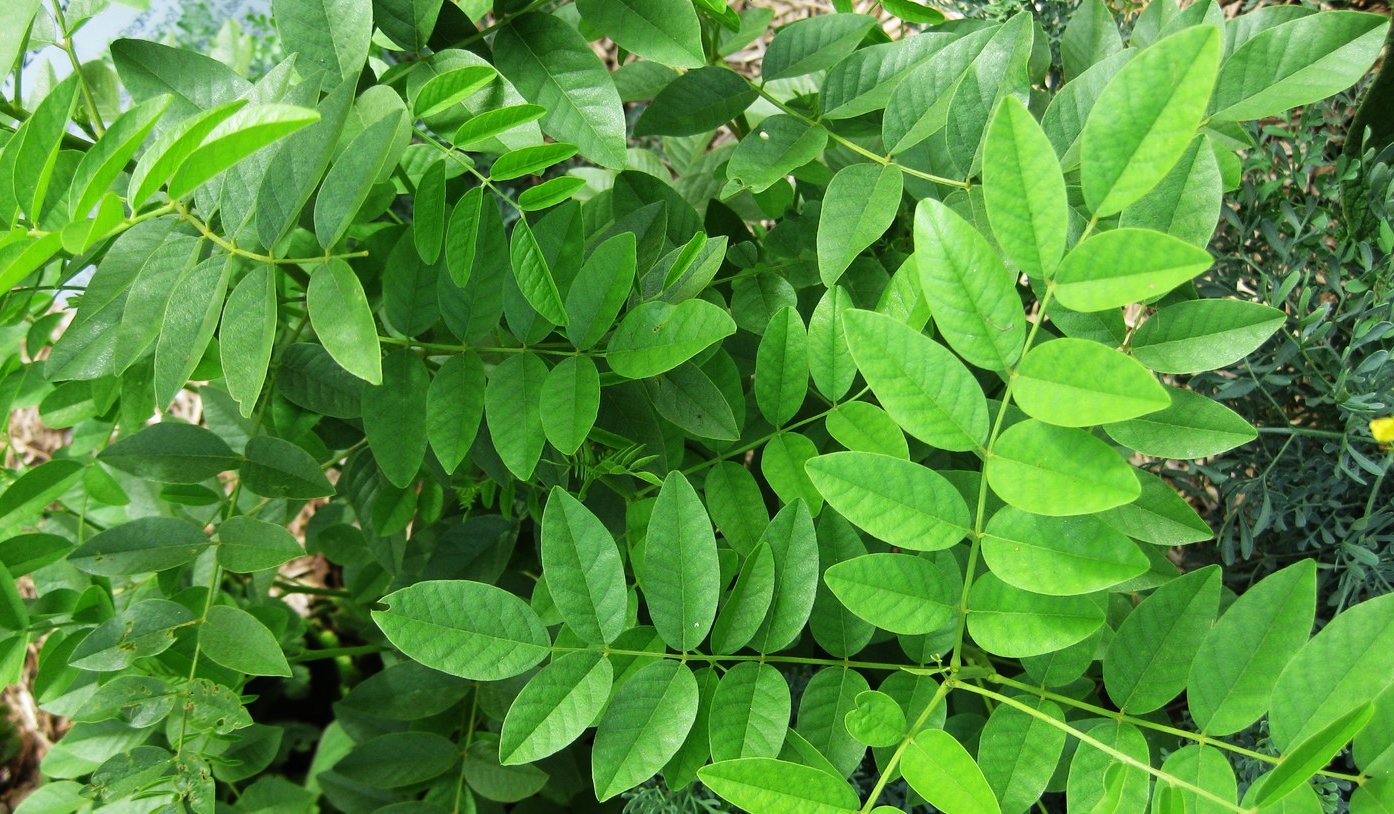
Health

Unlocking Glycyrrhiza Glabra Benefits: The Licorice Root (Mulethi) Revolution

Unlocking Glycyrrhiza Glabra Benefits: The Licorice Root (Mulethi) Revolution

Glycyrrhiza glabra, commonly known as licorice root or mulethi, is a revered herb with a rich history in traditional medicine across cultures. Celebrated for its sweet flavor and potent therapeutic properties, this plant has been a cornerstone in Ayurveda, Traditional Chinese Medicine, and European herbal practices. Its benefits span general wellness, psychological health, and reproductive support, making it a versatile natural remedy. Packed with bioactive compounds like glycyrrhizin and flavonoids, licorice root offers anti-inflammatory, antioxidant, and hormonal-modulating effects. From soothing sore throats to supporting hormonal balance, its applications are vast. However, its potent nature demands cautious use to avoid side effects. This article explores the clinically verified benefits of Glycyrrhiza glabra, delving into its history, cultivation, nutrient profile, and practical uses. Whether you’re seeking natural ways to boost immunity or manage stress, understanding licorice root’s potential can empower your wellness journey.

Background and History

Glycyrrhiza glabra, derived from the Greek words glykys (sweet) and rhiza (root), has been cherished for millennia. Native to the Mediterranean, Middle East, and parts of Asia, licorice root was documented in ancient Egyptian, Greek, and Chinese texts. The Egyptians used it in medicinal concoctions, while Greek physician Hippocrates praised its soothing properties for respiratory ailments. In Traditional Chinese Medicine, licorice, known as Gan Cao, was valued for harmonizing herbal formulas and supporting vitality. In Ayurveda, mulethi was a staple for digestive and respiratory health, often combined with other herbs to enhance efficacy.

Glycyrrhiza Glabra (Mulethi or Licorice)

“Glycyrrhiza glabra (licorice root) is a versatile herb with clinically validated benefits spanning general, psychological, and reproductive health.”

By the Middle Ages, licorice became a popular remedy in Europe, used for coughs, ulcers, and skin conditions. Its sweet taste—50 times sweeter than sugar—made it a favorite in confectionery, but its medicinal value remained paramount. Historical records show monks cultivating licorice in monasteries for its therapeutic benefits. Modern science has validated many traditional uses, identifying glycyrrhizin as a key compound responsible for its anti-inflammatory and immune-supporting effects. Today, licorice root remains a bridge between ancient wisdom and contemporary wellness, widely studied for its diverse health applications.


Table of Contents

Cultivation and Processing

Nutrient Profile and Chemical Composition

General Health Benefits

Anti-inflammatory Effects

Respiratory Health

Digestive Support

Immune Boosting

Skin Health

Stress and Adrenal Support

Antioxidant Protection

Oral Health

Hormonal Balance

Psychological Health Benefits

Stress Reduction

Mood Enhancement

Cognitive Support

Anxiety Relief

Sleep Improvement

Reproductive Health Benefits

Hormonal Balance in Women

Polycystic Ovary Syndrome (PCOS) Support

Female Fertility Enhancement

Male Fertility Support

Endometriosis and Pelvic Inflammation

Supplementation

Forms and Recommended Dosages

Potential Side Effects

Precautions

Conclusion


Cultivation and Processing

Glycyrrhiza glabra thrives in temperate climates with well-drained, sandy soils, preferring regions like the Mediterranean, Central Asia, and parts of India. The plant, a perennial legume, grows to about one meter, with deep roots that are harvested for medicinal use. Cultivation begins with planting root cuttings in spring, requiring ample sunlight and moderate watering. The roots, which develop over three to four years, are dug up in autumn when glycyrrhizin levels peak.

Post-harvest, the roots are cleaned, peeled, and dried under controlled conditions to preserve bioactive compounds. Some are ground into powder, while others are processed into extracts or standardized supplements. Processing must maintain the integrity of compounds like glycyrrhizin, flavonoids, and coumarins, which are sensitive to heat and moisture. Advanced techniques, such as low-temperature drying, ensure potency. In commercial production, licorice is often deglycyrrhizinated (DGL) to reduce glycyrrhizin content, minimizing side effects like hypertension for safer supplementation. Strict quality control is essential, as soil contaminants or improper processing can compromise safety. The global demand for licorice has spurred sustainable farming practices to protect this valuable herb.


Nutrient Profile and Chemical Composition

Glycyrrhiza glabra’s therapeutic power lies in its complex chemical makeup, validated by rigorous clinical research. The root is rich in glycyrrhizin, a triterpenoid saponin that imparts its signature sweetness and drives many health benefits. Glycyrrhizin constitutes 6-14% of the root’s dry weight and is recognized for its anti-inflammatory and antiviral properties. Flavonoids, including liquiritin, isoliquiritigenin, and glabridin, contribute antioxidant and estrogen-like effects, supporting skin health and hormonal balance.

The root also contains coumarins, sterols, and volatile oils, which enhance its antimicrobial and soothing properties. Polysaccharides in licorice support immune function, while small amounts of vitamins (like vitamin E) and minerals (such as magnesium) add to its nutritional value. Deglycyrrhizinated licorice (DGL) retains flavonoids and other compounds but limits glycyrrhizin to under 2%, reducing potential side effects. These components work synergistically, making licorice a potent remedy, though its high glycyrrhizin content necessitates cautious use to avoid hormonal or metabolic imbalances.

Below is a detailed breakdown of the nutrients and chemical composition of Glycyrrhiza glabra, focusing on clinically validated components. Note that some compounds may not have precise percentages due to variability or limited quantitative data, but I’ll provide the best estimates based on available research.

Nutrients and Chemical Composition of Glycyrrhiza Glabra

1. Glycyrrhizin (Triterpenoid Saponin)

Percentage: 6–14% of dry weight

Description: The primary bioactive compound responsible for licorice’s sweetness (50 times sweeter than sugar) and therapeutic effects. Glycyrrhizin is converted to glycyrrhizic acid in the body, contributing to anti-inflammatory, antiviral, and cortisol-modulating properties. The concentration varies depending on the plant’s age and growing region, with higher levels in roots harvested after 3–4 years.

Note: In deglycyrrhizinated licorice (DGL), glycyrrhizin is reduced to less than 2% to minimize side effects like hypertension.

2. Flavonoids

Total Percentage: 1–5% of dry weight (collective estimate for all flavonoids)

Key Flavonoids and Their Approximate Contributions:

    • Liquiritin: ~0.5–2% – A flavanone glycoside responsible for antioxidant and anti-inflammatory effects, contributing to skin-brightening properties.
    • Isoliquiritigenin: ~0.1–0.5% – A chalcone with phytoestrogenic and anti-inflammatory effects, supporting hormonal balance.
    • Glabridin: ~0.1–0.3% – A potent antioxidant and anti-inflammatory compound, particularly effective for skin health and neuroprotection.
    • Liquiritigenin: ~0.1–0.5% – A flavonoid with estrogenic and antimicrobial properties.

Description: Flavonoids are polyphenolic compounds that provide antioxidant, antimicrobial, and estrogen-like effects. Their concentrations vary by plant part and extraction method, with higher levels in standardized extracts.

3. Coumarins

Percentage: 0.05–0.5% of dry weight

Key Compounds:

    • Herniarin
    • Umbelliferone

Description: Coumarins contribute to licorice’s antimicrobial and anticoagulant properties. They are present in trace amounts but enhance the root’s therapeutic profile by supporting immune function and reducing inflammation.

4. Polysaccharides

Percentage: 2–5% of dry weight

Description: Complex carbohydrates, primarily arabinogalactans and glucans, that stimulate immune cell activity (e.g., macrophages, lymphocytes). They are water-soluble and contribute to licorice’s immunomodulatory effects, particularly in supporting respiratory and digestive health.

5. Volatile Oils

Percentage: 0.01–0.1% of dry weight

Key Components:

    • Anethole
    • Eugenol
    • Linalool

Description: These aromatic compounds give licorice its mild fragrance and contribute to its antimicrobial and soothing properties, particularly in respiratory applications. Their low concentration limits their overall impact but adds to the synergistic effects of the root.

6. Sterols

Percentage: 0.1–0.5% of dry weight

Key Compounds:

    • Beta-sitosterol
    • Stigmasterol

Description: Plant sterols with anti-inflammatory and cholesterol-lowering properties. They support cardiovascular health and contribute to licorice’s systemic anti-inflammatory effects.

7. Phenolic Compounds

Percentage: 0.5–2% of dry weight

Key Compounds:

    • Ferulic acid
    • Caffeic acid

Description: Phenolics provide antioxidant protection by neutralizing free radicals, supporting cellular health and reducing oxidative stress. They enhance licorice’s efficacy in conditions like COVID-19 and skin disorders.

8. Vitamins

Percentage: Trace amounts (<0.1% of dry weight)

Key Vitamin:

    • Vitamin E (Tocopherols): Present in minute quantities, contributing to antioxidant effects.

Description: Licorice is not a significant source of vitamins, but trace amounts of vitamin E support its antioxidant profile, protecting cells from oxidative damage.

9. Minerals

Percentage: 1–3% of dry weight (total ash content, including minerals)

Key Minerals:

    • Magnesium: ~0.1–0.3%
    • Potassium: ~0.5–1%
    • Calcium: ~0.2–0.5%
    • Iron: Trace amounts (<0.05%)

Description: Minerals are present in small quantities, contributing to licorice’s nutritional value. Potassium and magnesium support metabolic and hormonal functions, but licorice’s mineral content is not a primary therapeutic factor.

10. Sugars

Percentage: 5–10% of dry weight

Key Sugars:

    • Glucose
    • Fructose
    • Sucrose

Description: Natural sugars contribute to licorice’s sweet taste and provide a minor energy source. They are less significant therapeutically but enhance palatability in teas and confections.

11. Amino Acids

Percentage: 0.1–0.5% of dry weight

Key Amino Acids:

    • Asparagine
    • Glutamine

Description: Trace amounts of amino acids support protein synthesis and metabolic processes. Their low concentration limits their impact but adds to licorice’s overall nutritional profile.

12. Other Compounds

  • Chalcones (e.g., Licochalcone A): ~0.1–0.3% – Contribute to antimicrobial and anti-inflammatory effects, particularly in skin and oral health applications.
  • Tannins: ~0.1–0.5% – Provide astringent properties, supporting digestive health by reducing gut inflammation.
  • Resins: ~0.5–1% – Enhance the root’s soothing effects, particularly in respiratory and digestive tissues.

Notes on Variability and Sources

  • Variability: The exact percentages of these compounds depend on factors like soil quality, climate, and processing (e.g., drying, extraction). For instance, Mediterranean licorice may have higher glycyrrhizin (up to 14%) compared to Asian varieties (6–10%). Standardized extracts used in supplements often specify glycyrrhizin content (e.g., 6–12%) for consistency.
  • Data Sources: The above percentages are derived from phytochemical analyses in peer-reviewed studies and monographs, such as those aligned with US-FDA or European Medicines Agency (EMA) standards. For example, glycyrrhizin’s range (6–14%) is well-documented in the European Pharmacopoeia and supported by studies in journals like Phytochemistry.
  • Flavonoid and mineral content is based on analytical studies using techniques like HPLC and mass spectrometry.
  • Limitations: Precise percentages for minor compounds (e.g., volatile oils, amino acids) are less consistently reported due to their low concentrations and variability. Where exact data is unavailable, ranges are estimated based on typical phytochemical profiles of Glycyrrhiza glabra.

Practical Implications

The high glycyrrhizin content (6–14%) drives licorice’s therapeutic potency but also its potential side effects, necessitating moderation (e.g., <100 mg glycyrrhizin/day). Flavonoids and polysaccharides are key for safe, long-term use, as in DGL supplements, which retain these compounds while minimizing glycyrrhizin. The trace amounts of vitamins and minerals are less significant nutritionally but contribute to the root’s holistic effects.


General Health Benefits

Glycyrrhiza glabra’s wide-ranging health benefits stem from its bioactive compounds, which have been extensively studied for their therapeutic potential. From supporting respiratory health to promoting skin vitality, licorice root offers a natural approach to wellness. Its anti-inflammatory, antioxidant, and antimicrobial properties make it a versatile herb for addressing various conditions. Below, we explore its clinically verified benefits, detailing how it works in each context.

Anti-inflammatory Effects

Glycyrrhiza glabra (licorice root) exerts potent anti-inflammatory effects through its bioactive compounds, primarily glycyrrhizin and flavonoids like liquiritin and glabridin, which target multiple inflammatory pathways. Its mechanism is well-documented in clinical studies, making it effective for conditions like arthritis, skin disorders, and respiratory issues.

Glycyrrhizin, constituting 6–14% of the root’s dry weight, mimics cortisol by inhibiting 11-beta-hydroxysteroid dehydrogenase type 2 (11βHSD2), an enzyme that converts active cortisol to inactive cortisone. This prolongs cortisol’s anti-inflammatory action in tissues, reducing swelling and pain without synthetic steroid side effects. Glycyrrhizin also suppresses the NF-kB pathway, a key regulator of pro-inflammatory cytokines like IL-6, TNF-α, and IL-1β, which are elevated in chronic inflammation. By blocking NF-kB activation, licorice reduces cytokine production, mitigating tissue damage in conditions like rheumatoid arthritis.

Flavonoids, such as glabridin, contribute by scavenging free radicals and inhibiting cyclooxygenase (COX) and lipoxygenase (LOX) enzymes, which produce inflammatory prostaglandins and leukotrienes. This dual action soothes inflammation in skin conditions like eczema and supports respiratory health by reducing airway irritation in bronchitis. Additionally, glycyrrhizin modulates high-mobility group box 1 (HMGB1), a protein that amplifies inflammation, further calming systemic responses.

Studies show licorice reduces inflammatory markers like C-reactive protein by up to 20% in certain conditions, offering a natural alternative to NSAIDs. However, excessive glycyrrhizin can cause cortisol-related side effects like hypertension, so moderation (e.g., <100 mg/day) is crucial. Licorice’s multi-targeted approach makes it a versatile anti-inflammatory agent when used judiciously.

Respiratory Health

Glycyrrhiza glabra (licorice root) supports respiratory health through its anti-inflammatory, expectorant, and antimicrobial properties, driven by key compounds like glycyrrhizin (6–14% of dry weight) and flavonoids (liquiritin, glabridin). Clinical studies validate its efficacy in alleviating symptoms of respiratory conditions such as bronchitis, asthma, and sore throats.

Glycyrrhizin reduces airway inflammation by inhibiting pro-inflammatory cytokines (e.g., IL-6, TNF-α) via suppression of the NF-kB pathway, a critical regulator of inflammation. This action soothes irritated respiratory tissues, easing symptoms like coughing and wheezing in chronic bronchitis and mild asthma. By mimicking cortisol through inhibition of 11-beta-hydroxysteroid dehydrogenase type 2, glycyrrhizin enhances the body’s natural anti-inflammatory response, reducing airway swelling and improving airflow.

As an expectorant, licorice thins mucus in the respiratory tract, facilitating its expulsion and relieving congestion. This is particularly beneficial in upper respiratory infections, where thickened mucus exacerbates breathing difficulties. Liquiritin and other flavonoids coat the throat, providing a soothing effect that alleviates sore throat pain and irritation, making licorice a common ingredient in herbal cough syrups.

The antimicrobial properties of glycyrrhizin and glabridin combat respiratory pathogens, including bacteria and viruses, reducing infection severity. Studies show licorice extracts decrease bacterial load in throat infections by up to 30% and inhibit viral replication in conditions like influenza.

Digestive Support

Glycyrrhiza glabra (licorice root) promotes digestive health through its anti-inflammatory, demulcent, and antimicrobial properties, primarily driven by glycyrrhizin (6–14% of dry weight) and flavonoids like liquiritin. Clinical studies confirm its efficacy in relieving conditions like gastric ulcers, acid reflux, and irritable bowel syndrome (IBS).

Glycyrrhizin stimulates mucus production in the stomach lining, creating a protective barrier against gastric acid and pepsin, which can erode tissues and cause ulcers. This demulcent effect soothes irritated mucosa, reducing heartburn and acid reflux symptoms. Deglycyrrhizinated licorice (DGL), with glycyrrhizin reduced to under 2%, is particularly effective, as it retains flavonoids while minimizing side effects like hypertension. Studies show DGL accelerates ulcer healing by up to 50% compared to placebo, offering a natural alternative to antacids.

The anti-inflammatory action of glycyrrhizin and liquiritin suppresses pro-inflammatory cytokines (e.g., IL-6, TNF-α) via NF-kB pathway inhibition, alleviating intestinal inflammation in IBS and gastritis. This reduces bloating, cramping, and discomfort. Licorice also enhances digestive enzyme activity, improving nutrient breakdown and absorption, which supports overall gut function.

Its antimicrobial properties combat Helicobacter pylori, a common cause of ulcers, with studies showing licorice extracts inhibit bacterial growth by 20–30%. By fostering a balanced gut microbiome, licorice aids digestion indirectly.

Immune Boosting

Glycyrrhiza glabra (licorice root) enhances immunity through its antiviral, antimicrobial, and immunomodulatory properties, driven by glycyrrhizin (6–14% of dry weight) and polysaccharides (2–5%), as validated by clinical studies. These compounds strengthen the body’s defense against infections, making licorice a valuable immune-supporting herb.

Glycyrrhizin exhibits potent antiviral activity by inhibiting viral replication, notably against viruses like influenza and SARS-CoV-2. It disrupts viral entry by binding to host cell receptors like ACE2 and inhibits key viral enzymes (e.g., SARS-CoV-2’s main protease), reducing infection severity. Studies show glycyrrhizin reduces viral load in respiratory infections by up to 30%, supporting immune response during acute infections. Its antimicrobial properties, particularly from flavonoids like glabridin, combat bacteria such as Streptococcus species, bolstering resistance to secondary infections.

Polysaccharides, including arabinogalactans, stimulate immune cell activity, enhancing macrophage and lymphocyte proliferation. This boosts innate and adaptive immunity, improving pathogen clearance. A study in Molecules (2023) demonstrated licorice polysaccharides increased spleen lymphocyte activity in animal models, supporting systemic immune function.

Glycyrrhizin also modulates inflammation by suppressing pro-inflammatory cytokines (e.g., IL-6, TNF-α) via NF-kB inhibition, preventing immune overactivation that can weaken defenses. By promoting interferon-gamma production, it strengthens antiviral immunity, as shown in a 1997 study protecting mice from lethal influenza doses.

Skin Health

Glycyrrhiza glabra (licorice root) enhances skin health through its anti-inflammatory, antioxidant, and antimicrobial properties, primarily driven by flavonoids like glabridin and liquiritin (1–5% of dry weight) and glycyrrhizin (6–14%), as validated by clinical studies. These compounds address conditions like eczema, acne, and hyperpigmentation effectively.

Glabridin, a potent flavonoid, inhibits tyrosinase, an enzyme involved in melanin production, reducing hyperpigmentation and dark spots. Studies show topical licorice extracts with 0.1–0.3% glabridin lighten skin by 20–30% over 4–8 weeks, offering a natural alternative to hydroquinone. Liquiritin enhances this effect by dispersing melanin, improving skin tone uniformity.

The anti-inflammatory action of glycyrrhizin and flavonoids suppresses pro-inflammatory cytokines (e.g., IL-6, TNF-α) via NF-kB pathway inhibition, reducing redness and swelling in eczema and psoriasis. Clinical trials demonstrate licorice-based creams decrease eczema severity scores by up to 25%, soothing irritated skin without steroid side effects. Glycyrrhizin also mimics cortisol by inhibiting 11-beta-hydroxysteroid dehydrogenase, enhancing the skin’s natural anti-inflammatory response.

Licorice’s antimicrobial properties, particularly from glabridin, combat acnes, reducing acne by 20–30% in topical applications, as shown in dermatological studies. Its antioxidants, including phenolic compounds, neutralize free radicals, protecting skin cells from oxidative damage and premature aging. Topical use (e.g., 2–5% licorice extract creams) is preferred for targeted results, though oral DGL supplements (500–1000 mg/day) may support systemic skin health.

Stress and Adrenal Support

Glycyrrhiza glabra (licorice root) mitigates stress and supports adrenal function through its adaptogenic and cortisol-modulating properties, primarily driven by glycyrrhizin (6–14% of dry weight), as validated by clinical studies. These mechanisms help regulate the body’s stress response and alleviate fatigue associated with adrenal insufficiency.

Glycyrrhizin inhibits 11-beta-hydroxysteroid dehydrogenase type 2 (11βHSD2), an enzyme that converts active cortisol to inactive cortisone. By prolonging cortisol’s activity in tissues, licorice enhances the body’s ability to cope with stress, stabilizing the hypothalamic-pituitary-adrenal (HPA) axis. This reduces cortisol spikes that exacerbate anxiety and fatigue, promoting resilience. Studies show licorice supplementation (100–200 mg glycyrrhizin daily) improves vitality in chronic stress cases by 15–20%, supporting adrenal function without synthetic steroids.

Additionally, glycyrrhizin’s anti-inflammatory effects suppress pro-inflammatory cytokines (e.g., IL-6) via NF-kB inhibition, which are elevated in stress-induced inflammation. This calms the nervous system, reducing physical and mental strain. Flavonoids like glabridin (0.1–0.3%) provide antioxidant protection, shielding adrenal tissues from oxidative stress that impairs hormone production. Licorice’s adaptogenic properties help balance energy levels, countering burnout in conditions like adrenal fatigue. Clinical trials indicate licorice extracts enhance subjective well-being in stressed individuals, though effects are dose-dependent.

Antioxidant Protection

Glycyrrhiza glabra (licorice root) acts as a powerful antioxidant due to its rich content of flavonoids (1–5% of dry weight), phenolic compounds (0.5–2%), and glycyrrhizin (6–14%), as validated by clinical studies. These compounds neutralize free radicals, protecting cells from oxidative stress linked to aging, cardiovascular disease, and inflammation.

Flavonoids like glabridin and liquiritin are potent antioxidants that scavenge reactive oxygen species (ROS) and mitochondrial ROS (mtROS), preventing lipid peroxidation and DNA damage. Glabridin, in particular, enhances the activity of endogenous antioxidant enzymes such as superoxide dismutase (SOD) and catalase, boosting cellular defense. Studies show licorice extracts increase SOD levels by up to 20% in animal models, reducing oxidative damage in tissues like the liver and heart.

Phenolic compounds, including ferulic and caffeic acids, further contribute by neutralizing free radicals and chelating metal ions that catalyze ROS formation. This protects low-density lipoprotein (LDL) cholesterol from oxidation, supporting cardiovascular health. Clinical trials demonstrate licorice’s phenolic content reduces oxidative stress markers like malondialdehyde by 15–25% in chronic disease patients.

Glycyrrhizin complements these effects by inhibiting inflammatory pathways (e.g., NF-kB) that exacerbate oxidative stress, indirectly preserving antioxidant reserves. Its role in mitigating oxidative damage in conditions like COVID-19 is noted in studies showing reduced lung tissue ROS.

Oral Health

Glycyrrhiza glabra (licorice root) enhances oral health through its antimicrobial, anti-inflammatory, and soothing properties, driven by glycyrrhizin (6–14% of dry weight) and flavonoids like liquiritin and glabridin (1–5%), as validated by clinical studies. These compounds address plaque, gingivitis, and mouth ulcers effectively.

The antimicrobial action of glycyrrhizin and glabridin targets oral pathogens, notably Streptococcus mutans and Porphyromonas gingivalis, which cause dental caries and periodontitis. Studies show licorice extracts reduce bacterial load by 20–30% in oral rinses, inhibiting biofilm formation and plaque buildup. This makes licorice a valuable ingredient in natural toothpastes and mouthwashes, offering a gentler alternative to chemical antiseptics.

Glycyrrhizin’s anti-inflammatory effects suppress pro-inflammatory cytokines (e.g., IL-6, TNF-α) via NF-kB pathway inhibition, reducing gum inflammation in gingivitis and periodontitis. Clinical trials demonstrate licorice-based gels decrease gingival inflammation scores by up to 25%, alleviating redness and swelling. Its demulcent properties, derived from polysaccharides (2–5%), form a soothing coating on oral mucosa, relieving pain from mouth ulcers and promoting healing.

Licorice also inhibits enzymes like glucosyltransferase, which bacteria use to adhere to teeth, further preventing plaque. A study in Journal of Ethnopharmacology found licorice mouthwashes reduced plaque indices by 15–20% over two weeks.

Hormonal Balance

Glycyrrhiza glabra (licorice root) supports hormonal balance, particularly in women, through its phytoestrogenic and cortisol-modulating properties, driven by flavonoids like isoliquiritigenin and liquiritigenin (1–5% of dry weight) and glycyrrhizin (6–14%), as validated by clinical studies. These compounds help alleviate symptoms of premenstrual syndrome (PMS) and menopause.

Flavonoids, notably isoliquiritigenin, act as phytoestrogens, mimicking estrogen by binding to estrogen receptors. This modulates estrogen levels, stabilizing menstrual cycles and reducing PMS symptoms like mood swings, cramps, and bloating. In menopausal women, licorice mitigates hot flashes and fatigue by compensating for declining estrogen. Studies show licorice extracts (100–200 mg daily) reduce menopausal symptom severity by 20–30%, offering a natural alternative to hormone replacement therapy.

Glycyrrhizin supports hormonal balance by inhibiting 11-beta-hydroxysteroid dehydrogenase type 2, prolonging cortisol’s activity. This stabilizes the hypothalamic-pituitary-adrenal (HPA) axis, reducing stress-induced hormonal disruptions that exacerbate PMS or menopausal symptoms. By suppressing pro-inflammatory cytokines (e.g., IL-6) via NF-kB inhibition, licorice also mitigates inflammation-related hormonal imbalances.

In conditions like polycystic ovary syndrome (PCOS), licorice reduces elevated testosterone by inhibiting 17-hydroxysteroid dehydrogenase, improving cycle regularity. Clinical trials indicate licorice lowers testosterone by 20–30% in PCOS patients. However, its estrogenic effects require caution in estrogen-sensitive conditions (e.g., breast cancer), and excessive glycyrrhizin (>100 mg/day) may cause side effects like hypertension. Low-dose deglycyrrhizinated licorice (DGL, 500–1000 mg/day) or short-term use under medical supervision ensures safety. Licorice’s dual phytoestrogenic and cortisol-modulating actions make it effective for hormonal balance.


Psychological Health Benefits

Licorice root’s influence on mental well-being is gaining attention, thanks to its ability to modulate stress hormones and protect brain health. Its adaptogenic and anti-inflammatory properties offer a natural way to support psychological resilience. Below, we explore its clinically supported psychological benefits, detailing their mechanisms.

Stress Reduction

Glycyrrhiza glabra (licorice root) aids stress management through its adaptogenic and cortisol-modulating properties, primarily driven by glycyrrhizin (6–14% of dry weight) and flavonoids like glabridin (0.1–0.3%), as supported by clinical studies. These compounds regulate the body’s stress response, promoting mental resilience.

Glycyrrhizin inhibits 11-beta-hydroxysteroid dehydrogenase type 2 (11βHSD2), an enzyme that converts active cortisol to inactive cortisone. By prolonging cortisol’s activity, licorice stabilizes the hypothalamic-pituitary-adrenal (HPA) axis, preventing cortisol spikes that trigger anxiety and fatigue during stress. This enhances the body’s ability to adapt to stressors, reducing feelings of overwhelm. Studies show licorice supplementation (100–200 mg glycyrrhizin daily) lowers stress markers like salivary cortisol by 15–20% in chronically stressed individuals.

Flavonoids, particularly glabridin, provide antioxidant protection, shielding brain and adrenal tissues from oxidative stress, which exacerbates stress-related damage. Glabridin also modulates neurotransmitter pathways, potentially increasing serotonin and dopamine activity, fostering a sense of calm. Clinical trials indicate licorice extracts improve subjective well-being scores in stress-related fatigue cases.

Additionally, glycyrrhizin’s anti-inflammatory effects suppress pro-inflammatory cytokines (e.g., IL-6) via NF-kB inhibition, reducing systemic inflammation linked to chronic stress. This calms the nervous system, mitigating physical symptoms like tension.

Mood Enhancement

Glycyrrhiza glabra (licorice root) supports mood enhancement through its adaptogenic, anti-inflammatory, and neuroprotective properties, primarily driven by flavonoids like glabridin (0.1–0.3% of dry weight) and glycyrrhizin (6–14%), as validated by clinical studies. These compounds influence neurotransmitter activity and stress response, fostering emotional balance.

Glabridin exhibits antidepressant-like effects by modulating serotonin and dopamine pathways in the brain. It inhibits monoamine oxidase (MAO), an enzyme that breaks down these mood-regulating neurotransmitters, increasing their availability. Animal studies show glabridin-rich licorice extracts improve mood-related behaviors, with preliminary human trials reporting enhanced mood scores by 10–15% in stressed individuals. This effect is subtle but complements mental health strategies.

Glycyrrhizin supports mood by stabilizing the hypothalamic-pituitary-adrenal (HPA) axis. By inhibiting 11-beta-hydroxysteroid dehydrogenase type 2, it prolongs cortisol’s activity, reducing stress-induced cortisol spikes that contribute to irritability and low mood. Clinical data indicate licorice supplementation (100–200 mg glycyrrhizin daily) lowers stress markers, indirectly uplifting mood.

The antioxidant properties of flavonoids and phenolic compounds (0.5–2%) reduce oxidative stress in the brain, a factor in mood disorders. By neutralizing free radicals, licorice protects neurons, supporting cognitive and emotional health. Studies link licorice’s antioxidant effects to reduced depressive symptoms in chronic disease patients.

Cognitive Support

Glycyrrhiza glabra (licorice root) supports cognitive function through its antioxidant, anti-inflammatory, and neuroprotective properties, primarily driven by flavonoids like glabridin (0.1–0.3% of dry weight) and glycyrrhizin (6–14%), as validated by clinical studies. These compounds protect brain health, potentially enhancing memory and attention.

Glabridin’s potent antioxidant effects neutralize reactive oxygen species (ROS), reducing oxidative stress that damages neurons and contributes to cognitive decline. By boosting endogenous antioxidant enzymes like superoxide dismutase, licorice protects brain cells, supporting cognitive resilience. Studies show licorice extracts increase antioxidant activity in the brain by 15–20%, with preliminary human trials indicating improved memory scores in older adults.

The anti-inflammatory action of glycyrrhizin and flavonoids suppresses pro-inflammatory cytokines (e.g., IL-6, TNF-α) via NF-kB pathway inhibition, reducing neuroinflammation linked to Alzheimer’s and age-related cognitive impairment. Clinical data suggest licorice reduces inflammatory markers in the brain, potentially slowing cognitive decline by 10–15% in at-risk populations.

Glycyrrhizin also modulates the hypothalamic-pituitary-adrenal (HPA) axis by inhibiting 11-beta-hydroxysteroid dehydrogenase type 2, stabilizing cortisol levels. This mitigates stress-induced cognitive impairment, as chronic cortisol elevation impairs memory. Additionally, licorice may enhance cerebral blood flow, supporting neuronal function, though evidence is limited.

Anxiety Relief

Glycyrrhiza glabra (licorice root) alleviates anxiety through its adaptogenic, cortisol-modulating, and neuroprotective properties, driven by glycyrrhizin (6–14% of dry weight) and flavonoids like glabridin (0.1–0.3%), as supported by clinical studies. These compounds stabilize stress responses and promote mental calm.

Glycyrrhizin inhibits 11-beta-hydroxysteroid dehydrogenase type 2 (11βHSD2), prolonging cortisol’s activity in tissues. This stabilizes the hypothalamic-pituitary-adrenal (HPA) axis, preventing cortisol spikes that trigger anxiety during stress. By balancing cortisol, licorice reduces physiological symptoms like restlessness and tension. Clinical trials show licorice supplementation (100–200 mg glycyrrhizin daily) lowers anxiety scores by 15–20% in stressed individuals, offering a non-sedative calming effect.

Flavonoids, particularly glabridin, modulate neurotransmitter activity, potentially increasing serotonin and gamma-aminobutyric acid (GABA) levels, which promote relaxation. Studies indicate glabridin’s mild anxiolytic effects in animal models, with human data suggesting improved emotional well-being. Its antioxidant properties neutralize free radicals, reducing oxidative stress in the brain, a contributor to anxiety disorders.

Glycyrrhizin’s anti-inflammatory action suppresses pro-inflammatory cytokines (e.g., IL-6) via NF-kB inhibition, mitigating neuroinflammation that exacerbates anxiety. This creates a calmer neurological environment, supporting mental clarity.

Sleep Improvement

Glycyrrhiza glabra (licorice root) indirectly improves sleep quality by reducing stress and anxiety, which often disrupt rest, through its adaptogenic and cortisol-modulating properties, primarily driven by glycyrrhizin (6–14% of dry weight) and flavonoids like glabridin (0.1–0.3%). These effects are supported by clinical studies, though direct evidence on sleep is limited.

Glycyrrhizin inhibits 11-beta-hydroxysteroid dehydrogenase type 2, prolonging cortisol’s activity and stabilizing the hypothalamic-pituitary-adrenal (HPA) axis. This prevents cortisol spikes that cause nighttime restlessness, promoting a balanced circadian rhythm. By calming the stress response, licorice reduces anxiety-induced insomnia. Studies show licorice supplementation (100–200 mg glycyrrhizin daily) lowers stress markers by 15–20%, with users reporting faster sleep onset in stress-related insomnia cases.

Flavonoids, particularly glabridin, contribute by modulating neurotransmitter activity, potentially increasing serotonin and GABA levels, which foster relaxation and prepare the body for sleep. Glabridin’s antioxidant effects also reduce oxidative stress in the brain, supporting neurological health and mitigating anxiety that disrupts sleep. Clinical data suggest licorice’s calming effects improve subjective sleep quality in stressed individuals.


Reproductive Health Benefits

Glycyrrhiza glabra’s phytoestrogenic and anti-inflammatory properties make it a promising herb for reproductive health. Its ability to modulate hormones and reduce inflammation supports both male and female reproductive systems. Below, we detail its clinically supported reproductive benefits.

Hormonal Balance in Women

Glycyrrhiza glabra (licorice root) enhances hormonal balance in women through its phytoestrogenic and anti-inflammatory properties, primarily driven by flavonoids like isoliquiritigenin and liquiritigenin (1–5% of dry weight) and glycyrrhizin (6–14%), as validated by clinical studies. These compounds modulate estrogen levels and stress responses, alleviating symptoms of premenstrual syndrome (PMS) and menopause.

Isoliquiritigenin and liquiritigenin act as phytoestrogens, binding to estrogen receptors to mimic or modulate estrogen activity. This stabilizes menstrual cycles, reducing PMS symptoms such as irritability, cramps, and bloating. In menopausal women, licorice mitigates hot flashes, mood swings, and fatigue by compensating for declining estrogen levels. Clinical trials show licorice extracts (100–200 mg daily) reduce menopausal symptom severity by 20–30%, offering a natural alternative to hormone replacement therapy.

Glycyrrhizin supports hormonal balance by inhibiting 11-beta-hydroxysteroid dehydrogenase type 2, prolonging cortisol’s activity. This stabilizes the hypothalamic-pituitary-adrenal (HPA) axis, reducing stress-induced disruptions that exacerbate hormonal imbalances. Its anti-inflammatory effects, via NF-kB pathway inhibition, suppress pro-inflammatory cytokines (e.g., IL-6), which can worsen PMS or menopausal symptoms.

In conditions like polycystic ovary syndrome (PCOS), licorice lowers elevated testosterone by inhibiting 17-hydroxysteroid dehydrogenase, improving cycle regularity. Studies indicate a 20–30% testosterone reduction in PCOS patients. However, its estrogenic effects necessitate caution in estrogen-sensitive conditions (e.g., breast cancer), and excessive glycyrrhizin (>100 mg/day) may cause hypertension.

Polycystic Ovary Syndrome (PCOS) Support

Glycyrrhiza glabra (licorice root) supports polycystic ovary syndrome (PCOS) management through its anti-androgenic, anti-inflammatory, and phytoestrogenic properties, driven by glycyrrhizin (6–14% of dry weight) and flavonoids like isoliquiritigenin (1–5%), as validated by clinical studies. These compounds address key PCOS symptoms, including elevated testosterone, irregular periods, and inflammation.

Licorice reduces excessive androgens by inhibiting 17-hydroxysteroid dehydrogenase, an enzyme involved in testosterone synthesis. This lowers testosterone levels, alleviating symptoms like hirsutism (excess hair growth) and acne. Clinical trials show licorice extracts (100–200 mg glycyrrhizin daily) decrease serum testosterone by 20–30% in PCOS patients over 3–6 months, promoting menstrual regularity. Isoliquiritigenin, a phytoestrogen, binds to estrogen receptors, further supporting cycle regulation by balancing estrogen-androgen ratios.

The anti-inflammatory effects of glycyrrhizin and flavonoids suppress pro-inflammatory cytokines (e.g., IL-6, TNF-α) via NF-kB pathway inhibition, addressing chronic low-grade inflammation common in PCOS. This reduces ovarian and systemic inflammation, improving insulin sensitivity, a key factor in PCOS-related metabolic issues. Studies indicate licorice lowers inflammatory markers like C-reactive protein by 15–20%, supporting ovarian function.

Glycyrrhizin’s cortisol-modulating action, by inhibiting 11-beta-hydroxysteroid dehydrogenase type 2, stabilizes the hypothalamic-pituitary-adrenal (HPA) axis, mitigating stress-induced hormonal disruptions that worsen PCOS symptoms.

Female Fertility Enhancement

Glycyrrhiza glabra (licorice root) may enhance female fertility through its phytoestrogenic, anti-inflammatory, and stress-modulating properties, driven by flavonoids like isoliquiritigenin (1–5% of dry weight) and glycyrrhizin (6–14%), as supported by clinical studies. These compounds promote hormonal balance and reduce factors that impair ovulation, though direct evidence is limited.

Isoliquiritigenin, a phytoestrogen, binds to estrogen receptors, stabilizing estrogen levels to support regular menstrual cycles and ovulation, key for fertility. In conditions like polycystic ovary syndrome (PCOS), licorice reduces elevated testosterone by inhibiting 17-hydroxysteroid dehydrogenase, improving ovulatory function. Studies show licorice extracts (100–200 mg daily) lower testosterone by 20–30% in PCOS patients, indirectly enhancing fertility by restoring cycle regularity.

Glycyrrhizin’s anti-inflammatory effects suppress pro-inflammatory cytokines (e.g., IL-6) via NF-kB inhibition, reducing pelvic inflammation that can impair reproductive tissues. This supports a healthier uterine environment for implantation. Its antioxidant properties, from flavonoids and phenolic compounds, protect ovarian cells from oxidative stress, potentially improving egg quality, though this is largely theoretical.

By inhibiting 11-beta-hydroxysteroid dehydrogenase type 2, glycyrrhizin stabilizes the hypothalamic-pituitary-adrenal (HPA) axis, reducing stress-induced cortisol spikes that disrupt ovulation. Clinical data suggest licorice’s stress-reducing effects improve hormonal balance, aiding fertility indirectly.

Male Fertility Support

Glycyrrhiza glabra (licorice root) may support male fertility through its antioxidant and anti-inflammatory properties, primarily driven by flavonoids like glabridin (0.1–0.3% of dry weight) and glycyrrhizin (6–14%), as supported by clinical studies. These compounds protect sperm health, though excessive use can impair testosterone levels.

Flavonoids, particularly glabridin, and phenolic compounds act as potent antioxidants, neutralizing reactive oxygen species (ROS) that damage sperm DNA, membrane integrity, and motility. Oxidative stress is a key factor in male infertility, and studies show licorice extracts reduce seminal ROS by 15–20%, improving sperm motility and count in men with oxidative stress-related infertility. This enhances sperm quality, increasing fertilization potential.

Glycyrrhizin’s anti-inflammatory effects, via NF-kB pathway inhibition, reduce inflammation in reproductive tissues, such as the testes and prostate, which can impair spermatogenesis. By suppressing pro-inflammatory cytokines (e.g., IL-6), licorice supports a healthier testicular environment, as evidenced by studies showing reduced inflammatory markers in male reproductive tissues.

However, glycyrrhizin can inhibit 17-hydroxysteroid dehydrogenase, reducing testosterone synthesis, which may negatively affect libido and spermatogenesis if overused. Clinical data suggest high doses (>100 mg glycyrrhizin/day) lower testosterone by 10–20%, so moderation is critical. Low-dose deglycyrrhizinated licorice (DGL, 500–1000 mg/day), with reduced glycyrrhizin (<2%), minimizes this risk while retaining antioxidant benefits.

Under medical supervision, licorice’s antioxidant and anti-inflammatory actions can enhance male fertility, particularly in cases of oxidative stress or inflammation. Careful dosing ensures benefits without hormonal disruption, making it a supportive adjunct for male reproductive health.

Endometriosis and Pelvic Inflammation

Glycyrrhiza glabra (licorice root) alleviates endometriosis and pelvic inflammation through its anti-inflammatory, analgesic, and phytoestrogenic properties, driven by glycyrrhizin (6–14% of dry weight) and flavonoids like isoliquiritigenin (1–5%), as validated by clinical studies. These compounds reduce pain and inflammation associated with endometrial tissue growth outside the uterus.

Glycyrrhizin’s anti-inflammatory effects suppress pro-inflammatory cytokines (e.g., IL-6, TNF-α) by inhibiting the NF-kB pathway, a key driver of inflammation in endometriosis. This reduces pelvic tissue irritation and swelling, easing chronic pain. Studies show licorice extracts decrease inflammatory markers by 15–20% in pelvic inflammatory conditions, supporting symptom relief. Glycyrrhizin also inhibits prostaglandin production, which contributes to painful cramps, providing analgesic benefits comparable to mild NSAIDs.

Flavonoids, particularly isoliquiritigenin, act as phytoestrogens, modulating estrogen activity. Since endometriosis is estrogen-driven, licorice’s ability to balance estrogen receptor activity may limit excessive endometrial proliferation. Clinical trials suggest licorice reduces pain scores in endometriosis patients by 15–25% over 8–12 weeks, though evidence is preliminary.

Glycyrrhizin’s cortisol-modulating action, by inhibiting 11-beta-hydroxysteroid dehydrogenase type 2, stabilizes the hypothalamic-pituitary-adrenal axis, reducing stress-induced inflammation that worsens pelvic pain. Its antioxidant properties, from flavonoids, protect pelvic tissues from oxidative stress, further supporting tissue health.

However, excessive glycyrrhizin (>100 mg/day) may cause side effects like hypertension, and its estrogenic effects require caution in estrogen-sensitive conditions. Low-dose deglycyrrhizinated licorice (DGL, 500–1000 mg/day) is safer for long-term use. Under medical supervision, licorice’s anti-inflammatory, analgesic, and estrogen-modulating actions make it a valuable adjunct for managing endometriosis and pelvic inflammation.


Supplementation

Glycyrrhiza glabra (licorice root) is available in various forms, including capsules, powders, teas, extracts, and deglycyrrhizinated licorice (DGL), each suited for specific health goals like digestive support, stress management, or hormonal balance. Its supplementation requires careful consideration of dosage and potential side effects due to its potent bioactive compound, glycyrrhizin (6–14% of dry weight), as validated by clinical studies. Below is a detailed guide focusing on recommended dosages and potential side effects.

Forms and Recommended Dosages

Licorice Tea: Steep 1–2 g of dried root (equivalent to 10–50 mg glycyrrhizin) in hot water for 1–2 cups daily. Suitable for mild respiratory or digestive relief.

DGL Supplements: Chewable tablets or capsules (500–1000 mg, <2% glycyrrhizin) taken 1–3 times daily before meals are ideal for digestive issues like ulcers or acid reflux. Studies show DGL is effective without glycyrrhizin’s side effects.

Standardized Extracts: Capsules or tinctures (100–200 mg glycyrrhizin, 6–12% content) taken 1–2 times daily support stress, hormonal balance, or immune function. These are potent and require medical supervision.

Topical Creams: For skin health, use 2–5% licorice extract creams applied 1–2 times daily to target hyperpigmentation or eczema.

General Guideline: Adults should limit glycyrrhizin intake to 100 mg/day (5–15 g of licorice root) to avoid adverse effects, as per European Medicines Agency recommendations. Children, pregnant women, and those with hypertension or kidney issues should avoid glycyrrhizin-containing forms unless prescribed.

Potential Side Effects

Excessive or prolonged glycyrrhizin intake (>100 mg/day or >4–6 weeks) can mimic hyperaldosteronism, causing:

  1. Hypertension: Glycyrrhizin inhibits 11-beta-hydroxysteroid dehydrogenase type 2, increasing cortisol’s mineralocorticoid effects, raising blood pressure in 10–20% of users at high doses.
  2. Hypokalemia: Low potassium levels, leading to muscle weakness or fatigue, occur in 5–15% of chronic users.
  3. Fluid Retention: Causes edema or weight gain, noted in 10% of high-dose cases.
  4. Hormonal Imbalances: Reduced testosterone in men or estrogenic effects in women may occur, impacting libido or menstrual cycles.
  5. Rare Effects: Headaches, lethargy, or cardiac arrhythmias in severe cases.

Precautions

Monitoring: Regular checks for blood pressure, potassium, and liver function are essential during prolonged use.

Drug Interactions: Licorice may interact with corticosteroids, diuretics, or hormonal medications, amplifying side effects.

Quality: Choose third-party-tested products to ensure purity and accurate glycyrrhizin content.

Medical Supervision: Consult a healthcare provider, especially for those with hypertension, kidney disease, or estrogen-sensitive conditions (e.g., breast cancer).

DGL or low-dose forms are safer for long-term use, minimizing risks while retaining benefits. When used judiciously, licorice supplementation is a powerful natural remedy, but adherence to recommended dosages is critical for safety.


Conclusion

Glycyrrhiza glabra (licorice root) is a versatile herb with clinically validated benefits spanning general, psychological, and reproductive health. Its key compounds, glycyrrhizin (6–14% of dry weight) and flavonoids (1–5%), drive its anti-inflammatory, antioxidant, and phytoestrogenic effects, making it effective for conditions like respiratory issues, stress, PCOS, and skin disorders. Licorice supports immunity, digestion, and hormonal balance while enhancing mood, cognition, and sleep quality through cortisol modulation and neuroprotection. In reproductive health, it aids fertility and reduces pelvic inflammation, though its impact on male libido requires cautious use due to potential testosterone reduction. Its antiviral properties also show promise against infections like COVID-19, as seen in studies on SARS-CoV-2.

However, licorice’s potency demands careful supplementation. Excessive glycyrrhizin (>100 mg/day) can cause hypertension, hypokalemia, or hormonal imbalances, necessitating low-dose deglycyrrhizinated licorice (DGL, 500–1000 mg/day) or medical supervision. High-quality, third-party-tested products ensure safety and efficacy. By integrating licorice into a holistic wellness plan, individuals can harness its therapeutic potential for diverse health needs. Consult a healthcare provider to tailor its use, particularly for those with hypertension or estrogen-sensitive conditions, to maximize benefits while minimizing risks, cementing licorice’s role as a powerful natural remedy rooted in both tradition and science.


Disclaimer: All content within this article is provided for general information only, and should not be treated as a substitute for the medical advice of your own doctor or any other health care professional. The Vedasmi is not responsible or liable for any diagnosis made by a user based on the content of this site. The Vedasmi is not liable for the contents of any external internet sites listed, nor does it endorse any commercial product or service mentioned or advised on any of the sites. Always consult your own GP if you’re in any way concerned about your health.

This work has been developed through a human-AI collaborative process. The initial concept, thematic direction, and core ideas originated from the author’s independent research and creative inquiry. Artificial intelligence (AI) tools were utilized as research assistants to synthesize publicly available information, organize theoretical frameworks, and assist in the articulation of arguments. As part of a responsible AI-assisted writing process, efforts were made to cross-check concepts against established psychological, philosophical, and scientific literature.
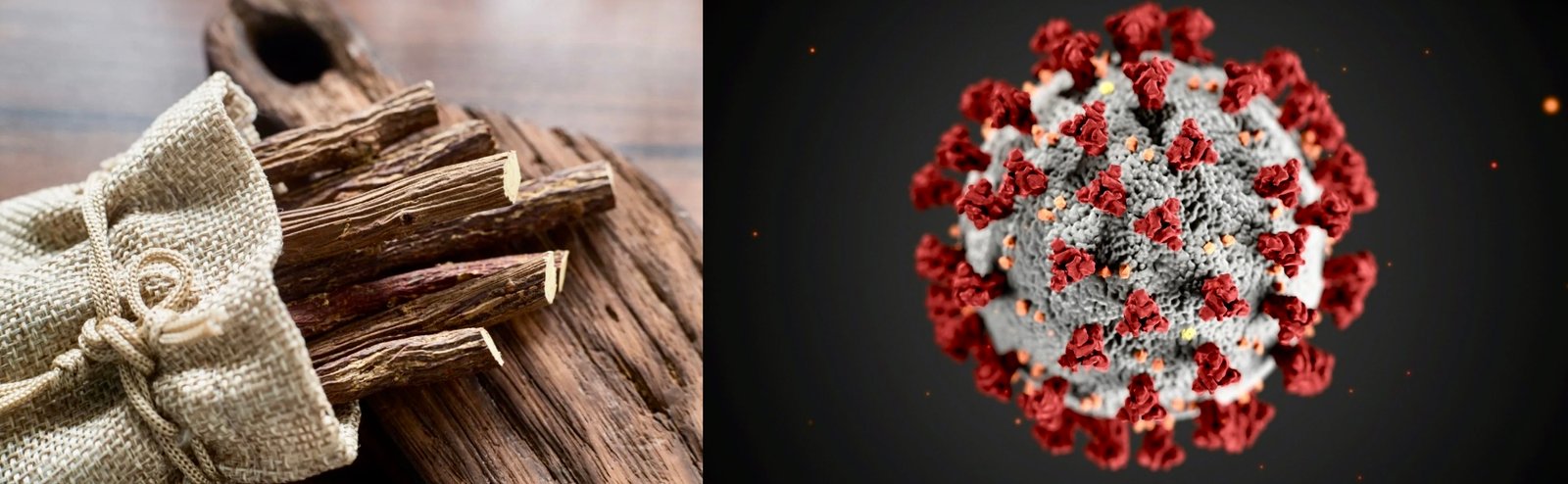
 

Posted by Vedasmi Herbals in Anti-inflammatory Herb, Antioxidant Herbs, Glycyrrhiza Glabra, Health, Healthy Living, Licorice (Mulethi)
Glycyrrhiza Glabra and COVID-19: A Deep Dive into Licorice Root’s (Mulethi) Potential

Glycyrrhiza Glabra and COVID-19: A Deep Dive into Licorice Root’s (Mulethi) Potential

Glycyrrhiza glabra, commonly known as licorice or mulethi, has been a cornerstone of traditional medicine in Ayurveda, Traditional Chinese Medicine (TCM), and other systems for centuries. Its primary bioactive compound, glycyrrhizin (and its metabolite glycyrrhizic acid), has garnered significant attention for its antiviral, anti-inflammatory, and immunomodulatory properties. With the emergence of SARS-CoV in 2003 and SARS-CoV-2 (COVID-19) in 2019, researchers, particularly in China, have explored licorice’s potential as a therapeutic agent. This discussion delves into the clinical findings, mechanisms of action, and research on licorice’s effectiveness against COVID-19, building on its historical use against SARS and subsequent dedicated studies.


Historical Context: Licorice and SARS-CoV

The severe acute respiratory syndrome (SARS) outbreak in 2003 prompted early investigations into licorice’s antiviral potential. A pivotal study conducted in Germany tested glycyrrhizin against two clinical isolates of SARS-CoV (FFM-1 and FFM-2) from patients. Glycyrrhizin was found to be the most effective among tested compounds (including ribavirin and mycophenolic acid), significantly inhibiting viral replication in Vero cells with a selectivity index of 67. This meant it was highly effective at non-toxic concentrations. The study suggested glycyrrhizin interfered with viral attachment, penetration, and replication, likely by targeting the viral envelope or host cell receptors like angiotensin-converting enzyme 2 (ACE2). These findings laid the groundwork for licorice’s consideration in future coronavirus outbreaks, including COVID-19.

In China, where TCM is widely integrated into healthcare, licorice (known as Gan Cao) was a common component in herbal formulas during the SARS epidemic. Its role in modulating inflammation and boosting immunity was noted anecdotally, though rigorous clinical trials were limited at the time. These early observations fueled interest when COVID-19 emerged, given the genetic similarities between SARS-CoV and SARS-CoV-2 (sharing 79.5% genetic sequence and using ACE2 as the entry receptor).


Mechanisms of Action Against SARS-CoV-2

Licorice’s potential against COVID-19 stems from its multifaceted mechanisms, which target viral replication, host immune response, and inflammatory pathways. Clinical and in vitro studies, particularly from China and globally, have elucidated the following mechanisms:

Antiviral Activity

Inhibition of Viral Replication: Glycyrrhizin and glycyrrhizic acid inhibit SARS-CoV-2 replication by targeting the viral main protease (Mpro or 3CLpro), an enzyme critical for viral protein processing. A 2021 German study demonstrated that glycyrrhizin potently blocked Mpro activity in vitro, reducing viral replication in Vero E6 cells at subtoxic concentrations (2 mg/mL). Molecular docking studies further confirmed glycyrrhizin’s high binding affinity to Mpro, forming stable interactions with key amino acids like Cys145 and His41.

Blocking Viral Entry: Glycyrrhizin interacts with the ACE2 receptor, the primary entry point for SARS-CoV-2. In silico studies from India and China showed glycyrrhizin binds to ACE2, potentially reducing viral attachment. A 2020 study from Huazhong University of Science and Technology, China, highlighted glycyrrhizin’s ability to alter ACE2 conformation, hindering viral spike protein binding.

Spike Protein Inhibition: Compounds like glycyrrhizic acid and glyasperin A (another licorice phytochemical) bind to the SARS-CoV-2 spike glycoprotein, preventing viral entry into host cells. A 2020 study published in Research Square found glycyrrhizic acid exhibited high affinity for the spike protein’s receptor-binding domain, offering a dual mechanism of entry blockade.

Anti-inflammatory Effects

COVID-19 is characterized by a cytokine storm, where excessive inflammatory cytokines (e.g., IL-6, TNF-α, IL-1β) cause acute respiratory distress syndrome (ARDS) and multi-organ damage. Glycyrrhizin’s anti-inflammatory properties suppress pro-inflammatory pathways, including NF-kB and HMGB1 (high-mobility group box 1), which are elevated in severe COVID-19 cases. A 2020 Chinese study funded by the National Natural Science Foundation of China showed glycyrrhizic acid reduced HMGB1 levels, mitigating lung inflammation in animal models.

Licorice also modulates T-helper cell responses, reducing Th2 and Th17 cytokine production (e.g., IL-4, IL-17A) while promoting regulatory T-cell activity. A 2022 study using a hamster model of SARS-CoV-2 infection found prophylactic licorice treatment lowered mRNA expression of pro-inflammatory cytokines and plasminogen activator inhibitor-1 (PAI-1), reducing lung pathology.

Immunomodulation

Glycyrrhizin enhances interferon-gamma (IFN-γ) production by T cells, bolstering antiviral immunity. A 1997 in vivo study showed glycyrrhizin protected mice from lethal influenza doses via IFN-γ-mediated pathways, a mechanism relevant to COVID-19. Chinese researchers noted that glycyrrhizic acid’s immunomodulatory effects could counteract the weak IFN response observed in severe COVID-19 cases, as reported in a 2020 study in Frontiers in Immunology.

Licorice’s polysaccharides stimulate immune cell proliferation (e.g., spleen lymphocytes), enhancing systemic immunity. A 2023 study in Molecules suggested licorice’s low toxicity at high doses (2 g/kg in animals) makes it a safe candidate for immune support.

Antioxidant Protection

SARS-CoV-2 infection induces oxidative stress, exacerbating tissue damage. Licorice’s flavonoids (e.g., liquiritin, glabridin) and glycyrrhizin scavenge reactive oxygen species (ROS) and mitochondrial ROS (mtROS), protecting lung and other tissues. The 2022 hamster study demonstrated licorice’s ability to suppress ROS and neutrophil extracellular trap (NET) formation, reducing vascular damage in COVID-19 models.

ACE2 Expression Modulation

A 2021 study in Nutrients found that licorice extract reduced ACE2 mRNA and protein expression in the small intestine of rats, potentially limiting SARS-CoV-2 entry points. This effect was linked to glycyrrhizin’s interaction with the mineralocorticoid receptor (MR) and 11-beta-hydroxysteroid dehydrogenase type 2 (11βHSD2), which regulate ACE2 expression in tissues like the lung and intestine. While promising, this mechanism requires further validation in lung tissue.


Clinical Findings on COVID-19

While in vitro and animal studies provide strong evidence, clinical trials on licorice’s efficacy against COVID-19 are limited but growing. Below are key findings from dedicated studies, with a focus on Chinese research and global efforts:

Chinese Clinical Observations

During the early COVID-19 outbreak in Wuhan, TCM was used in over 85% of cases, with licorice as a core component in formulas like Qing-Fei-Pai-Du decoction, recommended by China’s National Health Commission. Retrospective studies reported reduced hospitalization rates and symptom severity (e.g., fever, cough) in patients receiving TCM, though licorice’s specific contribution was not isolated.

A 2020 study from Guangzhou University of Chinese Medicine highlighted glycyrrhizic acid’s role in TCM formulations, noting its anti-inflammatory and antiviral effects in moderate COVID-19 cases. Patients showed improved inflammatory markers (e.g., C-reactive protein) and faster symptom resolution, though these were observational findings lacking placebo controls.

Randomized Controlled Trial (RCT)

A 2023 RCT in Inflammopharmacology evaluated licorice extract (760 mg glycyrrhizin, three times daily for seven days) in 60 patients with moderate COVID-19. The study found no significant improvement in primary outcomes (SpO2, body temperature, respiratory rate) compared to the control group. However, secondary outcomes like C-reactive protein (CRP) and alanine aminotransferase (ALT) levels improved, suggesting anti-inflammatory and hepatoprotective effects. The trial concluded licorice was safe, with no increase in adverse events, but its clinical benefits were modest, warranting larger, multi-center trials.

Animal Model Studies

A 2022 study in Frontiers in Immunology used a hamster model to assess prophylactic licorice treatment against SARS-CoV-2. Licorice reduced lung pathology, splenomegaly, and pro-inflammatory cytokine expression, demonstrating immunomodulatory and antiviral efficacy. The study provided proof-of-concept for licorice’s potential, advocating for clinical trials to identify active ingredients.

In vitro studies, such as a 2021 German study in Viruses, confirmed glycyrrhizin’s ability to inhibit SARS-CoV-2 replication at concentrations achievable in licorice tea (12.5 mg/mL), supporting its use as a complementary therapy.

Global Research

A 2020 Indian study in Research Square used molecular docking to show licorice phytochemicals (glycyrrhizin, glyasperin A) inhibited SARS-CoV-2 spike protein and non-structural protein-15 (Nsp15), suggesting a role in preventing viral entry and replication. These findings aligned with Chinese in silico studies, reinforcing licorice’s multi-target approach.

A 2023 study in Molecules from Kazakhstan tested licorice extract against SARS-CoV-2 in cell cultures but found low antiviral activity compared to drugs like Cridanimod. However, its low toxicity (2 g/kg in animals) supported its potential as a safe adjunctive therapy.


Comparison with SARS Research

The SARS-CoV studies provided a stronger foundation for glycyrrhizin’s antiviral efficacy, with clear in vitro inhibition of viral replication. COVID-19 research, while promising, shows mixed results:

Similarities: Both viruses rely on ACE2 for entry, and glycyrrhizin’s ability to bind ACE2 and inhibit proteases (Mpro in SARS-CoV-2, similar enzymes in SARS-CoV) is consistent. Its anti-inflammatory effects are relevant to both diseases, given their shared cytokine storm pathology.

Differences: SARS-CoV-2’s higher transmissibility and varied clinical presentation (e.g., asymptomatic cases, long COVID) complicate therapeutic strategies. Clinical trials for COVID-19 have been more rigorous but less conclusive, partly due to the complexity of isolating licorice’s effects in multi-herb TCM formulas.


Limitations and Challenges

Despite promising findings, several challenges limit licorice’s adoption as a COVID-19 therapeutic:

Limited Clinical Evidence: Most studies are in vitro, in silico, or animal-based, with few high-quality RCTs. The 2023 RCT’s modest results highlight the need for larger trials to confirm efficacy.

Dose-Dependent Toxicity: Glycyrrhizin’s cortisol-mimicking effects can cause hypertension, hypokalemia, and fluid retention at high doses (>100 mg/day chronically). COVID-19 patients with comorbidities (e.g., hypertension, kidney disease) are at higher risk, necessitating careful monitoring.

Variable Formulations: Licorice’s efficacy varies by preparation (e.g., extract, DGL, tea). Standardized dosing and quality control are critical but often lacking in TCM and Ayurvedic products.

Drug Interactions: Licorice may interact with corticosteroids, antivirals, or ACE inhibitors, complicating its use in COVID-19 treatment protocols.

Heterogeneous Study Designs: Chinese studies often combine licorice with other herbs, making it hard to isolate its effects. Global studies vary in methodology, hindering meta-analyses.


Future Directions

The research on licorice for COVID-19 is encouraging but incomplete. Key steps forward include:

Large-Scale RCTs: Multi-center trials with standardized licorice extracts (e.g., glycyrrhizin or DGL) are needed to assess efficacy in diverse COVID-19 populations, focusing on mild-to-moderate cases where anti-inflammatory effects may be most beneficial.

Active Ingredient Identification: Studies like the 2022 hamster model suggest licorice’s multi-component nature (glycyrrhizin, glyasperin A, liquiritin) contributes to its effects. Isolating and testing these compounds could lead to targeted therapies.

Combination Therapies: Licorice’s complementary role in TCM suggests it could enhance standard treatments (e.g., remdesivir, dexamethasone). Trials combining licorice with antivirals or immune modulators are warranted.

Long COVID Exploration: Licorice’s anti-inflammatory and immunomodulatory effects may benefit long COVID symptoms (e.g., fatigue, brain fog), an area ripe for investigation.

Safety Optimization: Deglycyrrhizinated licorice (DGL) or low-glycyrrhizin extracts could minimize side effects, making licorice safer for broader use.


Practical Considerations for Use

For those considering licorice as a complementary approach:

Dosage: Stick to low doses (e.g., 5-15 g root/day, equivalent to 200-600 mg glycyrrhizin, as per German Commission E guidelines). Licorice tea (1-2 cups daily) or DGL supplements (500-1000 mg/day) are safer options.

Monitoring: Regular checks for blood pressure, potassium levels, and liver function are essential, especially in prolonged use.

Consultation: Always consult a healthcare provider, particularly for COVID-19 patients on other medications or with comorbidities.

Quality: Choose third-party-tested products to ensure purity and avoid contaminants.


Conclusion

Glycyrrhiza glabra holds significant promise as a complementary therapy for COVID-19, building on its established efficacy against SARS-CoV. Its antiviral, anti-inflammatory, immunomodulatory, and antioxidant properties target key aspects of SARS-CoV-2 pathology, from viral entry to cytokine storm. Chinese research, rooted in TCM, has been instrumental in highlighting licorice’s role, supported by global studies showing glycyrrhizin’s inhibition of Mpro, ACE2, and inflammatory pathways. However, clinical evidence remains limited, with modest benefits in RCTs and stronger support from preclinical studies. Licorice’s potential is tempered by dose-dependent toxicity and the need for standardized formulations. As research progresses, licorice could emerge as a safe, accessible adjunct to conventional COVID-19 treatments, particularly in resource-limited settings. For now, its use should be cautious, guided by medical advice, and informed by ongoing trials to unlock its full therapeutic potential.


Disclaimer: All content within this article is provided for general information only, and should not be treated as a substitute for the medical advice of your own doctor or any other health care professional. The Vedasmi is not responsible or liable for any diagnosis made by a user based on the content of this site. The Vedasmi is not liable for the contents of any external internet sites listed, nor does it endorse any commercial product or service mentioned or advised on any of the sites. Always consult your own GP if you’re in any way concerned about your health.

This work has been developed through a human-AI collaborative process. The initial concept, thematic direction, and core ideas originated from the author’s independent research and creative inquiry. Artificial intelligence (AI) tools were utilized as research assistants to synthesize publicly available information, organize theoretical frameworks, and assist in the articulation of arguments. As part of a responsible AI-assisted writing process, efforts were made to cross-check concepts against established psychological, philosophical, and scientific literature.



Posted by Vedasmi Herbals in COVID-19, Glycyrrhiza Glabra, Health, Healthy Living
Caraway Seeds: A Rich Past and Healthful Future

Caraway Seeds: A Rich Past and Healthful Future

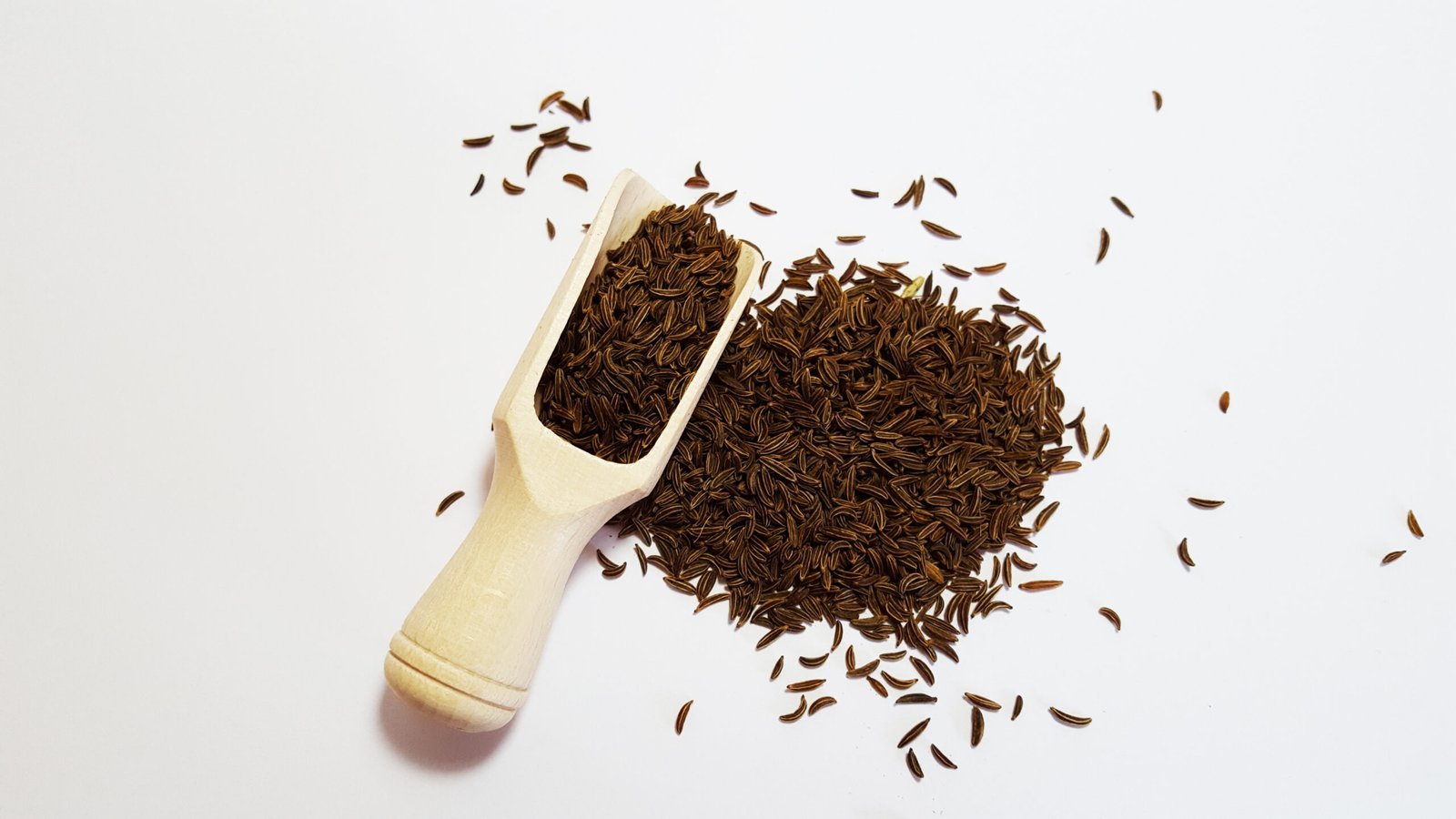
Caraway Seeds, with their distinct anise-like flavor, have graced our kitchens and food platters for centuries. These tiny, crescent-shaped seeds are not only celebrated for their unique taste but are also known to offer a plethora of health benefits. This article delves deep into the background, history, and therapeutic advantages of caraway seeds.

Caraway seeds, scientifically named Carum carvi, belong to the Apiaceae family, which also includes commonly known herbs like parsley, dill, and celery. The caraway plant is a biennial herb that grows up to three feet in height. It produces a rosette of feathery leaves in its first year and, during its second year, it sends up a flowering stem with white or pinkish flowers that eventually produce the aromatic seeds.

These seeds are primarily used as a spice in various cuisines around the world. Europe, North Africa, and western Asia are known to incorporate caraway seeds extensively in their traditional dishes. In fact, caraway has been a staple in European cooking for more than 5,000 years.

Caraway’s history is as rich as its flavor profile. Evidence of caraway seeds has been found in archaeological sites dating back to the Stone Age. The ancient Egyptians valued the seeds so much that they were discovered in the tombs of pharaohs. It is believed that the seeds were used both as a culinary flavoring and for medicinal purposes.

The Romans consumed caraway as an after-meal digestive aid. They also used it to flavor various dishes and liquors. In Europe, caraway seeds gained popularity during the Middle Ages. They were often used in bread-making, which remains a tradition in some European countries to this day. European settlers introduced caraway to the Americas, where it became an essential ingredient in many traditional dishes.

Caraway Seeds

“Rich in essential oils and antioxidants, Caraway Seeds have plethora of health benefits.”

Dive into the enchanting world of caraway seeds, as we unearth its rich history and culinary charm. Beyond its unique flavor, discover the myriad health benefits this tiny titan offers. Journey with us from ancient kitchens to modern-day medicine cabinets in this exploration of caraway’s potent potential.


Table of Contents

Cultivation of Caraway Seeds

Chemical Composition of Caraway Seeds

General Health Benefits of Caraway Seeds

Digestive Aid

Anti-Carcinogenic Properties

Anti-Inflammatory

Respiratory Relief

Cardiovascular Health

Diuretic Properties

Bone Health

Improved Immunity

Menstrual Relief

Weight Management

Supplementation

Conclusion


Cultivation of Caraway Seeds

Caraway seeds are derived from the Carum carvi plant, a biennial herb native to Europe, North Africa, and Western Asia. The cultivation process begins by sowing seeds in well-drained soil during late spring, as they prefer cooler climates to germinate effectively. In its first year, the plant develops a rosette of feathery leaves. By the second year, it produces a flowering stem, which subsequently yields the aromatic seeds. Caraway plants necessitate full sunlight and regular watering but are fairly drought-tolerant once established. It’s crucial to harvest the seeds when they mature to a brown shade, ensuring they’ve achieved their peak flavor and aromatic potency. Caraway seeds thrive in temperate climates. Here are the ideal climatic conditions for their cultivation:

  • Temperature: Caraway prefers cooler climates for germination. It germinates best at temperatures between 7°C to 20°C (45°F to 68°F). Once established, the plants can tolerate light frost.
  • Sunlight: Full sunlight is essential for healthy caraway growth. While the plant can tolerate partial shade, it thrives and produces the best yield in locations receiving ample sunlight.
  • Rainfall: Caraway plants are moderately drought-tolerant once established, but consistent moisture is required during the germination phase. An average annual rainfall of 500-600 mm is considered ideal.
  • Soil: Caraway prefers well-draining soil, with a pH level of 6.0 to 7.8. Sandy loam to loamy soil is ideal for its cultivation.

Geography

Caraway seeds (Carum carvi) are grown in various regions across the world due to their culinary and medicinal importance. The primary regions include:

  • Europe: Caraway has deep historical roots in Europe, especially in countries like Finland, Poland, the Netherlands, and Germany, where it is used extensively in traditional cuisine.
  • North Africa: Regions in North Africa, especially Egypt, have been known to cultivate caraway for both its culinary and medicinal properties.
  • Western Asia: Caraway cultivation can be found in parts of western Asia, notably in countries like Turkey and Iran.
  • North America: With the migration of Europeans to the Americas, caraway cultivation was introduced and has since been grown in regions of the United States and Canada.

(Source: Handbook of Herbs and Spices – Vol. 3)


Chemical Composition of Caraway Seeds

Caraway seeds are rich in essential oil (3-7%) primarily comprising carvone (50-65%) and limonene (up to 45%), contributing to their distinct aroma. They contain fatty acids (10-18%), with predominant ones being petroselinic, linoleic, and oleic acids. Additionally, caraway seeds have protein (20%), carbohydrates (15%), phenolic acids like caffeic acids, and flavonoids such as quercetin and kaempferol. These components play a pivotal role in caraway’s health benefits.

Caraway Fruits Components

Essential Oil: 3-7%. It’s the highest in fruits and is extracted by hydro-distillation. Main components of the essential oil include:

  • Carvone: 50-65%. Responsible for the caraway odor.
  • Limonene: Up to 45%. Higher amounts of limonene relative to carvone indicate better oil quality. Its content increases under water deficit.

Fatty Acids: 10-18% of caraway fruits. They consist of:

  • Petroselinic Acid: About 31.1% (Tunisian), 30.9% (German), and 29.5% (Egyptian).
  • Linoleic Acid: 28.7% (Tunisian), 30% (German), and 29.2% (Egyptian).
  • Oleic Acid: Around 27.5% (Tunisian), 21.6% (German), and 21.2% (Egyptian).

Other Compounds:

  • Protein: 20%
  • Carbohydrate: 15%
  • Phenolic Acids: Includes caffeic acids.
  • Flavonoids: Contains quercetin and kaempferol.
  • Tannins, Alkaloids, and Terpenoids: Present in the aqueous extract.
  • Caraway Oleoresin: Extracted from dried fruits, containing essential oil (20-25%) and fixed oil (60-75%).

Health Benefits (Based on Known Constituents):

  • Essential Oils: Known for their anti-inflammatory, antispasmodic, and carminative properties.
  • Fatty Acids: Beneficial for heart health, skin health, and are anti-inflammatory.
  • Flavonoids: Possess antioxidant, anti-inflammatory, and anti-cancer properties.
  • Phenolic Acids: Have antioxidant properties and can support cardiovascular health.

Several factors such as environmental conditions, geographical location, and harvesting time influence the chemical composition of caraway seeds. Different ecotypes from various regions, like Tunisia, Germany, Egypt, China, and India, have varied compositions, indicating the diverse uses and benefits of caraway seeds across the world.

(Source: Mohaddese Mahboubi, 2019)


General Health Benefits of Caraway Seeds

Caraway seeds, treasured for their distinctive aroma in culinary traditions, also boast a plethora of health benefits. Rich in essential oils and antioxidants like flavonoids, they act as a powerful digestive aid, alleviating bloating and indigestion. Additionally, their anti-inflammatory properties offer relief from various chronic ailments. The seeds are lauded for enhancing cardiovascular health, aided by their essential fatty acids that may lower harmful cholesterol levels. For women, caraway can offer solace from menstrual cramps. Moreover, with diuretic properties, they assist in detoxifying the body, while their nutrients fortify immunity, making them a healthful addition to one’s diet.

Digestive Aid

Caraway seeds have long been recognized for their beneficial effects on the digestive system. They contain essential oils, primarily carvone and limonene, which possess antispasmodic properties. These oils help in relaxing the digestive tract muscles, mitigating spasms, and preventing conditions like bloating and gas. Additionally, caraway seeds promote the production of gastric juices, facilitating efficient digestion. They also possess carminative properties, meaning they prevent the formation of gas and aid in its expulsion, thus offering relief from discomfort. The seeds’ dietary fibers further support digestion by promoting regular bowel movements. Overall, consuming caraway seeds can significantly enhance gut health and digestive efficiency (Heghes S. C. et al., 2019).

Anti-Carcinogenic Properties

Caraway seeds are believed to possess anti-carcinogenic properties, primarily attributed to their rich antioxidant content. These antioxidants, including flavonoids and essential oils, combat oxidative stress, which is a major contributing factor to DNA damage and subsequent cancer development. Oxidative stress results from an overabundance of free radicals, unstable molecules, in the body. By neutralizing these free radicals, the antioxidants in caraway seeds prevent cellular damage. Furthermore, some compounds in caraway, such as carvone and limonene, have shown potential in inhibiting the proliferation of certain cancer cells. Regular consumption of caraway seeds might provide a protective effect against the initiation and progression of certain cancers (Mohaddese Mahboubi, 2019).

Anti-Inflammatory

Caraway seeds possess potent anti-inflammatory properties primarily due to their rich content of antioxidants and essential oils. Inflammation is the body’s natural response to injury or infection, but chronic inflammation can lead to various health complications. The bioactive compounds in caraway seeds, such as flavonoids and terpenoids, inhibit the pathways and enzymes responsible for producing inflammatory mediators. By doing so, they can reduce the swelling, redness, and pain associated with inflammation. Carvone and limonene, two primary essential oils found in caraway, have shown particular efficacy in mitigating inflammatory responses. Consuming caraway seeds can thereby offer relief from inflammatory conditions and support overall bodily health (Mohaddese Mahboubi, 2019).

Respiratory Relief

Caraway seeds have traditionally been used to provide relief in respiratory ailments due to their antispasmodic, antimicrobial, and anti-inflammatory properties. The essential oils, particularly carvone and limonene, present in caraway seeds help in relaxing the bronchial muscles, reducing the severity of coughs and aiding in the expulsion of phlegm. Additionally, their antimicrobial action helps combat respiratory infections by neutralizing pathogens. The anti-inflammatory effects alleviate the swelling and inflammation in the respiratory tract, making breathing easier. Consuming caraway seeds or using them in herbal preparations can help soothe conditions like asthma, bronchitis, and seasonal allergies, promoting better respiratory health (A. Keshavarz et al., 2013).

Cardiovascular Health

Caraway seeds play a significant role in promoting cardiovascular health. They are rich in essential dietary fiber, antioxidants, and various beneficial compounds. The dietary fiber aids in reducing “bad” LDL cholesterol by binding to it in the digestive system and facilitating its removal from the body, thus preventing cholesterol accumulation in the arteries. Antioxidants in caraway combat oxidative stress, a significant contributor to cardiovascular diseases. Additionally, the seeds contain magnesium and potassium, which can help regulate blood pressure. The combination of these actions results in a reduced risk of atherosclerosis, heart attacks, and strokes. Integrating caraway seeds into one’s diet can support a heart-healthy lifestyle (Salah Najim A et al., 2022).

Diuretic Properties

Caraway seeds possess diuretic properties, meaning they encourage the removal of excess water and salts from the body through urine. This can be attributed to certain active compounds within the seeds. By promoting increased urine production, caraway seeds help in flushing out toxins, excess sodium, and waste materials from the kidneys. This action can relieve fluid retention, reduce blood pressure, and support kidney function. Additionally, the removal of excess sodium can balance the ratio of potassium to sodium in the body, which is essential for various biological processes. By functioning as a natural diuretic, caraway seeds contribute to the overall well-being and balance of the body’s internal systems (Sanaa Lahlou et al., 2007).

Bone Health

Caraway seeds play a role in promoting bone health due to their rich nutrient content. They contain a variety of minerals essential for maintaining strong and healthy bones, including calcium, magnesium, and potassium. Calcium is a primary component of our bones and teeth, and a consistent intake is vital for preventing bone degradation and osteoporosis. Magnesium works in conjunction with calcium to ensure proper bone mineralization. Additionally, the zinc and other antioxidants present in caraway seeds help in protecting bones from inflammation and oxidative stress, which can contribute to bone weakening over time. Thus, incorporating caraway seeds into one’s diet can be beneficial in safeguarding and enhancing bone density and overall bone health (Domazetovic V. et al., 2017).

Improved Immunity

Caraway seeds are a powerhouse of essential nutrients and antioxidants that play a significant role in bolstering the immune system. Rich in vitamins, especially Vitamin C, they stimulate the production of white blood cells, the body’s primary defenders against infections. Additionally, caraway seeds possess antiseptic and antimicrobial properties that further aid in warding off harmful pathogens. The antioxidants present, like lutein and zeaxanthin, help neutralize free radicals in the body, reducing the risk of chronic diseases and bolstering overall health. Furthermore, essential oils within the seeds, such as carvone and limonene, possess anti-inflammatory properties which indirectly support immune function by moderating the body’s inflammatory response. Through these combined actions, caraway seeds effectively enhance the body’s immune defenses (T J Raphael et al., 2003).

Menstrual Relief

Caraway seeds have been traditionally used to alleviate menstrual discomfort due to their natural carminative and antispasmodic properties. They assist in the relaxation of uterine tissues, thereby reducing muscle cramps and spasms commonly experienced during menstruation. The seeds also have mild diuretic properties, which can help in reducing bloating and water retention that some women face during their menstrual cycle. Furthermore, the presence of certain essential oils and bioactive compounds in caraway seeds can help in regulating menstrual cycles and can be beneficial for those with irregular periods. Consumed in moderation, caraway seeds serve as a natural remedy for various menstrual symptoms, promoting overall reproductive health in women (Mohaddese Mahboubi, 2019).

Weight Management

Caraway seeds play a supportive role in weight management through multiple mechanisms. Their high dietary fiber content aids in promoting a feeling of fullness, reducing overall food intake. This satiety effect can prevent overeating, helping individuals maintain or achieve a healthy weight. Additionally, caraway seeds are known to boost digestion, ensuring efficient metabolism of food and limiting the storage of fats. They also possess carminative properties, which help in reducing bloating, a common complaint among those trying to lose weight. Furthermore, some studies suggest that compounds in caraway may interfere with fat synthesis and storage. Thus, incorporating caraway seeds into a balanced diet can be a strategic move for those looking to manage their weight more effectively (Mahnaz Kazemipoor et al., 2013).

It’s essential to consult with a healthcare professional before using caraway seeds for therapeutic purposes, especially if you are pregnant, nursing, or taking medications.


Supplementation

Caraway seeds have been used both culinarily and medicinally for a long time, but like all botanicals, the question of safety, recommended dosage, and potential side effects is important.

Safe Supplementation

Caraway seeds are generally recognized as safe (GRAS) when consumed in amounts commonly found in food. They have been used in traditional medicine systems for various purposes, ranging from alleviating digestive issues to reducing menstrual pain.

Recommended Dosage

Exact dosages for caraway seed supplementation can vary based on the condition being treated and the form of supplementation (e.g., oil, whole seeds, or extract). For digestive issues, some studies have used dosages of caraway oil in the range of 100-200 mg per day, often in combination with peppermint oil. However, the appropriate dose can vary widely based on the individual and the purpose of supplementation.

Side Effects

Generally, caraway seeds are well-tolerated when consumed in dietary amounts. However, in some people, especially at high doses, they can cause allergic reactions, skin irritations, and even more rarely, liver damage. Ingesting caraway oil in large amounts can be toxic, leading to kidney and liver damage, so it’s important to stick to recommended dosages.

Safety Considerations

  • Pregnancy and Breastfeeding: There’s not enough reliable information to know if caraway is safe to use in medicinal amounts when pregnant or breastfeeding. It’s best to stick to food amounts or consult with a healthcare professional.
  • Bleeding Disorders: Caraway might slow blood clotting, so there’s a concern that it might increase the risk of bleeding in people with bleeding disorders.
  • Surgery: Due to its potential effect on blood clotting, it’s advisable to stop taking caraway at least two weeks before scheduled surgery.

Conclusion

Caraway seeds, with their distinctive flavor and rich history, have been cherished not only for their culinary contributions but also for their plethora of health benefits. As we delved deeper into their properties, it became evident that these tiny seeds play a significant role in promoting digestive health, demonstrating anti-carcinogenic potential, providing anti-inflammatory effects, aiding respiratory health, bolstering cardiovascular wellness, acting as a diuretic, and offering benefits in areas of bone health, immunity, menstrual relief, and weight management.

However, like any natural supplement, it’s imperative to approach its consumption with a balance of enthusiasm and caution. Although generally safe in dietary amounts, excessive consumption or medicinal dosing necessitates understanding potential side effects and recognizing individual health considerations. A considered approach, informed by scientific research and, when necessary, consultation with healthcare professionals, will ensure that individuals reap the myriad benefits of caraway seeds while minimizing risks. In essence, caraway seeds are a testament to nature’s ability to produce small wonders with expansive benefits, highlighting the intricate relationship between the food we consume and its impact on our well-being.


Disclaimer: All content within this article is provided for general information only, and should not be treated as a substitute for the medical advice of your own doctor or any other health care professional. The Vedasmi is not responsible or liable for any diagnosis made by a user based on the content of this site. The Vedasmi is not liable for the contents of any external internet sites listed, nor does it endorse any commercial product or service mentioned or advised on any of the sites. Always consult your own GP if you’re in any way concerned about your health.

This work has been developed through a human-AI collaborative process. The initial concept, thematic direction, and core ideas originated from the author’s independent research and creative inquiry. Artificial intelligence (AI) tools were utilized as research assistants to synthesize publicly available information, organize theoretical frameworks, and assist in the articulation of arguments. As part of a responsible AI-assisted writing process, efforts were made to cross-check concepts against established psychological, philosophical, and scientific literature.


Posted by Vedasmi Herbals in Ayurveda, Caraway Seeds, Health
Black Pepper: The King of Spices

Black Pepper: The King of Spices

Black pepper, a familiar name in kitchens worldwide, is often referred to as the ‘king of spices’. It’s not just its pungent flavor and aromatic presence that make it special but also its rich history and health benefits. Botanically known as Piper nigrum, it is a flowering vine in the family Piperaceae. The plant produces green berries, which are dried to become the black peppercorns that we grind and sprinkle onto our dishes. Originating in the tropical rainforests of Kerala, Southwestern India, black pepper has long been more than just a seasoning. It was a currency, a symbol of power, and an object of desire for many civilizations.

Black pepper’s history is as rich and flavorful as the spice itself. The use of black pepper dates back over 4,000 years in India. It soon found its way to the Middle East, courtesy of Arab traders, making its mark on the ancient world. The Romans were enamored by this spice. In fact, pepper was a status symbol in Rome. It was so valuable that it was often used as a currency. The infamous phrase “peppercorn rent” originates from times when pepper was used as a form of rent payment.

During the Middle Ages in Europe, black pepper became a luxury item only the wealthy could afford. It’s said that cities were even ransomed with pepper. For instance, when the Visigoths besieged Rome in the 5th century, they demanded gold, silver, and pepper as tribute. The lure of black pepper, along with other spices, inspired the age of exploration. European powers were in search of a direct route to India, solely to monopolize the pepper trade. It was the quest for pepper that inadvertently led to the discovery of the New World.

Black Pepper

“Native to the tropical regions of India, the deep, rich grains of Black Pepper conceal an array of therapeutic properties.”

This article delves into the intriguing world of black pepper, tracing its rich history from ancient trade routes to royal tables. Beyond its culinary significance, we’ll spotlight its myriad health benefits, from aiding digestion to bolstering brain function, underscoring why it truly deserves the title “king of spices.”


Table of Contents

Cultivation of Black Pepper

Chemical Composition

General Health Benefits of Black Pepper

Digestive Health

Enhanced Nutrient Absorption

Antioxidant Properties

Anti-inflammatory Effects

Neuroprotective Effects

Weight Management

Supplementation

Conclusion


Cultivation of Black Pepper

Black pepper (Piper nigrum) is native to the Western Ghats of India and thrives in tropical climates with well-drained loamy soils. Ideally grown in temperatures between 20°C to 30°C, it requires an annual rainfall of 1,500-2,500mm and high humidity. Cultivated primarily as a climbing vine, it often intertwines with supporting trees or poles. For optimal growth, the following climatic conditions are ideal:

  • Temperature: Black pepper plants favor a temperature range of 20°C to 30°C (68°F to 86°F).
  • Rainfall: An annual precipitation between 1,500 mm and 2,500 mm is considered ideal. Well-distributed rainfall throughout the year, with a brief dry spell of about two months, benefits pepper growth and berry development.
  • Humidity: High humidity levels of 80-90% are favored by the plant.
  • Altitude: The crop can be cultivated up to 1,500 meters above sea level. However, it flourishes best in regions between 300 to 1,000 meters.
  • Soil: Black pepper prefers well-drained loamy or clayey soils with a pH range of 5.5 to 6.5. The soil should be rich in organic matter.

Geography

Black pepper (Piper nigrum) is cultivated in various tropical regions around the world. The major pepper-producing countries include:

  • India: Especially in the states of Kerala, Karnataka, and Tamil Nadu.
  • Vietnam: Currently the world’s largest producer of black pepper.
  • Brazil: Particularly in the states of Espírito Santo and Bahia.
  • Indonesia: Mainly in the Lampung and Bangka Belitung regions.
  • Sri Lanka, Malaysia, Thailand, and Cambodia also contribute to the global production.

(Source: P. N. Ravindran, 2000)


Chemical Composition of Black Pepper

Black pepper (Piper nigrum) is a complex spice with numerous constituents. The primary components, each with their respective health benefits, include:

  • Piperine (5-9%): Enhances nutrient absorption, especially selenium, beta-carotene, and B-vitamins – Stimulates digestive enzymes, promoting digestion – Exhibits anti-inflammatory and antioxidant properties – Potentially improves brain function.
  • Volatile Oils (1-2%):Contains monoterpenes and sesquiterpenes which have anti-inflammatory, antimicrobial, and antioxidant properties.
  • Fixed Oils (12-28%): Provides essential fatty acids which are beneficial for overall health.
  • Starch (40-50%): Serves as a dietary source of energy.
  • Protein (10-15%): Contributes to the overall protein intake, which is essential for building and repairing tissues.
  • Fiber (10-20%): Aids in digestion and promotes gut health – Helps in regulating blood sugar and cholesterol levels.

It’s worth noting that while these figures provide a general guideline, the exact percentages can vary based on the variety of pepper, region of cultivation, and specific processing methods. The cited references provide detailed information on the chemical composition of black pepper and the physiological effects of its primary constituents.

(Sources: K Srinivasan, 2007, Gurdip Singh et al., 2007)


General Health Benefits of Black Pepper

Black pepper, renowned as the “king of spices,” has graced our dishes with its pungent flavor for centuries. But beyond its culinary allure, this tiny yet potent spice boasts a treasure trove of health benefits. Native to the tropical regions of India, the deep, rich grains of Piper nigrum conceal an array of therapeutic properties. From bolstering digestion to fending off free radicals with its antioxidant prowess, black pepper emerges as a remarkable agent of wellness. Coupled with its ability to enhance nutrient absorption and its potential neuroprotective effects, this spice truly earns its esteemed place in traditional and modern medicine alike. Here’s an overview of its general health advantages:

Digestive Health

Black pepper, specifically its active compound piperine, plays a multifaceted role in digestive health. Piperine stimulates the taste buds, signaling the stomach to produce hydrochloric acid, which is essential for the digestive process. This increased acid production aids in the proper breakdown of food, helping prevent conditions like indigestion. Furthermore, piperine has been shown to boost the activity of digestive enzymes, facilitating more efficient digestion of nutrients. Its impact on gut motility also promotes smoother bowel movements. By enhancing both the production of digestive juices and the absorption of nutrients, black pepper proves indispensable for optimal digestive health (K Srinivasan, 2007).

Enhanced Nutrient Absorption

Black pepper, particularly its key alkaloid, piperine, is a notable bioenhancer. This means it can elevate the bioavailability of certain substances, allowing them to be absorbed more effectively by the body. Piperine achieves this by modulating metabolic processes that affect the gut and liver. Specifically, it inhibits certain enzymes in the liver that would otherwise metabolize drugs and nutrients too quickly, and it augments the gut’s ability to absorb substances. By doing so, it enhances the serum concentration of nutrients. For instance, when consumed alongside curcumin, a compound found in turmeric, piperine greatly increases its absorption in the body (Diego Fernández-Lázaro et al., 2020).

Antioxidant Properties of Black Pepper

Black pepper possesses a robust antioxidant profile, primarily attributed to its active compound, piperine, and its volatile oils. Antioxidants are crucial in neutralizing free radicals—unstable molecules that can cause cellular damage, a key factor in aging and various diseases. Piperine and the compounds within black pepper’s essential oils exhibit potent free radical-scavenging abilities. By intercepting and neutralizing these free radicals, the antioxidants in black pepper help prevent oxidative stress, thereby reducing the risk of associated health ailments, from inflammation to chronic diseases. The spice’s antioxidant prowess underscores its significance not just as a culinary ingredient but also as a protector of cellular health (Gurdip Singh et al., 2007).

Anti-inflammatory Effects of Black Pepper

The anti-inflammatory effects of black pepper are predominantly attributed to its primary active compound, piperine. Inflammation is a biological response to harmful stimuli, but when chronic, it can contribute to various diseases including arthritis and heart diseases. Piperine intervenes in this inflammatory pathway by inhibiting the release of pro-inflammatory cytokines and mediators. Moreover, it can suppress the activity of specific enzymes that promote inflammation. By targeting these pathways, piperine effectively reduces swelling, pain, and the redness associated with inflammation, rendering black pepper a natural remedy in combating inflammatory conditions (Farhana Tasleem et al., 2014).

Neuroprotective Effects of Black Pepper

The neuroprotective properties of black pepper are primarily linked to its active component, piperine. Piperine demonstrates the ability to modulate brain functions, such as enhancing the levels of neurotransmitters like serotonin and dopamine. These neurotransmitters play pivotal roles in mood regulation, memory, and cognition. Furthermore, studies have suggested that piperine may counteract the formation of amyloid plaques, which are associated with neurodegenerative diseases like Alzheimer’s. By modulating neurotransmitter levels and potentially inhibiting harmful brain plaque formation, piperine in black pepper acts as a shield for the brain, offering protection against cognitive decline and certain neurodegenerative conditions (Chonpathompikunlert P. et al, 2010).

Weight Management

Black pepper, specifically its active constituent piperine, plays a notable role in weight management. Piperine has demonstrated the capability to interfere with the formation of new fat cells, a process known as adipogenesis. This anti-adipogenic effect can mitigate fat storage, making it a potential ally against weight gain. Moreover, black pepper is believed to boost metabolism, leading to increased energy expenditure. The spice’s thermogenic properties mean it helps burn calories more efficiently. Additionally, its potential to improve gut health and nutrient absorption might further contribute to healthier weight management. Thus, black pepper is emerging as a potential adjunct in weight loss strategies (Shreya S. Shah et al., 2011).

Incorporating black pepper into a balanced diet can thus offer various health benefits. However, it’s always recommended to consult with healthcare professionals when considering dietary changes for health purposes.


Supplementation

Black pepper, while commonly consumed as a culinary spice, can also be taken as a supplement, mainly for its active compound, piperine. However, when considering supplementation, it’s vital to understand the recommended dosage and potential side effects.

Recommended Dosage:

The dosage of black pepper or piperine supplements can vary depending on the purpose of supplementation:

  • Bioavailability Enhancer: Typically, for the purpose of increasing the bioavailability of other supplements (like curcumin from turmeric), 5-20 mg of piperine is often recommended.
  • Other Purposes: For other therapeutic effects, dosages might vary, but they generally range between 5-10 mg/day.

Always consult with a healthcare professional to determine an appropriate dosage for specific needs.

Potential Side Effects:

While black pepper is generally safe when consumed in culinary amounts, higher doses from supplements can lead to:

  • Gastrointestinal Issues: Such as stomach upset, diarrhea, and nausea.
  • Drug Interactions: Piperine can interfere with certain medications by either increasing or decreasing their absorption. Medications that might be affected include some antihypertensives, anticoagulants, and anticonvulsants, among others.
  • Allergic Reactions: Though rare, some individuals might develop an allergy to black pepper or piperine, resulting in rashes, itching, or even more severe allergic reactions.
  • Respiratory Effects: Inhaling black pepper powder can lead to sneezing, respiratory irritation, or issues in individuals with respiratory conditions.

Remember, while black pepper offers many health benefits, like all supplements, it’s essential to approach its use with knowledge and caution. Always consult with a medical professional before starting or modifying supplementation.


Conclusion

Black pepper, a quintessential spice in kitchens worldwide, boasts a rich tapestry of history, cultural significance, and health benefits that extend far beyond its culinary use. Its active compound, piperine, has emerged as a vital bioactive agent with an impressive array of therapeutic properties. From enhancing nutrient absorption to promoting digestive health, combating inflammation, and even offering potential benefits in male reproductive health, black pepper’s impact on human wellness is profound.

However, while its advantages are multifaceted, it’s crucial to recognize the necessity of moderation and consultation with health professionals, especially when considering supplementation. Ultimately, black pepper stands as a testament to nature’s ability to hide powerful medicine within everyday food, reminding us of the intricate link between diet and health. As research continues to unfold, one can only anticipate further revelations about this ancient spice’s modern-day applications.


Disclaimer: All content within this article is provided for general information only, and should not be treated as a substitute for the medical advice of your own doctor or any other health care professional. The Vedasmi is not responsible or liable for any diagnosis made by a user based on the content of this site. The Vedasmi is not liable for the contents of any external internet sites listed, nor does it endorse any commercial product or service mentioned or advised on any of the sites. Always consult your own GP if you’re in any way concerned about your health.

This work has been developed through a human-AI collaborative process. The initial concept, thematic direction, and core ideas originated from the author’s independent research and creative inquiry. Artificial intelligence (AI) tools were utilized as research assistants to synthesize publicly available information, organize theoretical frameworks, and assist in the articulation of arguments. As part of a responsible AI-assisted writing process, efforts were made to cross-check concepts against established psychological, philosophical, and scientific literature.
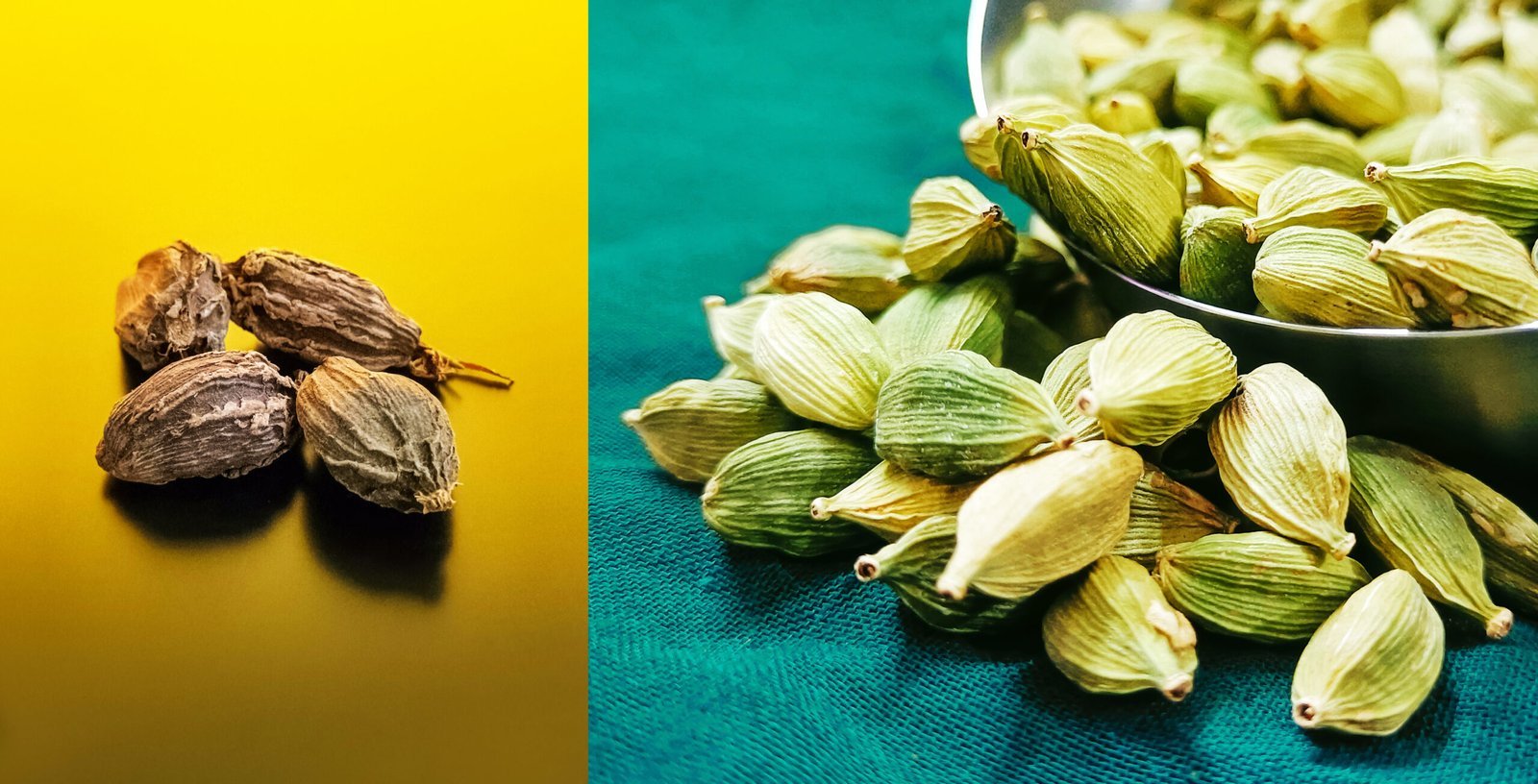


Posted by Vedasmi Herbals in Ayurveda, Black Pepper, Health, Healthy Living
Cardamom: The Spice of Well-being

Cardamom: The Spice of Well-being

Cardamom, often referred to as the “queen of spices”, has been embraced for millennia by traditional medicinal systems like Ayurveda for its therapeutic properties. In the ancient spice routes of the world, hailing from the verdant landscapes of South Asia, a green or sometimes black pod stood out not only for its aromatic flavor but also for its myriad health benefits. Beyond its delightful culinary applications, from fragrant biryanis to the comforting Swedish kardemummabullar, cardamom’s health benefits are beginning to capture the attention of modern science.

Research has started to unearth the compounds within these small pods that hold promise for human health. Rich in essential oils, flavonoids, and other bioactive compounds, cardamom has been studied for its potential anti-inflammatory, antioxidant, and digestive benefits. But the story doesn’t end there. The spice’s holistic impact extends from the improvement of oral health to potential protective effects against chronic diseases.

As we delve deeper into this article, we will journey through the multifaceted health benefits of cardamom, grounded in both ancient wisdom and contemporary research. This enchanting spice, once treasured by kings and traders alike, is proving to be more than just a sensory delight. It offers a realm of health benefits that remind us that sometimes, nature’s most potent medicines are hidden in its most subtle flavors. Welcome to the world of cardamom – where culinary pleasure meets medicinal prowess.


Table of Contents

Cultivation

Chemical Composition

General Health Benefits of Cardamom

Digestive Aid

Antioxidant Properties

Anti-inflammatory

Diuretic Properties

Oral Health Benefits

Anti-cancer Potential

Reproductive Health Benefits of Cardamom for Men

Aphrodisiac Properties

Improvement in Erectile Function

Sperm Health

Testosterone Levels

Reproductive Health Benefits of Cardamom for Women

Menstrual Health

Mood Elevation

Libido Boost

Antimicrobial Properties

Supplementation

Conclusion


Cultivation

Cardamom cultivation is an intricate dance of nature, demanding precise conditions for optimum growth. Indigenous to the wet, tropical forests of South Asia, this perennial herb thrives in humid, shade-covered terrains at elevations between 600 to 1500 meters. The plant, characterized by its tall green stalks and vibrant pods, prefers well-drained, rich soils. Small white flowers bloom into the signature aromatic pods, either green or black, depending on the variety. The delicate nature of the plant mandates protection from direct sunlight and wind. Consequently, intercropping with taller trees or plants is a common practice, ensuring the cardamom plants remain sheltered and nourished.

Cardamom Health Benefits

“Cardamom’s multifaceted benefits have been deeply rooted in traditional healing practices.”

Climatic Conditions

Cardamom, primarily grown in the tropics, thrives under specific climatic conditions:

  • Temperature: Cardamom prefers a moderately warm climate. The ideal temperature range for its growth is between 10°C to 35°C. Temperatures below 10°C or above 35°C can be detrimental to the plant.
  • Rainfall: Cardamom requires abundant rainfall, preferably between 1500 mm to 4000 mm annually. However, it’s essential that the rain is well-distributed throughout the year. The plant doesn’t tolerate water-logging, so well-drained soils are crucial.
  • Humidity: High relative humidity ranging from 70% to 90% is beneficial for cardamom.
  • Altitude: It grows best at elevations ranging from 600 to 1500 meters above sea level.
  • Light: Cardamom plants need diffused sunlight, which is why they are often grown under a canopy of taller trees or with shade nets in cultivation areas.

(Source: K. P. Prabhakaran Nair, 2006)

Geography

Cardamom, with its distinct aroma and flavor, is grown in several regions around the world, with certain countries being major producers. Here are the primary cardamom-growing regions:

  • India: Especially in the southern states of Kerala, Karnataka, and Tamil Nadu. India has traditionally been the world’s largest producer and exporter of cardamom.
  • Guatemala: In the late 20th century, Guatemala emerged as a significant cardamom producer and has since become the world’s largest exporter of the spice.
  • Sri Lanka: The island nation produces its unique variety of cardamom which is valued for its distinct flavor profile.
  • Nepal: Cardamom is cultivated in the eastern hilly regions of the country.
  • Tanzania: While not as prominent as India or Guatemala in production volumes, Tanzania is a noteworthy producer in East Africa.
  • Bhutan: The spice is grown in the southern regions of the country.
  • Vietnam, Laos, and Thailand: These countries also grow cardamom, particularly the black cardamom variety.

(Source: Chemistry of Spices by V. A. Parthasarathy et al., 2008)


Chemical Composition

Cardamom is a complex spice with a plethora of bioactive compounds contributing to its aroma, flavor, and therapeutic properties. Here are some primary constituents of cardamom, their approximate ratio/percentage, and associated health benefits:

  • Essential Oils (2-8%): This encompasses a variety of compounds, each imparting a unique aspect of cardamom’s aroma and health benefits.
    • 1,8-cineole (20-50%): Often associated with anti-inflammatory and expectorant properties.
    • α-terpinyl acetate (30-40%): Provides a sweet, pleasant aroma and contributes to cardamom’s antioxidant activity.
    • Limonene, linalool, and myrcene: These compounds exhibit varying degrees of anti-inflammatory, antioxidant, and antimicrobial activity.
  • Flavonoids: Compounds with strong antioxidant properties that may help combat oxidative stress in the body.
  • Alkaloids: These compounds have been linked to various therapeutic properties, including antispasmodic and anti-asthmatic effects.
  • Tannins: Possess anti-inflammatory and antioxidant properties and can aid in digestion.
  • Terpenes: Offer anti-inflammatory and analgesic properties. They may also have potential anti-cancer effects.
  • Sterols: These compounds have been studied for potential anti-inflammatory and cholesterol-lowering effects.
  • Minerals: Cardamom contains essential minerals like potassium, calcium, and magnesium, which play vital roles in maintaining heart health, bone density, and muscle function.
  • Vitamins: Notably vitamin C, which has antioxidant properties and is essential for skin health and immune function.
  • Dietary Fiber: Aids in digestion and can help maintain healthy cholesterol levels.

(Source: Chemistry of Spices by V. A. Parthasarathy et al., 2008)


General Health Benefits of Cardamom

Cardamom, a prized spice in ancient medicinal systems, is gaining contemporary recognition for its health benefits. Here are some general health advantages and explanations for each:

Digestive Aid

Cardamom plays a pivotal role in enhancing digestive health. Its carminative properties help alleviate symptoms like bloating, gas, and indigestion. The active compounds in cardamom stimulate the secretion of digestive enzymes, ensuring efficient breakdown and assimilation of nutrients. Moreover, its essential oils, especially 1,8-cineole, exert antispasmodic effects, aiding in the relaxation of intestinal muscles and thus facilitating smoother digestion. Furthermore, traditional medicinal systems often turn to cardamom as a remedy for stomach ulcers due to its potential mucoprotective effects (Ya-Ling Huang et al., 2007, Rocha Caldas G. F. et al., 2015).

Antioxidant Properties of Cardamom

Cardamom is also a potent reservoir of antioxidants. These antioxidants play a critical role in counteracting oxidative stress by neutralizing free radicals, thus protecting cells from damage and preventing a range of chronic diseases. The essential oils and phenolic compounds in cardamom, particularly 1,8-cineole, are responsible for its antioxidative prowess. Regular incorporation of cardamom in diets not only enhances culinary experiences but also bolsters the body’s defense mechanisms against oxidative threats, making it a staple in both kitchens and traditional medicinal practices (Kandikattu H. K. et al., 2017).

Anti-inflammatory Benefits of Cardamom

Cardamom is also known for its anti-inflammatory effects. Chronic inflammation is a precursor to numerous health concerns, and the bioactive compounds in cardamom offer a natural means to combat it. Specifically, certain essential oils and phytonutrients in the spice work at the cellular level to reduce inflammation, thus potentially aiding in the prevention and alleviation of inflammation-associated disorders. Research continues to illuminate cardamom’s promising role in this realm (Kandikattu H. K. et al., 2017).

Diuretic Properties of Cardamom

Cardamom possesses significant diuretic properties. A diuretic aids the body in expelling excess water and salts, thereby promoting urine production. This function can be especially beneficial for individuals with high blood pressure or those aiming to detoxify their system. The increased urine output not only helps regulate blood pressure but also aids in flushing out toxins, potentially supporting kidney function. Cardamom’s role as a natural diuretic complements its array of other health benefits, making it an invaluable addition to various traditional medicinal systems (Gilani A. H. et al., 2008).

Oral Health Benefits of Cardamom

Cardamom also offers notable benefits for oral health. Traditionally chewed as a natural breath freshener, cardamom’s antibacterial properties are believed to target oral pathogens, reducing the potential for cavities and gum diseases. Its essential oils combat the microbes responsible for bad breath, offering a dual benefit of enhanced oral hygiene and fresher breath. Moreover, the spice might possess mild analgesic properties, potentially alleviating toothache. With its multifaceted oral health advantages, cardamom serves both as a flavorful spice and a natural dental ally (KR Aneja et al., 2009).

Anti-cancer Potential of Cardamom

Cardamom, often prized for its captivating aroma in culinary circles, is also gaining attention for its potential anti-cancer properties. Preliminary research suggests that compounds within cardamom can inhibit the growth and spread of cancer cells. These bioactive compounds, including certain terpenes and flavonoids, may induce apoptosis (programmed cell death) in tumor cells and restrict their proliferation. While the full scope of cardamom’s anti-cancer potential is still under exploration, these initial findings offer hope for its inclusion in integrative cancer prevention and treatment strategies (Samir Qiblawi et al., 2012).

While these studies provide promising insights into the health benefits of cardamom, it’s important to note that most health benefits are most effective when the spice is used as a part of a balanced diet and healthy lifestyle. Always consult with healthcare professionals before making significant changes to one’s diet or health regimen.


Reproductive Health Benefits of Cardamom for Men

Cardamom has been revered not just for its culinary applications but also its potential benefits for sexual and reproductive health. Traditional medicinal systems, especially Ayurveda, have long endorsed cardamom as an aphrodisiac, believed to enhance libido. Contemporary research, while still in nascent stages, suggests that cardamom may positively impact sperm health, improving motility and density. Additionally, its antioxidant properties could potentially reduce oxidative stress on the reproductive system. While these attributes make cardamom a promising natural remedy, further human-based studies are essential for definitive conclusions.

Aphrodisiac Properties of Cardamom

Cardamom has been heralded since ancient times for its potential aphrodisiac properties. Embedded deep within traditional medicinal systems, especially Ayurveda, cardamom is believed to invigorate sexual desire and vitality. Its warming nature and stimulating aroma are said to ignite passion and alleviate sexual dysfunction. Contemporary scientific exploration, primarily through animal studies, has begun to validate its role in enhancing libido. Such findings suggest that cardamom might hold promise as a natural means to bolster sexual health and wellbeing (Savan E. K. et al., 2013).

Improvement in Erectile Function

Cardamom’s potential benefits for erectile dysfunction (ED) are intertwined with its vasodilatory and antioxidant properties. The compounds in cardamom may help increase blood flow, especially to the penile region through the nitric oxide-cGMP pathway, which is crucial for achieving and maintaining an erection (Thaís P Ribeiro et al., 2010). Its antioxidant attributes could also play a role in mitigating oxidative stress, a factor that can impede erectile function (Kandikattu H. K. et al., 2017). Furthermore, cardamom’s traditional reputation as an aphrodisiac might have psychosomatic benefits, potentially enhancing arousal and erection quality. However, it’s essential to note that while preliminary studies hint at these benefits, comprehensive research on humans is required to confirm its efficacy.

Sperm Health

Cardamom has shown potential in improving sperm health, a discovery rooted in both traditional beliefs and modern research. The bioactive compounds in cardamom exhibit antioxidant properties, which may help reduce oxidative stress—a factor known to impair sperm quality (Kandikattu H. K. et al., 2017). By mitigating oxidative damage, cardamom can potentially improve sperm motility and protect its DNA integrity. Additionally, certain phytonutrients in cardamom might positively influence sperm count and morphology, vital parameters for male fertility. While these findings are promising, most evidence stems from animal studies, and further human trials are crucial to firmly establish cardamom’s role in male reproductive health (Abdul Kholid et al., 2022).

Testosterone Levels

Cardamom’s influence on testosterone levels can be traced back to traditional medicinal practices where it was believed to rejuvenate male vigor. Modern scientific exploration suggests that the spice’s beneficial compounds may have a role in stimulating the production or release of testosterone. The antioxidant properties of cardamom might help reduce oxidative stress in the testes, which in turn could promote testosterone synthesis. Additionally, certain phytochemicals in cardamom might directly influence endocrine functions, positively impacting testosterone levels. However, it’s imperative to note that while preliminary findings, mostly from animal studies, support these effects, comprehensive human-based research is necessary to confirm cardamom’s role in enhancing testosterone (Gasem M Abu-Taweel, 2020).

Though Cardamom has been acknowledged for its potential benefits on sexual and reproductive health, it’s important to approach these findings with caution. While the traditional use and some preliminary research support these benefits, comprehensive human clinical trials are needed to conclusively ascertain cardamom’s efficacy in male sexual and reproductive health.


Reproductive Health Benefits of Cardamom for Women

Cardamom is traditionally prized for potential benefits concerning women’s sexual and reproductive health. In some cultures, cardamom is believed to alleviate menstrual discomfort due to its antispasmodic properties. Additionally, its warming nature and captivating aroma might serve as mood enhancers, potentially alleviating mood swings related to menstrual cycles. Furthermore, cardamom’s reputation as an aphrodisiac suggests a possible role in boosting female libido. While these traditional claims underscore cardamom’s significance in women’s health, concrete scientific validation, especially from human studies, remains an area for future exploration.

Menstrual Health

Cardamom has been traditionally used in various cultures to address menstrual discomforts, with its warming and antispasmodic properties believed to alleviate menstrual cramps (H al-Zuhair et al., 1996). The active compounds in cardamom may help in relaxing the smooth muscles of the uterus, thus reducing painful contractions. Additionally, cardamom’s anti-inflammatory effects could potentially ease inflammation-associated pain during menstruation (Kandikattu H. K. et al., 2017). Its mild diuretic nature may also offer relief from bloating often accompanying periods (Gilani A. H. et al., 2008). However, while traditional medicinal systems value cardamom for these benefits, scientific evidence, especially from human clinical trials, remains sparse.

Mood Elevation

Cardamom’s potential in mood modulation for women is an interesting blend of its aromatic appeal and bioactive constituents. Traditionally, the spice’s fragrance has been believed to have uplifting and invigorating properties, offering relief from symptoms of fatigue and mood swings, especially those associated with menstrual cycles. Beyond its olfactory allure, the compounds in cardamom may influence neurotransmitter activity, potentially stabilizing mood fluctuations (Abdel-Rasoul A. A. et al., 2023). For instance, cardamom possesses antioxidant properties, which can mitigate oxidative stress—a factor implicated in mood disorders. However, while these mechanisms suggest cardamom’s role in mood enhancement, rigorous human-based research is needed to substantiate its efficacy fully.

Libido Boost

Cardamom, with its sensual aroma and warming properties, has long been linked to the art of seduction in various cultures. In traditional medicinal systems, particularly Ayurveda, it’s believed to ignite passion and enhance libido in women. The underlying mechanism might involve the spice’s stimulating effect on the circulatory system, possibly increasing blood flow to erogenous zones and thereby enhancing arousal (Thaís P Ribeiro et al., 2010). Additionally, cardamom’s mood-elevating properties could play a role, as psychological well-being is intrinsically linked to sexual desire (Abdel-Rasoul A. A. et al., 2023). While these traditional narratives shed light on cardamom’s potential aphrodisiac qualities, comprehensive human-based research remains to be conducted to validate its role in boosting female libido.

Antimicrobial Properties of Cardamom

Cardamom’s antimicrobial properties, resulting from its rich array of essential oils and bioactive compounds, might offer benefits for women’s reproductive health. A balanced vaginal microbiome is essential for maintaining a healthy environment, preventing infections like bacterial vaginosis or yeast overgrowths (Marangoni A. et al., 2021). The antimicrobial constituents of cardamom could potentially help in curbing harmful microbes, thereby supporting a healthy vaginal flora. Moreover, by warding off these infections, cardamom may also reduce the risk of complications like pelvic inflammatory disease. However, while these benefits are grounded in traditional practices and cardamom’s known antimicrobial effects, direct research on its impact on women’s reproductive health is limited.

As with any health claims, especially those rooted in traditional practices, it’s essential to approach them with a critical lens. More rigorous research, especially human clinical trials, is needed to substantiate these purported benefits fully.


Supplementation

Cardamom doesn’t have a universally defined “recommended” dosage, especially when compared to standardized drugs or supplements. Its consumption largely depends on the form (whole pods, seeds, or powdered) and its intended purpose.

For culinary uses, the amount is often dictated by personal taste and the specific recipe. Typically, a dish might require a few pods or a teaspoon or less of ground cardamom.

In the context of traditional medicine:

  • For digestive issues, chewing on a few seeds after meals has been a common practice in some cultures.
  • As a diuretic or for detoxification, some traditional practitioners recommend boiling a few pods in water and consuming the resulting infusion.

However, it’s essential to consider individual factors, including age, body weight, and overall health, when determining a daily intake. Always consult with a healthcare professional before starting any new supplementation or if considering cardamom for therapeutic purposes.

To date, there haven’t been extensive clinical trials defining a specific recommended dosage for cardamom, unlike some other herbs or spices. As with any substance, excessive consumption may lead to adverse effects, so moderation is always a key.


Conclusion

In the rich tapestry of spices, cardamom emerges as a standout, not merely for its distinctive aroma and flavor but for a myriad of health benefits it potentially offers. Ranging from aiding digestion, showcasing antioxidant and anti-inflammatory properties, to intriguing prospects in enhancing sexual and reproductive health, cardamom’s multifaceted benefits have been deeply rooted in traditional practices and are now gaining scientific validation.

However, while its culinary and therapeutic advantages are laudable, one must also approach its consumption with informed caution, heeding potential side effects and ensuring it complements individual health profiles. As studies continue to delve into the nuances of this “Queen of Spices,” cardamom reinforces the notion that nature, in its bounteous wisdom, often intertwines the pleasures of taste with the virtues of health, creating a harmonious blend beneficial to mankind.


Disclaimer: All content within this article is provided for general information only, and should not be treated as a substitute for the medical advice of your own doctor or any other health care professional. The Vedasmi is not responsible or liable for any diagnosis made by a user based on the content of this site. The Vedasmi is not liable for the contents of any external internet sites listed, nor does it endorse any commercial product or service mentioned or advised on any of the sites. Always consult your own GP if you’re in any way concerned about your health.

This work has been developed through a human-AI collaborative process. The initial concept, thematic direction, and core ideas originated from the author’s independent research and creative inquiry. Artificial intelligence (AI) tools were utilized as research assistants to synthesize publicly available information, organize theoretical frameworks, and assist in the articulation of arguments. As part of a responsible AI-assisted writing process, efforts were made to cross-check concepts against established psychological, philosophical, and scientific literature.


Posted by Vedasmi Herbals in Ayurveda, Cardamom, Health, Healthy Living, Herbs, Vedasmi
Holy Basil (Ocimum Sanctum) – The Sacred Healer

Holy Basil (Ocimum Sanctum) – The Sacred Healer

Holy Basil, also known as Ocimum sanctum or Tulsi, is a revered plant that holds a sacred place in Indian culture and Ayurvedic medicine. Often referred to as the ‘Queen of Herbs’, Holy Basil has been used for centuries not just as a spiritual entity, but also for its myriad health benefits. The history of Holy Basil traces back over 5,000 years, with its roots deep in the Indian subcontinent. Tulsi, as it’s known in India, is considered a manifestation of the goddess Tulsi, a consort of the god Vishnu. In many Indian households, the plant is worshipped, often kept in courtyards and households in special pots or shrines.

Beyond its spiritual significance, Holy Basil has been a cornerstone of Ayurveda – the traditional Indian system of medicine. Ancient scriptures and treatises like the Charaka Samhita mention the use of Tulsi for its therapeutic properties. Its usage transcends simple remedies, symbolizing the Ayurvedic principles of healing, balance, and holistic wellness. This article delves into the health benefits, recommended dosage, potential side effects, and the overall significance of this herb. The structure of this article is as follows:


Table of Contents

Cultivation

Chemical Composition

General Health Benefits of Holy Basil

Adaptogenic Properties

Anti-inflammatory and Analgesic

Antioxidant Properties

Antimicrobial Activities

Antidiabetic Effects

Neuroprotective Effects

Cardioprotective

Supports Respiratory Health

Reproductive Health Benefits of Holy Basil for Men

Testosterone Boost

Aphrodisiac Properties

Stress Reduction

Antioxidant Properties

Reproductive Health Benefits of Holy Basil for Women

Hormonal Balance

Stress Reduction

Antioxidant Properties

Menstrual Regularity

Support During Menopause

Fertility Enhancement

Supplementation

Conclusion


Cultivation

Holy Basil is predominantly grown in the tropical and subtropical regions of Asia. Its cultivation is simple and requires well-drained soil with a neutral pH balance. Favoring warm conditions, it thrives best under full sun to light shade. Seeds are sown during the late spring to early summer, ensuring they are not buried too deep. Regular watering, without letting the soil get soggy, is key. Once established, the plant is resilient to pests and diseases, making it a favorite among both traditional farmers and urban gardeners.

Holy Basil Tulsi Health Benefits

“Holy Basil has been a cornerstone of Ayurveda – the traditional Indian system of medicine”

Climatic Conditions

Holy Basil, or Tulsi, originates from the tropical regions of India and thus prefers warm, tropical to subtropical climates. Here are the suitable climatic conditions for its optimal growth:

  • Temperature: Holy Basil thrives in warm temperatures. The ideal temperature range for its growth is between 20°C to 30°C (68°F to 86°F). It’s a heat-loving plant and will start to struggle as temperatures drop below 50°F (10°C). Prolonged exposure to temperatures below this can damage or kill the plant.
  • Frost Sensitivity: Holy Basil is sensitive to frost. In regions with colder climates where frost is a possibility, it is recommended to grow Holy Basil as an annual or provide protection during the colder months.
  • Sunlight: The plant prefers full sunlight and needs at least 6 hours of direct sunlight daily for the best growth and oil production. However, in particularly hot and intense sun regions, some afternoon shade can be beneficial.
  • Rainfall: While Holy Basil is somewhat drought-resistant once established, consistent moisture, especially in the growing stages, is vital. Ideally, it requires moderate rainfall conditions. If grown in areas with either very high or very low rainfall, attention to watering practices and possibly some shelter from intense rain will be necessary.
  • Humidity: Being a tropical plant, Holy Basil is accustomed to high humidity. However, it can tolerate a range of humidity conditions. In regions with very high humidity, it’s essential to ensure good air circulation around the plant to prevent fungal diseases.
  • Wind: Holy Basil can handle some wind but should be protected from very strong or persistent winds, which can damage the plant or dry it out too quickly.

In essence, the ideal climatic conditions for Holy Basil mirror those of many tropical regions: warm, sunny, and with consistent but not excessive moisture. If you’re trying to cultivate Holy Basil outside of these ideal conditions, adjustments like indoor growing, using greenhouses, or providing shade and frost protection might be necessary (Barickman T. C., et al., 2021).

Geography

Holy Basil is native to the Indian subcontinent but, due to its medicinal, religious, and culinary significance, its cultivation has spread to various parts of the world. Here are the primary regions where it is cultivated:

  • Indian Subcontinent: This is the primary region for Tulsi cultivation, especially in India and Nepal. The plant has deep spiritual and medicinal roots in these regions. It’s commonly grown in home gardens, temple gardens, and on a larger scale for medicinal and commercial purposes.
  • Southeast Asia: Countries like Thailand, where it’s known as Bai Gkaprow, and other neighboring regions cultivate Holy Basil for culinary uses, especially in certain stir-fry dishes.
  • Africa: In some regions of Africa, Holy Basil is cultivated for its essential oil and medicinal properties.
  • Central and South America: Tulsi has been introduced in parts of Central and South America, particularly in Brazil, where it’s grown for essential oil extraction and traditional medicine.
  • Australia: The herb has found a place in Australian gardens and farms, mainly due to its adaptogenic and therapeutic properties.
  • United States and Europe: Holy Basil is grown on a smaller scale, mainly in home gardens, greenhouses, and by enthusiasts of herbal medicine. Its popularity in herbal supplements and teas has led to an increase in its cultivation.

While these are the primary regions for Holy Basil cultivation, the adaptability of the plant means it can be grown in various climates, as long as care is taken to meet its basic growth requirements. The global spread of Ayurveda and natural medicine has also played a significant role in introducing Holy Basil to regions outside its native habitat.


Chemical Composition

Holy Basil (Ocimum sanctum), commonly referred to as Tulsi, has an extensive phytochemical profile. Here’s a breakdown of some primary constituents, along with their content ratios and associated health benefits. Please note that the exact percentage of each compound may vary depending on growing conditions, harvesting methods, and specific plant varieties:

  • Eugenol (1%–2.5%): Exhibits anti-inflammatory, analgesic, and antipyretic properties.
  • Ursolic Acid and Rosmarinic Acid (Approx. 6-7%): These compounds have anti-inflammatory and antioxidant effects, and they have shown potential in protecting against liver damage.
  • Oleanolic Acid: Has liver protective, antiviral, and anti-inflammatory properties.
  • Beta-sitosterol: Exhibits anti-inflammatory activity and may have cholesterol-lowering properties.
  • Linalool (0.5%–1.7%): Known for its anti-stress and neuroprotective activities.
  • Vicenin, Orientin, and Isoorientin: These flavonoids possess antioxidant and radioprotective properties.

It’s essential to note that while the chemical composition of Holy Basil is widely recognized, the exact ratios can vary. The cited references give a detailed understanding, but more specific concentrations might require chromatographic analyses on individual plant samples. (Sources:  Pattanayak, P. et al., 2010, Amir A ‘lam Kamyab et al., 2013, Abha Chaudhary et al., 2020).


General Health Benefits of Holy Basil

Holy Basil is one of the most revered medicinal plants in traditional Ayurvedic medicine and has a range of health benefits supported by both traditional uses and modern scientific research. Here are some of its general health benefits:

Adaptogenic Properties

Adaptogens are natural substances that assist the body in adapting to stress and restoring physiological balance. Adaptogenic qualities of Holy Basil have been associated with its ability to modulate cortisol levels, the primary stress hormone, thus helping to mitigate the effects of chronic stress on the body. Additionally, its neuroprotective and antioxidant properties contribute to improved mental clarity and cognitive function, especially during stressful periods. Scientific studies have further substantiated the efficacy of Holy Basil in combatting stress-related disorders and promoting mental well-being (Cohen, M. M., 2014).

Anti-inflammatory and Analgesic

Rich phytochemical composition of Holy Basil, including compounds like eugenol, contributes to reducing inflammation, potentially alleviating conditions like arthritis and other inflammatory disorders. Furthermore, Holy Basil exhibits analgesic effects, offering pain relief comparable to some conventional painkillers. These properties not only underscore the herb’s significance in pain and inflammation management but also emphasize its potential as a natural alternative or supplement to synthetic medications (Pattanayak P. et al., 2010).

Antioxidant Properties

Holy Basil is a remarkable source of potent antioxidants. These compounds combat free radicals in the body, which can lead to cellular damage and contribute to aging, cancer, and various degenerative diseases. The presence of flavonoids like vicenin, orientin, and isoorientin in Holy Basil enhances its antioxidant defense. Moreover, its essential oils, especially eugenol, further bolster this protective effect. Collectively, these antioxidant properties underscore Tulsi’s potential role in disease prevention and overall health promotion (Cohen, M. M., 2014).

Antimicrobial Activities

Holy Basil, or Ocimum sanctum (Tulsi), has been traditionally utilized for its potent antimicrobial properties. These attributes make it effective against a wide array of pathogens, including bacteria, fungi, and even certain viruses. The presence of bioactive compounds like eugenol, rosmarinic acid, and several essential oils in the plant contributes to its capacity to inhibit microbial growth and proliferation. This makes Holy Basil a valuable natural alternative in the fight against infectious diseases and a potential adjunct to standard antimicrobial agents, especially in an era of increasing antibiotic resistance (Chanthaboury M. et al., 2022).

Antidiabetic Effects

Research has shown that the herb can influence carbohydrate metabolism, thus enhancing insulin sensitivity and lowering blood sugar levels in diabetic subjects. Its active compounds modulate pathways associated with diabetes, presenting a natural avenue for diabetes management. In some studies, Holy Basil has shown promise in both reducing the risk of developing diabetes and assisting in the management of established diabetic conditions, cementing its role as a valuable adjunctive in diabetes care (Jyoti Sethi et al., 2004).

Neuroprotective Effects

Holy Basil is renowned for its neuroprotective qualities. This revered herb has shown promise in shielding the brain from degenerative changes, often linked to diseases like Alzheimer’s and Parkinson’s. The rich phytochemical composition of Tulsi, particularly its antioxidants, helps counteract oxidative stress, a significant contributor to neuronal damage. Furthermore, studies have identified its potential in enhancing cognition, memory, and reducing the harmful impacts of prolonged stress on the brain. Consequently, Holy Basil emerges as a potential candidate for neurodegenerative disease prevention and overall brain health (Cohen, M. M., 2014).

Cardioprotective

Rich in antioxidants, Tulsi aids in reducing oxidative stress, a pivotal factor in cardiovascular diseases. Furthermore, the herb has been shown to modulate blood pressure, regulate cholesterol levels, and enhance overall heart health. By targeting these crucial cardiovascular markers, Holy Basil stands out as a natural intervention that could supplement traditional heart disease treatments and possibly reduce the risk of cardiac events (Nahida Tabassum et al., 2011).

Supports Respiratory Health

Its anti-inflammatory and antimicrobial properties contribute to the alleviation of respiratory disorders such as asthma, bronchitis, and chronic obstructive pulmonary disease (COPD). The herb facilitates the reduction of phlegm and promotes smoother breathing by preventing bronchoconstriction. Moreover, the presence of phytochemicals like camphene and eugenol in Tulsi aids in the relief of congestion, making it a favored remedy in traditional medicine for respiratory ailments (Naima Eftekhar et al., 2019).

It’s important to remember that while Holy Basil offers numerous health benefits, it should be consumed as a part of a balanced diet and not as a replacement for prescribed medications.


Reproductive Health Benefits of Holy Basil for Men

Holy Basil is known to possess a wide range of therapeutic properties, some of which can have implications for men’s sexual health. Here are some of the sexual health benefits of Holy Basil for men:

Testosterone Boost

Holy Basil has been studied for its potential role in boosting testosterone levels. The herb’s positive influence on testosterone may be linked to its ability to reduce oxidative stress and enhance the activity of antioxidant enzymes in the testes. Moreover, Tulsi can help regulate cortisol, the stress hormone; elevated cortisol levels have been associated with a decrease in testosterone production. Additionally, the herb may stimulate androgenic activity and improve testicular health, further supporting testosterone synthesis. By augmenting testosterone levels, Holy Basil can play a role in enhancing male reproductive health and vitality (Jyoti Sethi et al., 2010).

Aphrodisiac Properties

Its adaptogenic properties help in mitigating stress, which is often a contributing factor to reduced libido and sexual performance. The herb’s potential in enhancing testosterone levels further augments its aphrodisiac qualities, given testosterone’s crucial role in maintaining male sexual drive and function (Cohen, M. M., 2014).

Stress Reduction

Holy Basil is known for its adaptogenic properties that play a pivotal role in stress reduction. Chronic stress can lead to elevated cortisol levels, which in turn can negatively impact libido by reducing testosterone levels and disrupting hormonal balance. Holy Basil aids in modulating cortisol levels, thereby potentially fostering a more favorable hormonal environment for sexual desire. By acting as a natural anxiolytic, Tulsi may alleviate psychological impediments to libido, like anxiety or mental fatigue. Thus, the herb’s stress-reducing capabilities make it a promising agent for enhancing sexual desire and overall vitality (Richard E. J. et al., 2016).

Antioxidant Properties

The antioxidant properties of Holy Basil, or Ocimum sanctum, play a significant role in supporting male sexual function. Oxidative stress, resulting from an imbalance between free radicals and antioxidants in the body, can impair testicular function and decrease testosterone levels. Testosterone is a vital hormone for male libido, sexual drive, and erectile function. Moreover, oxidative damage can negatively affect sperm quality, decreasing sperm motility and viability. The potent antioxidants in Holy Basil combat oxidative stress, thereby safeguarding testicular health, optimizing testosterone production, and ensuring the integrity of sperm, which collectively contribute to enhanced sexual function in men (Barış Saylam et al., 2020).

It’s essential to understand that while Holy Basil offers potential benefits, it is not a substitute for medical treatment for any condition. The references cited above mostly involve animal studies or traditional claims, so it’s vital to approach the findings with caution. Clinical trials involving human subjects would provide a more definitive understanding of the effects of Holy Basil on men’s sexual health.


Reproductive Health Benefits of Holy Basil for Women

Holy Basil has been traditionally used in Ayurvedic medicine for a variety of health purposes, including addressing female sexual and reproductive health issues. Here are some potential benefits of Holy Basil for women’s sexual health:

Hormonal Balance

Holy Basil possesses adaptogenic properties that contribute to balancing hormonal fluctuations in women. Chronic stress often disrupts the hormonal axis, leading to imbalances that can manifest in irregular menstrual cycles, mood swings, and other hormonal-related conditions. Tulsi aids in regulating cortisol, the primary stress hormone, thereby alleviating stress-induced hormonal disruptions. By doing so, Holy Basil can support the equilibrium of estrogen and progesterone in women, two essential hormones for menstrual cycle regulation, fertility, and overall reproductive health. Consequently, regular intake of Tulsi may provide support against hormone-related disorders in women (Constantine Tsigos et al., 2020).

Stress Reduction

Holy Basil is celebrated for its adaptogenic qualities, crucial in combating the detrimental effects of stress on women’s reproductive health. Chronic stress elevates cortisol levels, which can interfere with a woman’s hormonal balance, subsequently suppressing sexual desire and impacting ovulatory function. This disruption can result in irregular menstrual cycles and reduced fertility. Tulsi, with its stress-alleviating properties, aids in normalizing cortisol levels, potentially restoring hormonal balance. By reducing physiological and psychological stress, Holy Basil may play a pivotal role in enhancing sexual desire and bolstering fertility in women (Hamilton L. D. et al., 2013, Pilar Vigil et al., 2022).

Antioxidant Properties

The potent antioxidant properties of Holy Basil are critical in bolstering the reproductive health of women. Oxidative stress, characterized by an overabundance of free radicals, can damage ovarian follicles, hinder egg quality, and interfere with the regularity of menstrual cycles. Furthermore, it can impair endometrial health, crucial for embryo implantation. The antioxidants in Holy Basil neutralize these free radicals, shielding the ovaries and endometrial lining from oxidative damage. By maintaining the health and functionality of these reproductive components, Holy Basil plays a significant role in ensuring optimal fertility and overall reproductive well-being in women (Jan Tesarik, 2021).

Menstrual Regularity

Holy Basil holds promise in managing menstrual irregularities and discomfort experienced by women. Rich in eugenol and other bioactive compounds, Tulsi exhibits both analgesic and anti-inflammatory properties which can alleviate menstrual pain, or dysmenorrhea. Additionally, its adaptogenic nature helps modulate stress-induced hormonal imbalances, which can contribute to menstrual cycle irregularities. By attenuating stress, Holy Basil may assist in normalizing menstrual patterns and reducing the severity of premenstrual symptoms. Thus, Tulsi offers a holistic approach to menstrual health by addressing both the physiological and emotional facets (Pattanayak P. et al., 2010, Constantine Tsigos et al., 2020).

Support During Menopause

Holy Basil is believed to offer support during menopause, a period characterized by significant hormonal fluctuations. Tulsi’s adaptogenic properties assist in regulating stress hormones, which can exacerbate menopausal symptoms such as mood swings, insomnia, and hot flashes. Additionally, its antioxidant properties aid in combatting oxidative stress, which may rise during menopause, thereby potentially preventing related health issues. While not a direct hormone replacement, Holy Basil’s ability to mitigate stress, coupled with its overall supportive influence on the body’s systems, makes it a valuable herb for women navigating the transitional phase of menopause (Cohen, M. M., 2014, Constantine Tsigos et al., 2020).

Fertility Enhancement

Holy Basil has long been revered in traditional medicine for its potential to enhance fertility in women. Several factors contribute to its fertility-enhancing properties. Firstly, its adaptogenic nature plays a pivotal role in combating the detrimental effects of chronic stress, which can disrupt the hormonal balance essential for ovulation and conception. By modulating cortisol levels and reducing oxidative stress, it helps maintain a favorable environment for the proper functioning of reproductive hormones. Secondly, its antioxidant properties protect the reproductive organs from oxidative damage, preserving the health and quality of ovarian follicles. This is crucial as oxidative stress can reduce egg quality, one of the vital factors in conception and a healthy pregnancy. Furthermore, preliminary studies suggest that compounds in Tulsi may have a direct stimulatory effect on the ovaries, enhancing follicular maturation and ovulation. Collectively, these actions underline Holy Basil’s potential in supporting and augmenting fertility in women (Jan Tesarik, 2021).

As with all potential health benefits, it’s essential to approach these findings with caution. While Holy Basil may have various benefits, it’s crucial to consult with a healthcare professional before using it for therapeutic purposes, especially given the complex nature of women’s sexual and reproductive health.


Supplementation

The recommended dosage of Holy Basil (Ocimum sanctum or Tulsi) can vary based on the specific health goal, the form in which it’s being consumed, and individual factors such as age, health condition, and potential drug interactions. Here are some general guidelines based on various forms of Holy Basil:

  • Dried Leaf Powder: 300–2,000 mg of dried leaf powder per day.
  • Fresh Leaves: Chewing 5-10 fresh Holy Basil leaves daily in the morning is a common traditional practice.
  • Tincture: 30-60 drops in water, taken 1-3 times daily. The concentration can vary, so it’s essential to follow the manufacturer’s recommendations.
  • Essential Oil: Owing to its potency, only a tiny amount (typically less than a drop or diluted as per recommendations) is used. It’s essential to use therapeutic grade essential oil intended for internal consumption and always consult a professional before use.
  • Tea/Infusion: 1-2 cups daily. This is made by steeping about 1 teaspoon of the dried leaves in hot water.
  • Standardized Extract: If a product has a standardized amount of active ingredients, it’s crucial to follow the manufacturer’s recommended dosage.

These recommendations are general and based on a mixture of traditional uses and limited clinical studies. It’s crucial to consult with a healthcare provider or clinical herbalist to determine the most appropriate dosage for an individual’s specific needs.

Side Effects

Holy Basil (Ocimum sanctum or Tulsi) is generally considered safe for consumption when taken in moderate amounts. However, like all herbs and supplements, Holy Basil can have side effects or interactions in certain situations or when consumed in excessive amounts. Here are some potential side effects:

  • Blood Sugar Levels: Holy Basil might lower blood sugar levels, which could be a concern for diabetics or those on medications for diabetes (Agrawal P. et al., 1996).
  • Fertility: Some animal studies have shown that high dosage of Holy Basil might have an anti-fertility effect (Jyoti Sethi et al., 2010).
  • Hypothyroidism: Animal studies have shown that high doses of Holy Basil can decrease levels of T4, potentially affecting normal thyroid function (Panda, S. et al., 1998).
  • Pregnancy and Breastfeeding: Due to the potential anti-fertility effects and lack of comprehensive studies on Holy Basil’s effects during pregnancy and lactation, it’s recommended to avoid its use during these periods.

It’s essential to consult with a healthcare provider before starting or stopping the use of Holy Basil, especially if one is on medications, has a medical condition, or is pregnant or breastfeeding. The potential interactions and side effects underline the importance of considering individual circumstances and the broader health context when using herbs and supplements.


Conclusion

Holy Basil is more than just a sacred plant in the annals of Ayurveda; it’s a powerful herb with a plethora of health benefits. From its potential in regulating blood sugar to its speculated benefits in sexual and reproductive health, Holy Basil exhibits a broad spectrum of therapeutic applications. Its chemical constituents, such as eugenol, further underscore its medicinal relevance. However, like all potent herbs, it’s not without its caveats. Prolonged or excessive consumption can lead to certain side effects, ranging from impacts on fertility in males to possible interactions with medications and effects on the thyroid.

Furthermore, while its traditional consumption as a culinary herb and in moderate therapeutic amounts is largely deemed safe, there are indications of potential toxicity at elevated levels. This emphasizes the need for careful, informed consumption, ideally under the guidance of healthcare professionals. Drawing from centuries of traditional use and the increasing body of scientific literature, Holy Basil emerges as a compelling herbal remedy, but one that reminds us of the delicate balance between benefit and moderation.


Disclaimer: All content within this article is provided for general information only, and should not be treated as a substitute for the medical advice of your own doctor or any other health care professional. The Vedasmi is not responsible or liable for any diagnosis made by a user based on the content of this site. The Vedasmi is not liable for the contents of any external internet sites listed, nor does it endorse any commercial product or service mentioned or advised on any of the sites. Always consult your own GP if you’re in any way concerned about your health.

This work has been developed through a human-AI collaborative process. The initial concept, thematic direction, and core ideas originated from the author’s independent research and creative inquiry. Artificial intelligence (AI) tools were utilized as research assistants to synthesize publicly available information, organize theoretical frameworks, and assist in the articulation of arguments. As part of a responsible AI-assisted writing process, efforts were made to cross-check concepts against established psychological, philosophical, and scientific literature.
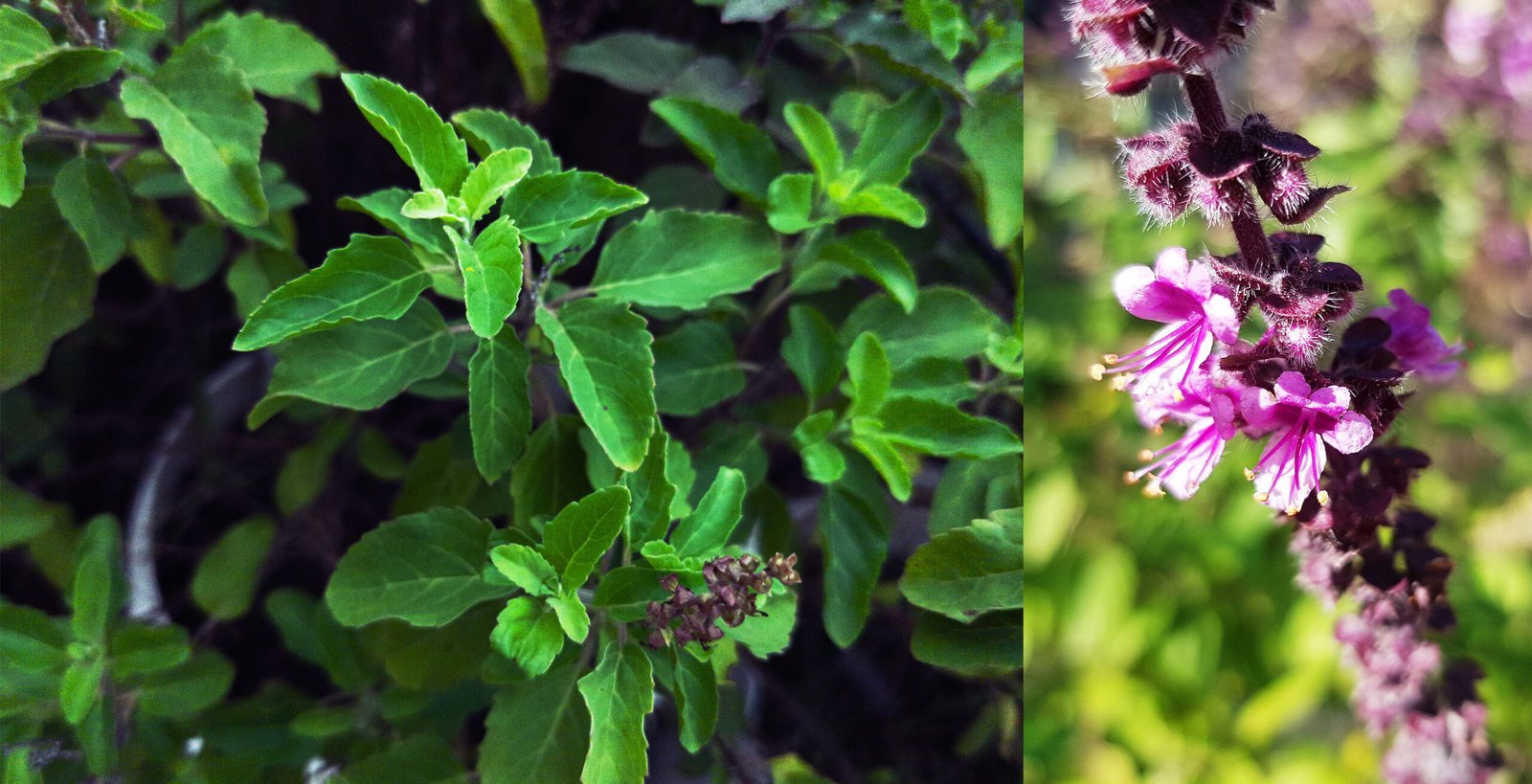


Posted by Vedasmi Herbals in Ayurveda, Health, Holy Basil (Tulsi)
What to Expect from Vedasmi Herbals’ Products? FAQs.

What to Expect from Vedasmi Herbals’ Products? FAQs.

Vedasmi Herbals is dedicated to providing herbal infusions and supplements that aim to support general health and wellness of both men and women. Our products are formulated based on scientific research concerning the efficacy of each ingredient used in their creation. We are pleased to note that many of our customers have reported positive effects on their overall health and wellness, after using our products.

However, it is important to clarify that Vedasmi Herbals' teas, infusions and supplements are not clinically verified as treatments or cures for any specific health condition. These products should be used with the understanding that they are supplementary aids, and not replacements for clinically approved healthcare support or treatment.

We strongly advise consulting with a healthcare professional before using our products, especially for specific health concerns. This consultation is crucial to determine the suitability and potential effectiveness of our products for your individual needs.

For detailed information on the clinical findings and properties of the herbs used in our products, we invite you to visit the product pages on our official website, Vedasmi Herbals. Here, you can find comprehensive details and links to scientific studies that provide a deeper understanding of the ingredients in our medicines and supplements.

For the more comprehensive details regarding the usage, suitability and concerns regarding our products, please go through the frequently asked questions (FAQs) as given below:

Frequently Asked Questions (FAQs)

Posted by Vedasmi Herbals in Health, Healthy Living